Like
Share
멍실장
고양이 여름 더위 관리·열사병 예방 자주 묻는 질문 Q&A — 보호자가 꼭 알아야 할 핵심

Frequently Asked Questions on Cat Summer Heat Management and Heatstroke Prevention — Key Points Every Owner Must Know

Lifestyle & Age CareQ&AMeongsiljang Veterinary Advisory Board

We’ve compiled five key questions about managing heat and preventing heatstroke in cats during the summer. We’ll share practical tips and emergency response methods that every pet owner should know.

Key Answers to Cat Summer Heat Management and Heatstroke Prevention
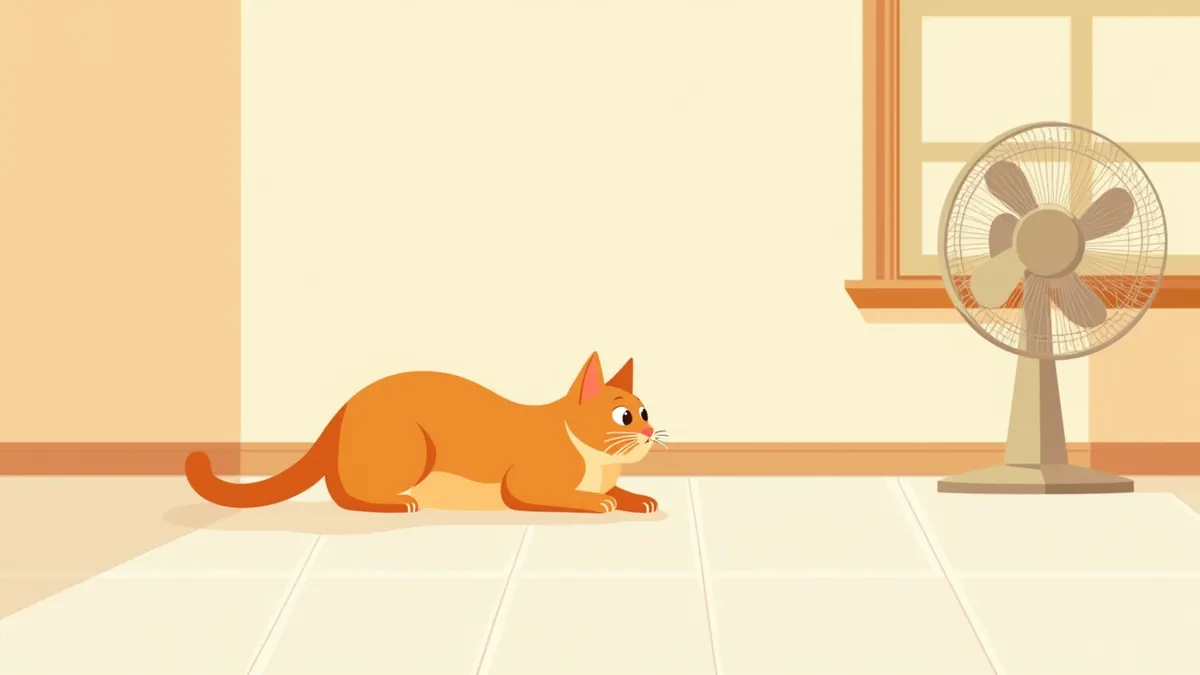
A cat lying on a cool tiled floor, with a gentle breeze blowing indoors.
Cats are generally more heat-tolerant than dogs and typically seek out the coolest spot in the house to rest quietly. However, brachycephalic (short-nosed) breeds, which have anatomical airway structures that make breathing more difficult, are at higher risk of heat injury and require special care. - Indoor temperature management: Maintain a comfortable indoor temperature between 22°C and 26°C (72°F–79°F). When using air conditioning or fans, adjust the angle so the cat is not exposed to direct airflow. - Water provision: Always provide fresh, clean water. Place multiple water bowls around the home to improve accessibility and encourage adequate hydration. - Cooling methods: To lower body temperature, you can wet the cat’s body with cool water or apply cooling packs to areas where major blood vessels pass. However, stop cooling once the body temperature drops to approximately 39.4°C (103°F) to prevent rebound hypothermia. - Emergency response: If the cat becomes unconscious or experiences difficulty breathing, begin cooling measures and transport them to a veterinary clinic immediately. Early intervention is critical to saving their life.

Why Are Cats Vulnerable to Heat?

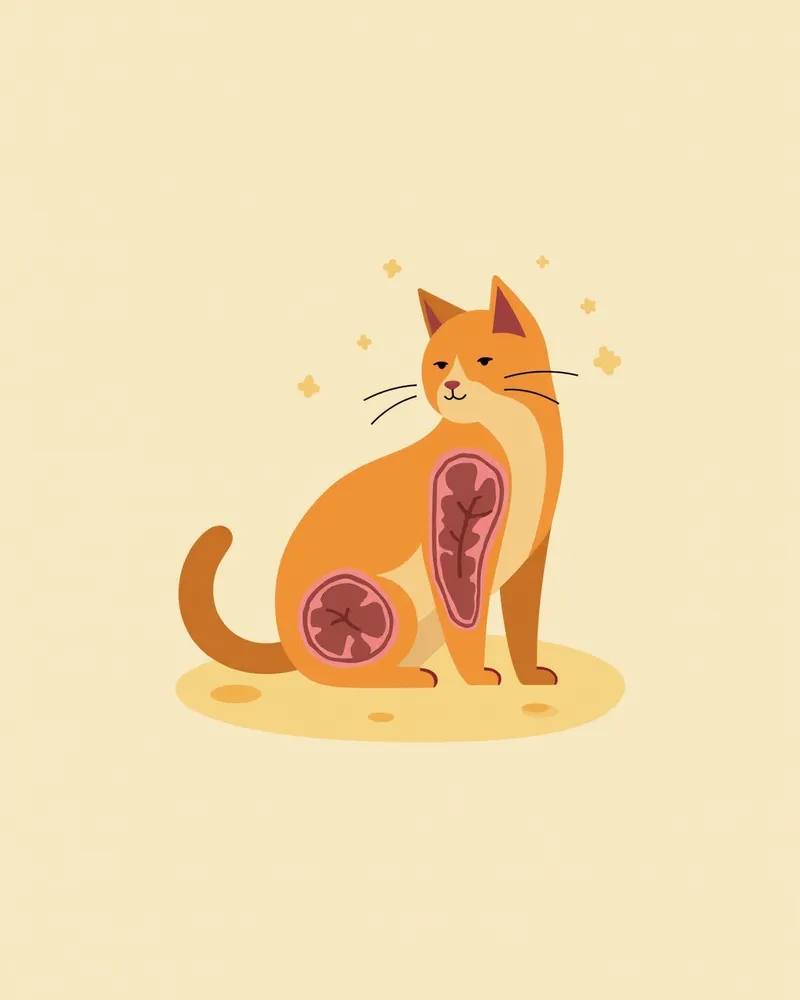
Cats have very few sweat glands, so they don’t cool down by sweating like humans do. Instead, they release heat through radiation and convection via their skin (about 70% of heat loss in dogs and cats occurs this way), and when it’s hot, they increase their breathing rate (panting) to cool down. - Increased breathing: In hot environments, cats breathe faster to release heat, but if this isn’t enough, their body temperature can rise. - High-risk groups: Brachycephalic (flat-faced) breeds are at greater risk of heat-related issues due to airway structures like elongated soft palates or narrow nostrils, which make breathing less efficient. - Environmental factors: Poor indoor ventilation or direct sun exposure can accelerate body temperature increases. - Prevention is key: While cats usually seek out cooler spots, they’re at risk if trapped or unable to escape the heat, so providing a cool environment is essential. - Owner’s role: Ensuring proper environmental conditions and access to water is crucial for preventing heatstroke.
An anatomical diagram illustrating the cat's thermoregulatory mechanism, showing that cats have very few sweat glands and rely on cooling through their nose and tongue.

Immediate Response Measures When Heatstroke Is Suspected
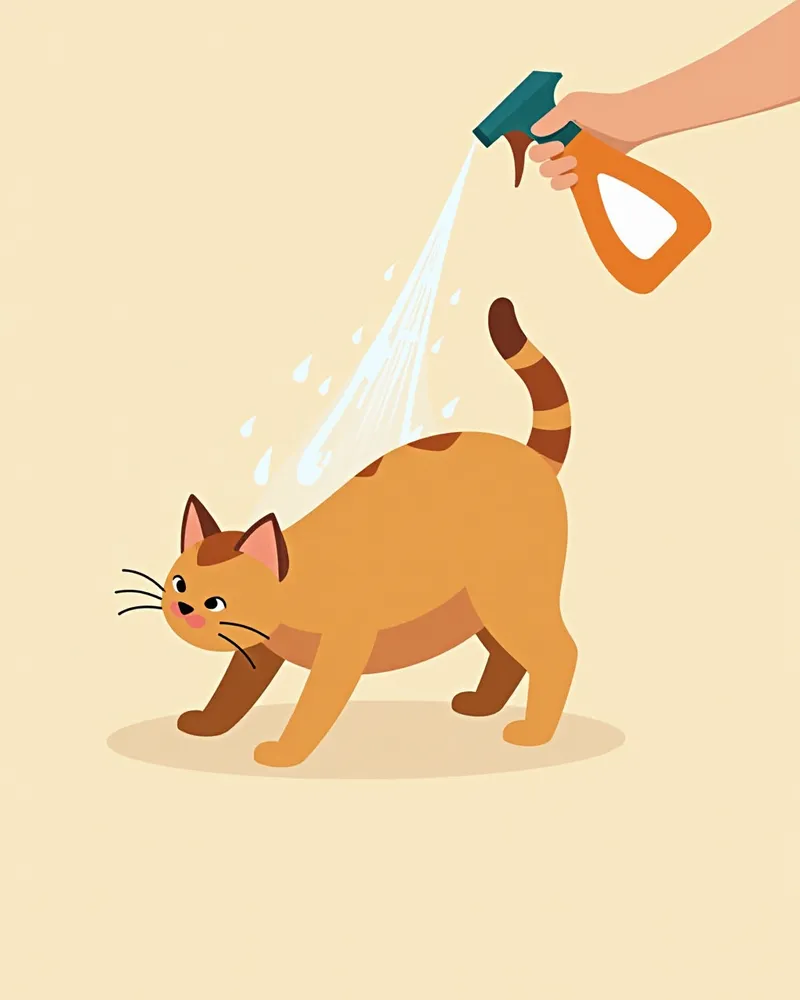
If you suspect your cat is suffering from heatstroke, begin cooling measures immediately. - Lower the indoor temperature: Use an air conditioner or fan to quickly reduce the room temperature and improve air circulation. - Apply cool water: Wet your cat’s body with cool water or wrap them in a cold towel to lower their body temperature. Placing cooling packs on areas with major blood vessels can also help. - Provide water: Offer clean water so your cat can drink slowly. - Avoid overcooling: Stop cooling once the body temperature drops to approximately 39.4°C (103°F) to prevent rebound hypothermia. - Transport to a veterinary clinic: While continuing to cool your cat, transport them to a clinic immediately. Early intervention by a veterinarian, including assessment and fluid therapy, significantly improves survival rates.
A person gently sprinkling cool water over a cat’s back and legs

Signs Requiring Immediate Veterinary Visit

If your cat loses consciousness, vomits, has seizures, struggles to breathe, or shows dark red or blue lips, take them to the vet immediately. These are signs of severe complications from heatstroke. Prompt emergency care can save their life, so don’t delay.

How to Regulate the Indoor Environment?
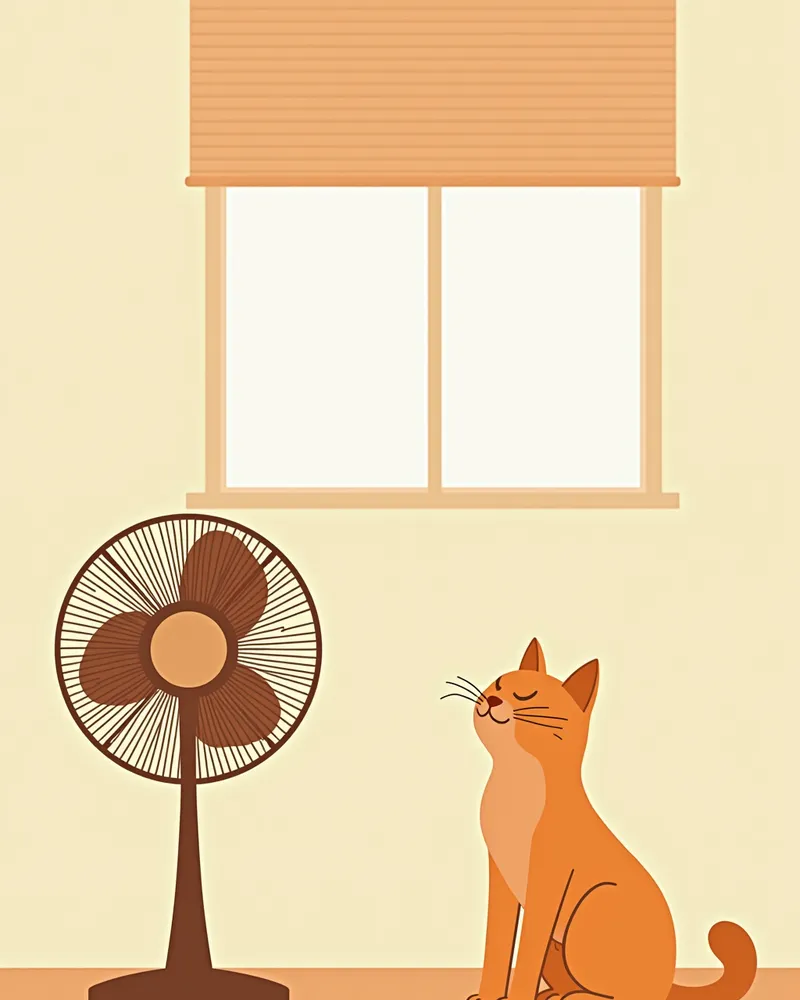
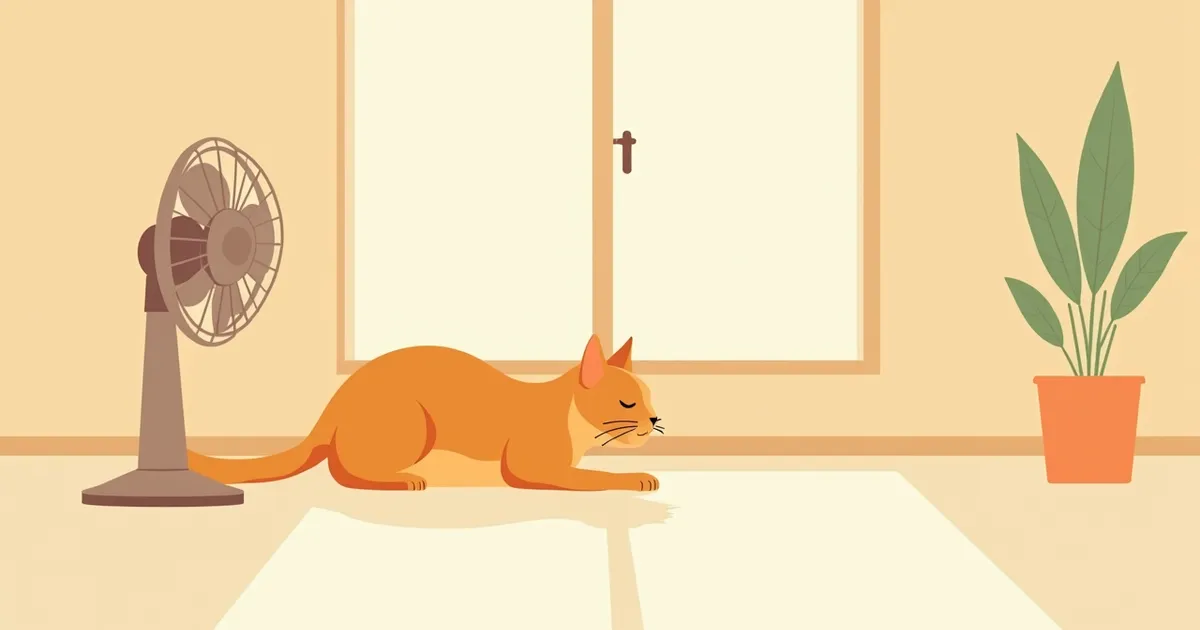
To keep your cat cool during the summer heat, it is essential to regulate the indoor environment. - Temperature control: Use air conditioning to maintain an indoor temperature of 22–26°C. Draw the curtains to block direct sunlight. - Ventilation and airflow: When using fans, adjust the angle so the airflow does not blow directly on your cat. - Cooling aids: You can use water bottles chilled in the refrigerator as cooling aids, but be careful to ensure your cat does not drink from them. - Distributing resting spots: Provide several cool areas around the home where your cat can rest. - Importance of monitoring: Continuously observe your cat’s breathing and behavior even after adjusting the environment. Early recognition is key to emergency response.
A cat sitting on a tiled floor next to a fan, in a room with curtains blocking the sunlight.

How to Provide Good Water for Cats

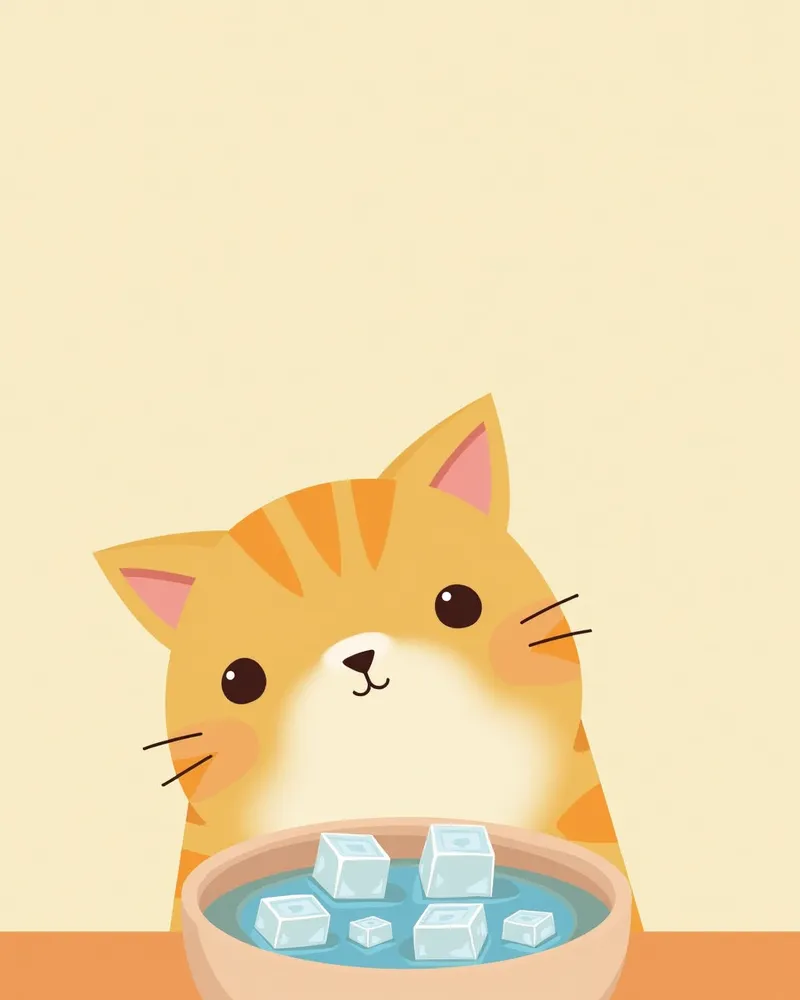
Always provide your cat with fresh, cool water. - Change the water frequently: Empty and refill the water bowl with fresh water once or twice a day. - Place bowls in various locations: Set up multiple water bowls in areas your cat frequents, such as the kitchen, living room, and bedroom. - Maintain water temperature: Keep the water cool by storing the bowl in the refrigerator or adding ice cubes to prevent it from warming up quickly. - Choose the right material: Stainless steel or glass bowls are preferable to plastic, as they help reduce bacterial growth. - Monitor water intake: If your cat is not drinking water regularly, it may indicate a health issue that needs attention. - Ensure a steady supply: Consider using an automatic water dispenser to keep the water supply consistent and prevent it from running out.
A cat drinking from a ceramic water bowl with floating ice cubes

Comparison of Indoor Environment Regulation Methods for Heatstroke Prevention

ItemMethodEffectivenessPrecautionsCost
Using Air ConditioningVery effectiveDirect cooling possibleAngle adjustment needed so the cat is not directly hit by the airflowMedium
Electric Fan/FanModerately effectiveInduces air circulationTake care that the cat is not directly hit by the airflowLow
Cool Tile FloorModerately effectiveGood for lowering body temperatureBeware of slipperinessLow
Adding Ice to Water BowlModerately effectiveWater does not heat up quicklyThe cat may eat the iceLow

Air conditioning is the most effective, but the method of use should be adjusted considering the cat's behavior.

Points to Note for Preventing Cat Heatstroke

Never leave your cat in a car or outside with windows open. The temperature inside a car can soar above 60°C in just 10 minutes. Also, don’t assume that cats can adapt to the heat. As the weather gets warmer, it’s important to adjust the indoor environment in advance.

Reviewed by a veterinarian

Dr. Tony — Punnawat Phongkittirak

Dr. Tony — Punnawat Phongkittirak

Veterinarian

A veterinarian who majored in veterinary medicine at Khon Kaen University, Thailand, and completed the IVSA program at North Carolina State University in the United States. Drawing on clinical experience at animal hospitals, he works in the pet healthcare field and is dedicated to building a digital care environment that connects pet parents with veterinarians.

Frequently Asked Questions

Which cat breeds are more susceptible to heat?
Cats with unfavorable airway structures, such as the Persian breed, which is brachycephalic (short-nosed), are more vulnerable to heat due to breathing difficulties caused by a long soft palate or narrow nostrils. Situations where they are trapped or have nowhere to escape are also dangerous.
What should I do if my cat suffers from heatstroke?
Immediately lower the indoor temperature and wet your pet’s body with cool water or wrap them in a cold towel. You can also apply cooling packs to areas where major blood vessels pass through. However, once their body temperature drops to approximately 39.4°C (103°F), stop the cooling process and seek immediate veterinary care.
How much water should I give my cat?
Rather than focusing on a single fixed number, it’s more important to always provide clean, fresh water. Frequently refreshing the water and placing multiple bowls around the home makes it easier for your pet to drink, helping them stay hydrated and preventing dehydration.
Can cats adapt to hot weather?
Cats are generally more heat-tolerant than dogs and usually seek out the coolest spot to rest. However, they can’t withstand extreme heat indefinitely, so if they’re trapped or have nowhere to escape, it can be dangerous. It’s important to provide a cool environment in advance.
What should I do if my cat is suffering from heat exhaustion?
Move your pet to a cool place and wet them with cool water. If their breathing becomes rapid or they appear disoriented, take them to the vet immediately.

Share

Related Guides

References

[1] Kenneth J. Drobatz, DVM, MSCE, DACVIM, DACVECC. Heat Stroke in Dogs and Cats. In: Small Animal Critical Care Medicine, 3rd Ed. Elsevier, 2017.

[2] The Dog Care Handbook, Things I Wish My Vet Had Told Me. Blackwell Publishing, 2014.

[3] Blackwell's Five-Minute Veterinary Consult Clinical Companion, Small Animal Toxicology, 3rd Edition. Wiley-Blackwell, 2018.

This information is based on veterinary literature and does not replace diagnosis or treatment. Please consult a veterinarian for specific health concerns.

Metapet Co., Ltd. | CEO: Park Sung-yong | Business Reg. No. 417-88-02562 | Seoul, South Korea | Customer Center

Cat Summer Heat & Heatstroke: Must-Know Owner FAQ | Meongsiljang