Like
Share
멍실장
고양이 수명 평균과 장수 비결 총정리

Average Cat Lifespan and Secrets to Longevity: A Complete Guide

ImmunityQ&AMeongsiljang Veterinary Advisory Board

The average lifespan of an indoor cat is 12 to 18 years. Based on veterinary resources, we’ve compiled a human-age conversion chart, factors that influence lifespan, and health care tips for promoting longevity.

How Long Do Cats Live on Average?
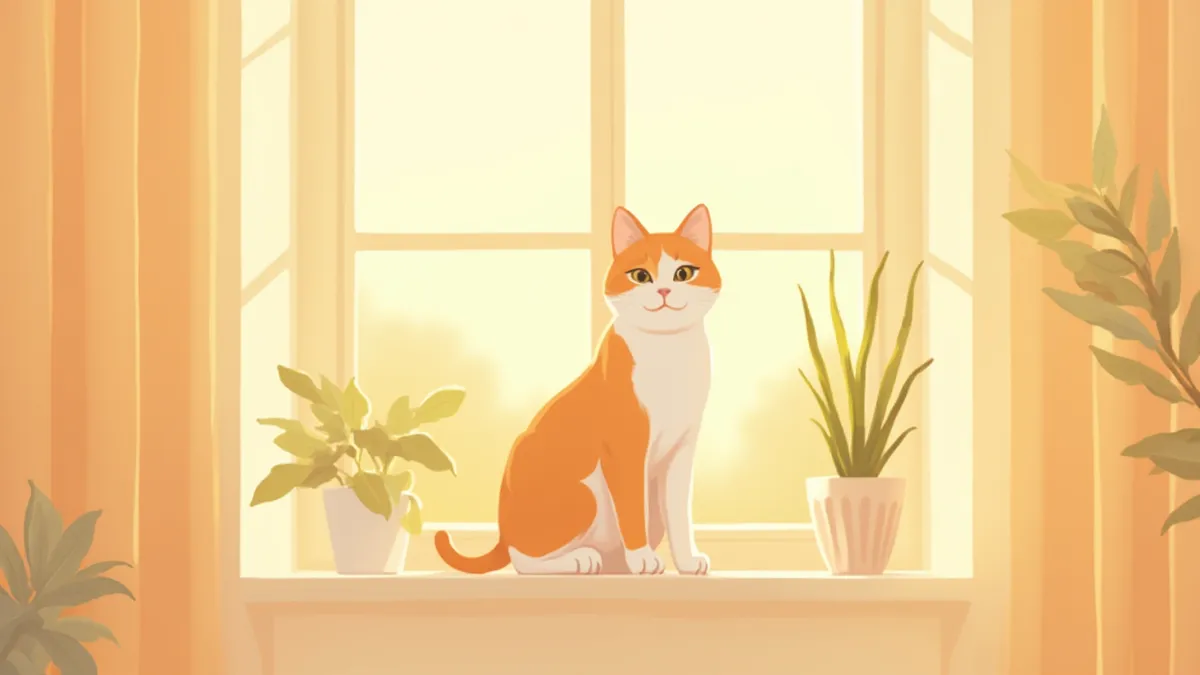
A healthy cat sitting by a sunlit window
A cat’s lifespan varies greatly depending on breed, living environment, diet, and the level of healthcare it receives. While it’s difficult to pin down a single number for the “average lifespan,” veterinary textbooks emphasize that proper preventive medicine and consistent care can extend both the healthspan and life expectancy of cats. Whether a cat lives indoors or outdoors is one of the most significant factors affecting its lifespan. According to textbooks, indoor-only cats are safer and tend to live longer than those allowed free roam outdoors. This is because outdoor living exposes cats to risks such as traffic accidents, fights with other animals, infectious diseases, and external parasites. Let’s go through the key steps you can take to help your cat stay healthy and by your side for as long as possible.

How Old Is Your Cat in Human Years?

Simply multiplying a cat’s age by seven to estimate its human equivalent isn’t accurate. Cats grow very rapidly during their first two years of life, so a two-year-old cat is roughly equivalent to a 24-year-old human. After that, each year in a cat’s life corresponds to about four human years. Veterinary internal medicine textbooks divide a cat’s lifespan into six stages. Use the table below to see which stage your cat is currently in.

Cat Age Conversion Chart

Here’s a chart that converts your cat’s age into human years. Use it to see which life stage your cat is in.
Life StageCat AgeHuman Age Equivalent
Kitten0–6 months0–10 years
Junior7 months–2 years12–24 years
Adult3–6 years28–40 years
Mature7–10 years44–56 years
Senior11–14 years60–72 years
Geriatric15+ years76+ years

Factors That Influence a Cat’s Lifespan

Once a cat passes the age of 10, it’s equivalent to a human over 56. From this stage onward, more attentive care is essential. Here are the key factors that influence a cat’s lifespan.
Living Environment: Indoor cats are generally safer and tend to live longer on average than outdoor cats. This is because they are less exposed to external risks such as traffic accidents, infectious diseases, fights with other animals, and external parasites.
Nutritional Management: A balanced diet appropriate for their age is crucial for extending a healthy lifespan. In particular, senior cats aged 12 and older actually have increased maintenance energy requirements, so it’s important to provide adequate caloric intake to help them maintain a healthy weight.
Regular Health Check-ups: Cats are skilled at hiding signs of illness. Veterinary guidelines recommend at least one check-up per year for cats of all ages, but senior cats (10 years and older) should be seen more frequently and undergo more thorough examinations, including blood tests, urinalysis, and blood pressure monitoring.
Spaying/Neutering Status: Spaying or neutering can help reduce reproductive-related diseases and certain behavioral issues. However, since the benefits and ideal timing vary by individual, please consult with your veterinarian to make the best decision for your cat.
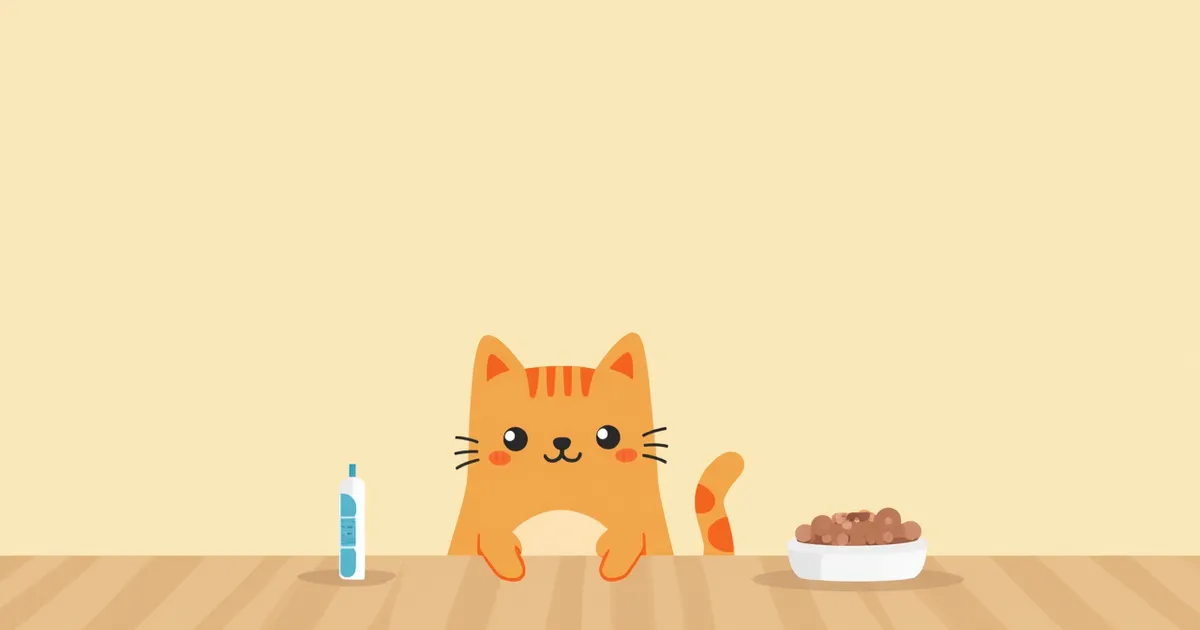
An illustration of a cat surrounded by health care element icons

Indoor vs. Outdoor Cats: A Significant Difference in Lifespan

Cats that roam freely outdoors face a variety of risks, including infectious diseases, traffic accidents, fights with other animals, and exposure to external parasites. According to veterinary textbooks, cats that live exclusively indoors are safer and tend to live longer on average than those that go outside. However, the specific "average lifespan" can vary greatly depending on the individual and their environment, making it difficult to pin down a single number. To ensure your cat's safety and longevity, consider keeping them indoors as the baseline while also exploring opportunities for outdoor activity in a secure, controlled environment.

5 Health Care Tips for Longevity

To help your cat live a long, healthy life, consistent care from you as the owner is essential.
1. Maintain an ideal weight: Obesity can lead to various health issues, including diabetes, joint disease, and liver disease. Regularly monitor your cat’s weight and adjust their food portions accordingly.
2. Ensure adequate hydration: Cats tend to drink less water than they should. Place water bowls in multiple locations or use a water fountain to encourage drinking.
3. Oral care: Periodontal disease is very common in senior cats and can impact overall health. Regular dental check-ups are necessary.
4. Stress management: A stable living environment and appropriate playtime greatly support your cat’s mental well-being.
5. Vaccinations and deworming: Even as cats age, routine preventive care remains important. Consult with your veterinarian to adjust vaccination schedules as needed.
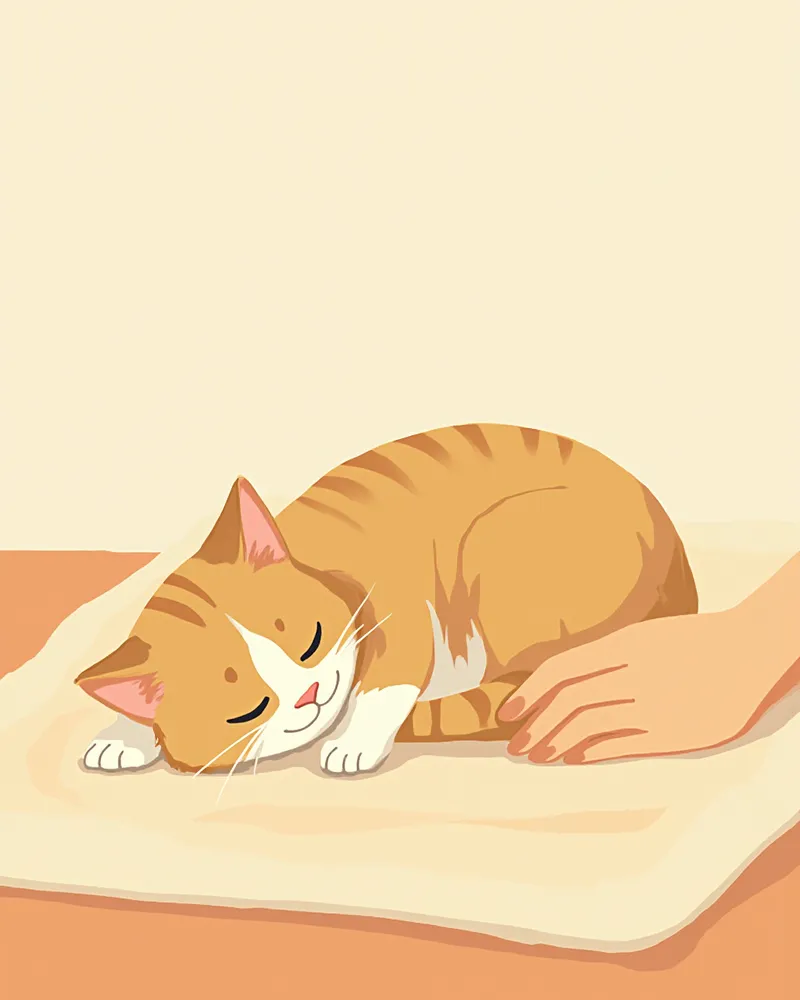
An illustration of a happy cat receiving health care.

Senior Cats: When to Visit the Vet

Senior cats aged 11 years and older may be undergoing internal changes even if they appear healthy on the outside. According to veterinary internal medicine textbooks, comorbid conditions are common in older cats. Please consult a veterinarian promptly if you notice any of the following changes:
Increased water intake: Drinking more water than usual may signal kidney disease or diabetes.
Weight loss: If your cat is losing weight despite eating well, consider the possibility of hyperthyroidism or other conditions.
Decreased activity: Sleeping more and showing less interest in play may indicate joint pain or internal medical issues.
Increased frequency of vomiting or diarrhea: Occasional vomiting can be normal, but an increase in frequency warrants examination.
Senior cats receiving gentle care from their owners

Does Lifespan Vary by Breed?

Health characteristics can vary by breed. According to veterinary textbooks on genetic diversity analysis, purebred cats often have lower genetic diversity and higher inbreeding coefficients depending on the breed, which may make them more susceptible to certain hereditary diseases. In contrast, mixed-breed cats generally have relatively higher genetic diversity. However, it is difficult to definitively state specific average lifespans for each breed, such as "this breed lives for X years," based on reliable textbook evidence. Rather than generalizing lifespans by breed, it is more important to understand each breed's genetic predispositions and common diseases in advance and manage them accordingly. Above all, living environment and consistent health care are more important than breed. Any breed can live a long, healthy life with appropriate preventive medicine and care.

Reviewed by a veterinarian

Dr. Tony — Punnawat Phongkittirak

Dr. Tony — Punnawat Phongkittirak

Veterinarian

A veterinarian who majored in veterinary medicine at Khon Kaen University, Thailand, and completed the IVSA program at North Carolina State University in the United States. Drawing on clinical experience at animal hospitals, he works in the pet healthcare field and is dedicated to building a digital care environment that connects pet parents with veterinarians.

Frequently Asked Questions

What is the longest recorded lifespan for a cat?
It is known that some cats occasionally live well beyond 20 years of age. However, this is a very rare exception, and the exact record for the oldest cat can vary depending on the source. Generally speaking, a cat that reaches 20 years or older is considered to have lived a long life.
At what age is a cat considered a senior?
According to veterinary textbooks, dogs aged 7 to 10 are considered mature, those aged 11 to 14 are seniors, and those 15 and older are geriatric. Since dogs enter their mature stage at age 7, it's a good idea to increase the frequency of health checkups and expand the range of tests performed.
Do I need to change my cat’s food to help them live longer?
Switching to an age-appropriate diet can be helpful. In particular, senior cats aged 12 years or older actually have increased maintenance energy requirements, so consider consulting your veterinarian about transitioning to a senior cat food.
Do indoor cats live longer than outdoor cats?
Yes, according to veterinary textbooks, cats that live exclusively indoors are safer and tend to live longer on average than those with outdoor access. While the exact lifespan varies depending on the individual cat and its environment, indoor living is beneficial for both safety and health.
Can cats get dementia?
Yes, senior cats can develop cognitive dysfunction. If you notice symptoms such as nighttime vocalization, increased accidents outside the litter box, confusion, disorientation, or wandering, please consult your veterinarian.

Share

Related Guides

References

[1] The Cat, Clinical Medicine and Management, 2nd Edition — Chapter 47: Managing the Senior Cat

[2] The Cat, Clinical Medicine and Management, 2nd Edition — Chapter 19: Nutrition and Feeding

[3] Feline Emergency and Critical Care Medicine, 2nd Edition — Geriatric Emergencies (Maureen A. McMichael)

[4] A Professional's Guide to Feline Behaviour: Understanding, Improving and Resolving Problems — The Senior Cat

This information is based on veterinary literature and does not replace diagnosis or treatment. Please consult a veterinarian for specific health concerns.

Metapet Co., Ltd. | CEO: Park Sung-yong | Business Reg. No. 417-88-02562 | Seoul, South Korea | Customer Center

Average Cat Lifespan and Secrets to Longevity | Meongsiljang