Like
Share
멍실장
고양이 황달 자주 묻는 질문 Q&A — 보호자가 꼭 알아야 할 핵심

Cat Eyes and Gums Turning Yellow? Q&A on Jaundice Causes and Treatment

Liver HealthQ&AMeongsiljang Veterinary Advisory Board

Feline jaundice is an important sign of liver dysfunction. We’ve compiled the essential causes, symptoms, and management strategies that pet owners need to know.

Feline Jaundice Is a Sign of Liver Dysfunction

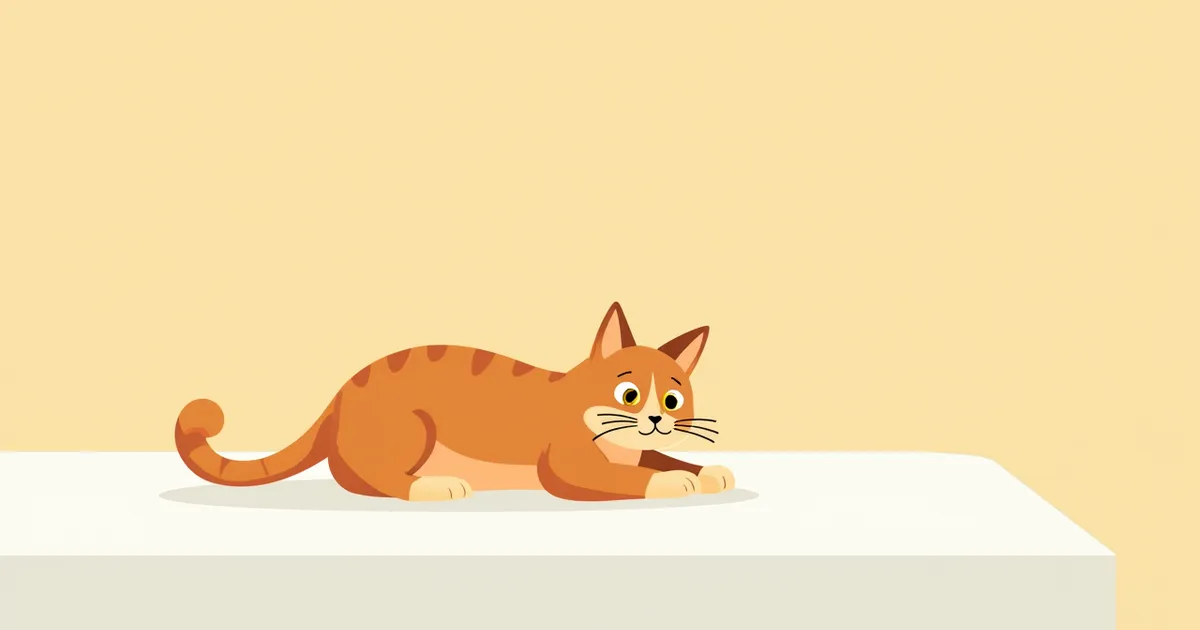
Symptoms of jaundice in cats: yellowing of the eyes and lips
Feline jaundice is a condition in which the skin and mucous membranes turn yellow due to excessive accumulation of bilirubin in the blood. Jaundice occurs as a result of cholestasis (bile flow obstruction) and becomes visibly apparent only when bilirubin levels rise to approximately two to three times the normal range. This can stem from various causes, including impaired liver function, biliary tract obstruction, or red blood cell destruction. - Hepatocellular damage: When liver cells are damaged by conditions such as hepatitis, fatty liver disease, or drug toxicity, the liver’s ability to clear bilirubin is reduced. - Biliary obstruction: If bile ducts are blocked by gallstones or tumors, bilirubin cannot be properly excreted. - Red blood cell destruction: Excessive breakdown of red blood cells due to infections or immune-mediated diseases leads to increased bilirubin production. All of these underlying causes require prompt diagnosis and treatment. If you notice yellowing in your cat’s eyes or lips, seek veterinary care immediately.

It Is Essential to Accurately Identify the Main Causes of Jaundice
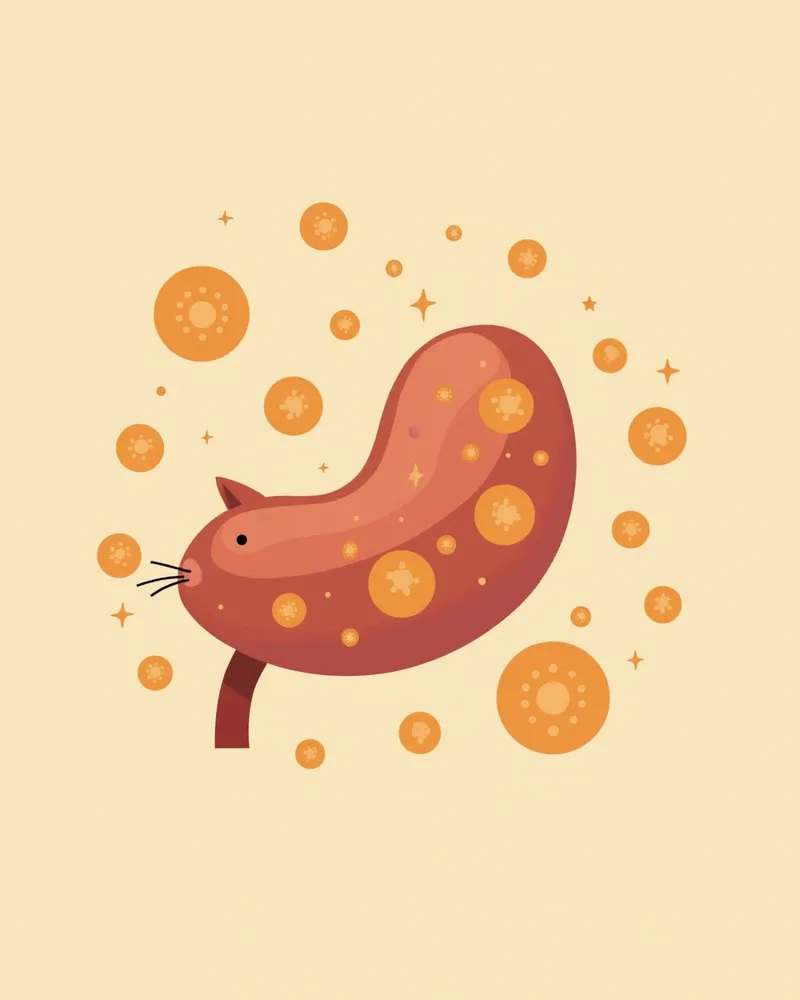
There are three main causes of jaundice in cats. - Hepatocellular damage: When liver cells are damaged due to conditions such as hepatitis, fatty liver disease, or drug toxicity, the liver’s ability to process bilirubin is impaired. - Biliary obstruction: Blockages in the bile ducts caused by gallstones, tumors, or inflammation prevent bilirubin from being excreted. - Red blood cell destruction: Excessive destruction of red blood cells due to infections or immune-mediated diseases leads to a rapid increase in bilirubin production. Because each cause presents with different symptoms and requires different treatment approaches, an accurate diagnosis is essential. Identifying the underlying cause through various tests, such as blood work, ultrasound, and biopsy, is crucial. Early identification of the cause significantly improves treatment outcomes.
Causes of hepatocellular damage and biliary obstruction in cats

Checklist of Main Symptoms Accompanying Jaundice
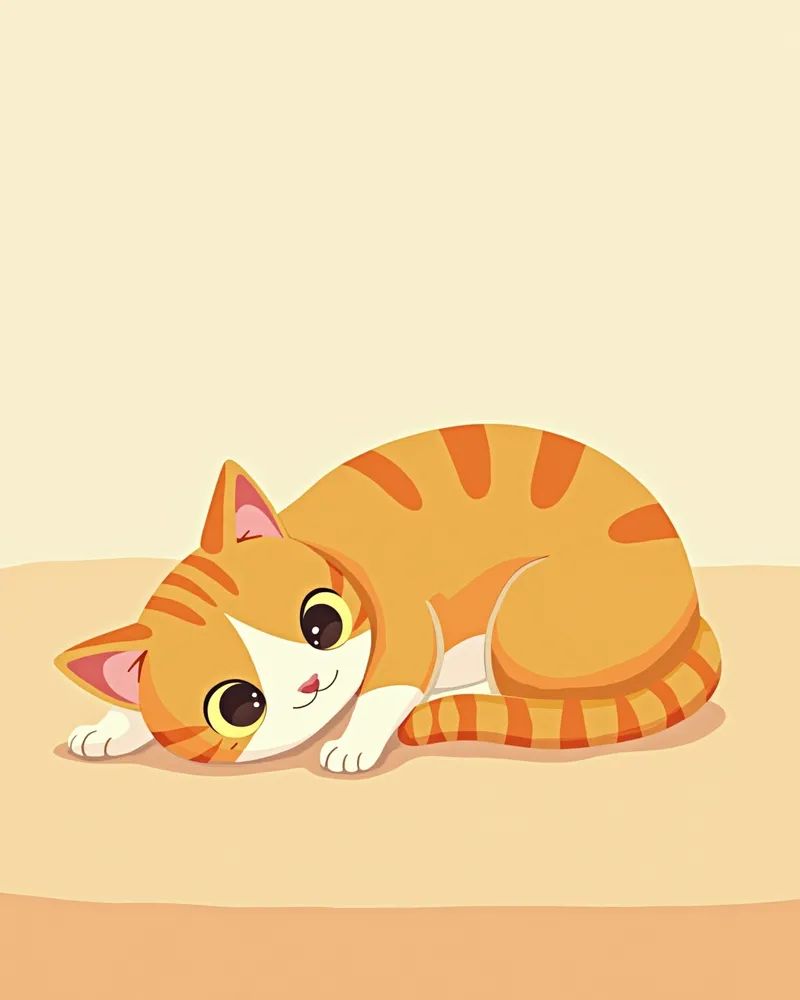
If your cat has jaundice, be sure to check for these signs.
Yellowing of the eyes and lips: This is the most characteristic symptom, with the mucous membranes turning yellow.
Loss of appetite: Due to impaired liver function, your cat may refuse food or experience a sudden drop in appetite.
Recurring vomiting: Gastrointestinal dysfunction leads to frequent vomiting.
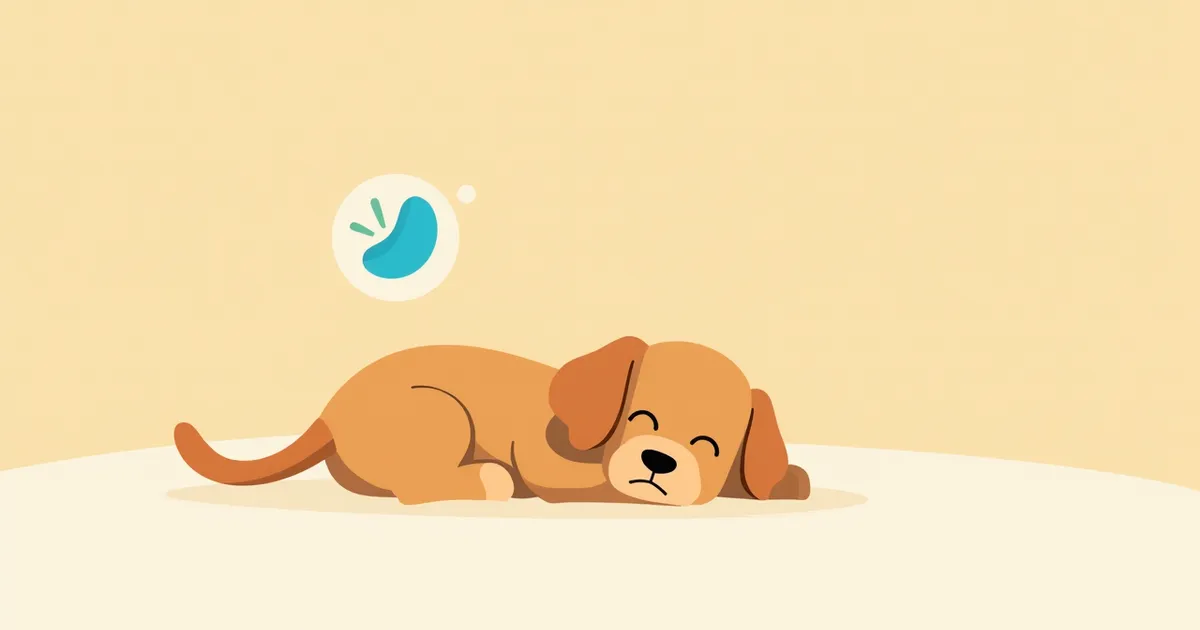
Lethargy: Your cat may remain inactive and lie down for extended periods throughout the day.
Darkening of urine: As bilirubin is excreted through the urine, it turns a deep brown or dark brown color.
Main symptoms that accompany jaundice in cats

Emergency Signs Requiring Immediate Veterinary Care

If your cat develops jaundice, especially accompanied by lethargy, repeated vomiting, no urine output, or bloody stool, immediate veterinary care is essential. These symptoms may indicate a sudden deterioration in liver function or internal bleeding. Delaying treatment can be life-threatening, so prompt action is crucial.

Comparison of Characteristics and Management Approaches by Cause of Jaundice

ItemCause TypeKey FeaturesMain TestsTreatment Direction
Hepatocellular DamageHepatitis, hepatic lipidosis, drug toxicityElevated liver enzyme levels, poor appetite/vomitingBlood test, ultrasoundHepatoprotective agents, nutritional support, cause removal
Biliary ObstructionGallstones, tumor, inflammationDark-colored urine (bilirubinuria), abdominal painUltrasound, bile duct imagingSurgery, relief of biliary obstruction
Red Blood Cell DestructionInfection, immune diseaseAnemia, abnormal blood test resultsBlood test, immunological testAntibiotics, immunosuppressants

Professional testing at a hospital is needed for an accurate diagnosis.

Home Care and Precautions
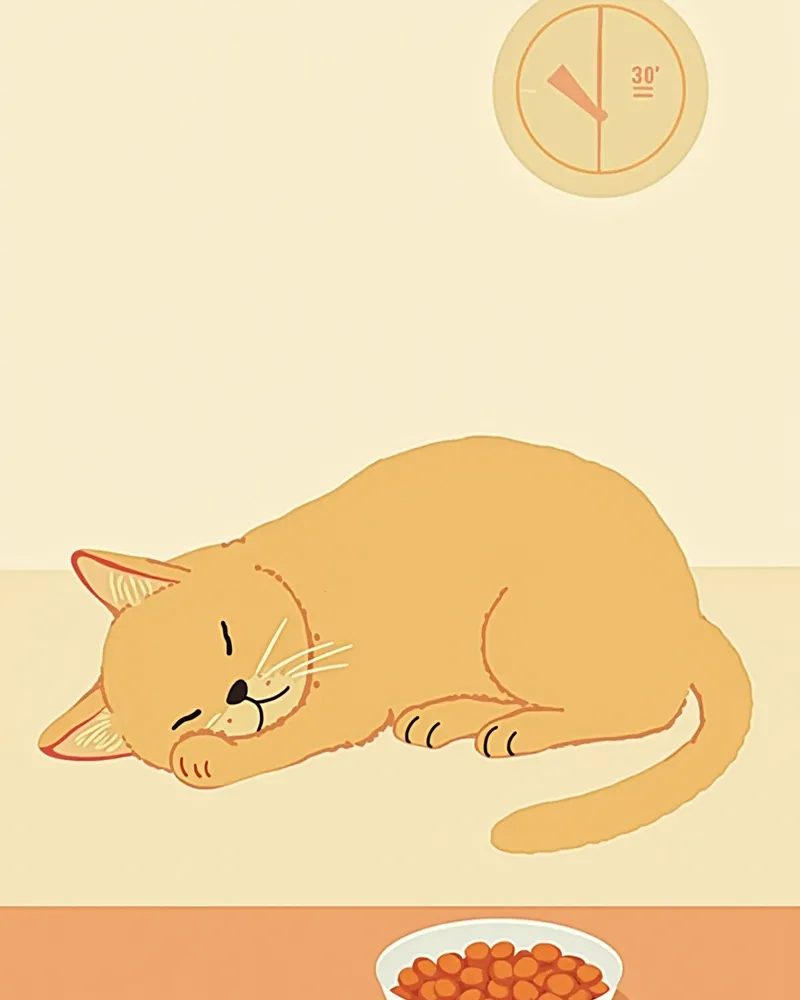
Feline jaundice cannot be cured at home. However, you should follow your veterinarian’s instructions and provide the following care:
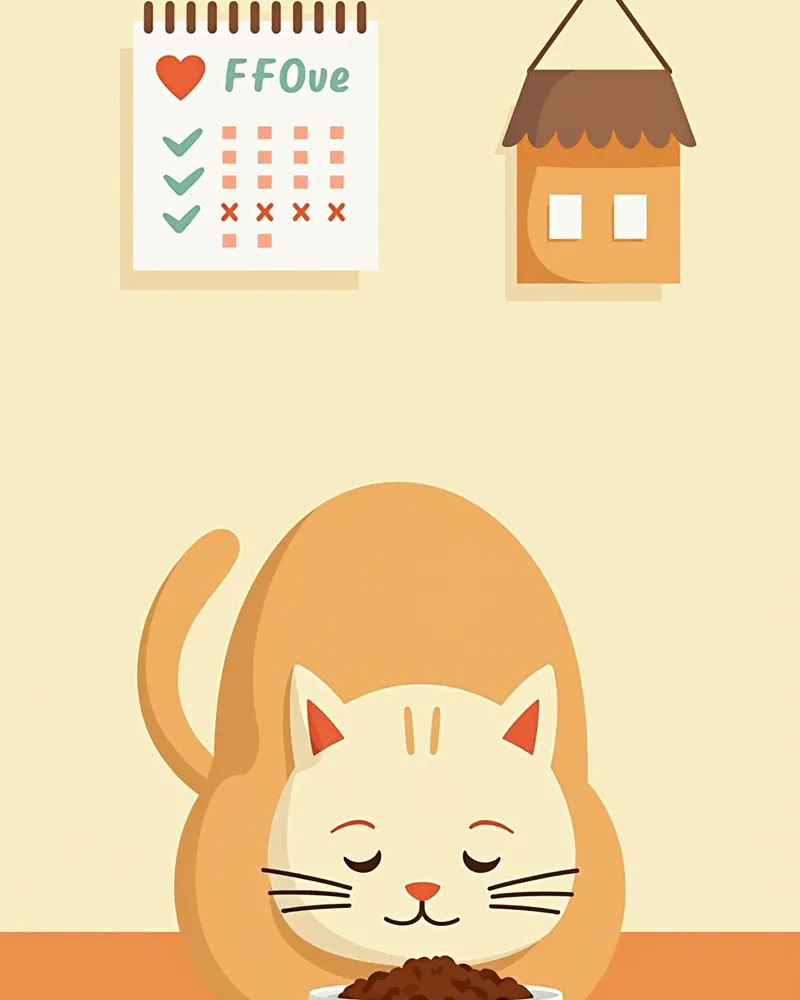
Dietary management: Offer a low-fat, high-protein diet to reduce the burden on the liver.
Hydration: Prevent dehydration by frequently refreshing the water supply and incorporating moisture-rich foods.
Medication: Administer liver protectants or anti-inflammatory medications exactly as prescribed by your veterinarian.
Environmental stability: Provide a quiet space to minimize stress and limit excessive movement.
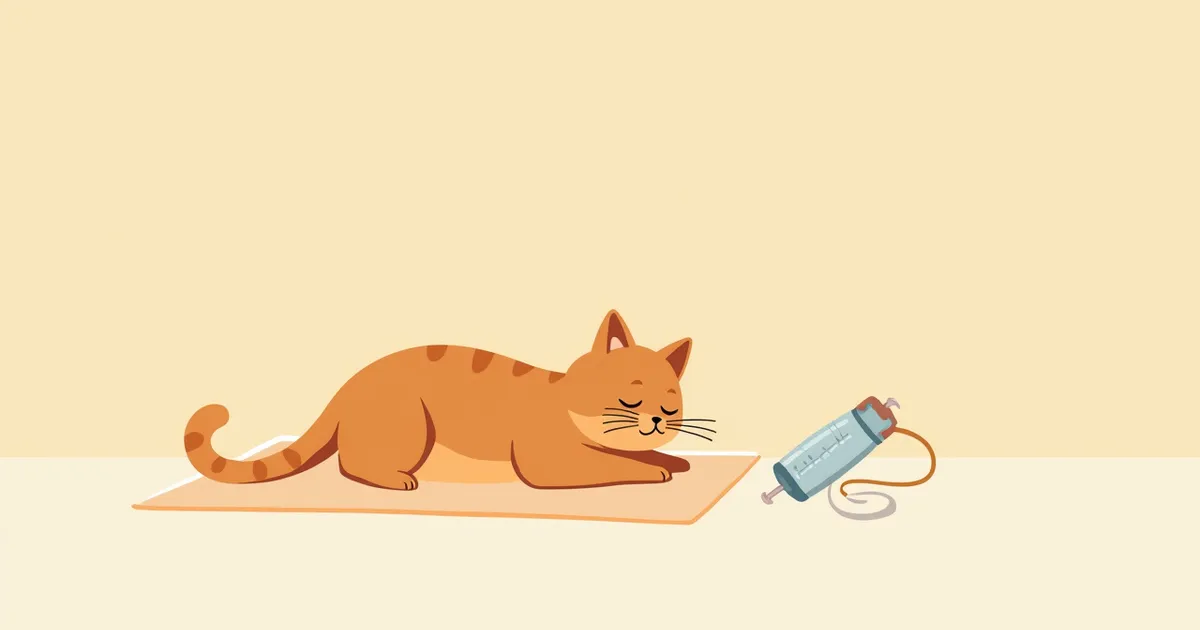
Managing Feline Jaundice: Providing a Quiet Environment and Specialized Diet

Prevention and Daily Care Tips

To prevent jaundice in cats, consistent daily health care is essential.
Regular check-ups: Monitor liver function through routine veterinary exams and blood tests. Because cats are skilled at hiding signs of pain or illness, proactive health management is especially important.
Safe food choices: Select high-quality, verified pet foods and avoid products with excessive artificial additives.
Medication caution: Never administer antibiotics or pain relievers without a veterinarian’s guidance.
Weight management: Maintain a healthy weight to reduce the risk of fatty liver disease.
Minimize stress: Introduce new environments or other animals gradually to keep stress levels low.
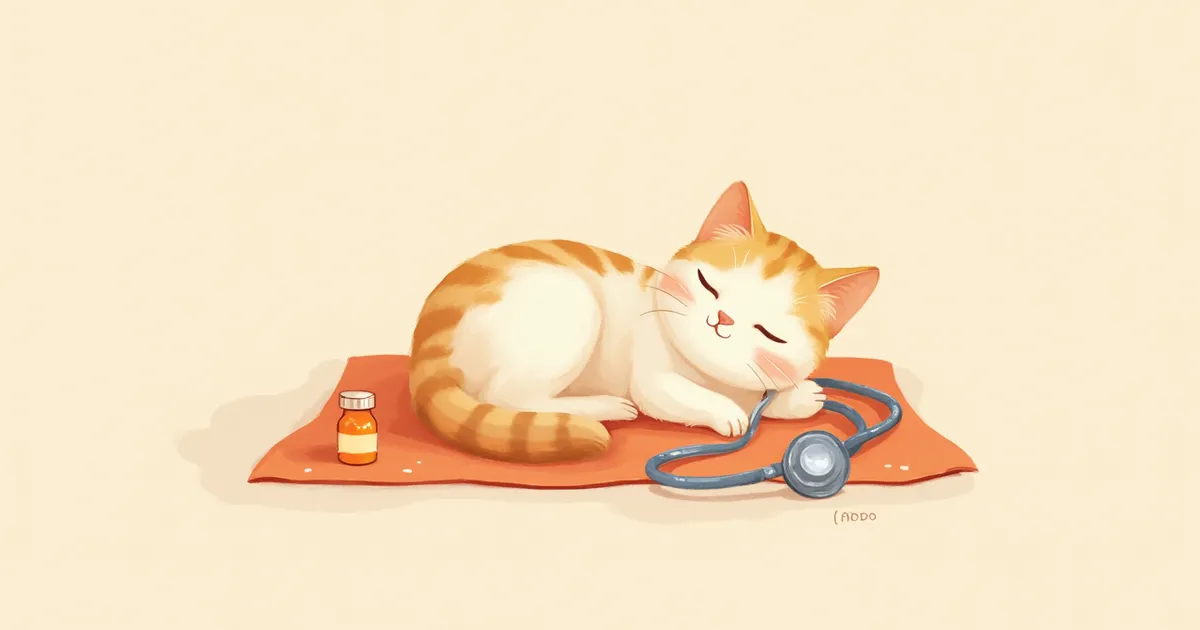
Preventing Feline Jaundice: Regular Check-ups and Choosing Healthy Food

Feline Jaundice Has a High Risk of Recurrence

Once a cat has developed jaundice, it can recur if the underlying condition persists. Because the liver has considerable reserve capacity, clinical signs often remain subtle until function is significantly impaired, making it essential to work with your veterinarian to establish a long-term management plan. Consistent adherence to regular check-ups and prescribed medications is crucial.

Reviewed by a veterinarian

Dr. Tony — Punnawat Phongkittirak

Dr. Tony — Punnawat Phongkittirak

Veterinarian

A veterinarian who majored in veterinary medicine at Khon Kaen University, Thailand, and completed the IVSA program at North Carolina State University in the United States. Drawing on clinical experience at animal hospitals, he works in the pet healthcare field and is dedicated to building a digital care environment that connects pet parents with veterinarians.

Frequently Asked Questions

Can feline jaundice be treated?
Treatment options depend on the underlying cause. Hepatitis and bile duct obstruction can often be improved with medication or surgery, whereas chronic liver disease focuses more on long-term management rather than a complete cure.
Should I go to the vet immediately if jaundice appears?
Yes, it’s essential to go. Jaundice is a sign of liver dysfunction, so prompt diagnosis and treatment can be life-saving.
Can jaundice in cats be transmitted to humans?
Jaundice itself is not contagious to humans. However, since the underlying condition may be infectious, it's important for pet owners to maintain strict hygiene.
How long can a cat with jaundice live?
The outcome varies depending on the underlying cause, timing of treatment, and overall management. Early detection and appropriate care can lead to a more favorable prognosis.
Should I change my pet’s food if they develop jaundice?
Yes, dietary adjustments that reduce the burden on the liver and supplement nutrients can be helpful. Nutritional support is crucial in managing liver disease, so consult your veterinarian to choose an appropriate prescription diet.

Share

Related Guides

References

[1] The Cat, Clinical Medicine and Management, 2nd Edition. Elsevier, 2021.

[2] Plumb's Veterinary Drug Handbook, 9th Edition. Wiley-Blackwell, 2022.

[3] American Association of Feline Practitioners (AAFP). Feline Liver Disease Guidelines, 2020.

This information is based on veterinary literature and does not replace diagnosis or treatment. Please consult a veterinarian for specific health concerns.

Metapet Co., Ltd. | CEO: Park Sung-yong | Business Reg. No. 417-88-02562 | Seoul, South Korea | Customer Center

Cat Eyes & Gums Yellow? Jaundice Causes & Treatment Q&A | Meongsiljang