Like
Share
멍실장
강아지·고양이 탈수 평가, 피부 탄력과 잇몸으로 집에서 확인하는 법

How to Check for Dehydration in Dogs and Cats at Home Using Skin Elasticity and Gums

Skin & CoatQ&AMeongsiljang Veterinary Advisory Board

You can quickly check for dehydration in dogs and cats at home by assessing their skin elasticity and gum condition. Dehydration of 5% or more requires immediate veterinary care.

What Is Dehydration Assessment?
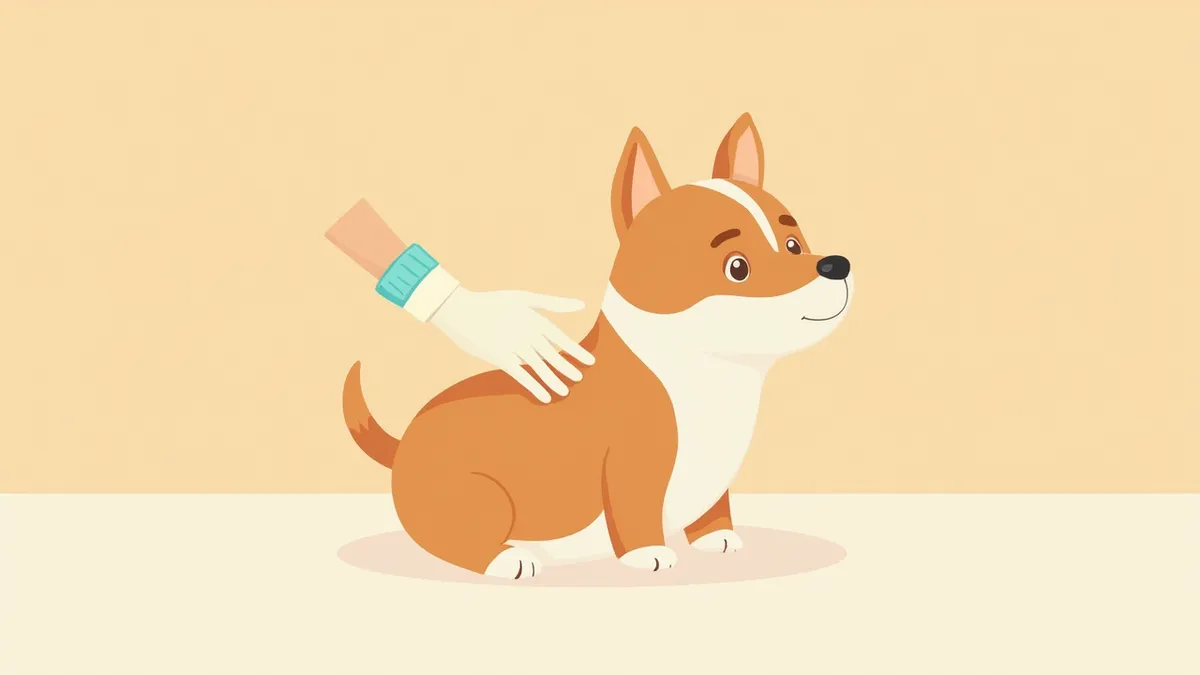
Lifting the skin on the back of a dog's neck to check its elasticity
Dehydration assessment is a quick physical exam method to determine how much fluid your dog or cat is lacking by checking skin elasticity and gum condition. Speed is the most important factor. The minimum level of dehydration detectable through physical examination is approximately 5% of body weight, at which point a slight decrease in skin elasticity begins to appear. As dehydration worsens, circulating blood volume decreases, placing greater strain on the kidneys and heart. Therefore, if your pet experiences diarrhea, vomiting, or loss of appetite, check for dehydration at home immediately and visit the clinic right away if necessary. The assessment takes only one minute.

Why It’s Important to Detect Dehydration Early

Dehydration is more than just a lack of water. According to veterinary internal medicine textbooks, a slight decrease in skin elasticity can be detected during physical examination when an animal loses about 5% of its body weight, which is the minimum threshold for clinically detecting dehydration. When dehydration progresses to 10–12%, circulating blood volume decreases significantly, potentially leading to signs of shock such as rapid pulse, weak pulse, and cold extremities. Especially when accompanied by diarrhea or vomiting, electrolytes are lost along with fluids, causing the condition to worsen more rapidly. Puppies, kittens, senior dogs, and pets with kidney disease can deteriorate rapidly within just a few hours, requiring prompt assessment.

How to Properly Perform the Skin Elasticity Test

The method is simple: gently pinch the skin on the back of the neck or between the shoulders with your thumb and forefinger, lift it slightly, and then release. Here’s how to interpret the results: - Normal: The skin snaps back to its original position immediately upon release. - Mild dehydration (approximately 5%): You’ll notice a slight decrease in elasticity. This is the earliest stage at which dehydration can be detected through physical examination. - Moderate dehydration (6–8%): The skin returns to place slowly, showing delayed recoil. - Severe dehydration (10–12%): The skin remains tented or returns very slowly. Please note that senior dogs and thin pets naturally have less skin elasticity, so it’s important to compare the result with their normal baseline.

Symptoms of Dehydration by Severity at a Glance

ItemMild (about 5%)Moderate (6–8%)Severe (10–12%)
Skin elasticity recoverySlightly reduced elasticityReturns slowly (delayed)Stands up like a tent
Gum conditionMoistSlightly dryVery dry, sticks to the finger
Gum color/CRTPink, normalPink to pale, may be delayedPale to gray, clearly prolonged
EyesNormalNormalSunken (third eyelid protruding)
BehaviorSimilar to usualLethargicCollapses or unresponsive
ResponseGive water and observeSee vet same dayGo to emergency room immediately

CRT is the time it takes for the mucous membrane on the inside of the lower lip to return to pink after being pressed with a finger with moderate pressure and released

Three Key Points for Checking Dehydration via Gum Condition
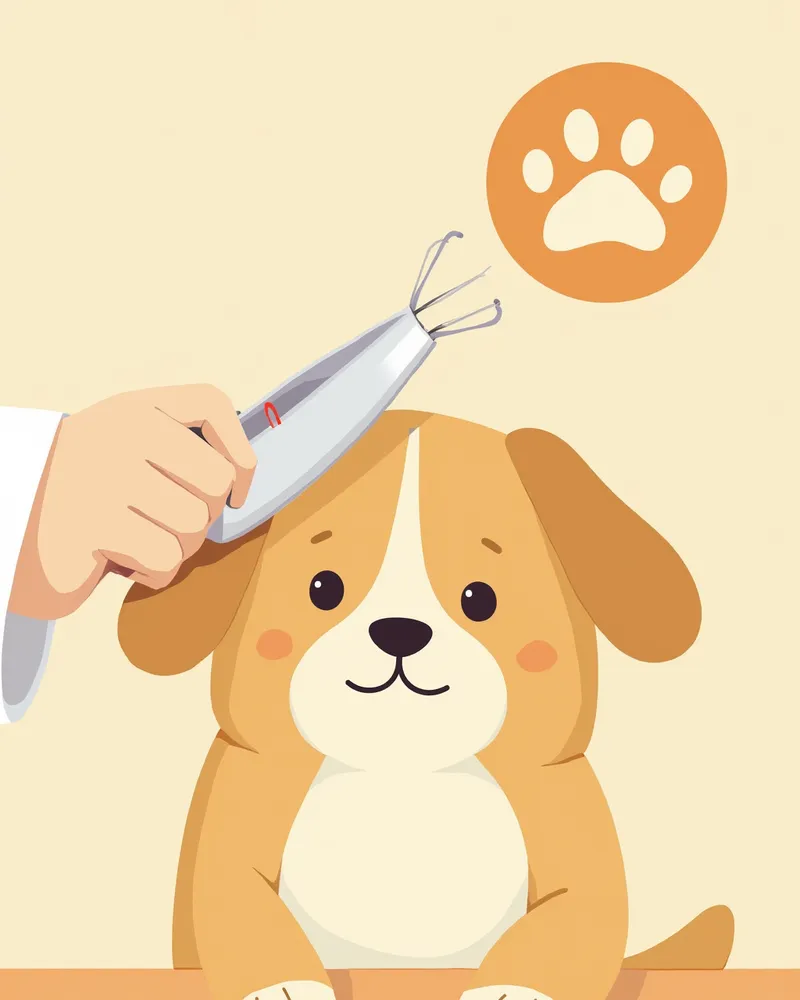
The gums (mucous membranes) are the most honest indicator of dehydration. Check these three things: - Moisture: When you touch the gums with your finger, they should feel moist. If they feel sticky or dry, it’s a sign of dehydration. When dehydration reaches 10–12%, the mucous membranes become so dry that your finger may stick to them. - Color: Healthy gums are light pink. If they appear pale, gray, or purple, it indicates poor circulation. - Capillary Refill Time (CRT): Gently press the inner mucous membrane of the lower lip with your finger until it turns white, then release and observe how long it takes for the pink color to return. If the color returns noticeably slower than usual, it signals worsening circulation and progressing dehydration. In severe dehydration at the 10–12% level, CRT is distinctly prolonged and may lead to shock.
Lifting your dog’s upper lip to check the color and moisture of the gums

When to Seek Immediate Emergency Care

If any of the following signs are present, seek immediate care at a 24-hour veterinary hospital without delay: - Gums appear gray or purple, or are extremely dry. - Skin does not return to its normal position when pinched (skin tenting). - Eyes appear sunken and response is sluggish. - Unable to drink water for more than 12 hours, with persistent vomiting. - Extremities feel cold to the touch, or the pulse is weak. At this stage, simple fluid therapy is insufficient, and intensive treatment is required.

Initial Home Care Steps
For mild dehydration, you can manage it at home by following these steps. First, provide fresh water at room temperature and allow your pet to drink freely. However, since drinking too much at once may cause vomiting, it’s better to offer small amounts using ice cubes or a spoon. If electrolyte replacement is needed, use a sugar-free, pet-specific oral rehydration solution (human sports drinks are not recommended due to their high sugar content). If your pet is not vomiting and remains alert, monitor their water intake over the next 1–2 hours. If there’s no improvement or if symptoms worsen, seek veterinary care immediately.
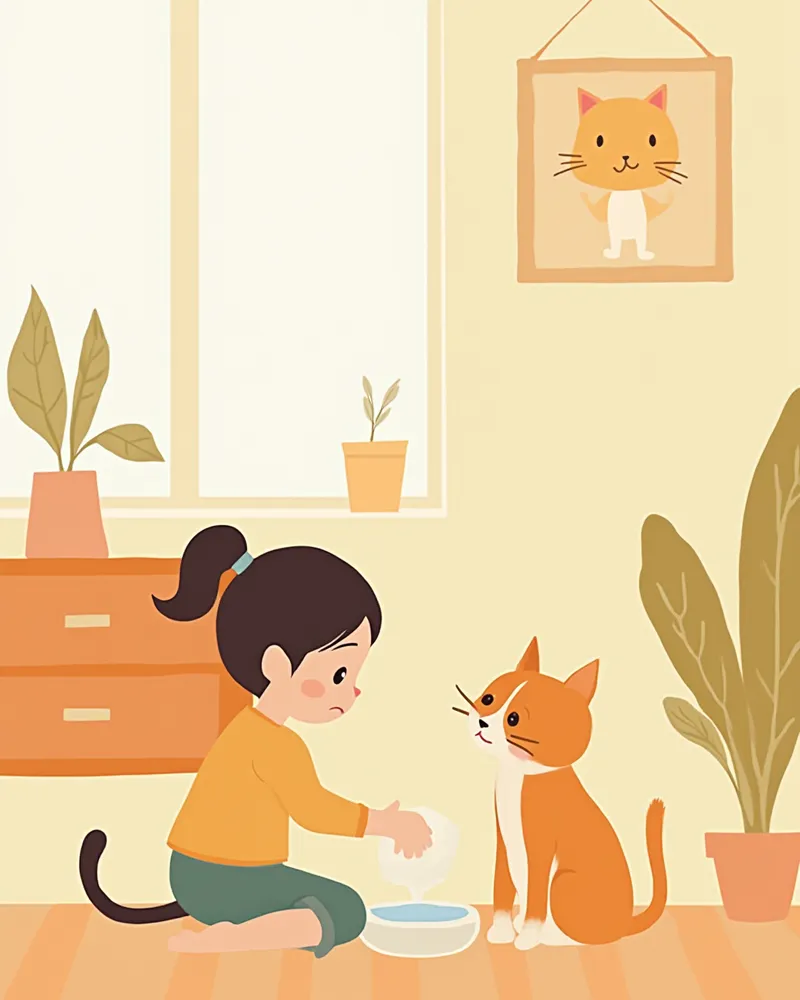
A pet owner offering a water bowl to their cat at home

What’s Different About Dehydration Assessment in Cats

Cats show signs of dehydration later than dogs, because they normally drink less water and have a weaker thirst response. You can check skin elasticity by gently pinching the skin between the shoulder blades, but in skinny or senior cats the skin may naturally sag, which can be misleading. Instead, pay closer attention to sticky gums and sunken eyes. If the litter box stays dry for more than two days, it likely means urine output has decreased, so suspect dehydration or a urinary tract issue and have your cat examined by a veterinarian.

Pets Who Need More Frequent Assessment

Puppies and kittens under four months old, seniors aged seven and above, pets with chronic kidney disease, diabetes, or heart conditions, and those with extensive outdoor activity on hot days are all at a significantly higher risk of dehydration. Once diarrhea or vomiting begins, check their skin elasticity and gum moisture every four to six hours. Keeping a photo or video record of their normal state is helpful for spotting abnormalities and provides valuable information for your veterinarian during consultations.

Reviewed by a veterinarian

Dr. Tony — Punnawat Phongkittirak

Dr. Tony — Punnawat Phongkittirak

Veterinarian

A veterinarian who majored in veterinary medicine at Khon Kaen University, Thailand, and completed the IVSA program at North Carolina State University in the United States. Drawing on clinical experience at animal hospitals, he works in the pet healthcare field and is dedicated to building a digital care environment that connects pet parents with veterinarians.

Frequently Asked Questions

Where should I pinch the skin when performing a skin elasticity test?
The skin at the back of the neck or between the shoulder blades is the most accurate area for assessment. The middle of the back naturally has less elasticity, which can lead to misinterpretation. Please pinch gently, just enough to lift the skin slightly.
How can you check the gums of a dog with black pigmentation?
In breeds with heavily pigmented gums, such as Chow Chows, it can be difficult to assess gum color. Instead, check the pink areas under the tongue, on the inner lower lip, or the conjunctiva of the eyes, and focus your evaluation on moisture levels and capillary refill time (CRT).
Can I give my pet human sports drinks?
We don't recommend it. The sugar and sodium levels are not suitable for pets and could worsen vomiting. You should use a pet-specific oral rehydration solution or a product prescribed by your veterinarian.
My pet threw up after I tried to force it to drink water. What should I do?
If your pet is experiencing repeated vomiting, offering fluids by mouth can actually worsen dehydration. Stop giving water and take them to the vet immediately for subcutaneous or intravenous fluid therapy, which is the safest approach.
How can I encourage my pet to drink more water on a daily basis to help prevent dehydration?
Place two to three water bowls around the house, and consider using a pet water fountain to encourage more drinking. Increasing the proportion of wet food in their diet or adding lukewarm water to their meals can also help boost hydration.

Share

Related Guides

References

[1] DiBartola, S.P. Fluid, Electrolyte, and Acid-Base Disorders in Small Animal Practice, 4th Ed, Chapter 3: Applied Physiology of Body Fluids

[2] Silverstein, D.C. & Hopper, K. Small Animal Critical Care Medicine, 2nd Ed, Chapter 60: Shock Fluids and Fluid Challenge

[3] Ettinger, S.J. Textbook of Veterinary Internal Medicine, 8th Ed, Chapter on Fluid Therapy

This information is based on veterinary literature and does not replace diagnosis or treatment. Please consult a veterinarian for specific health concerns.

Metapet Co., Ltd. | CEO: Park Sung-yong | Business Reg. No. 417-88-02562 | Seoul, South Korea | Customer Center

How to Check Dogs & Cats for Dehydration at Home | Meongsiljang