Like
Share
멍실장
고양이 간 비대(간종대) 자주 묻는 질문 Q&A — 보호자가 꼭 알아야 할 핵심

Frequently Asked Questions About Feline Hepatic Enlargement (Hepatomegaly) — Key Information for Pet Owners

Liver HealthQ&AMeongsiljang Veterinary Advisory Board

Early detection is crucial for feline hepatic enlargement. We’ve compiled the essential Q&A that pet owners should know about symptoms, causes, diagnosis, and treatment.

What Is Feline Hepatic Enlargement (Hepatomegaly)?
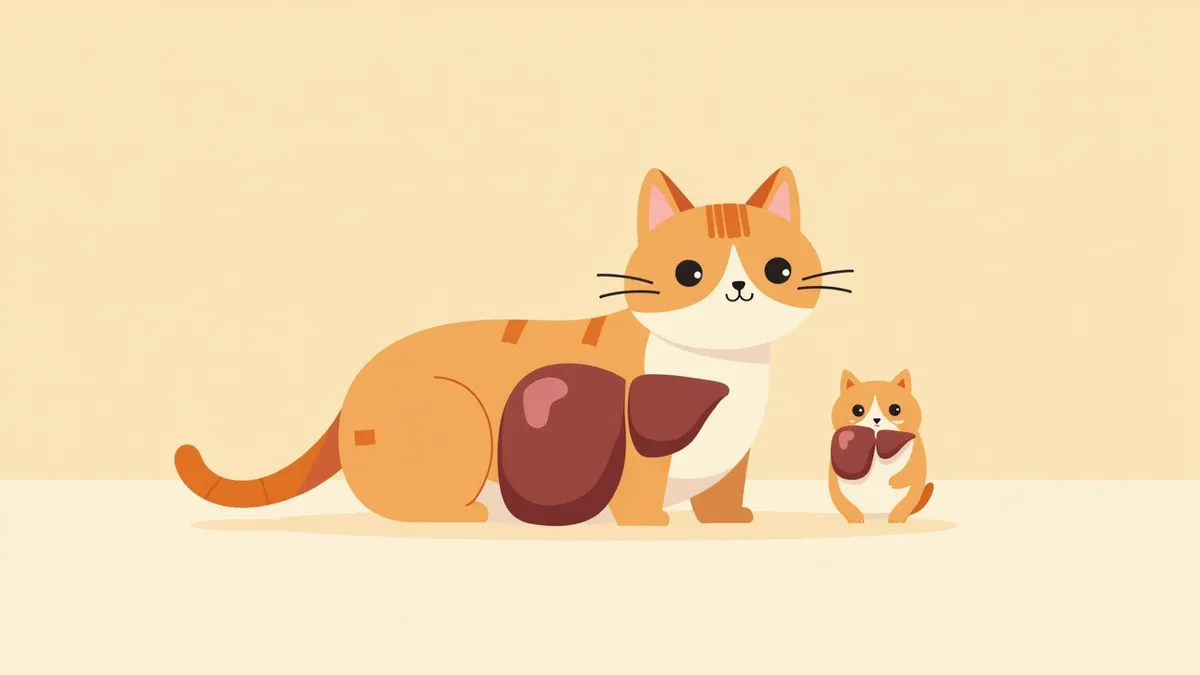
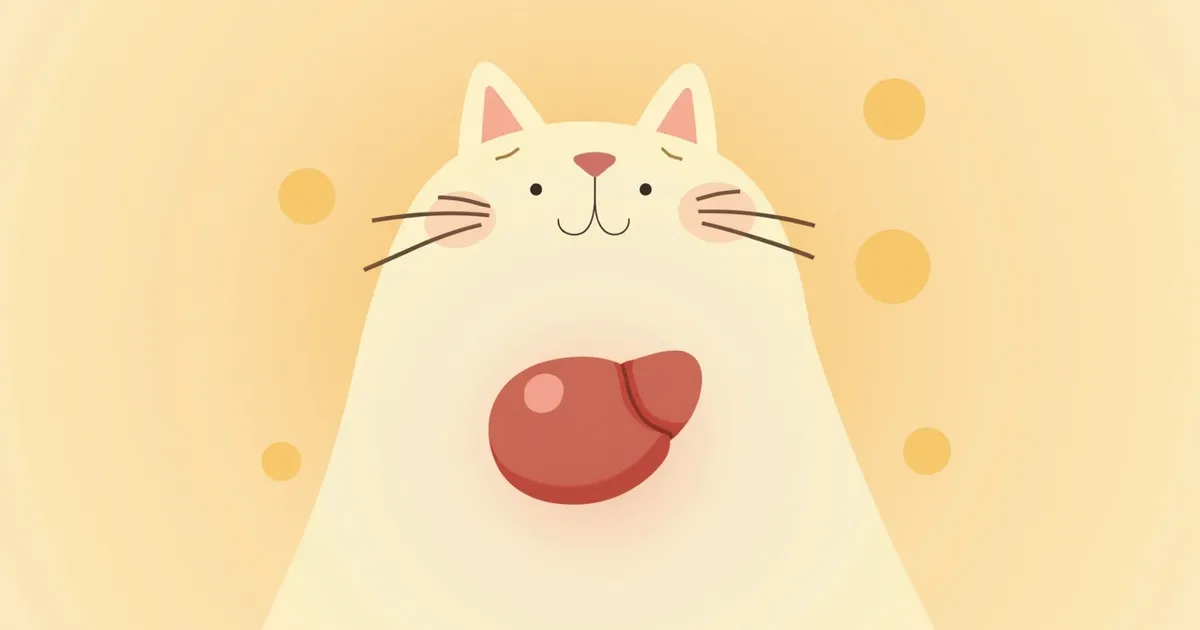
Illustration comparing a normal cat liver with an enlarged one
Hepatic enlargement (hepatomegaly) in cats refers to a condition where the liver is abnormally larger than normal. This can directly impact liver function, and early detection significantly improves treatment success rates. - Liver function: The liver plays essential roles in maintaining bodily functions, such as detoxification, producing digestive enzymes, and storing energy. - Causes of enlargement: Hepatitis, fatty liver disease, drug toxicity, infections, and tumors can all contribute to this condition. - Importance of early diagnosis: Symptoms can be subtle and easily overlooked by pet owners, making regular veterinary check-ups crucial. - Treatment approach: Treatment should be tailored to the underlying cause and managed under the guidance of a veterinarian. - Prognosis and management: With proper care, both lifespan and quality of life can be improved.

What Causes Feline Hepatic Enlargement?

Feline hepatic enlargement is typically the result of multiple contributing factors. - Hepatitis: Inflammation caused by viral or bacterial infections is a primary cause. - Fatty liver disease: Acute hepatic lipidosis can lead to rapid liver damage, often accompanied by a loss of appetite. - Drug toxicity: Human medications, such as acetaminophen, can cause fatal liver damage in cats. - Underlying conditions: Metabolic disorders, including diabetes mellitus and hyperthyroidism, can contribute to liver enlargement. - Stress and dietary imbalance: Chronic stress or nutritional deficiencies can place additional strain on the liver. - Preventive care: Maintaining a consistent feeding schedule and managing stress are essential for liver health.
A veterinarian examining a cat's abdomen.

What Are the Main Symptoms of Feline Hepatic Enlargement?

The early signs of feline hepatic enlargement can be subtle and easy for pet owners to miss. However, please watch closely for the following symptoms:
Loss of appetite: A sudden decrease in food intake.
Recurrent vomiting: Vomiting multiple times a day.
Increased fatigue: More lethargy and reduced activity than usual.
Jaundice: Yellowing of the eyes or lips.
Abdominal distension: A feeling of bloating or swelling in the abdomen.
If these symptoms persist, a veterinary visit is essential.
An illustration of a cat's eyes showing symptoms of jaundice.

Symptoms Requiring Immediate Veterinary Visit

If your cat suddenly collapses, experiences severe vomiting or diarrhea, has difficulty breathing, or shows decreased consciousness, you should take them to the vet immediately. This could indicate a rapid decline in liver function. If jaundice develops, it suggests severe liver damage, and you should seek veterinary care within 24 hours.

How Is It Diagnosed?
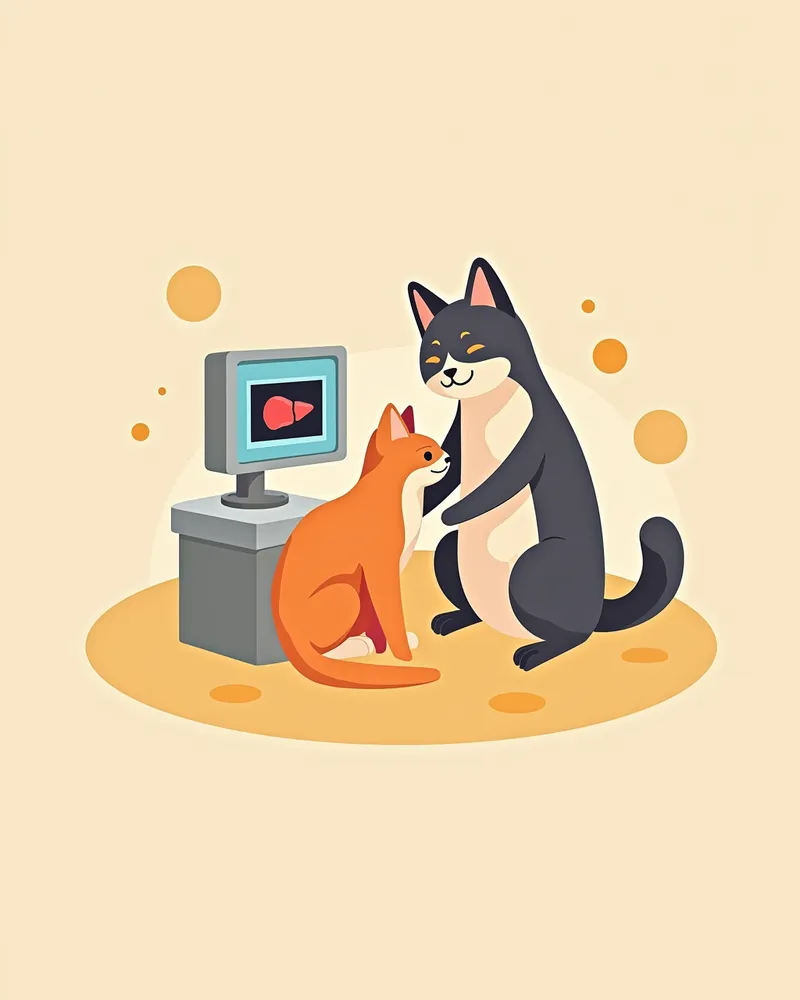
Feline hepatic enlargement is accurately diagnosed through a variety of tests. - Blood tests: Check liver enzyme levels (such as ALT, AST, and ALP) to assess whether there is any functional abnormality. - Abdominal ultrasound: Visually evaluate the size, shape, and structure of the liver to determine if enlargement is present. - Biopsy: If a suspicious lesion is detected, a tissue biopsy is performed to clearly identify the underlying cause. - Comprehensive evaluation: Diagnosis is made by thoroughly analyzing symptoms, test results, and medical history. - Regular monitoring: Early detection significantly improves treatment outcomes. - Importance of diagnosis: Early detection has a decisive impact on survival rates and the speed of recovery.
A veterinarian performing an abdominal ultrasound on a cat.

What Are the Treatment Options?

Treatment depends on the underlying cause of hepatomegaly. - Hepatitis treatment: Antibiotics or immunosuppressants are used to reduce inflammation. - Fatty liver management: Nutritional support and fluid therapy help restore liver function and stimulate appetite. - Medication discontinuation: If drug toxicity is the cause, the offending medication is stopped immediately and alternative treatment is initiated. - Underlying disease management: Conditions such as diabetes and thyroid disorders must be controlled to address the root cause. - Tailored treatment plan: Your veterinarian will develop a treatment plan based on your pet’s specific condition. - Ongoing care: Regular check-ups and continued medication are necessary even after treatment.
Administering an intravenous injection to a cat

Comparison of Symptoms and Treatments by Cause of Hepatic Enlargement

ItemMain SymptomsTreatment MethodPrognosis
Hepatic LipidosisPoor appetite, vomiting, jaundiceNutritional supplementation, fluid therapy, electrolyte correctionGood (with early treatment)
HepatitisFatigue, abdominal pain, jaundiceAntibiotics, immunosuppressantsMedium
Drug ToxicityVomiting, diarrhea, reduced consciousnessDiscontinue the drug, detoxification treatmentGood (upon early detection)
TumorAbdominal distension, weight loss, lethargySurgery, chemotherapyPoor

The prognosis is closely related to early diagnosis and the timing of treatment.

Home Care Management Methods
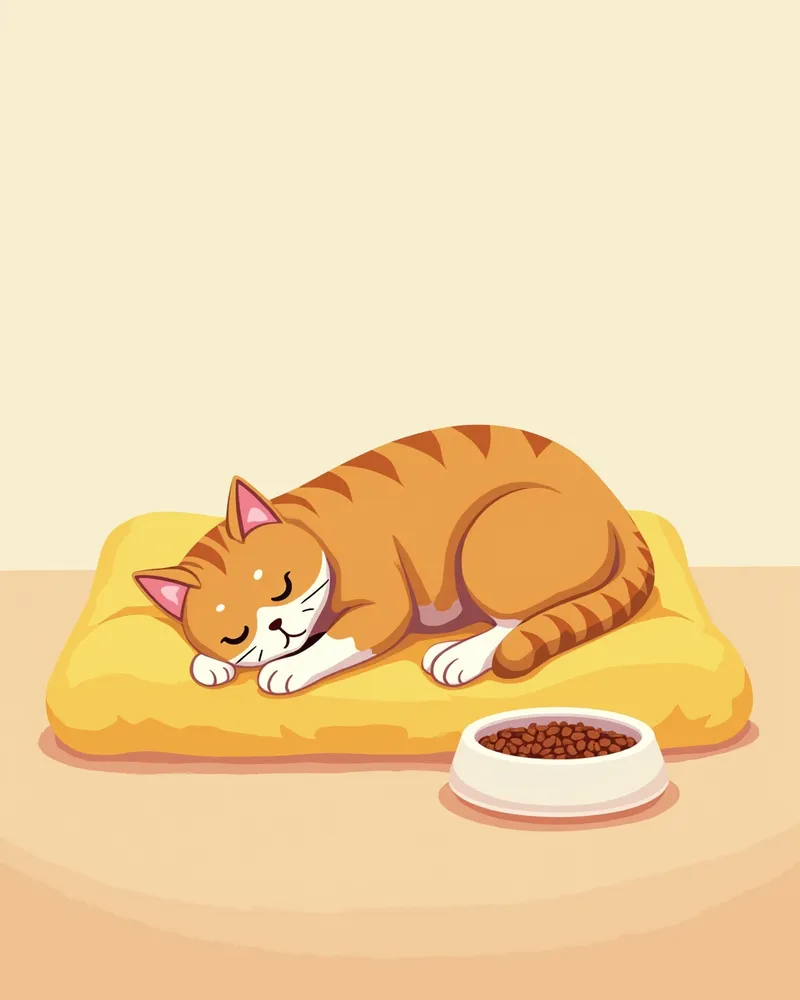
Home care is key to successful treatment for cats with hepatic enlargement. - Consistent medication: Administer medications exactly as prescribed by your veterinarian, adhering strictly to the correct timing and dosage. - Balanced nutrition: Provide a high-quality diet formulated to minimize stress on the liver. - Consistent feeding schedule: Feed at the same times every day to reduce stress. - Stable environment: Offer a quiet space and prevent conflicts with other animals. - Regular check-ups: Monitor your cat’s condition through blood tests and ultrasound examinations. - Owner vigilance: It is crucial to promptly notice any changes and maintain open communication with your veterinarian.
A cat resting comfortably in a calm, secure environment

Precautions: Contraindications and Common Mistakes

Never give your cat human medications, such as acetaminophen, as they can cause severe liver damage. Additionally, avoid abruptly changing your cat’s food or offering excessive treats. Do not stop or alter any prescribed medications without your veterinarian’s guidance.

Reviewed by a veterinarian

Dr. Tony — Punnawat Phongkittirak

Dr. Tony — Punnawat Phongkittirak

Veterinarian

A veterinarian who majored in veterinary medicine at Khon Kaen University, Thailand, and completed the IVSA program at North Carolina State University in the United States. Drawing on clinical experience at animal hospitals, he works in the pet healthcare field and is dedicated to building a digital care environment that connects pet parents with veterinarians.

Frequently Asked Questions

Can feline hepatic enlargement be cured?
It depends on the underlying cause. Conditions like fatty liver disease or drug-induced toxicity can often be fully cured if treated early. However, for tumors or chronic liver disease, the focus is more on long-term management rather than a complete cure.
Is liver enlargement common in cats?
Hepatic enlargement can accompany various liver diseases, such as fatty liver disease, hepatitis, and tumors. It is particularly well-known in obese cats, which are prone to developing fatty liver disease due to a negative energy balance caused by decreased appetite. However, the exact incidence varies depending on the individual and underlying conditions, making regular check-ups essential.
Is there a genetic component to hepatic enlargement?
Certain liver-related conditions are more commonly reported in specific breeds or male cats. However, no clear genetic pattern has been established, and in most cases, environmental and lifestyle factors such as diet, obesity, and stress are the primary causes.
Is it possible to prevent liver enlargement?
Yes, a balanced diet, regular check-ups, stress management, and obesity prevention are all important. In particular, it’s essential to consistently monitor your cat’s eating habits and weight.
Should I change my pet’s food if they develop hepatomegaly?
It is advisable to switch to a liver-specific diet recommended by your veterinarian. Regular pet food can place undue stress on the liver, so it is essential to follow professional guidance.

Share

Related Guides

References

[1] Feline Emergency and Critical Care Medicine, 2nd Ed. (2018). Chapter 8: Hepatic Disorders in Cats.

[2] The Cat, Clinical Medicine and Management, 2nd Edition. (2021). Section on Hepatobiliary Diseases.

[3] Plumb's Veterinary Drug Handbook, 9th Edition. (2022). Hepatotoxicity and liver function monitoring.

This information is based on veterinary literature and does not replace diagnosis or treatment. Please consult a veterinarian for specific health concerns.

Metapet Co., Ltd. | CEO: Park Sung-yong | Business Reg. No. 417-88-02562 | Seoul, South Korea | Customer Center

Feline Hepatomegaly (Enlarged Liver): 5 Key Questions | Meongsiljang