

Cruciate Ligament Rupture in Dogs: Symptoms and Rehabilitation Guide
Cruciate ligament rupture in dogs is a leading cause of hindlimb lameness. Based on veterinary textbooks, we’ve compiled information on symptoms, surgical options, and step-by-step rehabilitation methods.
Cruciate Ligament Rupture in Dogs: Surgery and Rehabilitation Are Key

Suspect Cruciate Ligament Rupture If You See These Symptoms
Which Dogs Are Most Prone?
What Are the Surgical Options?
| Surgical Method | Principle | Suitable Candidates | Key Features |
|---|---|---|---|
| Extracapsular Suture Stabilization | Stabilizes the joint externally using artificial sutures | Small-breed dogs | Relatively simple and quick procedure |
| Tibial Plateau Leveling Osteotomy (TPLO) | Alters the slope of the proximal tibia | Medium- and large-breed dogs | Commonly used to stabilize knees in medium- and large-breed dogs |
| Tibial Tuberosity Advancement (TTA) | Cuts and shifts the front part of the tibia forward to achieve stabilization | Medium- and large-breed dogs | A surgical procedure that advances and secures the anterior tibial segment forward |
A Closer Look at the Features of Each Surgical Method

Why You Should Not Delay Surgery
If a cruciate ligament tear is suspected, continuing strenuous exercise or walks can lead to additional damage to the meniscus (knee cartilage). Once the meniscus is also injured, surgery becomes more complex and the recovery period longer. Furthermore, without treatment, the condition can rapidly progress to degenerative arthritis. If your pet’s hind leg limping persists for more than two to three days, please seek a veterinary diagnosis promptly.
Post-Operative Rehabilitation: A Step-by-Step Guide

Home Rehabilitation Care Tips

Visit the Hospital Immediately If You See These Symptoms During Rehabilitation
During the recovery period, if the surgical site suddenly becomes severely swollen, discharges fluid, emits an odor, or if your pet is completely unable to bear weight on the leg again, please visit the hospital where the surgery was performed immediately. These symptoms may indicate an infection or a complication at the surgical site. Additionally, since a rupture can also occur in the opposite hind leg, carefully monitor for any limping in that leg as well.
Reviewed by a veterinarian

Dr. Tony — Punnawat Phongkittirak
VeterinarianA veterinarian who majored in veterinary medicine at Khon Kaen University, Thailand, and completed the IVSA program at North Carolina State University in the United States. Drawing on clinical experience at animal hospitals, he works in the pet healthcare field and is dedicated to building a digital care environment that connects pet parents with veterinarians.
Reviewed 2026-04-13
Frequently Asked Questions
Can a torn cruciate ligament be treated without surgery?
How long does it take to fully recover after surgery?
Can the other leg also suffer a rupture?
How much does the surgery cost?
Does swimming really help during rehabilitation?
Share
Related Guides
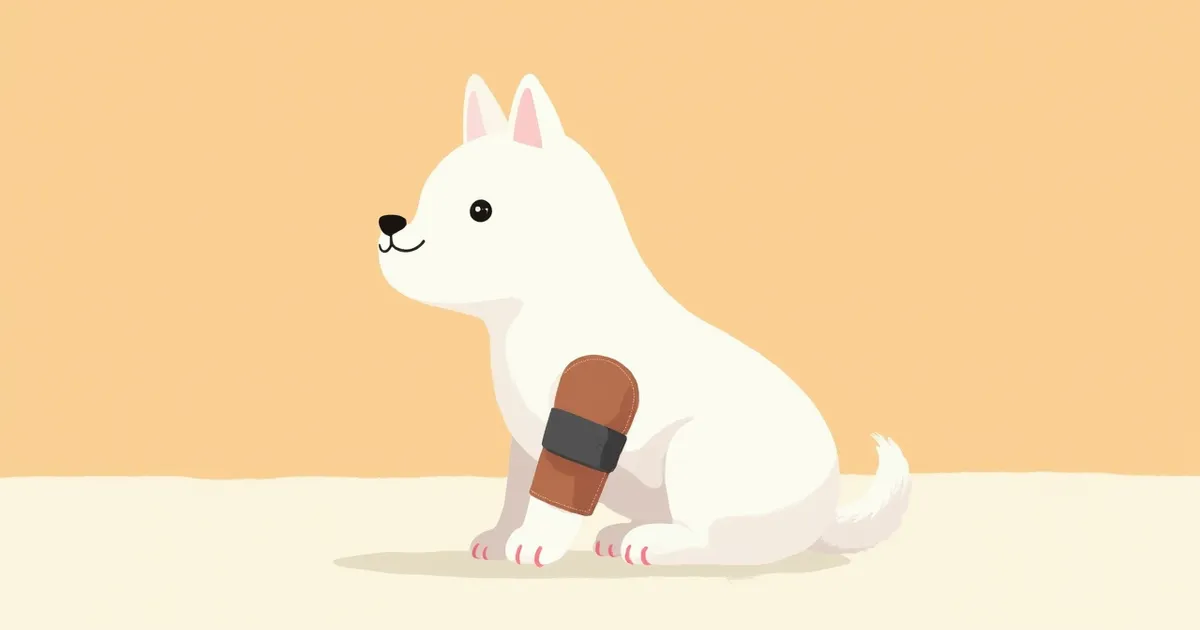
Top 5 Patellar Support Braces for Dogs — Stage-by-Stage Size Guide

Curcumin Efficacy and Anti-inflammatory/Joint Support

Top 5 Recommended Joint Supplements for Dogs in 2026

What is Canine Infectious Hepatitis? — Key Q&A from Symptoms to Vaccine Prevention

Dog Liver Ultrasound: When and Why — Q&A from Exam to Result Interpretation

What to Feed Your Dog with Poor Liver Function — Key Q&A on Liver-Support Diets

Complete Guide to Prognostic Indicators for Canine Liver Disease — From Test Values to Recovery Signs

What is Canine Cirrhosis and Hepatic Fibrosis? — Can It Be Reversed? Key Progression and Management

Why Are Your Dog’s Liver Enzymes Elevated? — Differentiating Causes of ALT and ALP Elevation and Additional Testing Q&A

Complete Guide to Canine Bile Acids Test: Why It’s Done and How to Interpret Results
References
[1] Textbook of Veterinary Orthopaedic Surgery — Chapter 13: Cranial Cruciate Ligament Disease
[2] 100 Top Consultations in Small Animal General Practice — Chapter 49: Cranial Cruciate Ligament Insufficiency (Martin Owen)
[3] The Dog Care Handbook: Things I Wish My Vet Had Told Me — Cruciate Ligament Injuries
[4] Small Animal Surgery, 5th Ed (Tobias & Johnston) — Chapter 33: Diseases of the Stifle Joint