Like
Share
멍실장
처음 강아지 키우기 준비 체크리스트

Checklist for Preparing to Raise Your First Puppy

ImmunityQ&AMeongsiljang Veterinary Advisory Board

This guide helps first-time dog owners prepare for bringing home a new puppy. It covers essential supplies, safety checks, vaccinations, food selection, and socialization training—a checklist of must-knows before adoption.

Preparing for Your First Puppy: What Do You Need?
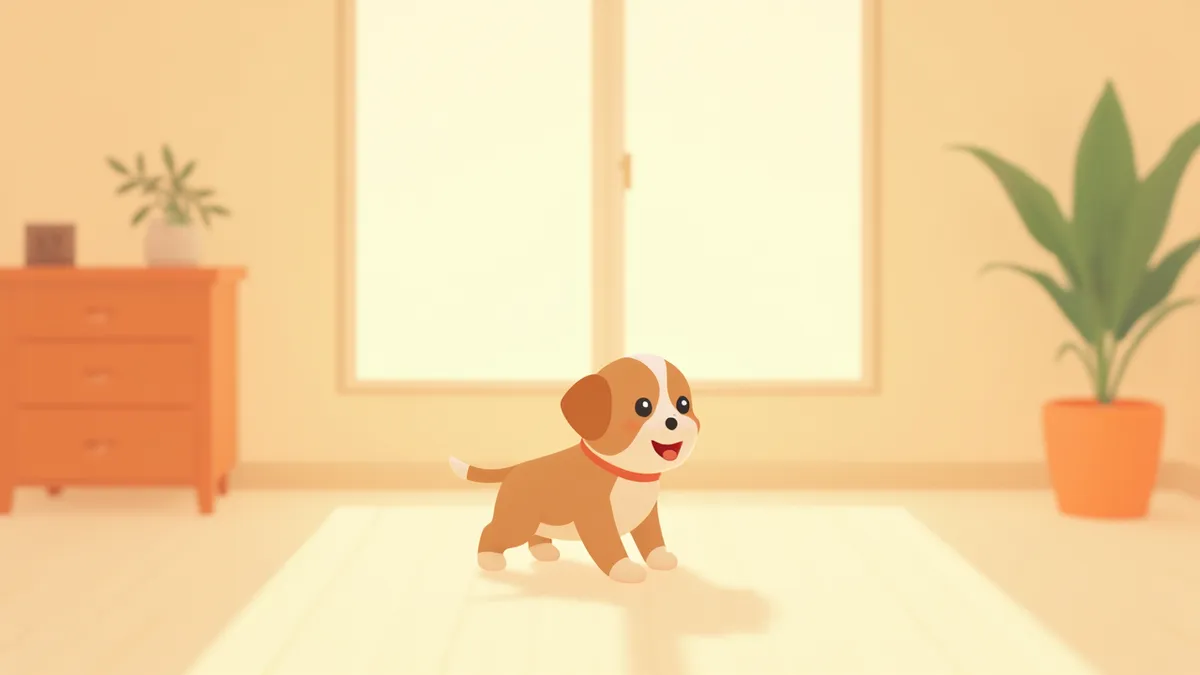
A curious puppy exploring a bright living room for the first time
The key to preparing for dog ownership lies in three essentials: creating a safe living environment, gathering necessary supplies, and establishing a health care plan. By focusing on these three areas, both you and your new puppy can start your life together more comfortably. It’s natural to feel overwhelmed about where to begin, but don’t worry. We’ve organized everything step by step, from pre-adoption home checks and your first vet visit to choosing the right food and starting socialization training. Just follow along one step at a time.

Things to Check Before Adoption

Before bringing a puppy home, there are a few things you should check first.
Daily Routine: Make sure you can walk your dog and manage its bathroom needs at least two to three times a day. If your work schedule is irregular, it’s a good idea to look into pet care services in advance.
Costs: There will be monthly fixed expenses for food, treats, vaccinations, regular check-ups, and grooming. You should also be prepared for unexpected costs related to sudden illnesses or surgeries.
Family Agreement: Ensure that everyone living in the household agrees to having a dog, and check if anyone has allergies. A dog will impact the lifestyle of the entire family.

Essential Supplies Checklist

Before bringing your puppy home, make sure you have these essentials ready.
Food and Bowls: Choose puppy-specific food appropriate for your dog’s age, along with non-slip bowls.
Potty Pads: Essential for indoor potty training—stock up generously.
Kennel (Travel Crate): Provides a safe space for travel and sleep.
Leash and Harness: Necessary for walks. Consult your veterinarian to determine whether a collar or harness best suits your puppy’s body type and temperament.
Toys: Two or three toys are sufficient, such as tug toys and nose-work items.
Grooming Supplies: Keep puppy-specific shampoo, nail clippers, and ear cleaner on hand.
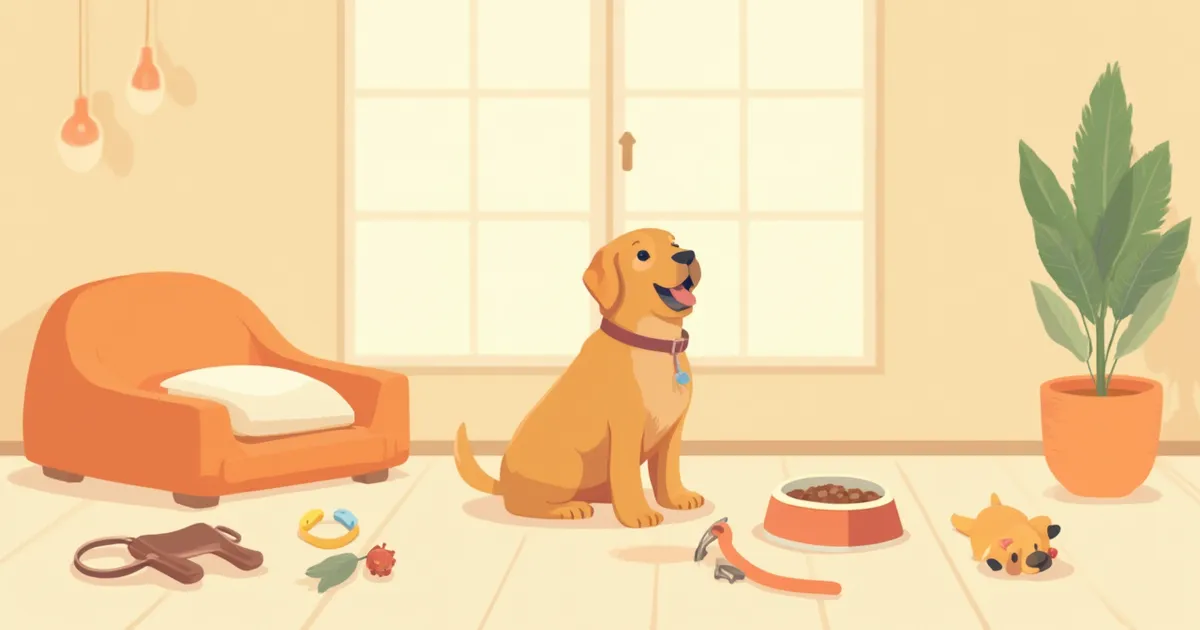
Essential dog supplies neatly arranged on the floor

Remove Household Hazards Before Adoption

Puppies are curious and may chew on or swallow anything they find on the floor. Cover electrical cords, and store foods known to be harmful to dogs—such as chocolate, grapes, and products containing xylitol—out of their reach. Keep detergents, medications, and other chemical products in locked containers or cabinets. Small objects like buttons and hairpins can also pose a choking or ingestion hazard. The most effective approach is to get down to your puppy’s eye level and scan the floor before bringing them home. For a detailed list of foods and substances that are dangerous to dogs, be sure to consult your veterinarian.

First Veterinary Visit and Vaccinations
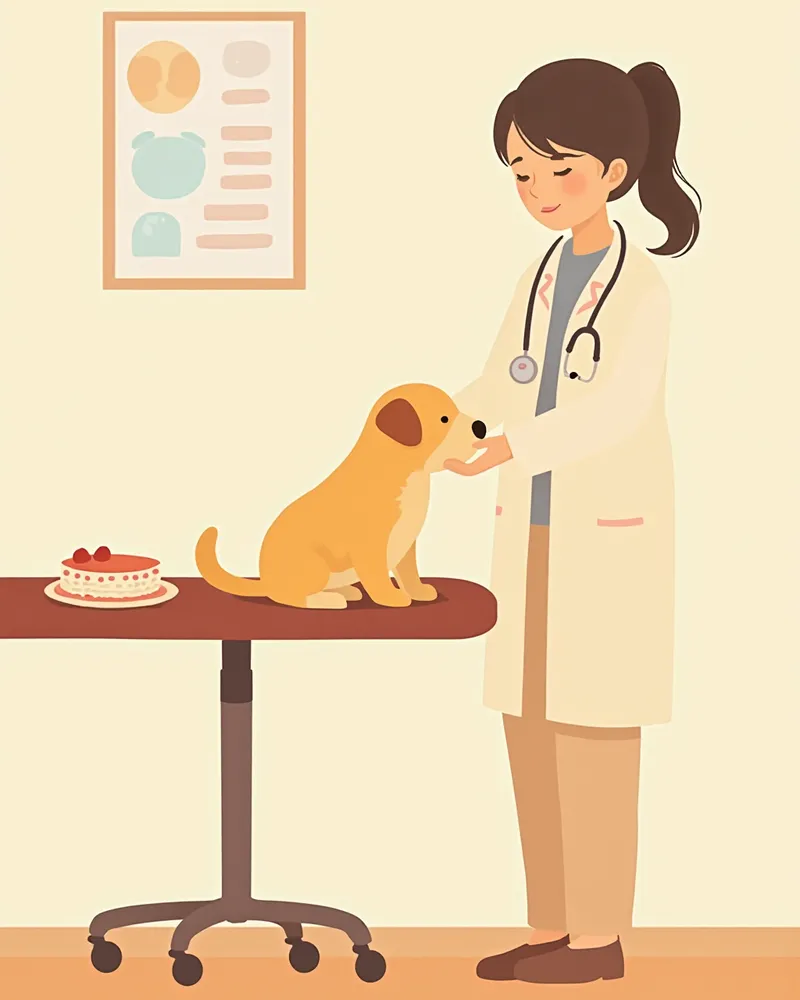
The very first thing you should do after bringing your puppy home is visit a veterinary clinic. It’s best to schedule an initial health check-up as soon as possible after adoption. During the first visit, the vet will perform a basic physical exam, conduct a fecal test, and check the skin, eyes, and ears. The veterinarian will also review any previous vaccination or treatment records, so it’s helpful to bring vaccination certificates or microchip information if you have them. If there’s no vaccination history or if additional shots are needed, the vet will set up a vaccination schedule.
Vaccinations: Vaccines are typically started in early life and administered in multiple doses, usually spaced 2–3 weeks apart. The timing for starting vaccinations varies depending on the type of vaccine, with some beginning around 12 weeks of age. For the safest approach, consult your veterinarian to determine the exact types of vaccines, the appropriate start time, and the full schedule tailored to your puppy.
Parasite Prevention: Begin parasite prevention for both internal and external parasites in consultation with your veterinarian. It’s important to consistently manage parasite prevention programs, including protection against heartworm, according to the schedule recommended by your vet.
A puppy receiving a health checkup from a veterinarian at an animal hospital.

Food Selection and Feeding Methods

Choosing the right food is crucial when you’re raising a puppy for the first time.
Age-appropriate food: Feed puppy-specific food until your dog reaches 12 months of age. It contains higher levels of protein and calcium to support growth.
Feeding frequency: Puppies have a much higher energy requirement relative to their body weight compared to adult dogs, and their digestive systems are still immature, so it’s best to divide meals into several feedings per day. The optimal number of daily feedings and portion size should be determined in consultation with your veterinarian, taking into account your puppy’s age, weight, and health status.
Treats in moderation: Use treats only as rewards during training and keep portions small. Since the priority at first is helping your puppy adjust to their main food, we recommend consulting your veterinarian to determine the appropriate types and amounts of treats.

Socialization and Basic Training

A puppy’s socialization period lasts from 3 to 14 weeks of age. Exposing your puppy to a variety of people, sounds, and environments during this window helps them develop a stable temperament as an adult dog.
Housebreaking: This is the first training you should start. Guide your puppy to a pee pad right after meals and immediately after waking from a nap, and praise them right away when they succeed.
Basic Commands: Start with three commands: “Sit,” “Stay,” and “Come.” Use short, consistent words and reward with treats, and your puppy will learn quickly.
Leash Walking: Begin short walks once your puppy has completed their vaccinations. Start with 5 to 10 minutes at a time, gradually increasing the duration.
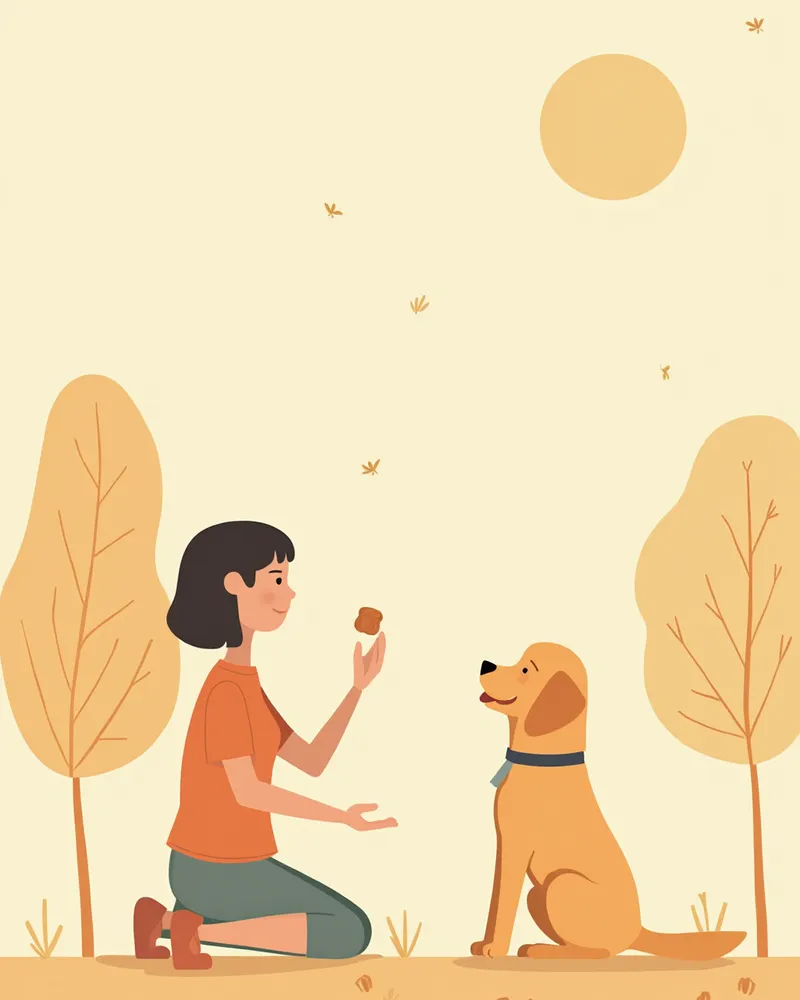
A puppy sitting with its owner in the park, undergoing training.

First Week Adjustment Guide

It takes time for a puppy to adjust to a new home. The first week is especially important, and the key is to help them feel secure.
Day 1: Set up a quiet space with a crate, potty pads, and a water bowl. Avoid letting too many family members handle the puppy at once, as this can cause stress.
Days 2–3: Feed at set times and show the puppy where the potty pads are. Build a bond by calling their name frequently.
Days 4–7: You can start simple play sessions and basic training. Establishing a daily routine will help the puppy settle in much faster.

Preparation Varies by Breed

Care and health management can vary depending on the breed. Each breed has unique genetic traits, which means there are specific health conditions and care points to be mindful of. Brachycephalic breeds with distinctive skull and facial structures (such as Bulldogs and Pugs), small-breed dogs, and large-breed dogs each have their own physical characteristics and require tailored care. Learning about a breed’s health traits and genetic conditions before adoption can greatly aid in prevention and early detection. Be sure to ask your veterinarian for specific precautions related to your dog’s breed.

Reviewed by a veterinarian

Dr. Tony — Punnawat Phongkittirak

Dr. Tony — Punnawat Phongkittirak

Veterinarian

A veterinarian who majored in veterinary medicine at Khon Kaen University, Thailand, and completed the IVSA program at North Carolina State University in the United States. Drawing on clinical experience at animal hospitals, he works in the pet healthcare field and is dedicated to building a digital care environment that connects pet parents with veterinarians.

Frequently Asked Questions

I’m getting my first puppy—what breed do you recommend?
If it’s your first time getting a dog, we recommend choosing a breed known for its gentle temperament and ease of training. Breeds like the Maltese, Poodle, Bichon Frise, and Golden Retriever tend to be a great fit for first-time owners. That said, individual personality matters just as much as breed, so be sure to spend plenty of time with the dog before adopting.
Is it okay to leave my dog home alone?
Puppies can become stressed if left alone for long periods. When you’re away, keep them in a crate or a safe space and leave some toys behind to help them cope. The appropriate amount of time a puppy can be left alone varies depending on their age, personality, and level of adaptation, so it’s best to consult with a veterinarian or a trainer for specific guidance.
Can I walk my pet before vaccination?
Until your puppy has completed all vaccinations, it’s risky to let them interact with other dogs or walk on grass, as they could contract infectious diseases. For now, it’s safest to carry them outside for a change of scenery or take them to clean, controlled environments for short visits.
My puppy keeps crying at night. What should I do?
Your pet is feeling anxious as it adjusts to the new environment. Placing the kennel next to your bed and including a piece of clothing you’ve worn can help it feel more secure due to your scent. However, responding every time it whines may reinforce the behavior, so briefly reassure it and then wait quietly.
Is pet insurance really necessary for dogs?
While not mandatory, we highly recommend it. Enrolling your puppy in pet insurance early on keeps premiums lower and helps you prepare for unexpected surgery or hospitalization costs. Be sure to carefully compare coverage details and exclusions before making your choice.

Share

Related Guides

References

[1] Landsberg, G. M. et al., Veterinary Guide to Preventing Behavior Problems in Dogs and Cats, Blackwell Publishing, 2003

[2] Horwitz, D. F. & Mills, D. S., BSAVA Manual of Canine and Feline Behavioural Medicine, 2nd ed., BSAVA, 2009

[3] Day, M. J. et al., WSAVA Guidelines for the Vaccination of Dogs and Cats, Journal of Small Animal Practice, 2016

[4] Overall, K. L., Manual of Clinical Behavioral Medicine for Dogs and Cats, Elsevier, 2013

This information is based on veterinary literature and does not replace diagnosis or treatment. Please consult a veterinarian for specific health concerns.

Metapet Co., Ltd. | CEO: Park Sung-yong | Business Reg. No. 417-88-02562 | Seoul, South Korea | Customer Center

Puppy Care Checklist: What You Must Know Before Adopting | Meongsiljang