

What is AI imaging diagnostics? — Key points on whether it can be used for your pet’s exam
AI imaging diagnostics is a supportive technology that uses artificial intelligence to analyze X-rays, CT scans, and other imaging data to predict the likelihood of disease. We’ve outlined its useful applications and limitations for pet owners to keep in mind.
What is AI imaging diagnostics?

Which imaging tests is it used for?
Comparison of AI utilization by imaging test
| Item | X-ray | CT | Ultrasound |
|---|---|---|---|
| AI utilization | High | Moderate | Low |
| Main applications | Automated analysis of chest and skeleton | Evaluation of intrathoracic structures and tumor volume | Some cardiac measurements |
| Reduced examination time | True | True | False |
| Veterinarian interpretation required | True | True | True |
A summary of adoption cases at domestic animal hospitals as of 2025. For evaluating disc and spinal cord lesions, MRI is superior to CT.
How accurate is AI diagnostics?
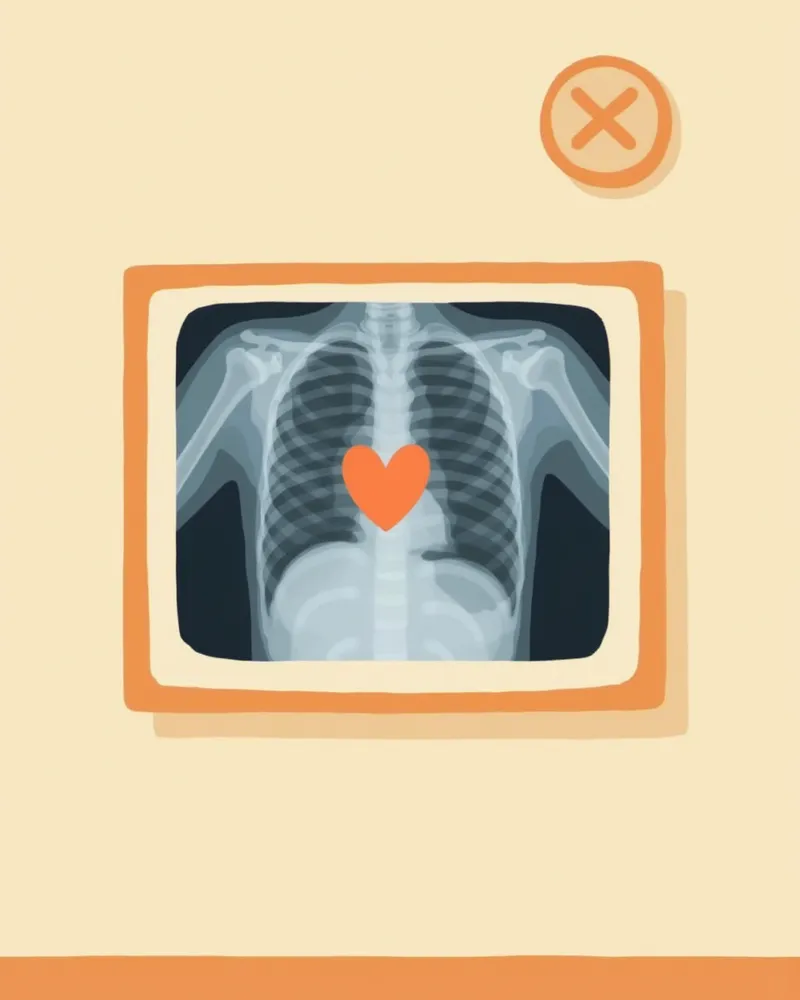
Why you shouldn’t rely solely on AI results
The AI-assisted diagnostic result falls into the "suspicious" category. Even with similar imaging findings, tumors, inflammation, and normal variations can appear quite alike. If your pet shows clinical symptoms, further testing is necessary even if the AI flags the result as "normal." Conversely, an "AI suspicion" alert does not necessarily indicate a serious condition. Please rely more on your veterinarian’s explanation than on the results screen alone.
Points for pet owners to keep in mind
How are costs and insurance coverage handled?
Can cats also receive AI imaging diagnostics?
Reviewed by a veterinarian

Dr. Tony — Punnawat Phongkittirak
VeterinarianA veterinarian who majored in veterinary medicine at Khon Kaen University, Thailand, and completed the IVSA program at North Carolina State University in the United States. Drawing on clinical experience at animal hospitals, he works in the pet healthcare field and is dedicated to building a digital care environment that connects pet parents with veterinarians.
Reviewed 2026-04-29
Frequently Asked Questions
Is AI diagnosis more accurate than a veterinarian?
The AI said it was “normal,” but my pet is showing symptoms. Do we need additional tests?
Which veterinary clinics offer AI-powered video diagnostics?
Can pet owners receive the AI analysis report?
Can I make a surgical decision right away based on the AI diagnosis results?
Share
Related Guides

Primary vs. Secondary Veterinary Hospitals: A Comparison

5 Easy-to-Raise Cat Breeds for First-Time Owners — Grooming Difficulty Comparison

Top 7 Short-Legged Dog Breeds

Guide to Traveling with Pets on KTX and Trains

How to Check Lymph Nodes at Home

Recognizing End-of-Life Signs in Cats

Cat Litter Box Frequency and Normal Patterns: How Many Times a Day Is Normal?

Cat Meal Times and Frequency: How Many Times a Day Is Right?
The Complete Guide to Toceranib (Palladia) for Dogs

Dog Anal Sac Disease and How to Express Them
References
[1] Advanced Monitoring for Small Animal Emergency and Critical Care, 2nd Ed
[2] Notes on Canine Internal Medicine, 4th Ed
[3] BSAVA Manual of Canine and Feline Clinical Pathology, 3rd Ed