Like
Share
멍실장
강아지 카밍 시그널 16가지 — 우리 아이가 보내는 신호 읽는 법

16 Canine Calming Signals — How to Read the Cues Your Dog Is Sending

Brain & CognitionQ&AMeongsiljang Veterinary Advisory Board

Calming signals are body language cues dogs use to ease stress and discomfort. We’ve compiled 16 key signals—such as yawning, lip-licking, and looking away—complete with photos for easy reference.

What Are Calming Signals?
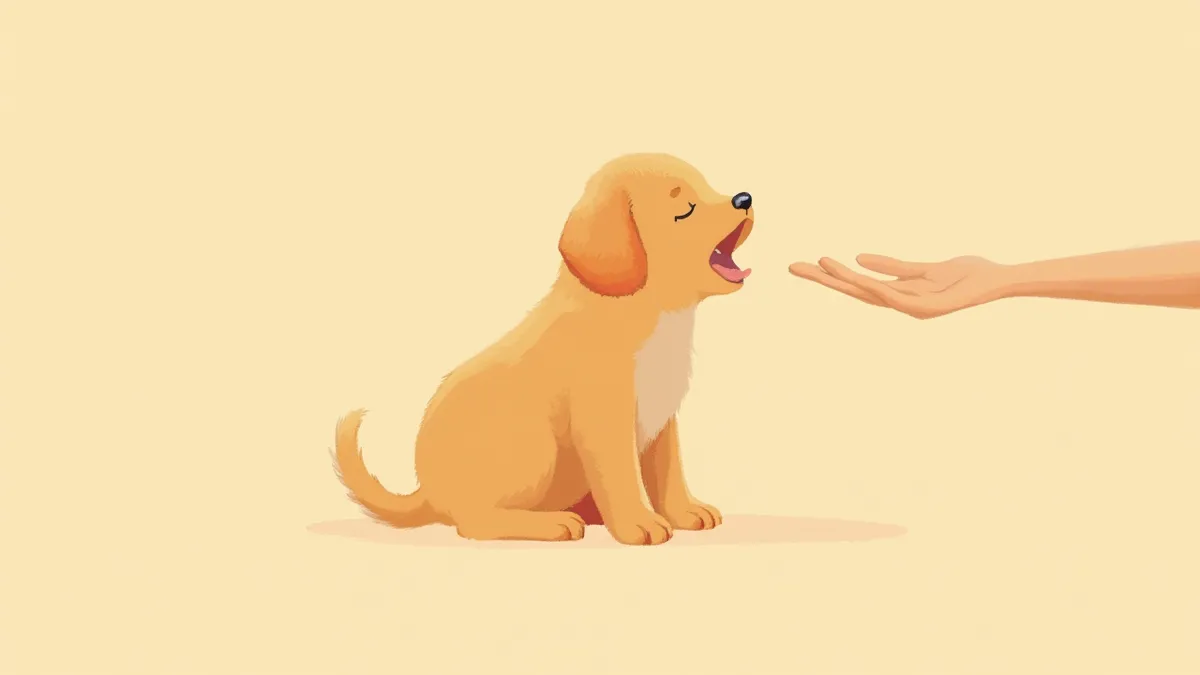
A yawning Golden Retriever puppy
Canine calming signals are peaceful body language cues dogs use to soothe both themselves and others in situations of anxiety, tension, or stress. The most crucial part is noticing them before they’re missed. When signals like yawning, lip-licking, or looking away repeat, it means the current situation has already become overwhelming for your dog. This concept, originally outlined by Norwegian behaviorist Turid Rugaas, is now included in veterinary behavior textbooks.

Why Should You Know Them?

Calming signals are the language dogs use instead of words. If owners fail to recognize these signals, a dog may progress to growling or biting only after having silently said “please stop” multiple times. Whether encountering another dog on a walk, being petted, or greeting unfamiliar visitors, noticing and responding to your dog’s subtle signals early can help de-escalate the situation before behaviors worsen. Veterinary behavior textbooks emphasize the importance of intervening at this initial signal stage, before fear and anxiety escalate.

16 Canine Calming Signals at a Glance

Here are 16 key signs compiled by Dr. Luga. These signs may appear one at a time or overlap with each other. Please refer to the table below to understand the meaning of each sign and the common situations in which they occur.

Meanings and Situations of the 16 Calming Signals

ItemCommon Situations
1. YawningTension/boredom/conflict avoidance
2. Lip licking (tongue flick)When feeling discomfort or pressure
3. Looking away/avoiding eye contactWhen trying to calm the other party
4. Turning the headWhen direct eye contact feels overwhelming
5. Turning the backStrong refusal/conflict avoidance
6. Moving slowlyWhen trying not to provoke the other party
7. Sniffing (nosing the ground)Awkwardness/avoiding eye contact
8. Walking in a curveA show of courtesy when approaching another dog
9. SittingEasing a conflict situation
10. Lying downA strong request to calm down
11. Play bowSignaling 'I'm not a threat'
12. Lifting a pawHesitation/uncertainty
13. Body shaking (as if shaking off after a bath)When tension releases/a reset behavior
14. Scratching (body/ears)A displacement behavior from stress
15. BlinkingA gentle calming signal
16. Splitting up (stepping between)Mediating tension between two beings

Source: Turid Rugaas (2006), veterinary behavioral medicine textbook

Start by Learning the 4 Most Common Signals

If memorizing all 16 signals at once feels overwhelming, start by familiarizing yourself with the four most common ones. - Yawning: This isn’t about sleepiness; it means your pet is feeling a bit stressed by the current situation. - Lip licking: If your pet is licking its lips when there’s no treat in sight, it’s a sign of tension. - Turning head or eyes away: Don’t force eye contact. Give your pet some space for a moment. - Shaking off: If your pet shakes its body when it hasn’t just had a bath, it’s a “reset” signal indicating that tension is easing. By recognizing just these four behaviors, you’ll make walks, vet visits, and guest interactions much more comfortable for your pet.
A Maltese licking its lips and looking away

Stop Immediately If These Signals Repeat

Calming signals are a polite way for dogs to say, “Please stop.” If ignored, the next step may escalate to growling or biting. - If your dog repeatedly turns its head or licks its lips while being petted → stop petting and give them space. - If your dog turns away or sniffs the ground when encountering another dog on a walk → don’t force an interaction. - If your dog yawns, shakes off, or tries to move away while playing with children → pause the play session for a moment.

3 Actions Owners Can Take
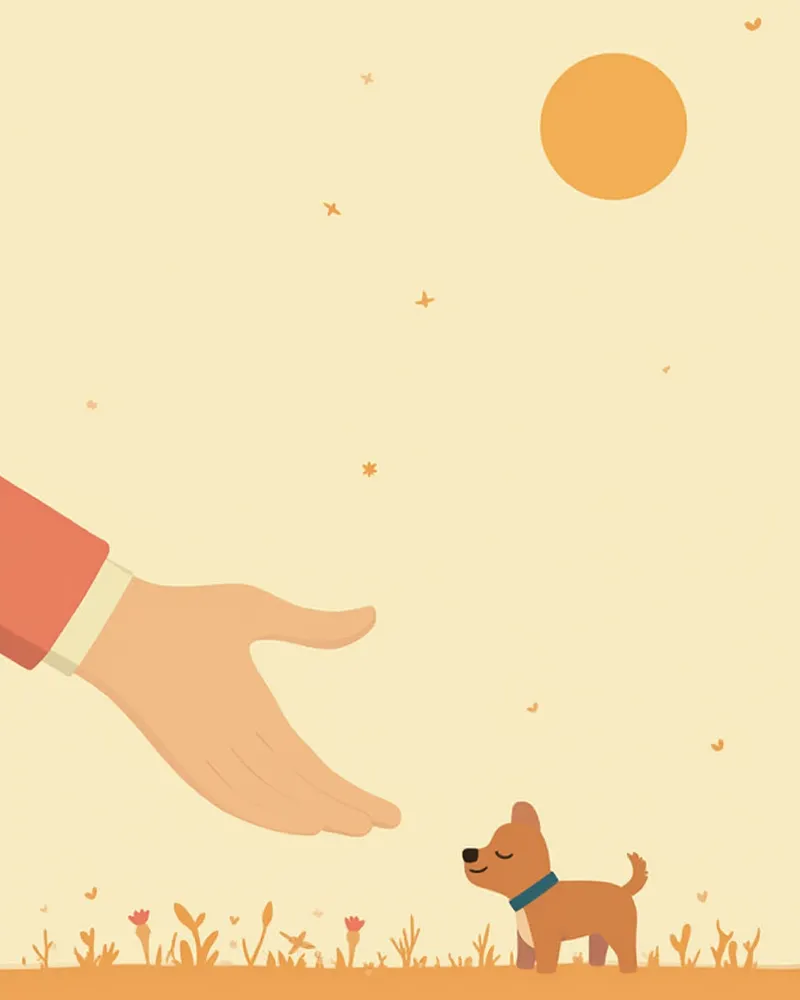
When your dog sends you signals, responding in the same "language" helps them calm down much faster. - Avert your gaze: If your dog turns their head away, gently angle your gaze in the same direction. This communicates, "I am not a threat." - Slow blinks: Softly blinking your eyes can help your dog lower their tension. - Create space: Simply ensuring sufficient distance from anything that seems uncomfortable for your dog (such as other dogs or strangers) often reduces the need for calming signals. Learning to read your dog’s emotional state before starting training is the true starting point of positive reinforcement training.
Keeping your distance from dogs that sniff the ground

Cases Easily Confused with Calming Signals

Not every yawn or scratch is a sign of stress. The key to telling the difference lies in the context and frequency. - Yawning: Yawning upon waking is a normal physiological response. Yawning when a stranger approaches is a calming signal. - Scratching: Frequent scratching of a specific area may indicate a skin condition, so a veterinary checkup is recommended. - Lip licking: Licking lips after meals or before treats is normal. Repetitive lip licking when there is no food around is a sign of tension. If these behavioral signs are accompanied by skin or digestive symptoms, please review Causes and Management of Dog Itching first.

Reviewed by a veterinarian

Dr. Tony — Punnawat Phongkittirak

Dr. Tony — Punnawat Phongkittirak

Veterinarian

A veterinarian who majored in veterinary medicine at Khon Kaen University, Thailand, and completed the IVSA program at North Carolina State University in the United States. Drawing on clinical experience at animal hospitals, he works in the pet healthcare field and is dedicated to building a digital care environment that connects pet parents with veterinarians.

Frequently Asked Questions

Do all dogs send calming signals?
Yes, dogs of almost any age will show these signs when they’re feeling anxious or stressed. However, if the body language is subtle or the facial expressions are faint, they can be easy to miss. Pay close attention to signals around the face and eyes, such as yawning, blinking, licking the lips, or turning the head away. The more subtle the warning signs, the easier they are to overlook, so it helps to familiarize yourself with your dog’s normal expressions and posture.
Why is it important for dogs to approach each other in a curved path when greeting?
Approaching a dog head-on is seen as a provocation in the canine world. Circling around in a curve is a polite way of saying, "I have no hostile intentions." When your dog encounters another dog during a walk, gently loosen the leash to allow for a curved greeting.
Can calming signals work when a person uses them on a dog?
Yes, they do. In particular, slow blinking, averting your gaze slightly, and turning your body sideways are effective ways to signal a non-threatening attitude to an unfamiliar dog. When a dog displays stress signals, the owner adopting a calm and non-threatening posture can help alleviate the dog's tension.
My pet keeps yawning. Is this a problem?
If these behaviors occur repeatedly in specific situations (such as with unfamiliar guests, at the vet clinic, or in the car), they are likely signs of stress. In such cases, gradual desensitization training is necessary to help your pet adapt to the situation. If the symptoms are severe, we recommend consulting a veterinary behaviorist.
What happens if you ignore calming signals?
Dogs learn that "talking doesn't work," so they escalate to stronger signals like growling or biting. In most cases where owners say, "My dog suddenly bit me," the dog had actually sent multiple calming signals beforehand that the owner missed.

Share

Related Guides

References

[1] Turid Rugaas, On Talking Terms With Dogs: Calming Signals, 2nd Edition, Dogwise Publishing, 2006

[2] Mariti C. et al., Analysis of the intraspecific visual communication in the domestic dog (Canis familiaris): A pilot study on the case of calming signals, Journal of Veterinary Behavior, 2017

[3] Siniscalchi M. et al., Communication in Dogs, Animals, 2018

[4] 수의행동학 교과서 (Veterinary Behavioral Medicine)

This information is based on veterinary literature and does not replace diagnosis or treatment. Please consult a veterinarian for specific health concerns.

Metapet Co., Ltd. | CEO: Park Sung-yong | Business Reg. No. 417-88-02562 | Seoul, South Korea | Customer Center

16 Canine Calming Signals: Read the Cues Your Dog Sends | Meongsiljang