Like
Share
멍실장
빈크리스틴 림프종 항암제, 우리 아이에게 어떻게 쓰일까요?

Vincristine, the chemotherapy drug for lymphoma: How is it used for our pet?

ImmunityQ&AMeongsiljang Veterinary Advisory Board

We’ve outlined the key chemotherapy drug vincristine used in canine lymphoma treatment, including its mechanism of action, administration method, side effects, and essential care tips for pet owners.

What is vincristine?
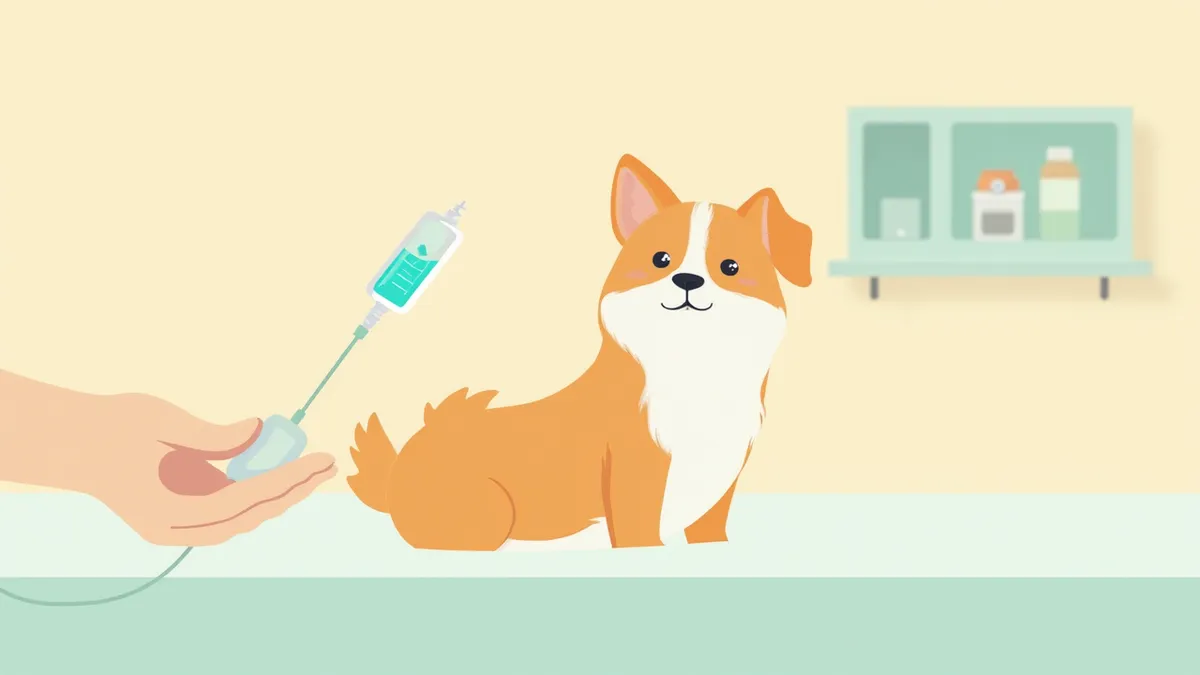
A veterinarian prepares an intravenous injection for a puppy.
Vincristine is the most widely used intravenous chemotherapy drug for treating canine lymphoma. Its key mechanism is targeting cancer cells at the moment of division—particularly during metaphase—to halt cell division. This makes it especially effective against rapidly growing cancers like lymphoma. Since veterinarians determine the dosage and administration schedule based on body surface area (size) and overall health status, it is essential for pet owners to strictly adhere to scheduled veterinary visits.

What types of cancer is it used for?

Vincristine is used to treat various types of cancer, but it is most essential in the treatment of lymphoma in dogs. It can also be used for certain sarcomas and carcinomas, leukemia, and transmissible venereal tumors (TVT). For mast cell tumors, vinblastine, another vinca alkaloid, is typically preferred, and its indications are distinct from those of vincristine. Because lymphoma responds poorly to single-agent chemotherapy, it is usually treated with combination chemotherapy protocols. A well-known example is the CHOP protocol, which always includes vincristine.

Role in the CHOP protocol

The CHOP protocol is a standard treatment regimen that alternates four medications: cyclophosphamide, doxorubicin, vincristine, and prednisolone. Vincristine is typically administered via intravenous injection once a week. The total duration of treatment varies depending on the specific protocol modification, but it generally lasts approximately 12 to 27 weeks. Because each drug has a different mechanism of action, alternating them makes it difficult for cancer cells to develop resistance. According to veterinary textbooks, approximately 70% to 90% of dogs with lymphoma achieve remission (symptom relief) in the early stages of treatment with this protocol.
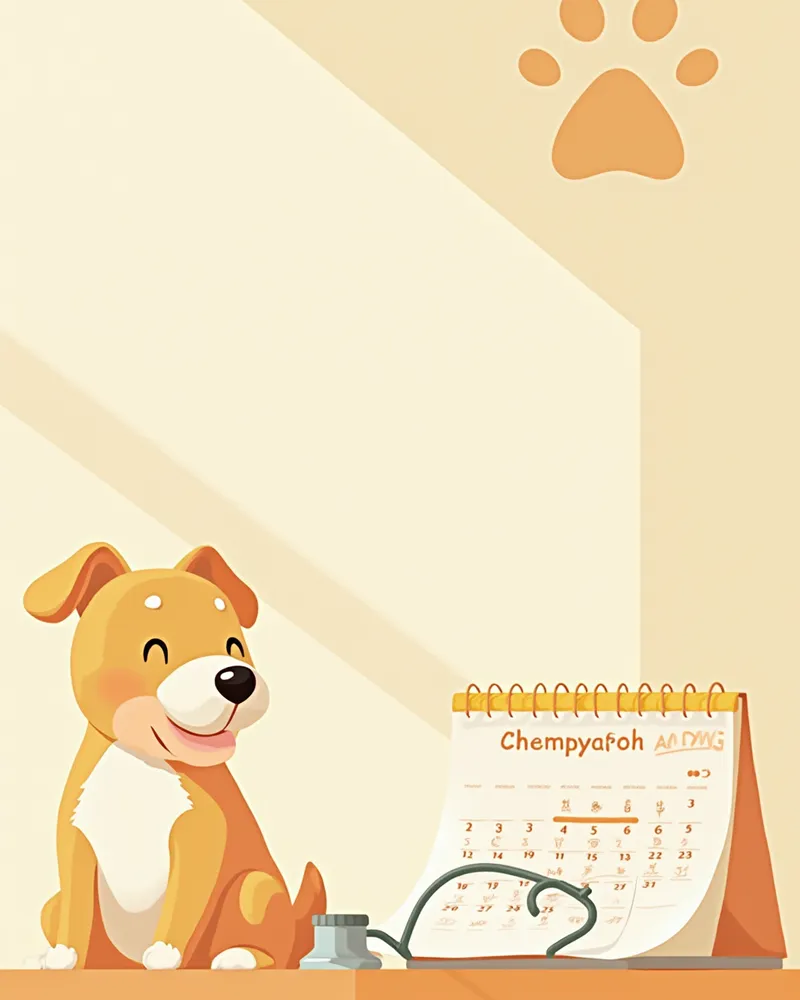
A veterinary clinic calendar showing a once-weekly chemotherapy schedule.

Please strictly follow these precautions for 3 days after administration

Even after administration, small amounts of vincristine are excreted in your dog’s urine, feces, blood, and vomit, and can be detected for several days following treatment. For at least three days starting from the day of administration, please clean up waste while wearing disposable (vinyl) gloves, seal it in a plastic bag, and dispose of both the waste and gloves as regular trash. Wash your dog’s bedding and dishes separately from those of other pets or family members. Pregnant individuals, those planning to become pregnant, and nursing mothers should take particular care to avoid contact with the waste.

What are the side effects?

Vincristine tends to have fewer side effects than other chemotherapy drugs. However, some pets may experience the following symptoms: - Gastrointestinal symptoms: Vomiting, diarrhea, and decreased appetite are the most common. - Hair loss or coat changes: In breeds with continuously growing hair, such as Poodles, Terriers, and Afghan Hounds, hair loss may be more noticeable. - Peripheral neuropathy: Rarely, weakness in the hind legs and gait abnormalities may occur. - Injection site damage: If the medication leaks outside the vein, it can cause severe tissue necrosis.

Seek veterinary care immediately if you see these symptoms

If your pet stops eating entirely, experiences severe vomiting or diarrhea lasting more than 24 hours, has pale or yellowish gums, develops a fever (39.5°C or higher), or shows worsening lethargy within 2 to 7 days after medication, seek veterinary care immediately. Immune function is suppressed during cancer treatment, increasing the risk of infection.

Are there any breeds that require special caution?
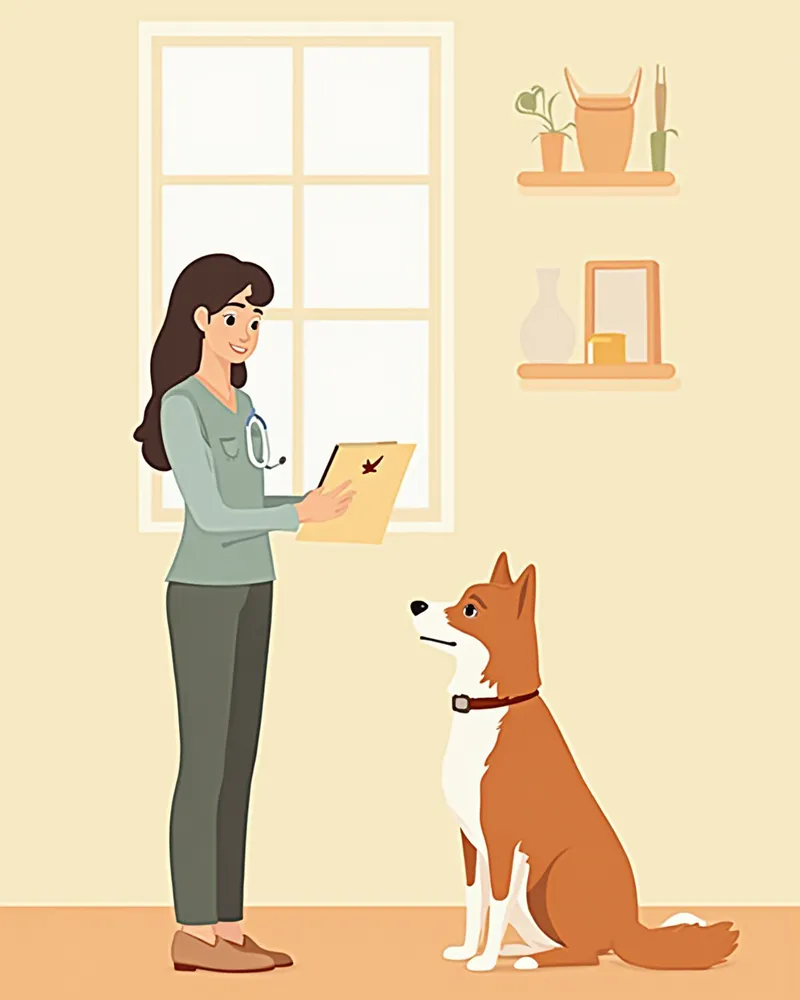
Certain herding breeds, such as Collies, Border Collies, Shetland Sheepdogs, and Australian Shepherds, may carry a mutation in the MDR1 (multidrug resistance) gene. In these dogs, the excretion of vinca alkaloid chemotherapy drugs like vincristine is reduced, which can increase the risk of toxic reactions. For these breeds, it is recommended that veterinarians carefully assess drug responses and establish monitoring plans that take breed-specific traits into account before starting cancer treatment. Before beginning chemotherapy, including with vincristine, pet owners must accurately inform their veterinarian of their dog’s breed. Breed information is a key factor in determining the correct dosage and developing a plan to monitor for adverse reactions after administration.
Border Collie consulting with a veterinarian

Key points for home care

Dogs undergoing cancer treatment expend a lot of energy. Here are the key care points: - Diet: Offer small, frequent meals of easily digestible prescription food or boiled chicken breast. - Hydration: Since vomiting and diarrhea can quickly lead to dehydration, ensure access to plenty of fresh water. - Walks: Stick to short, quiet routes and avoid areas with many other dogs. - Temperature and Appetite Logs: Record daily observations to share with your veterinarian at the next visit. Your careful monitoring is the key to catching complications early.

Reviewed by a veterinarian

Dr. Tony — Punnawat Phongkittirak

Dr. Tony — Punnawat Phongkittirak

Veterinarian

A veterinarian who majored in veterinary medicine at Khon Kaen University, Thailand, and completed the IVSA program at North Carolina State University in the United States. Drawing on clinical experience at animal hospitals, he works in the pet healthcare field and is dedicated to building a digital care environment that connects pet parents with veterinarians.

Frequently asked questions

Can I go straight home after receiving vincristine?
Yes, most pets receive their injections as outpatients and then go home. However, it’s safer to observe them at the clinic for 30 minutes to an hour after the injection to ensure there are no adverse reactions before they’re discharged.
How much will the treatment cost?
Costs can vary significantly depending on the clinic, your pet’s weight, and the treatment protocol. Please consult with your attending veterinarian before starting treatment to determine the exact cost.
Is it okay to stop chemotherapy midway?
Stopping the medication on your own can lead to a rapid recurrence of cancer. If side effects are severe, dosage adjustments or switching to a different medication may be possible, so please consult your veterinarian.
Can they be around other pets?
Yes, it is possible. However, you must strictly prevent contact with feces for three days after administering the medication. Since your pet’s immune system is currently compromised, please temporarily isolate them if another pet in the household becomes ill.
Can it be cured?
With lymphoma, the goal is long-term remission rather than a cure. The median survival time with standard treatment protocols is about 7 to 13 months, and some dogs that respond well can enjoy a good quality of life for even longer.

Share

Related Guides

References

[1] Plumb's Veterinary Drug Handbook, 10th Edition - Vincristine Sulfate

[2] Handbook of Veterinary Pharmacology - Mitotic Spindle Inhibitors

[3] Therapeutic Strategies in Veterinary Oncology - Lymphoma Protocols

This information is based on veterinary literature and does not replace diagnosis or treatment. Please consult a veterinarian for specific health concerns.

Metapet Co., Ltd. | CEO: Park Sung-yong | Business Reg. No. 417-88-02562 | Seoul, South Korea | Customer Center

Vincristine: Chemotherapy for Canine Lymphoma Explained | Meongsiljang