Like
Share
멍실장
강아지 신장 생검 자주 묻는 질문 Q&A — 보호자가 꼭 알아야 할 핵심

Do Dogs Need a Kidney Biopsy? — Key Summary of Procedure, Risks, and Recovery

KidneyQ&AMeongsiljang Veterinary Advisory Board

A kidney biopsy in dogs is a necessary procedure for accurately diagnosing kidney disease. Here’s a summary of the key information every pet owner should know.

Why Is a Kidney Biopsy Necessary for Dogs?
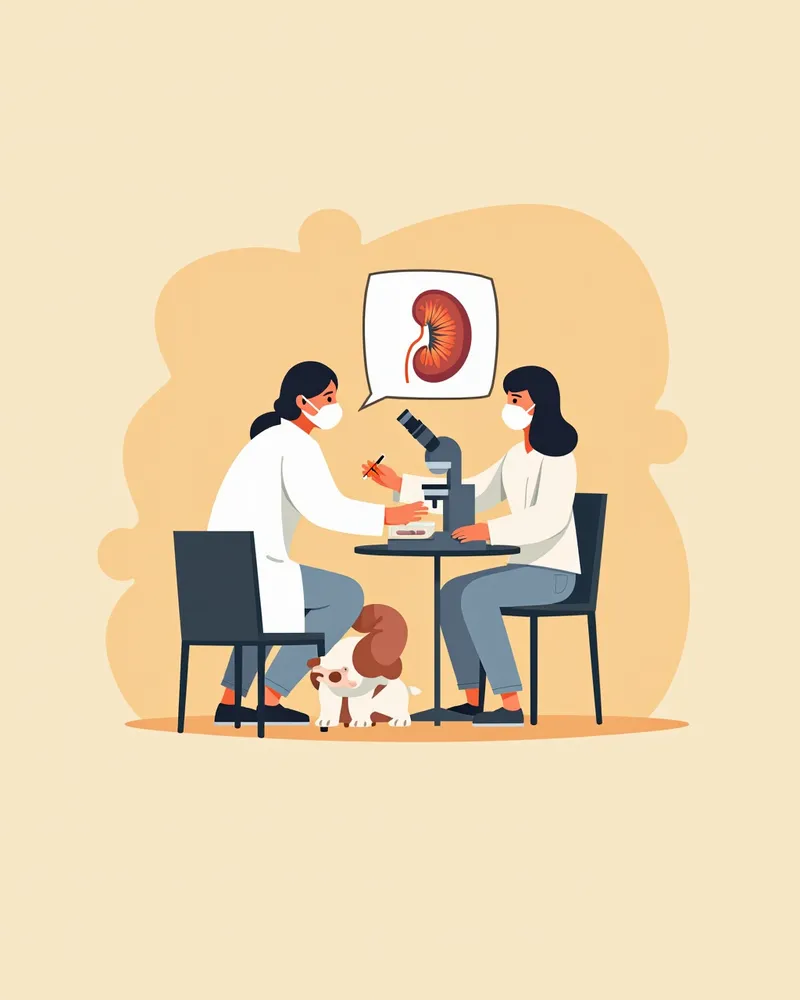
A kidney biopsy in dogs is a diagnostic procedure performed to determine the exact cause and type of kidney disease. When blood tests or ultrasound imaging cannot accurately identify the nature or severity of the lesions, a biopsy allows for microscopic examination of actual kidney tissue to classify the disease. This procedure is particularly recommended when the treatment approach depends on the specific biopsy results. - Accurate Diagnosis: A biopsy helps distinguish between glomerular diseases and tubulointerstitial diseases, and clearly identifies the underlying cause of kidney damage, such as immune complex-mediated diseases. - Treatment Planning: Since the approach to medication and dietary management varies depending on the disease type, a biopsy is essential for establishing an effective treatment plan. - Prognostic Assessment: Biopsy results provide a more accurate understanding of the disease type and its progression pattern. Therefore, a biopsy is not just a simple test, but a crucial first step in finding the right treatment for your dog.
A veterinarian examining a kidney biopsy sample under a microscope

How Is the Biopsy Performed?

Kidney biopsies in dogs are performed under ultrasound guidance. Using real-time ultrasound to locate the kidney, a specialized needle is inserted to collect a small tissue sample (core). There are two main biopsy techniques, and the collected tissue is placed in a designated preservative solution before being sent to the laboratory. - Ultrasound guidance: Ultrasound allows visualization of the kidney and surrounding structures during sampling, helping to avoid major blood vessels. - Recovery care: After the biopsy, we ensure adequate pain management and gently palpate the biopsy site to assess pain response and overall condition. - Veterinary monitoring: The veterinarian continuously monitors the dog during and after the procedure, carefully watching for complications such as bleeding.
A puppy recovering after anesthesia

What Should Be Prepared Before the Biopsy?

Before the biopsy, we’ll run blood and urine tests to check your pet’s overall health. It’s especially important to confirm there’s no increased risk of bleeding and that anesthesia will be safe. - Fasting requirements: Withhold food and water for 12 hours before the biopsy to prevent vomiting or aspiration during anesthesia. - Medication adjustments: Any current medications (such as anticoagulants or steroids) should be temporarily paused or adjusted according to your veterinarian’s instructions. - Scheduling: All pre-biopsy tests must be completed by the day before the procedure, so please coordinate the timeline with your veterinarian in advance. - Caregiver preparation: Familiarizing yourself with post-biopsy care and recovery management beforehand will be helpful.
A veterinarian reviewing a puppy’s test results.

What Should Be Monitored After the Biopsy?

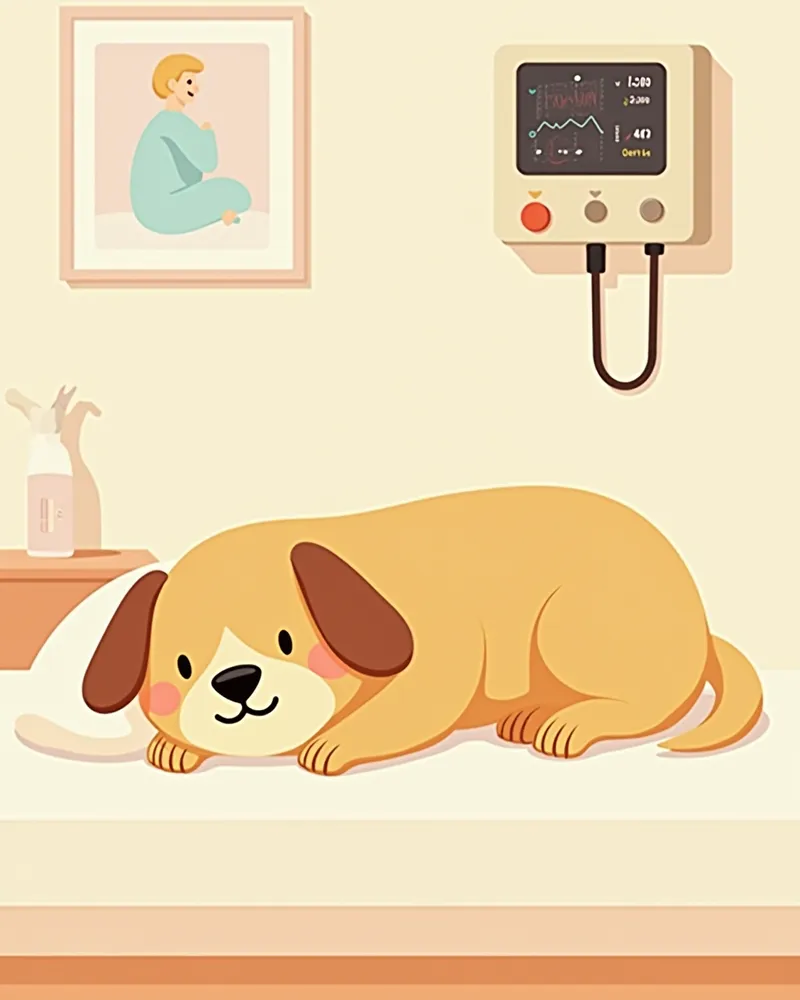
For 24 to 48 hours after the biopsy, minimize your pet’s activity and especially avoid running or jumping. - Monitor for blood in the urine: Carefully check for blood in the urine when your pet urinates. Hematuria is a relatively common complication after a biopsy, so if it persists, a veterinary visit is necessary. - Pain management: If your pet shows signs of pain, administer the prescribed medication on time. Do not adjust the dosage on your own; follow the prescription exactly as directed. - Food and water: Provide food and water as usual. If there are specific dietary or fluid restrictions, follow your veterinarian’s instructions. - Follow-up visit: Schedule a follow-up appointment with your veterinarian to monitor your pet’s condition after the biopsy. - Other warning signs: If your pet exhibits persistent signs of shock, fainting, or difficulty breathing, seek immediate veterinary care.
A puppy resting after a biopsy

Pre- and Post-Biopsy Comparison: Summary of Precautions

ItemBefore biopsyAfter biopsy
Meals12-hour fastingGradual return to normal
ActivityNormalRestricted movement
PainNoneMay be slightly present
HematuriaNoneObservation needed

If hematuria persists within 2 days after the biopsy, consult a veterinarian immediately.

Signs Requiring Immediate Clinic Visit After Biopsy

If severe pain, persistent blood in the urine, vomiting, or signs of shock (such as fainting or difficulty breathing) occur within 24 hours after the biopsy, please come to the clinic immediately. These may be signs of complications.

When Will the Biopsy Results Be Available?

Biopsy samples require pathological examination, so results are typically available in 5–7 days. - Testing process: A specialized pathologist examines the tissue sample under a microscope to determine the type and severity of the disease. - Interpreting results: Your veterinarian will review the findings and discuss a treatment plan with you. - The waiting period: While waiting for results can be anxiety-inducing, this time is essential for ensuring an accurate diagnosis. - Communication: Once the results are in, you’ll consult with your veterinarian to clarify the direction of treatment. - Next steps: Depending on the outcome, adjustments may include medication changes, dietary modifications, or additional testing.
A veterinarian reviewing the results of a kidney biopsy.

How Significant Are the Risks of a Biopsy?
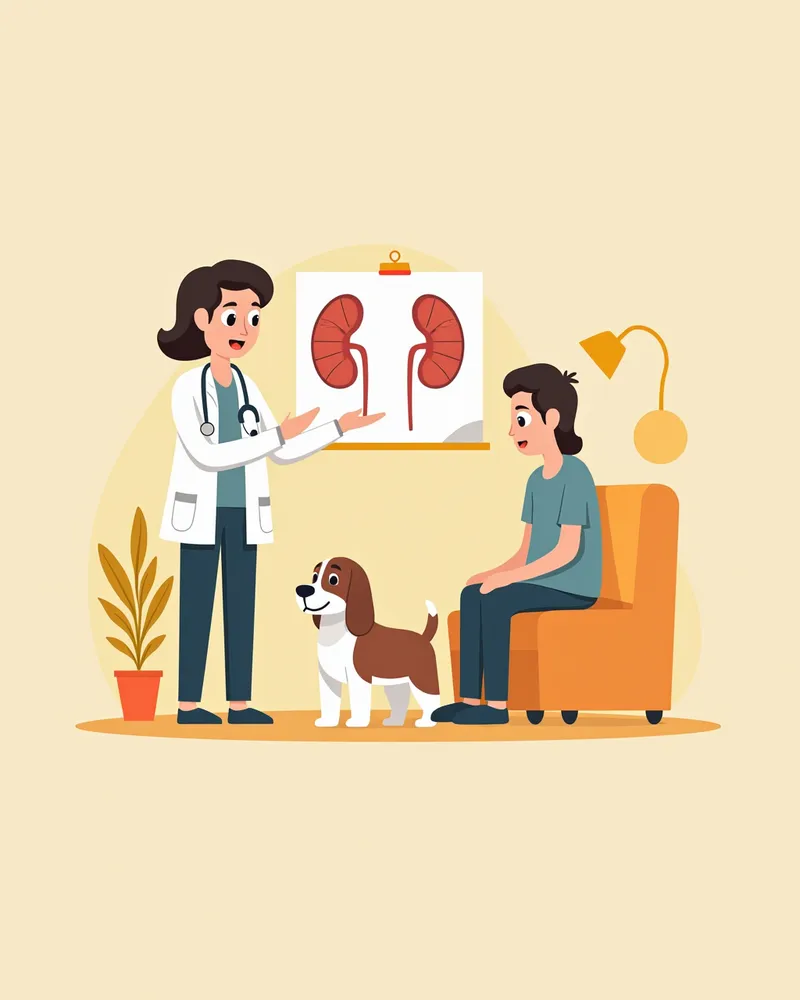
When performed appropriately, a kidney biopsy is a relatively safe procedure, though it carries risks such as bleeding, infection, and kidney damage. - Bleeding Risk: Bleeding is the most common complication after a biopsy. One study reported bleeding in approximately 18.5% of cats. Other complications (such as hydronephrosis, peritonitis, local infection, and death) occurred in less than 4% of cases. - Preventive Measures: Before the biopsy, blood tests are conducted to assess bleeding risks, such as coagulopathies, and the procedure is carried out with precision. - Contraindications: Biopsies should be avoided in cases of coagulopathy, uncontrolled hypertension, severe anemia, small and fibrotic kidneys, or pyelonephritis. - Complication Preparedness: After the biopsy, ensure adequate pain management and closely monitor for any changes in condition. - Immediate Response: If severe pain, persistent hematuria, or signs of shock occur, please visit the clinic immediately.
A scene in which a veterinarian explains the risks of a biopsy to the pet owner.

Reviewed by a veterinarian

Dr. Tony — Punnawat Phongkittirak

Dr. Tony — Punnawat Phongkittirak

Veterinarian

A veterinarian who majored in veterinary medicine at Khon Kaen University, Thailand, and completed the IVSA program at North Carolina State University in the United States. Drawing on clinical experience at animal hospitals, he works in the pet healthcare field and is dedicated to building a digital care environment that connects pet parents with veterinarians.

Frequently Asked Questions

Is a biopsy painful?
Since anesthesia is used, your pet won’t feel any pain during the procedure. There may be some mild discomfort during recovery, but your veterinarian will prescribe medication to manage it.
How should I care for my pet at home after a biopsy?
Restrict your pet’s activity, provide normal access to food and water, and monitor for blood in the urine during elimination. Follow your veterinarian’s instructions.
Do I need to wait for the biopsy results?
Yes, we need to wait for the results to make an accurate diagnosis. Since the treatment plan will depend on those results, early diagnosis is crucial.
Are there cases where a biopsy isn’t necessary?
In some cases, an ultrasound or blood test is enough to make a diagnosis. However, a biopsy may be needed to pinpoint the exact cause.
Is there a chance of recurrence after a biopsy?
Biopsy itself does not cause recurrence. However, since the underlying disease can recur, ongoing management is necessary.

Share

Related Guides

References

[1] Plumb's Veterinary Drug Handbook, 9th Edition, 2022

[2] Small Animal Internal Medicine, 5th Edition, 2020

[3] Veterinary Nephrology and Urology, 2nd Edition, 2019

This information is based on veterinary literature and does not replace diagnosis or treatment. Please consult a veterinarian for specific health concerns.

Metapet Co., Ltd. | CEO: Park Sung-yong | Business Reg. No. 417-88-02562 | Seoul, South Korea | Customer Center

Does Your Dog Need a Kidney Biopsy? Procedure, Risks & Recovery | Meongsiljang