
Like
Share
멍실장
강아지 간성 뇌증 자주 묻는 질문 Q&A — 보호자가 꼭 알아야 할 핵심

What is hepatic encephalopathy in dogs? — Confusion, stumbling, emergency signs and response

Liver HealthQ&AMeongsiljang Veterinary Advisory Board

Hepatic encephalopathy in dogs is a central nervous system disorder caused by the accumulation of toxic substances in the brain due to impaired liver function. Here’s a summary of key information that pet owners should know.

What is hepatic encephalopathy in dogs?

A puppy with a dull, unfocused gaze
Hepatic encephalopathy in dogs is a condition that occurs when declining liver function allows toxic substances like ammonia to accumulate in the bloodstream and affect the brain. - Reduced liver function: When the liver fails to filter toxins, ammonia enters the brain and disrupts neurological function. - Decreased consciousness: Symptoms include confusion, disorientation, and changes in sleep patterns. - Behavioral changes: Dogs may become suddenly anxious or exhibit repetitive pacing or circling behaviors. - Brain function impairment: In severe cases, seizures or loss of consciousness may occur. Early detection and management are key to improving survival rates.

What are the main causes of this condition?
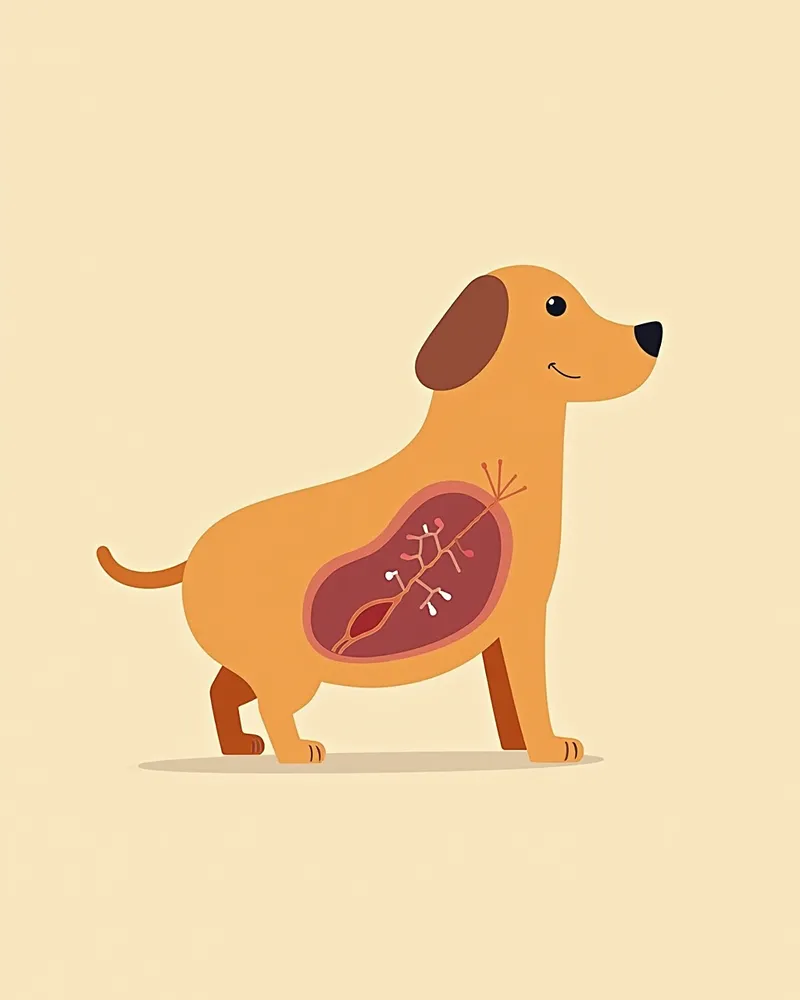
The most common cause of hepatic encephalopathy in dogs is a portosystemic shunt, a condition where blood flow bypasses the liver. It can also occur when the liver suffers structural or functional damage, such as in cirrhosis or chronic hepatitis. - Portosystemic shunt: This is the most common cause in dogs. Blood bypasses the liver, allowing toxins like ammonia to circulate throughout the body and reach the brain without being filtered. - Decreased liver function: When the liver’s ability to eliminate toxins declines, ammonia builds up in the bloodstream. - Genetic factors: Certain small-breed dogs are more susceptible to congenital liver and vascular abnormalities. - Toxin accumulation: When ammonia and aromatic amino acids affect the brain, neurological dysfunction occurs and symptoms worsen. Identifying the underlying cause is the first step toward effective treatment.
Diagram of the vascular structure connecting the liver and the brain

What symptoms appear?

Canine hepatic encephalopathy can cause symptoms such as decreased consciousness, disorientation, anxiety, changes in sleep patterns, seizures, staring spells, and lethargy. - Decreased consciousness: Your dog may suddenly become confused or fail to recognize familiar people. - Behavioral changes: They may wake up at night or repeatedly circle around the room. - Neurological signs: Symptoms can include abnormal eye movements, muscle stiffness, and seizures. - Sleep disturbances: Your dog may become drowsy during the day or experience disrupted nighttime sleep patterns. - Early warning signs: Do not overlook subtle changes in daily behavior; consult your veterinarian immediately.
A puppy spinning in circles, lost and disoriented

Signs requiring immediate hospital visit

If your dog suddenly experiences seizures, loses consciousness, or shows neurological signs such as eye deviation or muscle rigidity, you should go to the hospital immediately. In severe cases of liver failure, cerebral edema may occur, which can be a life-threatening acute condition.

How is an accurate diagnosis made?

Hepatic encephalopathy in dogs is diagnosed by confirming three key factors: ① neurological signs suggesting brain dysfunction, ② elevated blood ammonia levels (hyperammonemia), and ③ impaired liver function. - Compatible neurological signs: We look for signs of cerebral dysfunction, such as decreased consciousness and disorientation. - Blood ammonia levels: Elevated levels support the diagnosis, but ammonia is highly unstable and does not always correlate directly with clinical signs. - Liver function tests: We confirm reduced liver function through tests such as bile acid analysis. - Imaging studies: Ultrasound or CT angiography helps identify underlying causes like portosystemic shunts. Diagnostic accuracy improves when all three elements are confirmed together, and early diagnosis significantly increases the likelihood of successful treatment.
A veterinarian examining a puppy.

What are the treatment methods?

Treatment focuses on addressing the underlying liver disease and reducing toxin (ammonia) levels. - Protein-controlled diet: Rather than excessively restricting protein, aim for an appropriate amount, with plant-based or dairy proteins often being better tolerated. - Lactulose: Gut bacteria break this down to acidify the intestinal contents, converting ammonia into an ionized form that is excreted in the feces, thereby reducing its levels. - Antibiotic use: Antibiotics such as metronidazole and ampicillin suppress urea-splitting gut bacteria to prevent ammonia production. - Fluid and supportive therapy: Correct dehydration, electrolyte imbalances, and acid-base disturbances. Strict adherence to regular check-ups and medication is essential to prevent symptom recurrence.
A dog currently on a diet specifically formulated for hepatic encephalopathy

How can it be managed at home?

Daily management is crucial for dogs with hepatic encephalopathy. It’s important to maintain regular feeding times, follow a low-protein diet, adhere to prescribed medications, and minimize stress. Keeping the environment stable and avoiding sudden changes is essential. Owners should carefully monitor and record any behavioral changes in their dog to share with their veterinarian. Additionally, regulating exercise levels and ensuring adequate rest are vital. Consistent care is key to preventing the condition from worsening.
A dog resting comfortably in a calm environment

Comparison of symptoms by mild, moderate, and severe severity

ItemMain SymptomsBehavioral ChangesNeed for Treatment
MildClouded consciousness, loss of orientationConfusion, changes in sleep patternsLow-level management required
ModerateSeizures, fixed gaze, lethargyLoss of self-control, increased anxietyMedication essential
SevereLoss of consciousness, severe seizuresPossible cerebral edema, respiratory abnormalitiesEmergency treatment required

Treatment strategies differ depending on the severity of symptoms. Early detection is key.

Reviewed by a veterinarian

Dr. Tony — Punnawat Phongkittirak

Dr. Tony — Punnawat Phongkittirak

Veterinarian

A veterinarian who majored in veterinary medicine at Khon Kaen University, Thailand, and completed the IVSA program at North Carolina State University in the United States. Drawing on clinical experience at animal hospitals, he works in the pet healthcare field and is dedicated to building a digital care environment that connects pet parents with veterinarians.

Frequently asked questions

Can hepatic encephalopathy in dogs be cured?
If the underlying condition is treatable, there’s a good chance of full recovery. However, chronic liver disease requires ongoing management. Early detection and appropriate treatment are key.
Which breeds are more commonly affected by hepatic encephalopathy?
It is more commonly seen in small-breed dogs and young puppies (typically under 1 year of age), as well as in Lhasa Apsos, Shih Tzus, Miniature Schnauzers, Pugs, and Terriers. Genetic predispositions, such as congenital portosystemic shunts, are also associated with this condition.
How should I manage my pet’s diet?
Rather than severely restricting protein, the key is to provide an appropriate amount. Your veterinarian will tailor the diet based on your pet’s weight and condition, and plant-based or dairy proteins are often better tolerated.
Can I stop giving my pet the medication?
Absolutely not. Medications like lactulose are essential for managing symptoms and preventing recurrence. If you stop administering them, toxic substances can build up in the brain again.
What should I do if my dog suddenly acts strangely?
You should go to the vet immediately. Seizures, loss of consciousness, and confusion can be signs of an emergency. A veterinarian needs to diagnose the issue quickly and begin treatment.

Share

Related Guides

References

[1] Plumb's Veterinary Drug Handbook, 9th Edition. 2022. Wiley-Blackwell.

[2] Ettinger, S.J., Feldman, E.C. (2021). Textbook of Veterinary Internal Medicine, 9th ed. Elsevier.

[3] American College of Veterinary Internal Medicine (ACVIM). Canine Hepatic Encephalopathy Guidelines. 2020.

This information is based on veterinary literature and does not replace diagnosis or treatment. Please consult a veterinarian for specific health concerns.

Metapet Co., Ltd. | CEO: Park Sung-yong | Business Reg. No. 417-88-02562 | Seoul, South Korea | Customer Center

What Is Hepatic Encephalopathy in Dogs? Signs & Response | Meongsiljang