Like
Share
멍실장
강아지 자기 조절 훈련, 왜 필요하고 어떻게 시작해야 할까요?

Why is self-control training for dogs necessary, and how should you start?

Brain & CognitionQ&AMeongsiljang Veterinary Advisory Board

Self-control training for dogs helps them learn impulse control and the ability to wait patiently. We’ll walk you through step-by-step methods and practical tips.

What is self-control training for dogs?
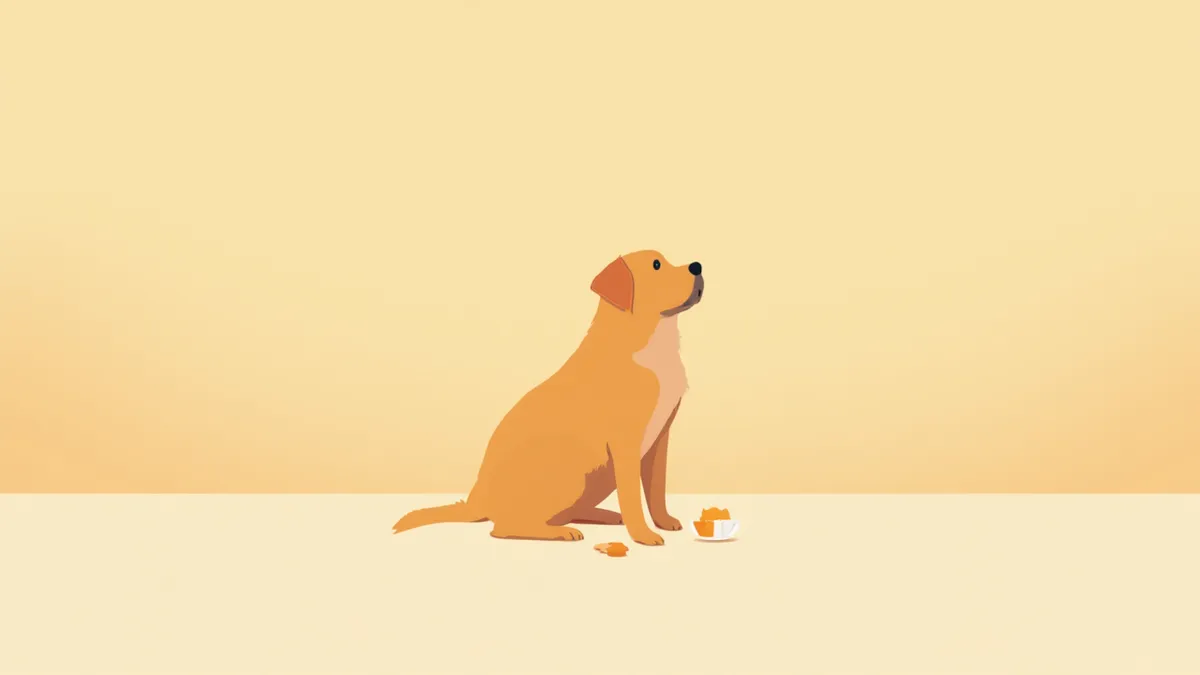
A dog waiting patiently in front of a treat.
Self-control training for dogs teaches them to calm their own excitement and impulses, and to wait patiently for what they want. The real key isn’t memorizing commands, but strengthening the brain’s ability to regulate emotions. Dogs who bolt at the sound of the doorbell, pull on the leash during walks, or can’t resist treats are often lacking in self-control training.

Why is self-regulation important?

Dogs who struggle with self-regulation can easily become excited or anxious in daily life. When they’re feeling fearful, anxious, or stressed, it’s harder for them to learn calmly, which can slow progress in addressing behavioral issues. On the other hand, dogs who learn to wait patiently tend to show broad improvements, including: ① preventing accidents like bolting out the door, ② reducing leash pulling during walks, ③ refraining from jumping on people, and ④ enhancing social skills with other dogs and humans. Veterinary behavior textbooks emphasize positive reinforcement-based training as a core approach to improving behavioral problems, explaining that training focused on impulse control and reinforcing desirable alternative behaviors is a key component of behavior modification programs. However, emotionally rooted issues like separation anxiety may not be resolved by training alone, so professional support is often needed in such cases.

Training difficulty level chart by stage

The key to self-control training is to start with easy steps and gradually progress. The table below is a 5-step roadmap that beginner pet owners can refer to.

5-step roadmap for self-control training

ItemStage 1 BasicStage 2 IntermediateStage 3 AppliedStage 4 PracticalStage 5 Advanced
GoalSit for 2 secondsSit for 10 secondsWaiting in front of a treatWaiting at the doorImpulse control during walks
Progression MethodShort and frequentConsistent repetitionAmple repetitionAmple repetitionConsistent over the long term
Temptation LevelNoneLowMediumHighVery High
Reward FrequencyEvery time (continuous reinforcement)Every timeFrequentlyReduce to intermittentIntermittent (partial reinforcement)

Stages and durations are not fixed formulas, and individual differences are very large. Reward a new behavior every time at first, and as it becomes familiar, gradually reduce to intermittent reinforcement, adjusting the pace based on your dog's response

Basic training methods to start at home
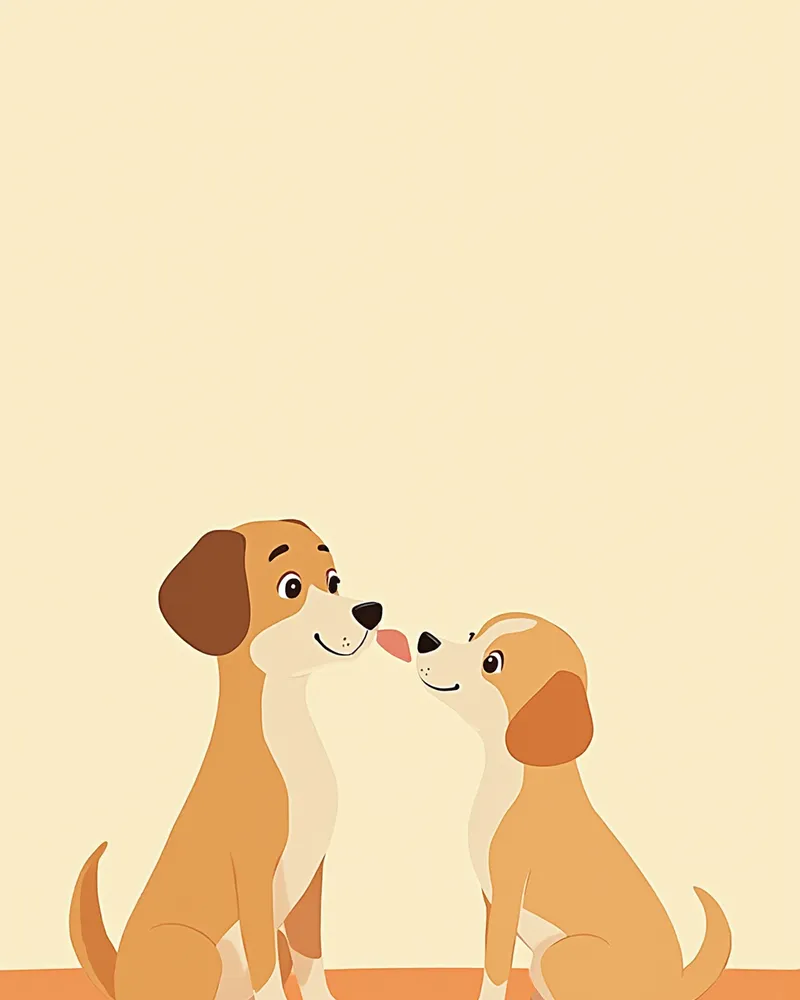
A great place to start is the "closed-hand treat" game. Hold a treat in your fist and present it to your dog's nose. If they try to scratch or lick, keep your hand firmly closed. The moment they pull their nose away or look away, even slightly, say "Good!" and give them the treat. This simple game alone helps build a neural pathway that associates patience with positive outcomes. Aim for short sessions of about five minutes, repeated three to five times a day. Overdoing it can lead to frustration, so moderation is key.
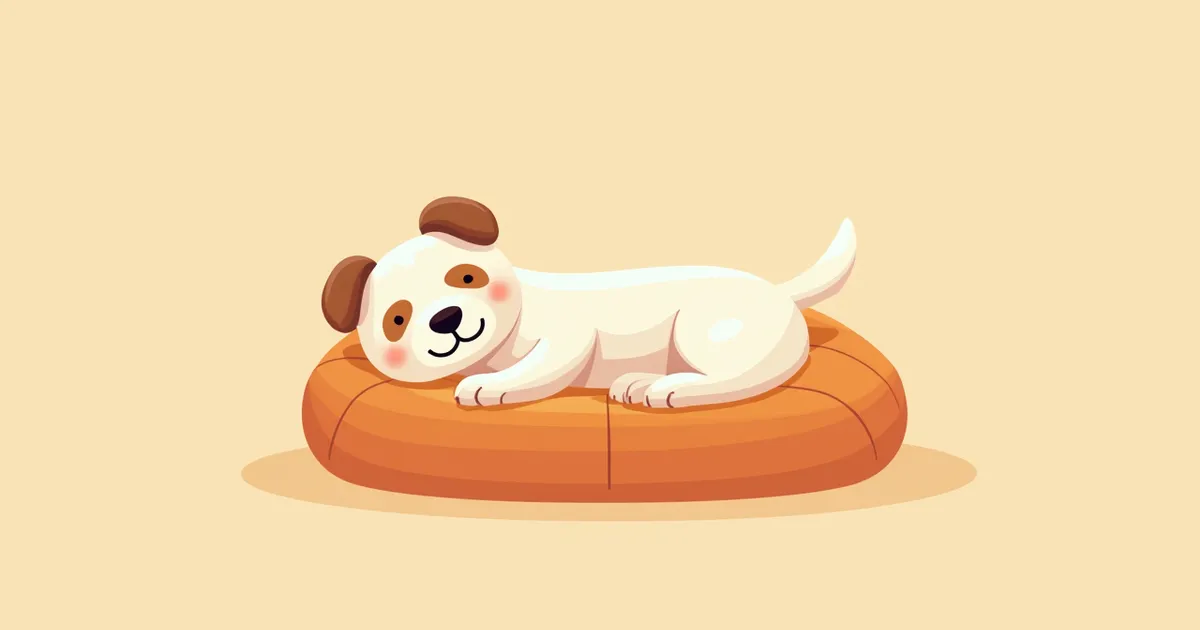
A puppy waiting patiently in front of its owner.

Avoid these methods at all costs

If you scold or pull the leash to stop a dog that barks or jumps out of excitement during training, you may actually hinder its ability to learn self-control. Punishment only temporarily stops the behavior; it doesn’t help develop the brain’s capacity for self-restraint. Additionally, if training sessions last more than 10 minutes or are forced when the dog is tired, it can lead to negative associations with training itself. The key principle is to keep sessions short and enjoyable, always ending on a successful note.

Practical application — Waiting by the door
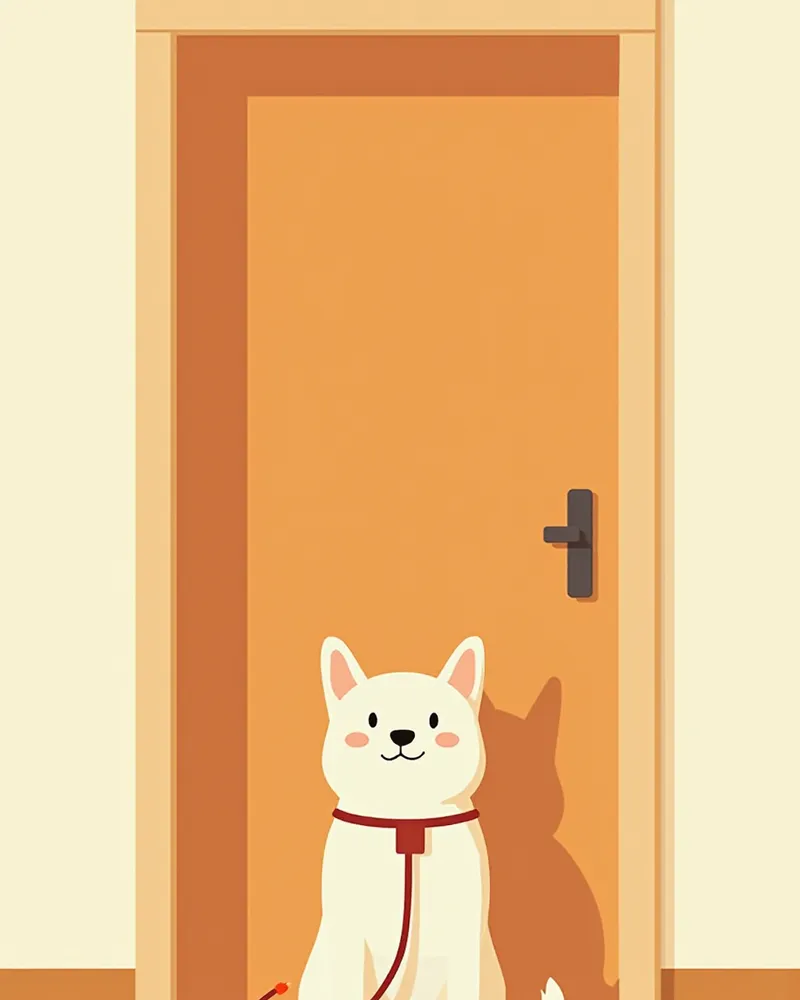
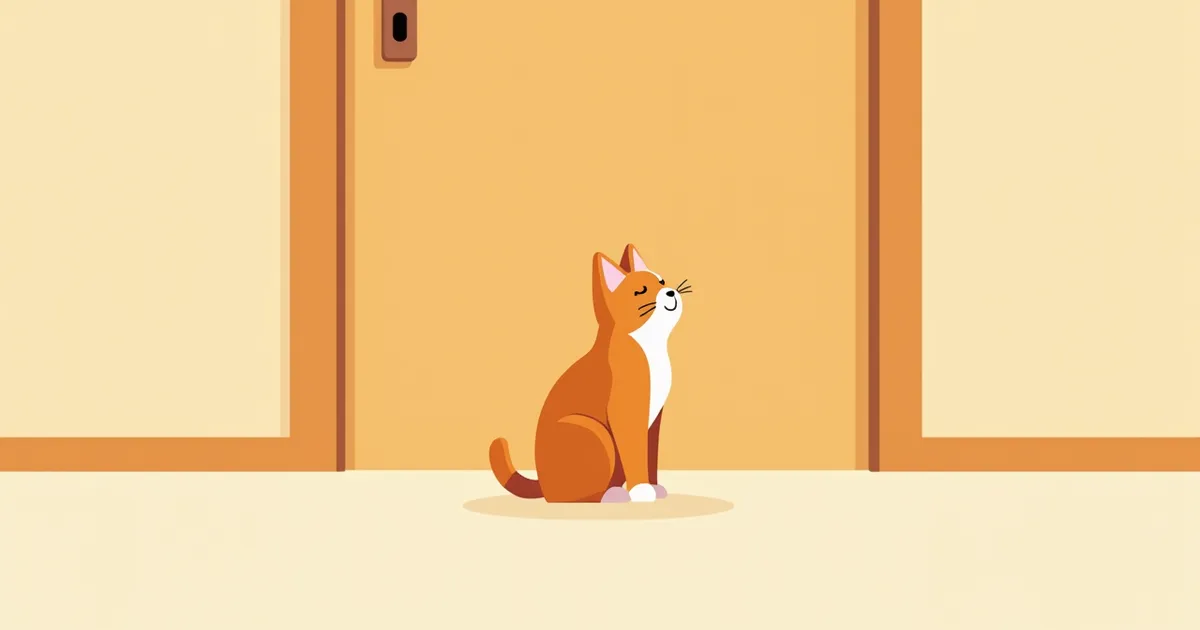
Waiting by the door is the pinnacle of self-control training. Here’s how to do it: 1) Put on the leash and position your dog near the door. 2) Give the “sit” command. 3) Place your hand on the doorknob while observing your dog’s reaction. 4) If they jump up, remove your hand from the door and guide them back into a sit. 5) If they hold the sit, open the door just 1 cm and close it again. 6) Only when they remain fully seated, open the door and give a “good” cue to proceed. It may take time at first, but the ability to respond calmly to specific cues develops gradually through consistent reinforcement and regular practice. It’s important to proceed at a pace that suits each dog’s individual learning speed.
A puppy sitting and waiting in front of the front door

Checklist for dogs who particularly struggle with self-control

If your dog shows no progress despite training, the issue may not simply be a lack of training. Check the following factors: - Age: Adolescents aged 4 to 10 months naturally struggle with impulse control. Consistent training and an appropriately structured environment can lead to gradual improvement. - Insufficient Exercise: Excess energy can hinder self-regulation. It is important to provide adequate physical exercise and mental stimulation tailored to each individual dog. - Anxious Temperament: Conditions such as separation anxiety or noise phobia can lower the threshold for excitement. - Medical Causes: Underlying issues such as hypothyroidism, pain, or cognitive dysfunction may be present. - Breed Characteristics: Some breeds have a higher innate drive to work or higher energy levels, requiring more mental and physical stimulation along with a consistent training approach.

Signs that veterinary or behavior specialist consultation is needed

If your dog shows no improvement—or even gets worse—after two to three months of training, don’t try to handle it alone. Seek advice from a veterinary behavior specialist if you notice any of the following: ① excessive excitement to the point of ignoring treats, ② aggression, ③ physical symptoms such as drooling, trembling, or difficulty breathing, or ④ growling when approached by the owner. If an underlying medical condition is present, training alone will never resolve the issue.

Reviewed by a veterinarian

Dr. Tony — Punnawat Phongkittirak

Dr. Tony — Punnawat Phongkittirak

Veterinarian

A veterinarian who majored in veterinary medicine at Khon Kaen University, Thailand, and completed the IVSA program at North Carolina State University in the United States. Drawing on clinical experience at animal hospitals, he works in the pet healthcare field and is dedicated to building a digital care environment that connects pet parents with veterinarians.

Frequently Asked Questions

At what age can I start self-control training for my pet?
Starting training early can lead to better learning outcomes. However, since young puppies have short attention spans, it's best to keep sessions brief—2 to 3 minutes each—and repeat them several times a day. Short, enjoyable training sessions based on positive reinforcement are the most effective.
Is it possible to train adult dogs (3 years and older)?
Yes, it is possible. However, it may require more time and consistent repetition compared to dogs trained from a young age. Strong rewards and patience are key. Don’t give up.
Can my pet be trained without using treats?
Treats are the most effective reward at first. Once the behavior is established, gradually replace them with praise, petting, and toys. The ultimate goal is for your praise alone to become the reward.
My dog won’t even eat treats when excited—what should I do?
That situation has already surpassed the threshold for effective training. You should increase the distance or reduce the intensity of the stimulus, and start over in an environment where your pet can comfortably eat treats.
Is clicker training also effective for self-regulation?
Yes, marker training based on positive reinforcement can improve learning efficiency by marking the exact moment a desired behavior occurs. The key to using a clicker as a marker tool is consistent use and linking it with rewards. This approach is also helpful for novice pet owners.

Share

Related Guides

References

[1] Horwitz, D. and Mills, D., BSAVA Manual of Canine and Feline Behavioural Medicine, 2nd ed., 2009

[2] Overall, K.L., Manual of Clinical Behavioral Medicine for Dogs and Cats, 2013

[3] Landsberg, G., Hunthausen, W., Ackerman, L., Behavior Problems of the Dog and Cat, 4th ed., 2023

This information is based on veterinary literature and does not replace diagnosis or treatment. Please consult a veterinarian for specific health concerns.

Metapet Co., Ltd. | CEO: Park Sung-yong | Business Reg. No. 417-88-02562 | Seoul, South Korea | Customer Center

Dog Self-Control Training: From Impulse Control to Waiting | Meongsiljang