

What Is Fatty Acid Deficiency in Dogs and Cats? — Symptoms to Supplementation, All in One Place
When fatty acid deficiency occurs, we’ll explain the signs that appear in the skin, coat, and overall body, as well as guidelines for omega-3/6 supplementation and when to visit the vet.
What Is Fatty Acid Deficiency?

Why Does It Occur?
Checklist of Signals From the Body
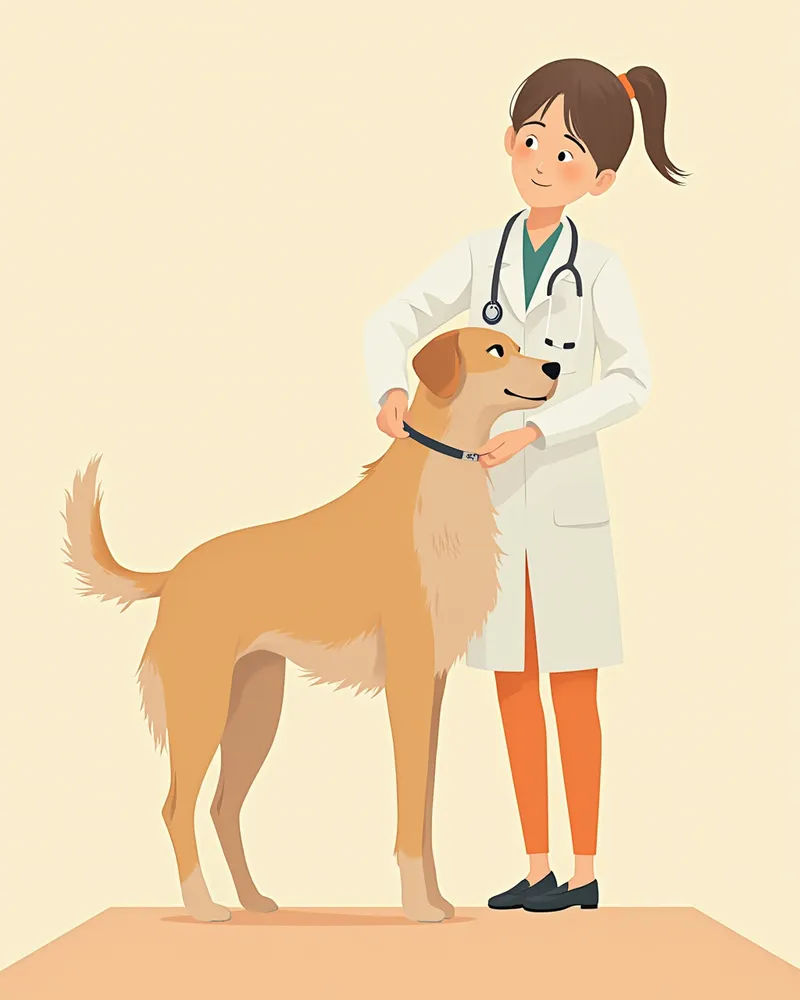
These Symptoms May Not Be Simple Deficiency
If your pet experiences severe hair loss and itching, accompanied by red skin rashes, oozing, or crusting, these symptoms cannot be explained by fatty acid deficiency alone. There may be underlying conditions such as atopic dermatitis, sarcoptic mange, Malassezia infection, hypothyroidism, or Cushing’s disease. If you also notice weight loss, decreased appetite, slow recovery after giving birth, or a sudden increase in eye discharge or tearing, please visit a veterinary clinic within 24 to 48 hours for blood tests and skin scrapings.
Omega-3 vs. Omega-6 at a Glance
| Item | Omega-3 (EPA, DHA, ALA) | Omega-6 (Linoleic Acid, Arachidonic Acid) |
|---|---|---|
| Main Role | Anti-inflammatory, skin barrier, joint/heart protection | Skin/coat formation, cell membrane composition, immune regulation |
| Representative Sources | Salmon, sardines, krill, flaxseed oil | Chicken fat, sunflower oil, safflower oil, egg yolk |
| Deficiency Signs | Chronic inflammation, joint stiffness, cognitive decline | Dull coat, dandruff, delayed wound healing |
| Intake Guidance | During growth, pregnancy, and lactation, supplementation with long-chain omega-3 (EPA, DHA) is recommended by international nutrition guidelines (NRC) | Excess omega-6 can cause an imbalance with omega-3 |
The balance between the two fatty acids is important, and since the specific recommended ratio varies depending on the animal's health status and diet composition, consult your veterinarian.
How Is It Diagnosed?
Home Care Points to Keep in Mind

How to Choose Supplements Safely
Omega-3 supplements vary significantly by product in terms of purity standards (such as IFOS or GOED certification) and EPA/DHA content. Human-grade products may contain additives harmful to pets, such as xylitol and other sweeteners, and their EPA/DHA ratios may not align with veterinary recommendations for animals. Side effects of essential fatty acid supplements are generally mild, typically limited to occasional digestive upset. If your pet is currently taking anticoagulants, steroids, or nonsteroidal anti-inflammatory drugs, consult your veterinarian before starting supplementation. Cats cannot sufficiently convert plant-based alpha-linolenic acid (such as that found in flaxseed oil), so fish-based EPA and DHA sources are recommended.
Reviewed by a veterinarian

Dr. Tony — Punnawat Phongkittirak
VeterinarianA veterinarian who majored in veterinary medicine at Khon Kaen University, Thailand, and completed the IVSA program at North Carolina State University in the United States. Drawing on clinical experience at animal hospitals, he works in the pet healthcare field and is dedicated to building a digital care environment that connects pet parents with veterinarians.
Reviewed 2026-04-27
Frequently Asked Questions
How long will it take for the symptoms to improve?
Can I share human omega-3 supplements with my pet?
Is giving salmon as a treat sufficient?
Is plant-based omega-3 sufficient for cats?
Can omega-3 help with atopy?
Share
Related Guides

Top 5 Medicated Dog Shampoos — For Pyoderma and Bacterial Infections

Veterinarian-Recommended Top 5 Medicated Shampoos for Canine Yeast Dermatitis — Relieves Itching and Greasiness
Top 5 Medicated Cat Shampoos Recommended by Veterinarians — Fungal Dermatitis and Fungal Care
Causes and Prevention of Canine Urinary Tract Stones

Dog Health Checkup Costs and Test Items

Patellar Luxation in Dogs: Symptoms and Stage-Specific Management

Canine Hydronephrosis FAQ — Key Information Every Owner Must Know
Frequently Asked Questions on the Safety of Anesthesia for Your Dog’s Dental Treatment — Key Information Every Pet Owner Should Know
Frequently Asked Questions on Teaching Your Cat to Tolerate Tooth Brushing — Key Points for Pet Owners
Why Is My Dog’s Phosphorus Level High? — Key Facts on Hyperphosphatemia and Phosphate Binders
References
[1] National Research Council. Nutrient Requirements of Dogs and Cats. Chapter: Fats and Fatty Acids
[2] MacDonald, M. L., Rogers, Q. R., Morris, J. G. Effects of linoleate and arachidonate deficiencies on reproduction and spermatogenesis in the cat. Journal of Nutrition 114:719-726, 1984
[3] Roudebush, P. Consumption of essential fatty acids in selected commercial dog foods compared to dietary supplementation: An update. Proceedings 16th Annual AAVD ACVD meeting, 2001