Like
Share
멍실장
고양이 진드기 목걸이 — 성분별 안전성과 절대 피해야 할 종류

Can Cats Wear Tick Collars? — Ingredient Checklist to Prevent Permethrin Poisoning

Emergency/ToxicityQ&AMeongsiljang Veterinary Advisory Board

The safety of tick collars for cats varies significantly depending on their ingredients. In particular, permethrin-based products are lethal to cats and must be avoided at all costs.

What Are Cat Tick Collars?

A cat wearing a flea collar
Cat tick collars are external parasite control tools that contain insecticidal and repellent ingredients to prevent ticks and fleas. The key is the active ingredient. Permethrin-based products, commonly used for dogs, can cause fatal neurotoxicity in cats, so you must choose products explicitly labeled for "cats." Choosing the wrong product can lead to seizures or even death within 24 hours.

Why Is It Important to Choose "Cat-Specific" Products?

Cats have limited detoxification capabilities, such as glucuronidation, which means they may not be able to properly process certain medications that are relatively safe for dogs. In particular, pyrethroids can cause neurotoxicity by keeping sodium channels in nerve cells open for extended periods, leading to overstimulation, tremors, and seizures. These symptoms tend to last longer in cats. The BSAVA Dermatology Manual explicitly states that "most pyrethroids are toxic to cats and should never be used in this species." Therefore, even briefly applying a product intended for dogs can be dangerous for cats.

Safety Comparison of Ingredients for Cats

ItemSafety for CatsEffective RangeDuration
Permethrin❌ Absolutely prohibitedTicks & fleas
Deltamethrin❌ Absolutely prohibitedTicks & fleas
Propoxur⚠️ Not recommendedMainly fleasShort-term
Flumethrin + Imidacloprid✅ Possible (dedicated product)Ticks & fleasAbout 8 months
Essential Oils & Natural Herbs⚠️ Uncertain efficacyRepellent levelShort

Use only products licensed 'for cats.' If it is labeled for dogs, do not use it even if the ingredient is the same.

Permethrin — Absolutely Prohibited for Cats

Permethrin is the most commonly reported ingredient in cases of cat poisoning. Accidents can occur if a cat is exposed to dog-specific spot-on treatments or flea collars, or even from grooming a dog in the same household. Symptoms such as tremors, muscle spasms, seizures, and abnormal body temperature typically appear within 3 to 24 hours of exposure. Without treatment, the mortality rate is very high. Always avoid pyrethroid-based products unless they are explicitly labeled as safe for cats.

Ingredients Known to Be Safe for Cats
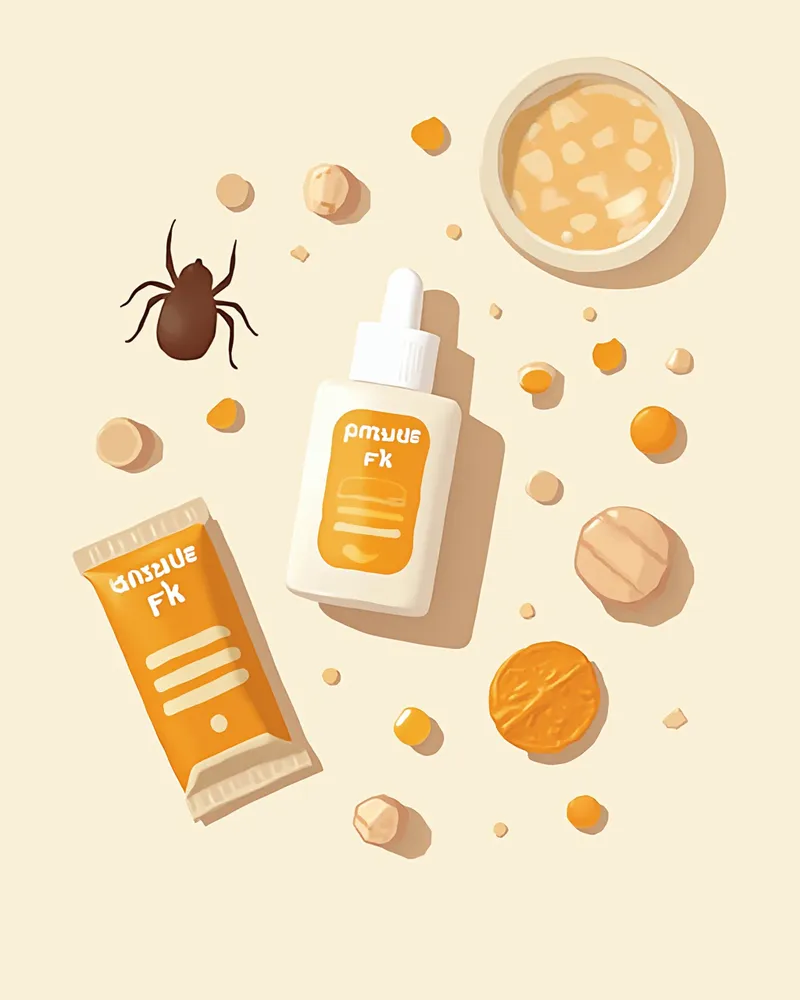
The most common active ingredients in tick collars approved for cats are a combination of flumethrin and imidacloprid. Although flumethrin belongs to the pyrethroid family, it is formulated in a special way that allows the collar to release the ingredient slowly over time. Because it is still a pyrethroid, you must strictly choose products specifically labeled and approved for cats; never use dog versions, even if they list the same active ingredients. For comprehensive protection against both ticks and fleas, veterinarians generally recommend spot-on treatments containing selamectin or oral/topical medications containing fluralaner. Relying on a collar alone may not provide sufficient tick prevention.
Types of Cat-Specific Tick Preventatives

Cat Tick Collar Ingredient Guide

High risk

페르메트린(Permethrin)

진드기·벼룩 살충

Dosage: 고양이 사용 금지

BSAVA 피부과 매뉴얼: 고양이에 절대 사용 불가

Caution

플루메트린(Flumethrin)

진드기 살충·기피

Dosage: 고양이 전용 목걸이 제형만

고양이용 8개월 지속 목걸이 허가

Safe

이미다클로프리드(Imidacloprid)

벼룩 신경 차단

Dosage: 고양이 전용 제품

고양이 안전성 검증 완료

Caution

프로폭서(Propoxur)

벼룩 위주

Dosage: 권장 안 함

구형 카바메이트 — 다른 약물과 병용 시 위험

Checkpoints for Safe Use

Even cat-specific collars can cause adverse effects if used improperly. Be sure to check the following before and during use. - Labeling: Confirm that the label explicitly states "for cats." Never use dog collars, even if they contain the same active ingredients. - Fit: You should be able to fit two fingers comfortably between the collar and your cat’s neck. A collar that is too tight can cause skin irritation. - Monitoring the wear site: For the first week, check daily for redness, hair loss, or itching around the neck area. - Multi-cat households: Accidents are common when one cat wears a dog collar containing permethrin and another cat licks it. Review all pet products used in your home to ensure safety for all animals.
A pet owner checking the fit of their cat's collar to ensure it has enough slack.

Seek Veterinary Care Immediately If These Symptoms Appear

If your cat has worn an inappropriate collar or licked a product intended for dogs and then shows symptoms such as tremors, muscle spasms, excessive drooling, dilated pupils, seizures, high fever above 40°C, or neurological signs like staggering and inability to stand, seek veterinary care immediately. Bring the collar’s packaging or a photo of it to the clinic, as the ingredient list is crucial for determining the appropriate treatment. Avoid dangerous home remedies like inducing vomiting. If excessive drooling is caused by the unpleasant taste of a topical product, you may offer a small amount of milk or tuna juice to help dilute the flavor, but definitive treatment must be administered at a veterinary clinic.

More Effective Alternatives to Collars

For cats that go outdoors frequently or are at high risk of tick exposure, spot-on treatments or oral medications are generally recommended over collars alone. Selamectin spot-on provides broad-spectrum protection against various external parasites, including fleas and ticks, while Fluralaner offers approximately 12 weeks (3 months) of efficacy with a single dose. Even indoor cats require prevention, as ticks can be brought into the home by people or dogs. The most suitable product depends on your cat’s weight, age, and any underlying health conditions, so consulting your veterinarian is the safest approach.

Reviewed by a veterinarian

Dr. Tony — Punnawat Phongkittirak

Dr. Tony — Punnawat Phongkittirak

Veterinarian

A veterinarian who majored in veterinary medicine at Khon Kaen University, Thailand, and completed the IVSA program at North Carolina State University in the United States. Drawing on clinical experience at animal hospitals, he works in the pet healthcare field and is dedicated to building a digital care environment that connects pet parents with veterinarians.

Frequently Asked Questions

Is it dangerous to put a tick collar on a dog for just a short time?
Yes, it is dangerous. Pyrethroid-based ingredients like permethrin and deltamethrin can be absorbed into a cat’s nervous system even with brief exposure, potentially causing tremors and seizures. If your dog uses a permethrin-containing product, you must keep your cat separated to prevent it from licking the treated areas.
Are herbal and essential oil natural collars safe?
“Natural” doesn’t automatically mean “safe.” Certain essential oils, such as tea tree oil, peppermint, and citronella, are toxic to cats. In terms of efficacy, there are very few natural collars with tick-prevention effects proven through clinical trials. Therefore, if your cat is in an environment with a risk of tick exposure, it is safer to use products that are officially registered as veterinary medicines.
Can kittens use flea collars?
The minimum age for use varies by product. For example, the popular feline-specific collar containing flumethrin and imidacloprid is generally recommended for cats aged 10 weeks or older and weighing at least 1 kg. For kittens younger than this, focus on management through regular brushing and environmental cleaning. If treatment is absolutely necessary, it is safest to have a veterinarian prescribe a spot-on formulation specifically approved for kittens.
Is putting on a tick collar enough to prevent ticks?
Not quite. Collars provide the strongest protection around the head and neck, while their efficacy is relatively weaker on the tail and hind legs. If your pet frequently visits areas with tall grass or dense vegetation, or has frequent contact with other animals, combining the collar with a spot-on treatment or oral medication offers more reliable protection.
Is it safe to leave my pet’s collar on all year round?
This cat-exclusive collar is designed for continuous wear over an eight-month period. However, if you notice any skin irritation or hair loss, remove it immediately. We also recommend having the attachment site checked by your veterinarian at least once a year during routine check-ups.

Share

Related Guides

References

[1] BSAVA Manual of Canine and Feline Dermatology, 4th Edition, Ectoparasite Chapter

[2] Plumb's Veterinary Drug Handbook, 10th Edition — Permethrin, Fipronil entries

[3] Boland LA, Angles JM, Feline Permethrin Toxicity: Retrospective Study of 42 Cases, Journal of Feline Medicine and Surgery, 2010

[4] Principles and Practices of Canine and Feline Clinical Parasitic Diseases, Ectoparasite Control Chapter

This information is based on veterinary literature and does not replace diagnosis or treatment. Please consult a veterinarian for specific health concerns.

Metapet Co., Ltd. | CEO: Park Sung-yong | Business Reg. No. 417-88-02562 | Seoul, South Korea | Customer Center

Can Cats Wear Tick Collars? Avoid Permethrin Poisoning Checklist | Meongsiljang