Like
Share
멍실장
고양이 유치 잔존 자주 묻는 질문 Q&A — 보호자가 꼭 알아야 할 핵심

Frequently Asked Questions (FAQ) on Retained Deciduous Teeth in Cats — Key Information for Pet Owners

Oral HealthQ&AMeongsiljang Veterinary Advisory Board

Retained deciduous teeth in cats occur when the permanent teeth fail to erupt, leaving the baby teeth in place. This condition can lead to malocclusion and dental damage, so it’s important to check for it early and manage it promptly.

Retained Deciduous Teeth in Cats Occur When Permanent Teeth Fail to Erupt Properly, Leaving Baby Teeth in Place
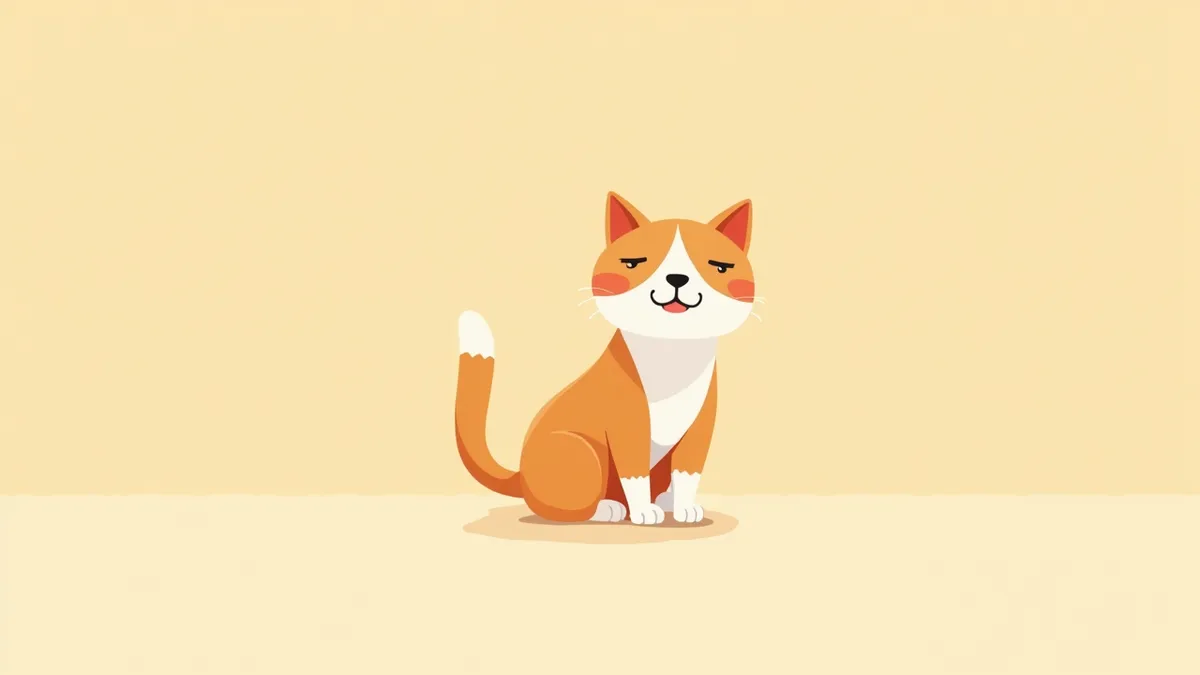
Retained baby teeth in a cat's upper jaw
Retained deciduous teeth in cats occur when baby teeth fail to fall out even after the permanent teeth have erupted, remaining in the mouth. Normally, as permanent teeth emerge between 3 and 6 months of age, the baby teeth should naturally loosen and fall out. However, if this process doesn’t proceed properly, the baby teeth may remain. - Retained Deciduous Teeth: This can interfere with the proper alignment of permanent teeth or cause abnormal dental positioning. - Malocclusion: Misaligned teeth may not fit together correctly, making it difficult for your cat to eat comfortably. - Risk of Dental Damage: The close proximity of retained baby teeth and permanent teeth can lead to wear or damage to the teeth. - Risk of Infection: Inflammation such as periodontitis can develop around retained baby teeth, leading to pain and bad breath. Early detection and veterinary care are essential.

The Main Causes of Retained Deciduous Teeth Are Failure of Baby Teeth to Shed or Abnormal Eruption of Permanent Teeth
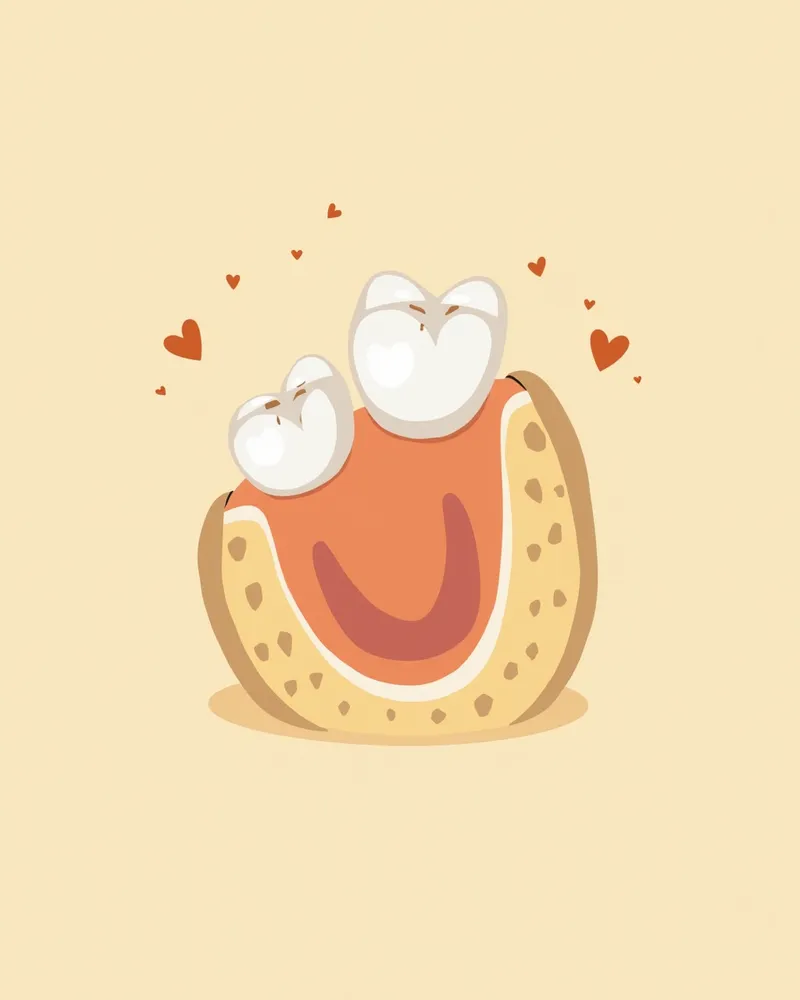
The main reasons for retained deciduous teeth in cats are when the baby teeth do not fall out naturally, or when the permanent teeth erupt in an abnormal direction, preventing the baby teeth from shedding on time. - Failure of deciduous teeth to shed: When baby teeth do not fall out, there is insufficient space for the permanent teeth to erupt. - Abnormal eruption position of permanent teeth: If permanent teeth erupt tilted or in the wrong direction, they cannot properly push out the baby teeth. - Insufficient jaw and dental space: If the jaw shape and tooth alignment do not match well, a lack of space can easily occur. - Genetic factors: Malocclusion is usually genetic, and certain breeds, such as Persians, have a higher genetic risk of dental abnormalities. - Abnormal oral structure: This can also occur if the jaw shape or tooth alignment is abnormal. Early diagnosis and management are key to prevention.
Diagram of a cat’s dental structure showing baby teeth overlapping the adult teeth

Main Signs of Retained Deciduous Teeth Include Visible Overlapping Teeth and Apparent Discomfort When Opening the Mouth

The main signs of retained baby teeth in cats include visible overlapping teeth and apparent discomfort when opening the mouth. - Overlapping teeth: The presence of both baby and adult teeth causes a disordered appearance of the dental alignment. - Difficulty eating: Friction between the teeth causes pain, making it difficult for the cat to eat. - Increased bad breath: Inflammation around the retained baby teeth allows bacteria to proliferate, leading to odor. - Oral discharge: Severe inflammation may result in white or yellow discharge around the corners of the mouth. - Twisted mouth opening: Abnormal tooth alignment can cause the mouth to appear crooked when opened. Early detection is key to successful treatment.
A cat that appears uncomfortable while eating

Retained Deciduous Teeth Increase the Risk of Tooth Damage and Infection, So Early Veterinary Visit Is Necessary

If baby teeth don’t fall out on their own, adult teeth may not grow properly or may become misaligned. This can increase the risk of tooth damage, periodontal disease, and infections. Inflammation around the baby teeth can cause significant pain and make eating difficult. It’s best to have your vet check your pet early to ensure everything is safe and healthy.

Veterinarians Diagnose Retained Deciduous Teeth via X-rays and Perform Surgical Extraction When Necessary

Veterinarians accurately diagnose retained deciduous teeth in cats through oral examinations combined with X-rays. - X-ray examination: X-rays allow for precise assessment of whether the baby teeth have fallen out and the positioning of the permanent teeth. - Surgical extraction: If baby teeth remain, they can prevent proper eruption of the permanent teeth, so surgical removal is performed when necessary. - General anesthesia: The procedure is carried out under general anesthesia to ensure safety. - Recovery period: Cats can typically resume normal activities within 1 to 2 days after surgery. - Preventing recurrence: Regular check-ups are essential to monitor dental health even after surgery. Early intervention improves treatment success rates.
A veterinarian taking an X-ray of a cat's teeth

Post-Extraction Care Is Essential for Maintaining Dental Health and Preventing Recurrence

After baby teeth are removed, consistent oral care is essential to maintain dental health. - Regular brushing: Brushing your pet’s teeth with a toothbrush once or twice a day helps keep both teeth and gums healthy. - Dental treats: Offer treats designed to help clean teeth. - Veterinary check-ups: Schedule regular exams every six months to monitor tooth alignment. - Monitor bad breath: Severe bad breath may be a sign of inflammation or infection. - Watch eating habits: If your pet shows signs of pain while eating, seek a veterinary exam right away. Ongoing care ensures long-term dental health.
A cat chewing on a dental health treat

Comparison of Management Strategies by Stage of Retained Deciduous Teeth

ItemMain SymptomsRecommended Actions
3–4 months of ageDeciduous (baby) teeth not falling outVeterinary examination and X-ray check
5–6 months of agePermanent teeth not growing inConsider deciduous tooth extraction surgery
7 months and olderMalocclusion, painBegin early surgery and management

Actions differ by stage, so early identification is important.

Retained Deciduous Teeth Are More Common in Small Breeds

Retained deciduous teeth and malocclusion in cats can be influenced by breed-specific genetic predispositions. Particular attention is needed for breeds like Persians, which are known to have a genetic tendency toward malocclusion and dental abnormalities. - Breed-specific genetic predispositions: Certain breeds, such as Persians, have a genetic tendency toward malocclusion and abnormal tooth alignment. - Jaw and tooth space issues: If the jaw shape does not match the size and arrangement of the teeth, there may not be enough space for permanent teeth to erupt properly. - Individual oral structure variations: Even within the same breed, risk levels can vary depending on each cat’s individual oral anatomy. - Early screening is essential: It is recommended to begin oral examinations at 3 to 4 months of age. - Preventive care: Working with your veterinarian to establish an early management plan can help prevent problems before they arise. Breeds with genetic predispositions require special attention.
Persian cats with short muzzles

Reviewed by a veterinarian

Dr. Tony — Punnawat Phongkittirak

Dr. Tony — Punnawat Phongkittirak

Veterinarian

A veterinarian who majored in veterinary medicine at Khon Kaen University, Thailand, and completed the IVSA program at North Carolina State University in the United States. Drawing on clinical experience at animal hospitals, he works in the pet healthcare field and is dedicated to building a digital care environment that connects pet parents with veterinarians.

Frequently Asked Questions

Can retained baby teeth fall out naturally as a cat grows?
No. Most kittens lose their baby teeth and grow their adult teeth by six months of age. If baby teeth are still present after six months, a veterinary examination is necessary.
How painful is a baby tooth extraction surgery?
Since the procedure is performed under general anesthesia, your pet won’t feel any pain during the surgery. Afterward, we’ll provide pain relief medication, and most pets recover within one to two days.
Do teeth grow back after baby teeth are removed?
Once baby teeth are removed, adult teeth grow in normally. Extracting baby teeth surgically creates enough space for adult teeth to develop properly, ensuring healthy growth without issues.
Can retained baby teeth be prevented?
Early dental check-ups and regular care can help prevent issues. For small breeds, it's especially important to have their oral health checked by a veterinarian starting at 3 to 4 months of age.
How much does a baby tooth extraction surgery cost?
Surgical costs vary depending on the region and clinic. Typically, the cost ranges from $40 to $100, including X-rays and anesthesia. Please consult with your veterinarian for more details.

Share

Related Guides

References

[1] The Cat, Clinical Medicine and Management, 2nd Edition. 2020.

[2] American Veterinary Dental College. Feline Dental Disease Guidelines. 2021.

[3] Plumb's Veterinary Drug Handbook, 9th Edition. 2022.

This information is based on veterinary literature and does not replace diagnosis or treatment. Please consult a veterinarian for specific health concerns.

Metapet Co., Ltd. | CEO: Park Sung-yong | Business Reg. No. 417-88-02562 | Seoul, South Korea | Customer Center

Retained Deciduous Teeth in Cats: 5 FAQs | Meongsiljang