Like
Share
멍실장
고양이 구강 통증 신호 자주 묻는 질문 Q&A — 보호자가 꼭 알아야 할 핵심

Frequently Asked Questions About Cat Oral Pain Signals — Key Information Every Owner Must Know

Oral HealthQ&AMeongsiljang Veterinary Advisory Board

Recognizing the signs of oral pain in cats allows for early treatment. We’ve compiled the essential information every pet owner should know in a Q&A format.

Cat Oral Pain Signals Exist Even When Not Visible

An image showing a cat touching its mouth with its paw.
Oral pain in cats can be subtle and difficult for owners to notice. Even if your cat isn’t opening its mouth wide or vocalizing, it may still be in discomfort, making early detection crucial.
Bad breath: Severe halitosis can indicate dental or gum disease, or bacterial overgrowth.
Changes in eating habits: Your cat may eat slowly, chew on only one side, drop food, or show reluctance to eat.
Drooling: Pain can cause excessive drooling or wetness around the mouth.
Touching or licking around the mouth: You might notice your cat pawing at its face or mouth, or licking the area excessively.
These signs may not just indicate a simple loss of appetite—they could be signals of oral pain.

Why Is Cat Oral Pain Easily Overlooked?

Cats have a strong instinct to hide pain, so they may appear normal even when they’re unwell. This behavior stems from their survival instincts.
Not opening the mouth: Cats perceive exposing a painful mouth as risky.
Changes in eating habits: Severe pain can lead to prolonged mealtimes or a tendency to eat from only one side.
Decreased activity: Cats tend to conserve energy when in pain.
Changes in fur texture: They may frequently lick around their mouth, leaving the fur damp.
It’s important to carefully observe these changes. If you notice any shifts in how your cat eats, consider scheduling an oral examination.
An image showing a cat sitting quietly, displaying signs of pain.

What Are the Main Causes of Oral Pain?

The most common causes of oral pain in cats are dental disease and oral inflammation. These issues can extend beyond simple dental problems and impact your cat’s overall health.
Tooth resorption: A condition in which the tooth structure gradually breaks down, causing significant pain.
Periodontitis: Inflammation of the gums, leading to swelling and bleeding.
Tooth fractures: Often caused by severe trauma or excessive chewing.
Oral ulcers or wounds: Can result from sharp food particles or injuries from other animals.
Oral tumors: Though less common, malignant growths can also cause pain.
A veterinarian must accurately diagnose these conditions, as leaving them untreated can lead to serious complications.
An image showing common inflammation in a cat's teeth and gums.

Comparison of Symptoms by Severity of Oral Pain

ItemMildModerateSevere
Eating HabitsEats on only one sideChews slowlyDoes not eat at all
Behavior Around the MouthOccasionally licksFrequently licksScratches with the paw
Activity LevelNormalQuietNo movement
Bad BreathSlight odorStrong odorFoul stench

The more severe it is, the more urgently an immediate veterinary visit is needed.

When Should You Go to the Vet Immediately?

If your cat is experiencing oral pain, a prompt veterinary visit is necessary if the symptoms worsen or persist.
Severe and persistent bad breath: If the odor does not fade and continues, there is a high likelihood of dental or gum disease, requiring veterinary care.
Inability to eat: If your cat refuses food or has difficulty eating, this can lead to dehydration and malnutrition, so it should be checked promptly.
Bleeding or swelling around the mouth: Oral bleeding or swelling may indicate inflammation, infection, or trauma.
Excessive drooling: Severe pain can cause noticeable drooling or wetness around the mouth.
Weight loss: If you notice a significant decrease in weight, immediate veterinary attention is recommended.
If these symptoms appear, a veterinarian can provide an accurate diagnosis and appropriate treatment.
An image showing a cat with facial swelling and drooling saliva.

Signals Requiring Immediate Veterinary Visit

If your cat is unable to eat, has bleeding or swelling around the mouth, or is drooling excessively, you should visit the vet immediately. These could be signs of severe pain, infection, or oral disease.

Home Care Methods

After your pet has been diagnosed by a veterinarian, proper care at home is essential for pain relief and recovery.
Offer soft food: Choose wet food or meals with plenty of broth.
Clean around the mouth: Gently wipe the area around your pet’s mouth with a soft cloth.
Adhere to medication instructions: Administer prescribed medications exactly as directed by your veterinarian.
Maintain a calm environment: Allow your pet to rest in a quiet space.
Manage food odors: Be mindful that strong smells can be irritating.
These care practices help accelerate recovery and prevent recurrence.
An image showing a cat eating soft wet food

Daily Care Tips for Prevention

Preventing oral pain requires consistent daily care, with early prevention being the most effective approach.
Regular oral checks: Examine your cat’s face and mouth at least once a week.
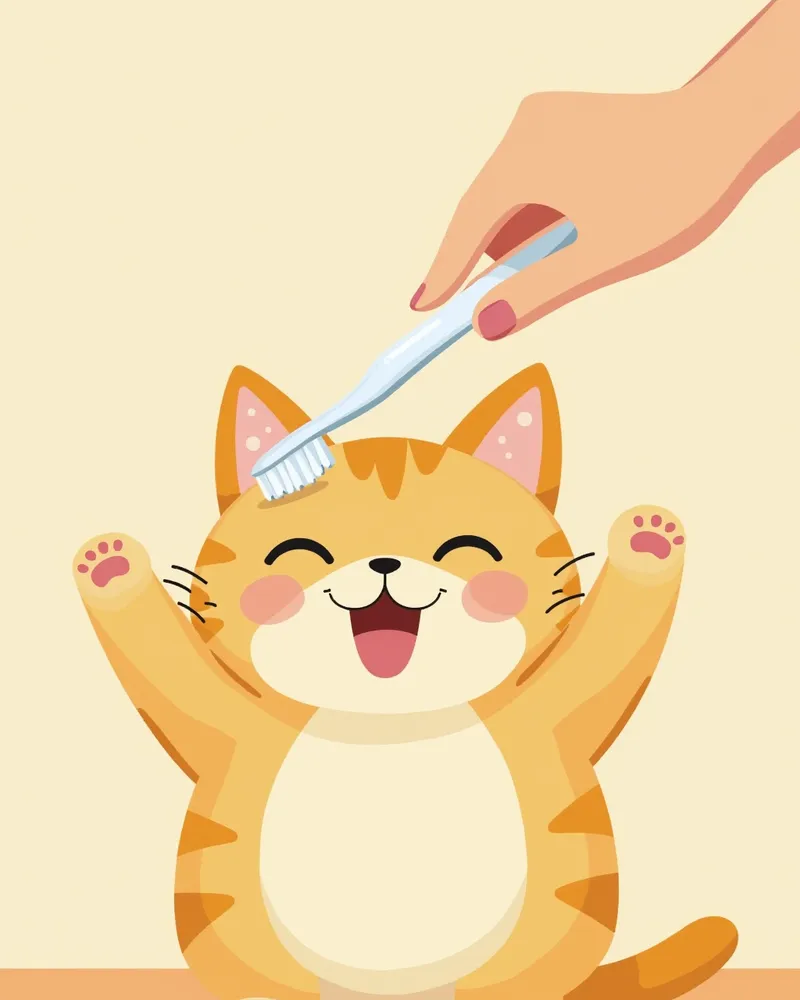
Teeth cleaning: Brush their teeth two to three times a week using a pet-specific toothbrush and toothpaste.
Choose oral health treats: Offer treats designed to help clean teeth.
Maintain a healthy diet: Provide a balanced, meat-centered diet.
Routine veterinary exams: Schedule an oral examination with your veterinarian at least once a year.
These habits play a vital role in preventing dental disease and supporting your cat’s overall health.
An image showing a cat receiving a dental cleaning

Caution: Do Not Administer Medication at Home

Giving your cat medication on your own to relieve oral pain can be dangerous. Human medications or incorrect drugs may cause side effects such as gastrointestinal upset, and since dosages must be tailored to each individual cat, it is essential to follow a veterinarian’s prescription and guidance.

Reviewed by a veterinarian

Dr. Tony — Punnawat Phongkittirak

Dr. Tony — Punnawat Phongkittirak

Veterinarian

A veterinarian who majored in veterinary medicine at Khon Kaen University, Thailand, and completed the IVSA program at North Carolina State University in the United States. Drawing on clinical experience at animal hospitals, he works in the pet healthcare field and is dedicated to building a digital care environment that connects pet parents with veterinarians.

Frequently Asked Questions

My cat has bad breath. Is that normal?
Strong bad breath often signals dental disease or oral inflammation. If the odor persists, it’s best to consult your veterinarian.
Is teeth cleaning scary for cats?
At first, your cat may feel a bit uncomfortable, but with gentle, consistent training, they’ll gradually get used to it. Using the right tools and a soft, patient approach is key.
How much does it cost to treat oral pain?
Treatment costs vary depending on the diagnosis. Tooth extraction typically ranges from $40 to $100, while periodontal treatment costs between $20 to $60.
Is it okay if my cat doesn't eat?
If your pet continues to refuse food or is unable to eat, they are at risk of dehydration and malnutrition. Please consult a veterinarian as soon as possible.
Can oral pain affect a cat's lifespan?
Severe oral diseases can impact your pet’s overall health. Early diagnosis and treatment can help them live a healthier life.

Share

Related Guides

References

[1] Feline Emergency and Critical Care Medicine, 2nd Ed, 2020

[2] The Cat, Clinical Medicine and Management, 2nd Edition, 2019

[3] 100 Top Consultations in Small Animal General Practice, 2021

This information is based on veterinary literature and does not replace diagnosis or treatment. Please consult a veterinarian for specific health concerns.

Metapet Co., Ltd. | CEO: Park Sung-yong | Business Reg. No. 417-88-02562 | Seoul, South Korea | Customer Center

Cat Oral Pain Signals: FAQ Every Owner Must Know | Meongsiljang