

When Is a Dog Blood Transfusion Absolutely Necessary? — From Anemia and Hemorrhage Signs to the Golden Window
Our veterinary advisory team has summarized the key points on when dogs need blood transfusions, what blood products are used, and how to care for them at home afterward.
What Is a Dog Blood Transfusion?
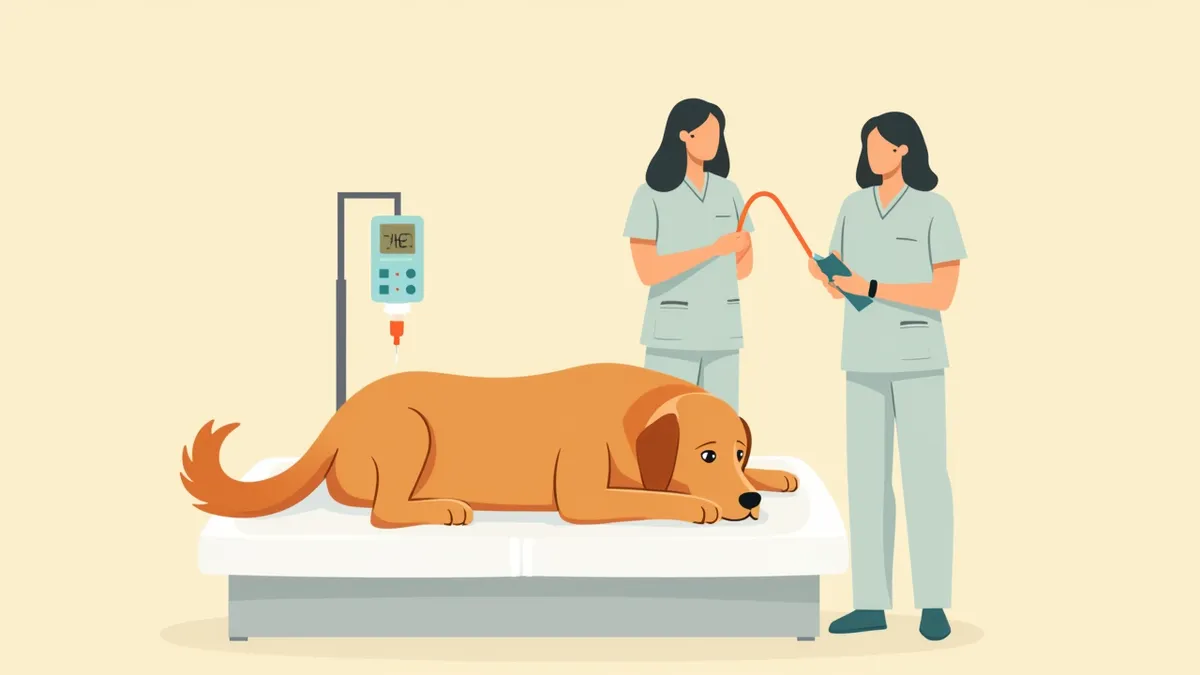
5 Common Situations Requiring a Blood Transfusion

Comparison of Blood Products Used in Transfusions
| Item | Whole Blood | Packed Red Blood Cells | Fresh Frozen Plasma |
|---|---|---|---|
| Main Components | Red blood cells + plasma + platelets | Mainly red blood cells | Plasma + coagulation factors |
| Main Indications | Acute massive hemorrhage | Correcting anemia | Coagulation disorders·hypoproteinemia |
| Storage Period | Refrigerated 3–5 days | Refrigerated 35–42 days | Frozen up to 1 year |
The choice of blood product is determined by the veterinarian based on the clinical condition
Blood Typing and Cross-Matching: Essential Tests Before a Transfusion

If You See These Symptoms, Go to an Emergency Vet Immediately
If your pet’s gums look pale, white, or blue, take them to an emergency vet immediately. Rapid panting, inability to walk, sudden collapse, or a pulse that’s excessively fast or weak may indicate severely compromised blood flow. Acting quickly during this critical window can be the difference between life and death.
How Is a Blood Transfusion Performed? — Procedure and Duration
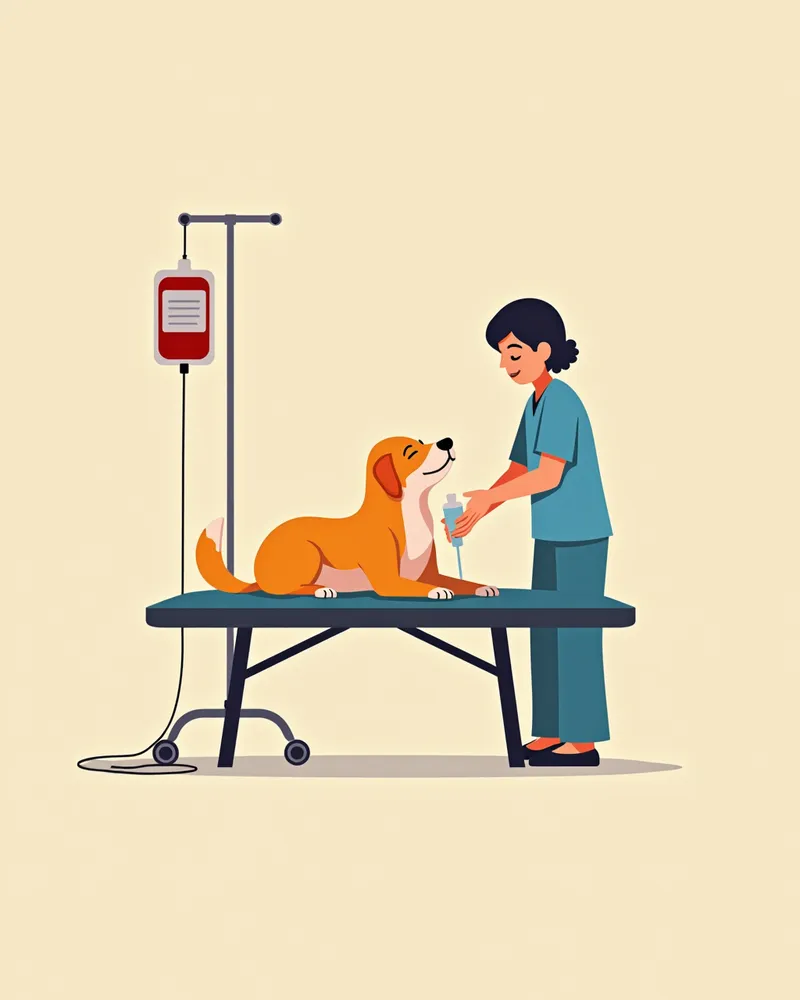
Transfusion Reactions — Inform Your Vet Immediately If These Symptoms Occur
Although blood transfusion reactions are rare, they can occur. If your pet develops a fever, vomiting, hives, or difficulty breathing during or immediately after the transfusion, inform your veterinarian right away. In severe cases, a hemolytic reaction—where the transfused blood cells are destroyed—may occur. Continue to closely monitor your pet’s condition at home for 24 to 48 hours following the transfusion.
How to Care for Your Pet at Home After a Blood Transfusion
Reviewed by a veterinarian

Dr. Tony — Punnawat Phongkittirak
VeterinarianA veterinarian who majored in veterinary medicine at Khon Kaen University, Thailand, and completed the IVSA program at North Carolina State University in the United States. Drawing on clinical experience at animal hospitals, he works in the pet healthcare field and is dedicated to building a digital care environment that connects pet parents with veterinarians.
Reviewed 2026-06-01
Frequently Asked Questions About Dog Blood Transfusions
How much does a dog blood transfusion cost?
Is a single blood transfusion usually enough?
What are the requirements for dogs that donate blood (blood donor dogs)?
Can anemia be treated without a blood transfusion?
How long after a blood transfusion does it take for the effects to become noticeable?
Share
Related Guides

Top Recommendations and Selection Criteria for Cat FIV and FeLV Testing

Top Microchip Implantation Management Recommendations for Dogs and Key Selection Criteria

Complete Guide to Choosing, Comparing, and Managing the Best Heartworm Preventives for Dogs

Dog NT-proBNP & Troponin Heart Markers FAQ — Key Information Every Pet Owner Should Know

What Is Canine Endocarditis? — A Comprehensive Guide from Early Symptoms to Treatment

What is Canine Hypertrophic Cardiomyopathy? — A Disease of Thickened Heart Walls, Symptoms, and Treatment

Frequently Asked Questions on the Controversy Between Grain-Free Dog Food and DCM — Key Facts Every Pet Owner Should Know

How Much Exercise Is Safe for Dogs with Heart Disease? — Safety Guidelines and Warning Signs

If Your Dog’s Heartbeat Is Irregular — Causes of Ectopic Beats and When to Visit the Vet

Dog Heart Failure Emergency: What to Do at Home? — Golden Hour Response for Breathing Difficulties
References
[1] Silverstein DC, Hopper K (eds): Small Animal Critical Care Medicine, 3rd Edition, Elsevier, 2023
[2] Drobatz K, Hopper K, Rozanski E, Silverstein D (eds): Textbook of Small Animal Emergency Medicine, John Wiley and Sons, 2018
[3] Kenney EM et al: Advanced Monitoring for Small Animal Emergency and Critical Care, 2nd Edition, Wiley-Blackwell, 2024