Like
Share
멍실장
방사선치료 종류와 적응증 총정리

A Complete Guide to Types and Indications of Radiation Therapy

ImmunityQ&AMeongsiljang Veterinary Advisory Board

We’ve compiled the essentials every pet owner should know about radiation therapy for pets, including the different types (curative, palliative, and stereotactic), which tumors they’re used for, as well as potential side effects and how to manage them.

What is Radiation Therapy?
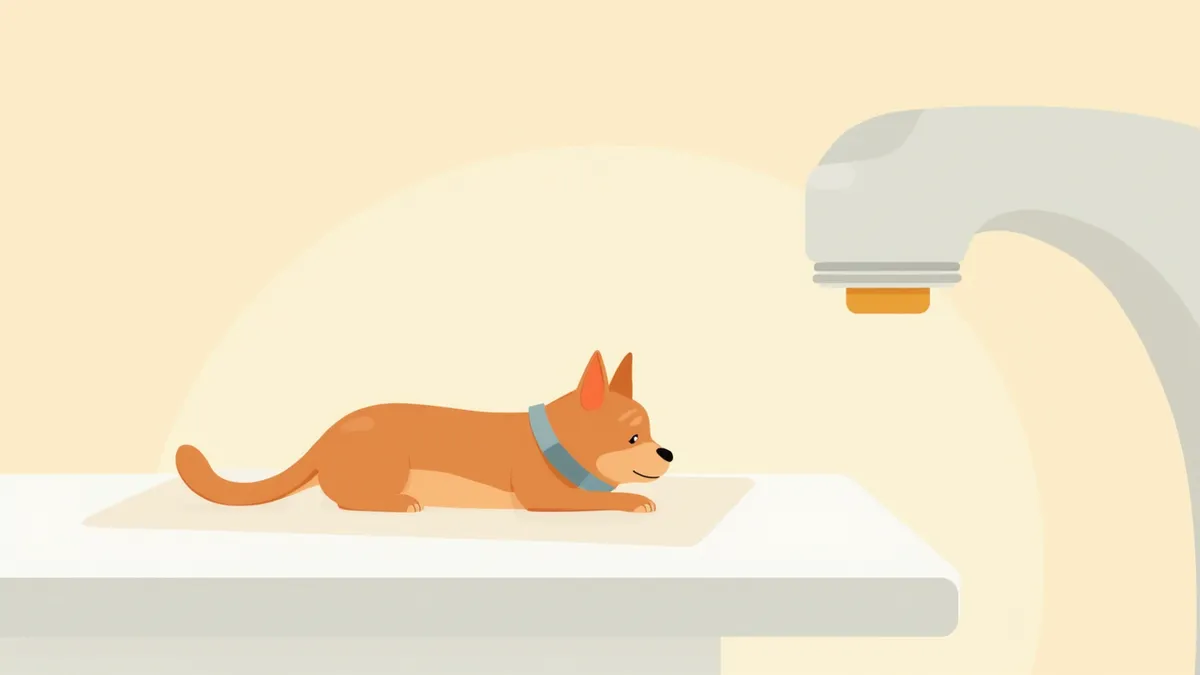
A veterinarian preparing for radiation therapy and a dog lying on the treatment table
Radiation therapy is a localized treatment that uses high-energy radiation to damage the DNA of cancer cells, thereby shrinking or eliminating tumors. The most important point to understand is that the type of radiation therapy varies significantly depending on its purpose. It is categorized into curative therapy, which aims for a complete cure; palliative therapy, which focuses on alleviating pain and symptoms; and stereotactic radiation therapy (SRT), which delivers concentrated doses over a short number of sessions. A veterinary oncologist determines the appropriate approach based on the tumor’s location, size, and whether it has metastasized. This treatment is particularly often chosen for brain, nasal, and oral tumors that are difficult to remove surgically.

How Does Radiation Kill Cancer Cells?

Radiation therapy works by directly and indirectly breaking the double helix of DNA within cells, preventing cancer cells from dividing. According to veterinary oncology textbooks, cancer cells have a reduced ability to repair DNA damage compared to normal cells, so they suffer greater harm even when exposed to the same radiation dose. However, because normal tissues are also affected to some extent, treatment is delivered in multiple sessions using a method called fractionation. This approach allows normal cells time to recover while cancer cells accumulate damage and eventually break down.

Comparison of Radiation Therapy Types

The purpose, duration, and indications each differ. Take a quick look at the table below to compare the key differences at a glance.

Comparing Curative, Palliative, and Stereotactic Radiation Therapy

ItemDefinitive RTPalliative RTStereotactic RT (SRT/SRS)
PurposeCure or long-term controlPain/symptom reliefHigh-dose focused irradiation
Number of treatmentsAbout 10–20 sessionsAbout 2–6 sessions1–5 sessions
Total duration2–4 weeks1–2 weeksWithin 1 week
Main indicationsNasal tumors, brain tumors, soft tissue sarcomaOsteosarcoma pain, terminal tumorsBrain tumors, small localized tumors
Anesthesia requiredRequired each sessionRequired each sessionRequired each session

The actual schedule is adjusted by a veterinary oncology specialist based on the tumor type and the patient's condition.

Which Tumors Are Treated with Radiation Therapy?
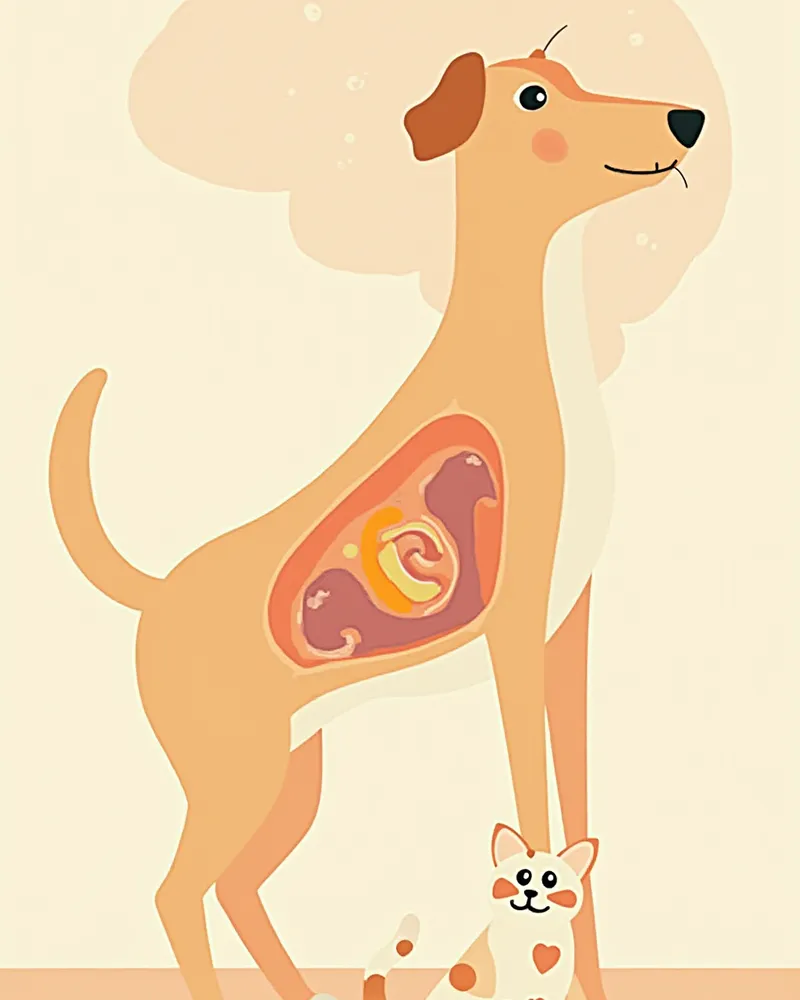
It is primarily used when a tumor is located in an area that is difficult to remove surgically or when managing microscopic residual cancer after surgery is necessary.
Nasal Tumors: This is the most common indication in dogs. Since surgery alone often fails to improve symptoms or survival time, radiation therapy is the preferred first-line treatment. Techniques such as intensity-modulated radiation therapy (IMRT) and stereotactic radiation therapy help alleviate symptoms and extend survival.
Brain Tumors: Because many brain tumors are located in areas that are difficult to access surgically, radiation therapy is a key treatment option. Stereotactic radiation therapy (SRT) is particularly valuable, as it allows for precise targeting of the tumor while minimizing exposure to surrounding healthy tissue.
Oral Squamous Cell Carcinoma: A multidisciplinary approach combining surgery and radiation therapy is commonly employed.
Soft Tissue Sarcoma: Radiation is used as an adjuvant therapy after surgery to control microscopic residual cancer cells.
Osteosarcoma Pain: Radiation is used palliatively to help relieve pain.
Anatomical illustrations of the main radiation therapy indication sites for dogs and cats

Essential Pre-Treatment Checks for Radiation Therapy

Radiation therapy requires general anesthesia for each session to ensure the pet is positioned identically for precise targeting. Therefore, pre-anesthetic blood tests to assess heart, kidney, and liver function are essential, and the risks of anesthesia must be carefully discussed for senior pets or those with underlying health conditions. Acute side effects such as skin inflammation, mucosal irritation, and hair loss may occur within two to four weeks during or after treatment. It is important for pet owners to receive a thorough explanation of both these side effects and potential long-term complications before signing the consent form.

Managing Side Effects During and After Treatment

Side effects are categorized as either acute or chronic. Acute side effects (during treatment to within 4 weeks): Skin redness, hair loss, mucositis, and decreased appetite are common. Most of these resolve on their own within 4 to 6 weeks. Chronic side effects (after 6 months): Fibrosis, cataracts, and osteonecrosis may rarely occur. It is important to keep the treatment area dry and to use an Elizabethan collar to prevent your pet from licking it. Avoid irritating shampoos and sprays, and use only the ointment prescribed by your veterinarian. If your pet’s appetite decreases, switch to a palatable wet food.
A pet owner applying ointment to their dog’s treatment area while the dog wears a neck collar

Cost and Accessibility of Treatment

Radiation therapy requires expensive linear accelerator equipment, so it’s only available at a few university hospitals and specialized second- and third-tier veterinary clinics in Korea. Total costs vary widely, ranging from several thousand to over seven thousand dollars, depending on the type and number of treatments, as well as anesthesia fees. It’s important to have a detailed consultation with a board-certified veterinary oncologist before starting treatment to get a clear estimate that includes the expected number of sessions, anesthesia costs, and follow-up examination fees. Some pet insurance plans partially cover cancer treatments, so be sure to review your policy terms.

How Does It Differ from Surgery and Chemotherapy?

Radiation therapy is a localized treatment. For cancers that have spread throughout the body, such as lymphoma, chemotherapy is the primary approach. While surgery directly removes the tumor, radiation serves as an alternative when surgical removal is not feasible due to the tumor’s location. In clinical practice, combination therapies—such as surgery plus radiation, or radiation plus chemotherapy—are common. The optimal combination depends on a comprehensive assessment of the tumor type, grade, metastasis status, and the pet’s overall condition. Rather than relying on a single treatment modality, it is advisable to seek multidisciplinary consultation.

Reviewed by a veterinarian

Dr. Tony — Punnawat Phongkittirak

Dr. Tony — Punnawat Phongkittirak

Veterinarian

A veterinarian who majored in veterinary medicine at Khon Kaen University, Thailand, and completed the IVSA program at North Carolina State University in the United States. Drawing on clinical experience at animal hospitals, he works in the pet healthcare field and is dedicated to building a digital care environment that connects pet parents with veterinarians.

Frequently Asked Questions

At what age can pets begin receiving radiation therapy?
Age itself is not an absolute contraindication. However, since general anesthesia is required for each session, it is more important to ensure that heart and kidney function are adequate. Even senior pets can undergo treatment if they pass the pre-anesthetic evaluation.
Will the owner be exposed to radiation during treatment?
No, external beam radiation therapy does not leave any radiation in the body. You can safely hug your pet right after treatment without any risk of radiation exposure to you.
Can radiation therapy cure the disease?
It depends on the type of tumor. For instance, localized soft tissue sarcomas or certain meningiomas can potentially be cured long-term with curative treatment. However, if the cancer has metastasized, the primary goal shifts to managing symptoms.
How should I manage my pet’s diet and nutrition during radiation therapy?
During periods of decreased appetite, switch to a highly palatable wet food or a prescription diet. If your pet has oral mucositis, soft foods are recommended. Consult your veterinarian about considering nutritional supplements as well.
How often should follow-up exams be done after treatment?
Typically, follow-up imaging and blood tests are scheduled at 4–6 weeks, 3 months, and 6 months after treatment ends, then every 6 months thereafter. Early detection of recurrence or metastasis significantly influences prognosis.

Share

Related Guides

References

[1] Gordon, I. et al., Therapeutic Strategies in Veterinary Oncology, Chapter: Radiation Therapy

[2] Hunley, D.W., Mauldin, G.N. et al. (2010), Clinical outcome in dogs with nasal tumors treated with intensity-modulated radiation therapy, Canadian Veterinary Journal 51(3), 293-300

[3] Textbook of Respiratory Disease in Dogs and Cats, Chapter 37: Nasal Tumors

[4] Gibbons, J.P. (2019), Khan's The Physics of Radiation Therapy, 6th edn., Lippincott Williams & Wilkins

This information is based on veterinary literature and does not replace diagnosis or treatment. Please consult a veterinarian for specific health concerns.

Metapet Co., Ltd. | CEO: Park Sung-yong | Business Reg. No. 417-88-02562 | Seoul, South Korea | Customer Center

Radiation Therapy for Pets: Types, Uses & Side Effects | Meongsiljang