Like
Share
멍실장
테르비나핀 항진균제 완벽 가이드 - 곰팡이 감염 치료제

What is Terbinafine? — The Key to Treating Fungal Infections in Dogs and Cats

Skin & CoatQ&AMeongsiljang Veterinary Advisory Board

Terbinafine is an allylamine antifungal medication used as a first-line treatment for fungal skin infections in dogs and cats. Here’s how it works, along with dosage information, potential side effects, and important precautions for use.

What is Terbinafine?
Dogs and cats prescribed terbinafine
Terbinafine is an allylamine antifungal medication commonly used as a first-line treatment for fungal skin infections in pets. It is crucial to avoid self-diagnosis and self-medication. Fungal conditions such as dermatophytosis (ringworm) can be difficult to distinguish from bacterial infections or allergies based on visual inspection alone, so it is essential to have your veterinarian make an accurate diagnosis and strictly follow the prescribed dosage and treatment duration.

How Does It Kill Fungi?

Terbinafine works by blocking the synthesis of ergosterol, a key component of fungal cell membranes. It inhibits an enzyme called squalene monooxygenase, causing squalene to accumulate within the fungal cell while simultaneously weakening the cell membrane to produce its antifungal effect. However, this effect varies depending on the type of fungus. It is fungicidal (kills the fungus directly) against dermatophytes (the cause of ringworm), but only fungistatic (inhibits growth) against yeasts such as Malassezia. Unlike azole medications, terbinafine does not inhibit mammalian liver enzymes (cytochrome P450), resulting in relatively few drug interactions.

What Conditions Is It Used For?

Terbinafine is primarily used for the following fungal infections: - Dermatophytosis: First-line treatment for ringworm in medium- to large-breed dogs. - Malassezia infection: A 1% topical formulation is used; however, achieving effective systemic concentrations may require higher oral doses. - Sporotrichosis: Rather than being used as a standalone first-line therapy, it is employed in combination with other antifungal agents for resistant cases that do not respond to standard treatment. - Onychomycosis: Fungal infection of the nails. - Microsporum canis: A common cause of ringworm in cats. According to veterinary dermatology textbooks, terbinafine has the lowest minimum inhibitory concentration (MIC) against dermatophytes, making it a current drug of choice alongside itraconazole.
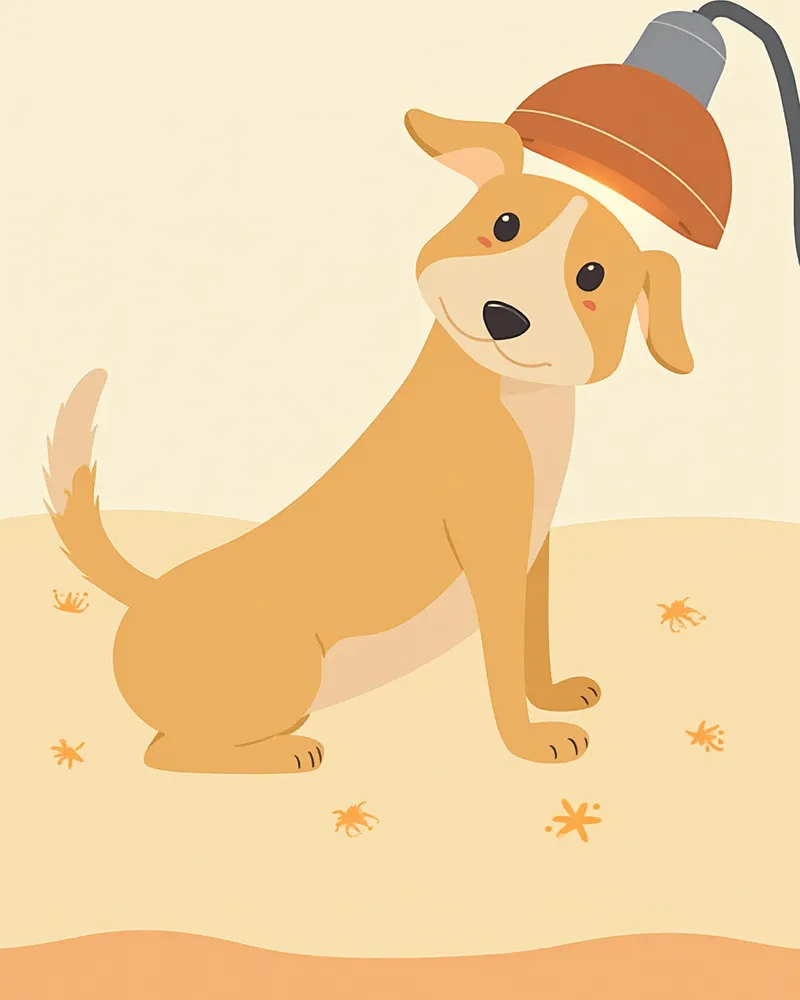
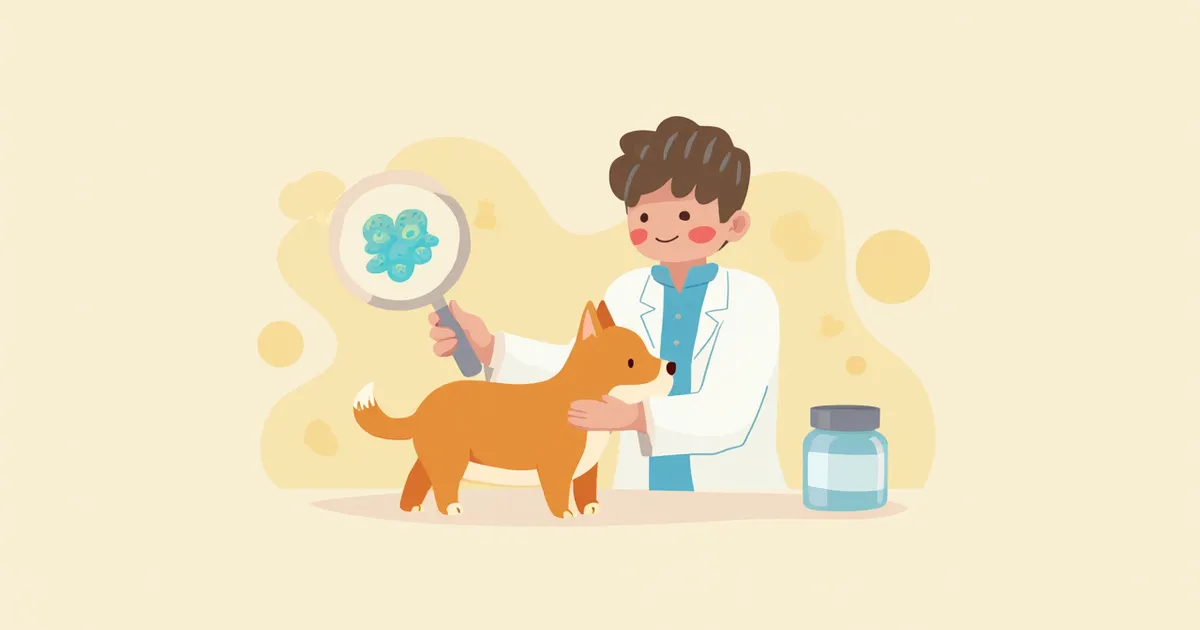
Using a Wood's lamp to examine a dog's skin for fungal infection

Never Self-Diagnose or Self-Medicate

Terbinafine is a prescription medication. Pet owners should never crush human Lamisil tablets for their pets or purchase and administer the drug online. The appropriate dosage and treatment duration must be determined by a veterinarian based on the pet’s weight, the site of infection, the type of fungus, and liver function. In pets with pre-existing liver disease, dose adjustment is essential; starting treatment without blood tests can lead to hepatotoxicity.

When Do Effects Appear?

Terbinafine has a unique property of accumulating well in hair follicles, the outer layer of skin, and nails, which means its effects can last for several days to weeks even after you stop giving it. In fact, studies have shown that in cats, drug levels in the fur remained above the minimum inhibitory concentration (MIC) for most dermatophytes for several weeks, even after just two weeks of treatment. However, regardless of visible improvements, it’s important to continue administering the medication until mycological cure is confirmed. Typically, the medication is continued for a certain period even after clinical symptoms improve. Stopping the medication midway because symptoms seem to be getting better increases the risk of recurrence. The most important thing is to ensure your pet takes the medication consistently for the entire duration prescribed by your veterinarian.

What Are the Side Effects?

Terbinafine is generally considered safe, but it can cause the following side effects: - Gastrointestinal signs: Vomiting and diarrhea (these are the most commonly reported side effects) - Elevated liver enzyme levels: Routine blood tests are not strictly necessary for healthy animals without underlying conditions. However, if your pet has pre-existing liver disease or other concurrent illnesses, consult your veterinarian about monitoring liver values. - Rare liver injury: Although rare, hepatotoxicity has been reported in humans, so liver enzyme evaluation may be considered before and during treatment when appropriate. - Changes in appetite and general condition: Prolonged vomiting can lead to loss of appetite and lethargy. Most side effects are mild and resolve after discontinuing the medication. However, if vomiting persists or your pet becomes lethargic, contact your veterinarian immediately.
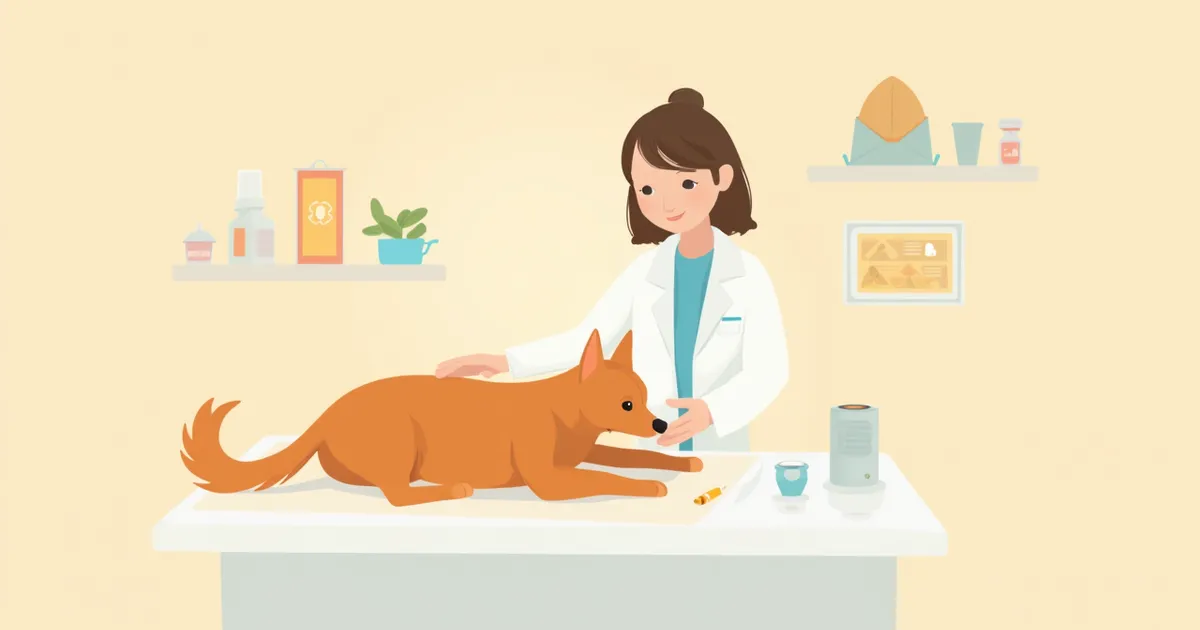
A pet owner checking on their dog while it’s taking medication

Is Liver Function Testing Strictly Necessary?

For healthy animals without underlying conditions, routine blood tests are not strictly necessary regardless of the duration of terbinafine treatment. According to the BSAVA textbook of veterinary dermatology, terbinafine can be used without regular laboratory monitoring if there are no comorbidities. However, you should consult your veterinarian about considering blood tests (including ALT and ALP) in the following situations: - If there is existing or suspected liver disease - If other medications that may affect liver metabolism are being used concurrently - If abnormal symptoms such as repeated vomiting, lethargy, or jaundice occur during treatment In any case, follow the dosage schedule and instructions provided by your veterinarian, and promptly report any changes in your pet's condition.

How to Administer and Precautions

Here’s how to administer terbinafine: - How to give: Mix it into your pet’s food or hide it in a treat. It can be given with or without food. - Timing: Give it at the same time every day for best results. - Splitting tablets: Do not split the tablet without your veterinarian’s approval, as this may alter the dose. - Missed dose: Give it as soon as you remember, but if it’s close to the next scheduled dose, skip the missed one. Never give a double dose. - Storage: Keep out of direct sunlight and store at room temperature (15–25°C). Environmental disinfection is also important. Fungal spores can survive on carpets and blankets in your home for months, so please also refer to our guide on managing skin fungal infections at home.

Terbinafine vs. Itraconazole vs. Ketoconazole

ItemTerbinafineItraconazoleKetoconazole
Drug classAllylamineAzoleAzole
Mechanism of actionFungicidal (dermatophytes) / fungistatic (yeasts)Fungistatic (inhibits growth)Fungistatic (inhibits growth)
Efficacy against dermatophytesBestGoodModerate
Risk of liver toxicityLowModerateHigh
Interactions with other drugsFewManyMany
Safety in catsGoodGoodCaution needed

The actual choice is decided by the veterinarian, considering your pet's condition, the type of infection, and existing medications

Reviewed by a veterinarian

Dr. Tony — Punnawat Phongkittirak

Dr. Tony — Punnawat Phongkittirak

Veterinarian

A veterinarian who majored in veterinary medicine at Khon Kaen University, Thailand, and completed the IVSA program at North Carolina State University in the United States. Drawing on clinical experience at animal hospitals, he works in the pet healthcare field and is dedicated to building a digital care environment that connects pet parents with veterinarians.

Frequently Asked Questions

Can I give my dog Lamisil (the human version)?
Although the active ingredient is terbinafine, the dosage varies significantly depending on body weight, so self-medication is strictly prohibited. Administering a human dose can easily lead to an overdose and increase the risk of liver toxicity. Therefore, it is essential to obtain a prescription from a veterinarian.
Can it be used on pregnant or nursing animals?
Safety during pregnancy and lactation has not been fully established. It is unclear whether the drug crosses the placenta, and it can pass into breast milk, so it should be avoided unless absolutely necessary. If use is required, consult your veterinarian to weigh the benefits against the risks before making a decision.
We started giving the medication, but the symptoms have gotten worse.
In the early stages, flaking skin may make the affected area appear larger. However, if new lesions continue to develop or there is no response to treatment, the initial diagnosis may have been incorrect or another underlying medical issue could be present. In such cases, a follow-up visit to the clinic is necessary to identify the cause.
Which is better, a topical cream or an oral medication?
It depends on the extent of the infection. If the lesions are few and localized, topical application alone may be sufficient. However, if there are multiple lesions or the infection has reached deep into the hair follicles, systemic medication is necessary. Veterinary textbooks recommend combining systemic treatment with topical antifungal therapy and environmental disinfection.
Can this medication be given alongside other drugs?
Unlike azole antifungals, terbinafine does not inhibit the cytochrome P450 enzymes in the liver, so it has relatively few drug interactions. However, for safety, if your pet is taking other medications such as heart medications, anticonvulsants for epilepsy, or immunosuppressants, you must inform and consult with your veterinarian.

Share

Related Guides

References

[1] Plumb's Veterinary Drug Handbook, 10th Edition - Terbinafine

[2] Handbook of Veterinary Pharmacology - XIV. Antifungal Agents, F. Terbinafine

[3] BSAVA Manual of Canine and Feline Dermatology, 4th Edition - Systemic Antifungal Therapy

[4] Canine and Feline Respiratory Medicine, 3rd Edition - Antifungal Drug Table

This information is based on veterinary literature and does not replace diagnosis or treatment. Please consult a veterinarian for specific health concerns.

Metapet Co., Ltd. | CEO: Park Sung-yong | Business Reg. No. 417-88-02562 | Seoul, South Korea | Customer Center

Terbinafine: Treating Fungal Infections in Dogs & Cats | Meongsiljang