
Vitamin and Mineral Overdose in Puppies: Symptoms, Warning Signs, and What to Do
Vitamin and mineral overdoses in pets often occur from giving multiple supplements at once. We’ve outlined the symptoms of excess fat-soluble vitamins, calcium, and zinc, as well as warning signs that require an immediate vet visit.
What Is Vitamin and Mineral Overdose?
Why Does Supplement Overdose Occur?
Main Symptoms of Excess by Nutrient
| Item | Excess Symptoms | Risk Level |
|---|---|---|
| Vitamin A | Long-bone fractures, cervical spondylosis, lameness, decreased appetite | High |
| Vitamin D | Vomiting, polydipsia/polyuria, renal failure | Very high |
| Calcium | Lameness, soft-tissue calcification, urinary stones, hypercalcemia | Moderate |
| Zinc | Vomiting, diarrhea, decreased appetite | Low |
| Iron | Vomiting, bloody stool, gastrointestinal bleeding, gastrointestinal stricture | High |
With acute ingestion, vitamin A, vitamin D, and iron are the most dangerous, and fat-soluble vitamins (A, D) and calcium accumulate in the body and readily cause excess, so decide on standalone supplementation only after consulting a veterinarian.
Fat-Soluble Vitamin Overdose Is the Most Dangerous
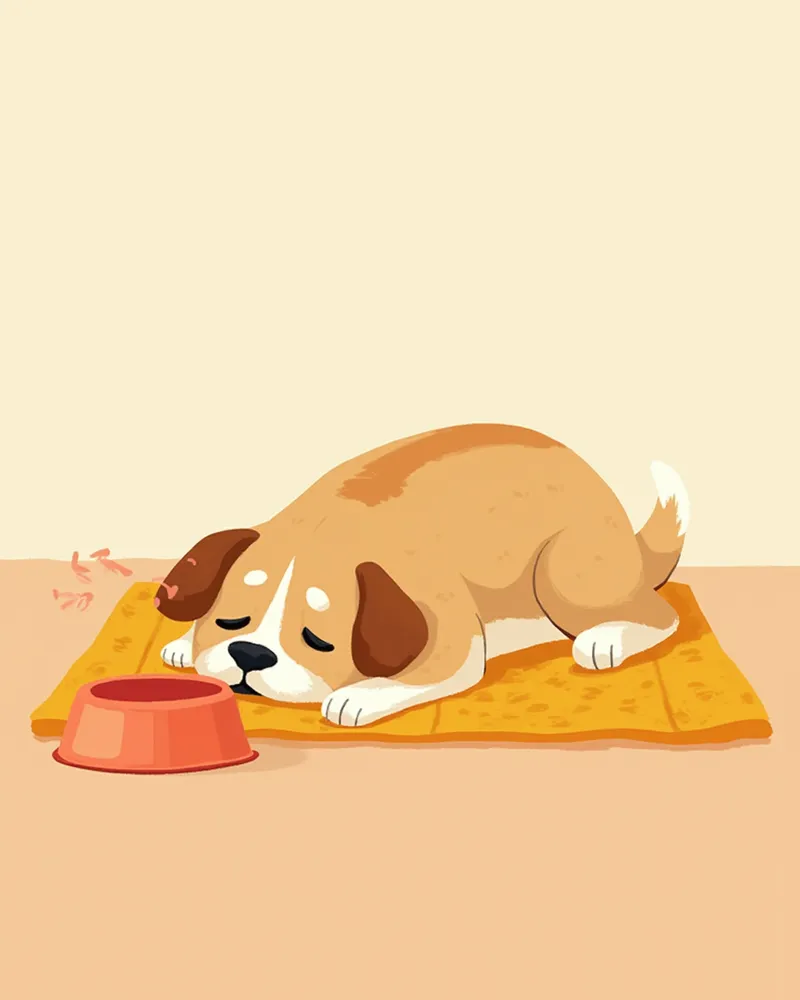
See a Vet Immediately If You Notice These Signs
If any of the following symptoms persist for more than 24 hours, please bring all supplements and food to the clinic for a visit. Recurring vomiting or diarrhea: Three or more times a day, or containing blood or bile Sudden excessive thirst and urination: Drinking more than twice the usual amount of water Complete loss of appetite: Not eating at all for over 24 hours Abnormal posture or tremors: Weakness in the hind legs, muscle spasms Pale gums or bloody stool: Signs of gastrointestinal bleeding and anemia due to iron overload
How Diagnosis Is Performed at the Clinic
How to Manage at Home
Checklist for Choosing Supplements Safely
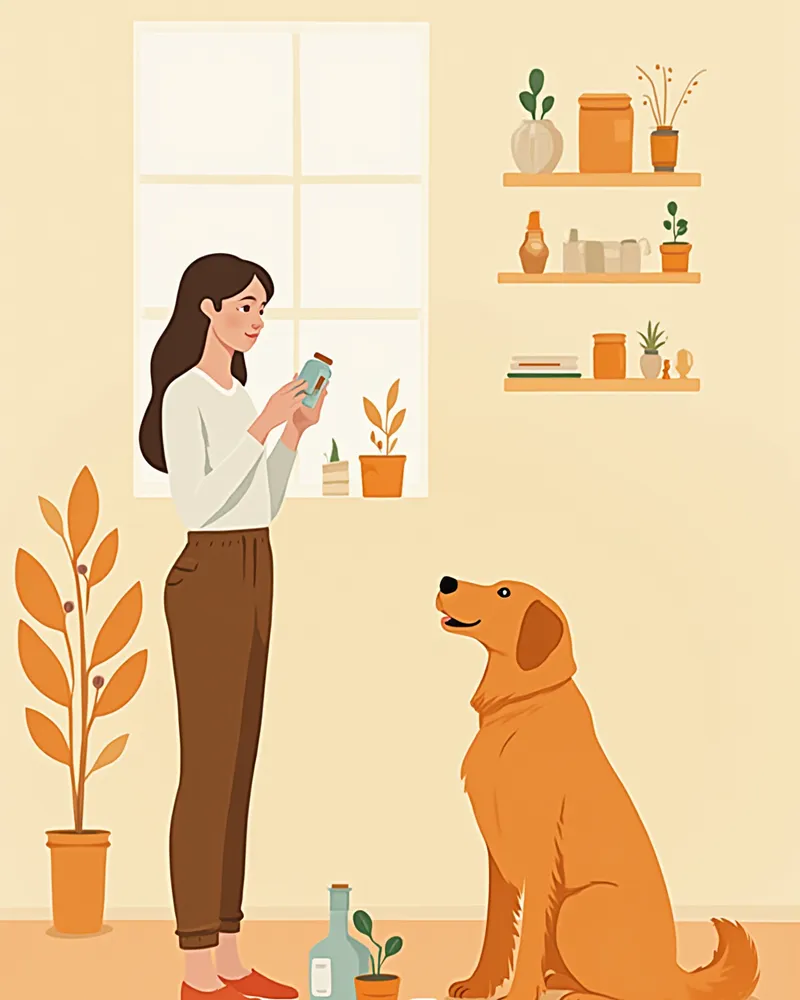
Caution with Calcium for Large-Breed and Growing Puppies
Giving too much calcium to young large-breed puppies can cause musculoskeletal problems like lameness and soft tissue calcification, as well as hypercalcemia. Since commercial dog food already contains adequate calcium, it’s best not to give additional calcium supplements unless prescribed by a veterinarian. In cats, excess calcium and phosphorus increase the risk of urinary tract stones, so be careful about sharing treats and supplements in multi-cat households.
Reviewed by a veterinarian

Dr. Tony — Punnawat Phongkittirak
VeterinarianA veterinarian who majored in veterinary medicine at Khon Kaen University, Thailand, and completed the IVSA program at North Carolina State University in the United States. Drawing on clinical experience at animal hospitals, he works in the pet healthcare field and is dedicated to building a digital care environment that connects pet parents with veterinarians.
Reviewed 2026-04-27
Frequently Asked Questions
Can I give my dog human multivitamins?
Is it okay to give my pet multiple supplements at the same time?
Do symptoms of overactivity resolve immediately?
Do healthy pets really need to take supplements?
Can cats also suffer from vitamin overdose?
Share
Related Guides
Primary vs. Secondary Veterinary Hospitals: A Comparison
5 Easy-to-Raise Cat Breeds for First-Time Owners — Grooming Difficulty Comparison

Top 7 Short-Legged Dog Breeds
What is Canine Keratoconjunctivitis Sicca (KCS)? — How to Recognize Symptoms of Insufficient Tear Production
Should You Definitely Use Cyclosporine for Canine Dry Eye? — A Summary of Effects and Side Effects
Dog Fluorescein Staining Corneal Exam FAQ — Key Information Every Pet Owner Should Know

If Your Dog Has a Lump on Its Eyelid — Distinguishing Benign from Malignant Eyelid Tumors and How to Respond
Why Is Giving Eye Drops to My Dog So Hard? — Administration Techniques That Work Even for Resistant Puppies

If Your Dog Keeps Rubbing Their Eyes — Causes of Entropion and Surgical Timing

What Are Diabetic Cataracts in Dogs? — What Signs Appear Before Vision Loss
References
[1] National Research Council, Nutrient Requirements of Dogs and Cats, 2006
[2] Fascetti AJ, Delaney SJ, Applied Veterinary Clinical Nutrition, 2nd Ed, 2023
[3] Hnizdo E, Hand MS, Small Animal Clinical Nutrition, 5th Ed