

What to Feed Newborn Puppies and Kittens? — From Colostrum to Weaning
We’ve put together a guide to nutrition management for newborn puppies and kittens under four weeks of age. We’ll cover the importance of colostrum, how to choose the right milk replacer, proper feeding positions, and weight monitoring, sharing practical tips for each step.
What Is Neonatal Nutrition for Puppies and Kittens?

Why Neonatal Nutrition Is Directly Linked to Immunity
Essential Neonatal Nutrition Checklist to Remember
Go to the Vet Immediately If You See These Signs
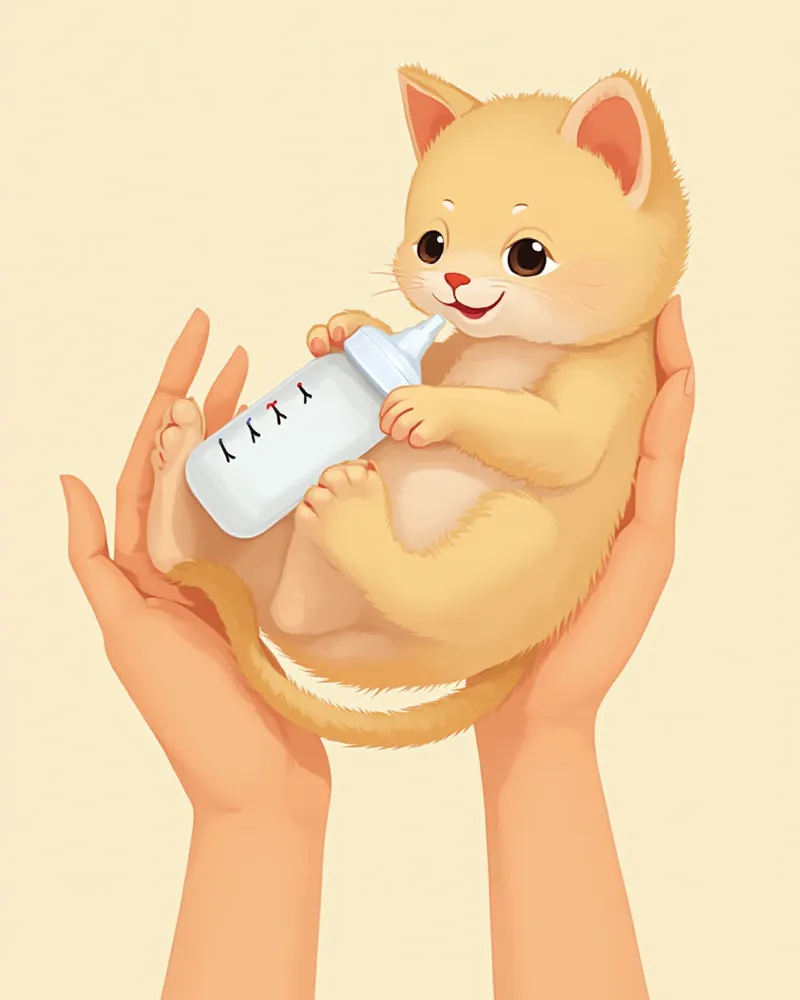
In newborn puppies and kittens, conditions can deteriorate within hours. If you notice any of the following—weight loss or no weight gain for over a day, refusal to nurse for more than 12 hours, a cold, limp body, persistent diarrhea or vomiting, or pale or bluish lips and gums—seek veterinary care immediately. Hypoglycemia and hypothermia, in particular, can be fatal within hours, so prompt veterinary attention is far more critical than attempting home remedies.
Milk Replacer Selection: Commercial Neonatal Formula vs. Homemade Alternatives
Comparison of Species-Specific Milk Replacers and Feeding Tools
| Item | Puppy | Kitten |
|---|---|---|
| Recommended Nursing Tool | Nipple-tipped syringe or puppy-specific nursing bottle | Kitten neonatal-specific nursing bottle |
| Feeding Interval (Week 1) | 2-3 hours | 2-3 hours |
| Daily Weight Gain Goal | 5-10% | 5-10% |
| Cross-Use of Formula | Do not use kitten formula | Do not use puppy formula |
| Weaning Start Time | 3-4 weeks of age | 3-4 weeks of age |
Based on veterinary internal medicine textbooks. Determine the exact product and dosage after consulting a veterinarian.
Proper Feeding Position and Precautions for Tube Feeding
Temperature Regulation Is Just as Important as Nutrition
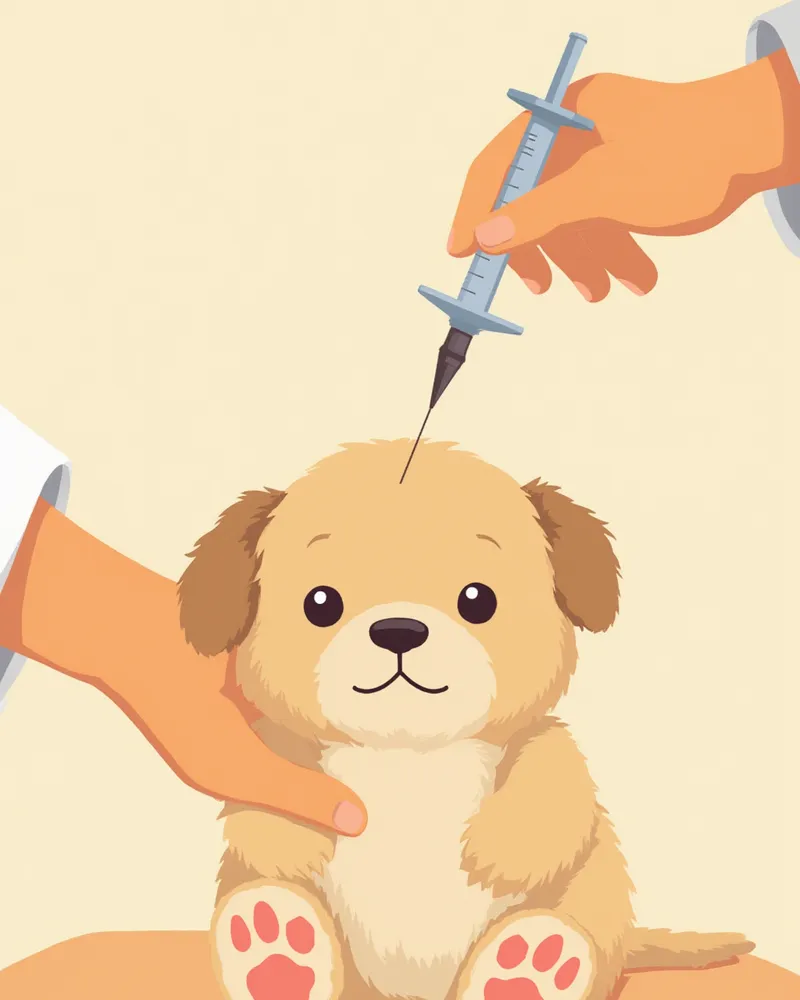
Newborn puppies and kittens lack the ability to regulate their body temperature on their own, so keeping them warm is just as important as feeding. While recommended values may vary slightly depending on the source, the general guideline for the ambient temperature in a neonatal environment is approximately 27–32°C (80–90°F). It is recommended to maintain a slightly higher temperature of 29–32°C during the first week after birth and then gradually lower it as the puppies or kittens grow older. However, avoid using heat lamps or electric mats directly, as newborns cannot move away easily and are at risk of burns or overheating. If the mother is panting and appears restless, it is a sign that the temperature is too high. Instead, create a separate, warm, insulated space using several layers of towels.
Timing and Method for Transitioning to Solid Food
Reviewed by a veterinarian

Dr. Tony — Punnawat Phongkittirak
VeterinarianA veterinarian who majored in veterinary medicine at Khon Kaen University, Thailand, and completed the IVSA program at North Carolina State University in the United States. Drawing on clinical experience at animal hospitals, he works in the pet healthcare field and is dedicated to building a digital care environment that connects pet parents with veterinarians.
Reviewed 2026-04-27
Frequently Asked Questions
Can I feed cow’s milk or human infant formula to a puppy if its mother isn’t available?
How many times a day should newborn puppies and kittens eat?
Should I take my pet to the vet immediately if their weight doesn't increase in one day?
What should I do if my puppy didn’t get colostrum?
Can I give puppy milk replacer to a kitten?
Share
Related Guides

Primary vs. Secondary Veterinary Hospitals: A Comparison

5 Easy-to-Raise Cat Breeds for First-Time Owners — Grooming Difficulty Comparison

Top 7 Short-Legged Dog Breeds

Cat Lymphoma (Intestinal Form) Symptoms — When to Suspect Chronic Vomiting and Weight Loss

If Your Dog Ate Dark Chocolate? — Why It’s More Dangerous and Risk Levels by Type

Recurrent Urinary Tract Infections in Dogs — Diagnosis and Treatment Guide by Cause
A Lifetime Guide to Feline Diabetes Symptoms and Insulin Management — From Early Signs to Dietary Care
Symptoms of Feline Hyperthyroidism — Check for Ravenous Appetite and Weight Loss

What Happens If a Cat Eats Chocolate? Theobromine Poisoning and Symptoms Different from Dogs
Is it okay to participate in veterinary clinical trials? — Key points to carefully consider regarding procedures and risks
References
[1] Advanced Monitoring for Small Animal Emergency and Critical Care, 2nd Edition - Neonatal Chapter
[2] Applied Veterinary Clinical Nutrition, 2nd Edition - Skeletal Growth and Development
[3] Nutrient Requirements of Dogs and Cats, National Research Council