Like
Share
멍실장
강아지 고양이 심박수 측정과 정상 범위

How to Measure Heart Rate and Normal Ranges for Dogs and Cats

ImmunityQ&AMeongsiljang Veterinary Advisory Board

We’ve compiled the normal heart rate ranges for dogs and cats by weight and age, along with instructions on how to measure it at home and when to seek veterinary care.

What Is Heart Rate?

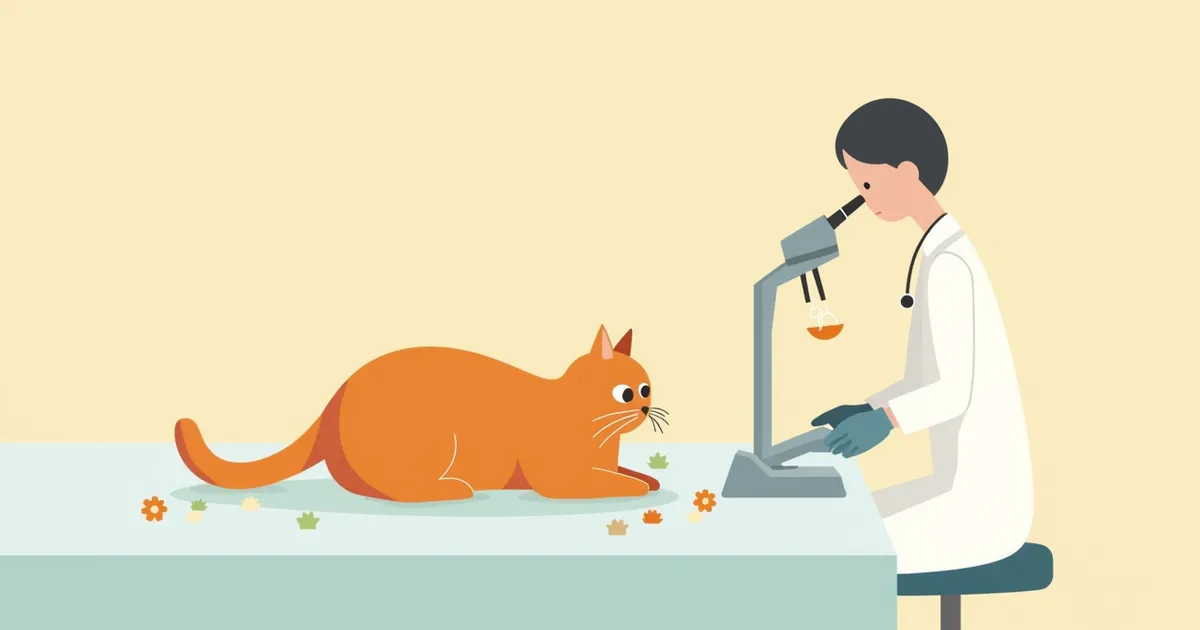
A veterinarian measuring the heart rate of dogs and cats
Heart rate, the number of times the heart beats per minute, is a fundamental vital sign that provides insight into your pet’s cardiac function and overall health. What’s truly important is that the normal range varies significantly depending on weight, age, and breed. Knowing your pet’s baseline heart rate when they are calm and relaxed allows you to quickly detect any abnormalities. This metric is often the first to change in cases of heart disease, respiratory conditions, or fever.

Why Should You Know Your Pet’s Heart Rate?

Heart rate is one of the first indicators to change in response to dehydration, pain, anemia, or heart disease. If your pet’s resting heart rate consistently falls outside their normal baseline, it may suggest an underlying health issue. For an accurate assessment, it’s important to have a veterinarian perform a physical exam, including auscultation and possibly an electrocardiogram. This is especially important for senior dogs and cats, who are more prone to valvular disease or cardiomyopathy. Checking your pet’s heart rate at home about once a month can help catch problems early. Also, sharing your pet’s normal baseline heart rate with your veterinarian during visits can significantly improve diagnostic accuracy.

Normal Heart Rate Ranges by Weight and Breed

ItemNormal range (per minute)Notes
Small dog (under 10kg)90–140 bpmFaster is normal
Medium dog (10–25kg)80–120 bpmAverage range
Large dog (over 25kg)60–100 bpmSlower is normal
Puppy (under 1 year)70–220 bpmFaster than adult dogs, with a wide range
Cat (adult)140–220 bpmRises further when tense
KittenUp to 240 bpmVery fast, close to the upper limit of the feline normal range (about 240 bpm)

Based on a resting state with normal body temperature; the rate may temporarily rise right after exercise or excitement.

How to Measure Heart Rate at Home

First, let your pet rest quietly for at least five minutes before taking the measurement. Place them on their side or in a comfortable seated position, then gently place your hand on the chest just below the left front armpit, or lightly rest your fingers on the femoral artery on the inner thigh. - Measurement method: Count the number of beats in 15 seconds and multiply by four to get the heart rate per minute. - Note: Heart rate may appear higher than normal if your pet is excited. - Pro tip: Use your smartphone’s stopwatch and measure in a quiet environment. Since cats are often restless, measuring while they are sleeping yields the most accurate results.
Placing a hand on a puppy’s chest to measure its heart rate

Heart Rate Signs That Require Immediate Veterinary Care

A resting heart rate that consistently falls outside the normal range may indicate an emergency. If your dog’s heart rate stays above 180 or below 60 beats per minute, or your cat’s stays above 240 or below 120 beats per minute, for more than 10 minutes, seek veterinary care immediately. These signs are especially concerning if accompanied by fainting, difficulty breathing, or pale or bluish gums, as they may suggest heart failure or arrhythmia. In dogs, coughing can accompany heart disease, but cats with heart failure rarely cough; instead, watch for labored breathing or open-mouth breathing. Continue monitoring your pet’s heart rate during transport and share the exact readings with your veterinarian.

What to Suspect When Heart Rate Is Abnormal
- Tachycardia (too fast): This can occur with fever, pain, dehydration, anemia, hyperthyroidism (in cats), or in the early stages of heart disease. - Bradycardia (too slow): Possible causes include hypothermia, shock, arrhythmias, increased intracranial pressure, or toxicity from certain medications. - Irregular heartbeat: This suggests an arrhythmia and requires an electrocardiogram (ECG) for diagnosis. In senior small-breed dogs, myxomatous mitral valve disease is a leading cause of cardiac dysfunction, which may be accompanied by tachycardia as the condition progresses. Please do not attempt to self-diagnose; always have your pet evaluated with auscultation and an ECG.
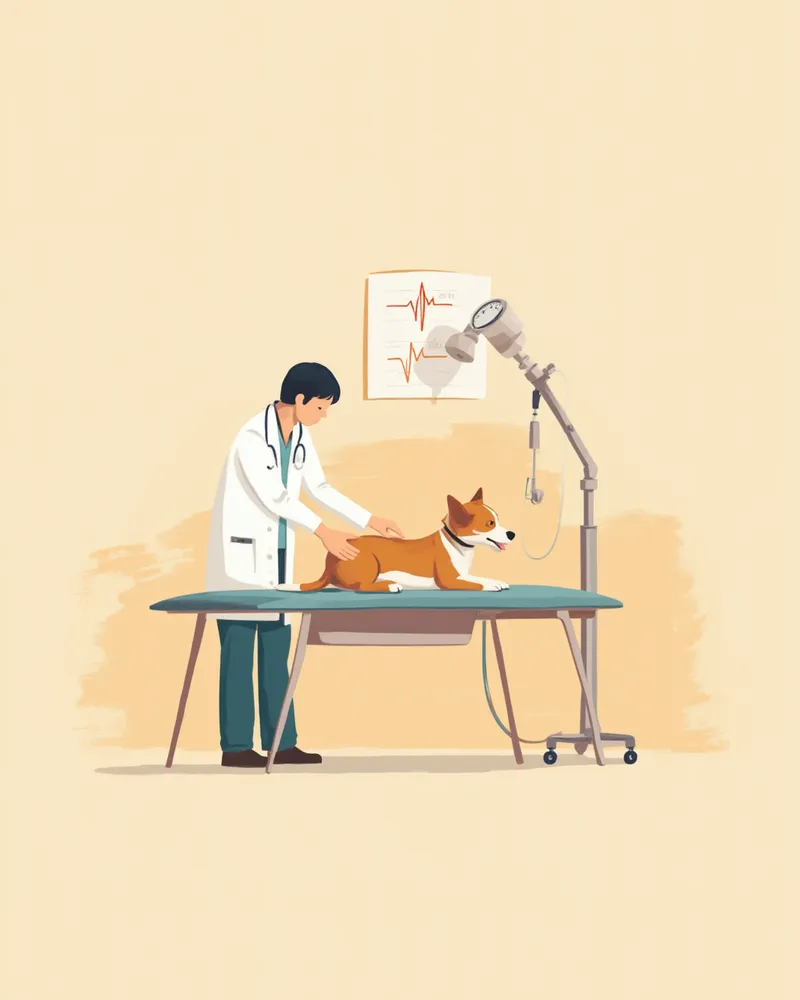
A dog undergoing an electrocardiogram (ECG) test

Checkpoints for Home Monitoring

- Regular Monitoring: For adult dogs and cats, we recommend measuring once or twice a month. For senior pets (7 years and older), weekly monitoring is advised. - Best Time to Measure: The most stable readings are typically obtained before a walk or while your pet is sleeping. - Keep a Log: Record the date, time, heart rate, and general condition in a notebook or app. - Check Temperature as Well: If your pet’s body temperature exceeds 39.5°C, their heart rate will likely rise as well. - Monitor Respiratory Rate: At rest, a respiratory rate of more than 30 breaths per minute in dogs or more than 40 breaths per minute in cats is considered abnormal. Checking this alongside heart rate helps you get a comprehensive view of your pet’s overall health.

Breeds That Require Special Attention

Small breeds like Cavalier King Charles Spaniels, Dachshunds, and Pomeranians have a high incidence of mitral valve disease, so they often experience changes in heart rate as they age. Large cat breeds such as Maine Coons and Ragdolls are at risk for hypertrophic cardiomyopathy, making regular cardiac exams essential. Large dog breeds like Dobermans and Great Danes should be monitored for dilated cardiomyopathy (DCM), while Boxers are primarily prone to arrhythmogenic right ventricular cardiomyopathy (ARVC) rather than DCM. For these breeds, an annual cardiac ultrasound is the most reliable preventive measure.

Reviewed by a veterinarian

Dr. Tony — Punnawat Phongkittirak

Dr. Tony — Punnawat Phongkittirak

Veterinarian

A veterinarian who majored in veterinary medicine at Khon Kaen University, Thailand, and completed the IVSA program at North Carolina State University in the United States. Drawing on clinical experience at animal hospitals, he works in the pet healthcare field and is dedicated to building a digital care environment that connects pet parents with veterinarians.

Frequently Asked Questions

My heart rate goes over 200 right after exercise. Is that normal?
It’s normal for your pet’s heart rate to temporarily rise right after exercise or excitement. Wait 5–10 minutes for them to calm down, then measure again—if it returns to the normal range, there’s no cause for concern. However, if it hasn’t dropped back down after 20 minutes, please consult your veterinarian.
It seems like my pet's heart rate is too slow while they're sleeping.
During sleep, your pet’s heart rate may be slightly slower than usual. However, if it consistently drops below 60 beats per minute in dogs or below 120 beats per minute in cats, and remains similarly low even after waking, it’s advisable to have a bradycardia evaluation.
Can you measure your pet’s heart rate with a smartwatch?
Human smartwatches are not designed for pets’ fur and skin structure, so their readings are highly inaccurate. For much more reliable results, use a pet-specific heart rate monitor or stethoscope, or measure the pulse manually by hand.
My pet’s heart rate keeps fluctuating. Could it be an arrhythmia?
Dogs can normally experience a condition called "respiratory arrhythmia," where their heart rate changes with their breathing. However, this is rare in cats, so if you notice an irregular heartbeat, it should be confirmed with an electrocardiogram (ECG) test.
How often should I monitor my senior dog?
For dogs aged seven and older, we recommend measuring once a week. If your dog is currently taking heart medication, it’s best to measure at the same time every day. Keeping a record of these readings can be very helpful in adjusting the medication.

Share

Related Guides

References

[1] Textbook of Cardiovascular Medicine in Dogs and Cats

[2] Advanced Monitoring for Small Animal Emergency and Critical Care, 2nd Ed

[3] Abbott JA, Heart rate and heart rate variability of healthy cats in home and hospital environments, J Feline Med Surg, 2005

[4] The Veterinary Workbook of Small Animal Clinical Cases

This information is based on veterinary literature and does not replace diagnosis or treatment. Please consult a veterinarian for specific health concerns.

Metapet Co., Ltd. | CEO: Park Sung-yong | Business Reg. No. 417-88-02562 | Seoul, South Korea | Customer Center

How to Measure Your Dog or Cat's Heart Rate: Normal Ranges and Guide | Meongsiljang