
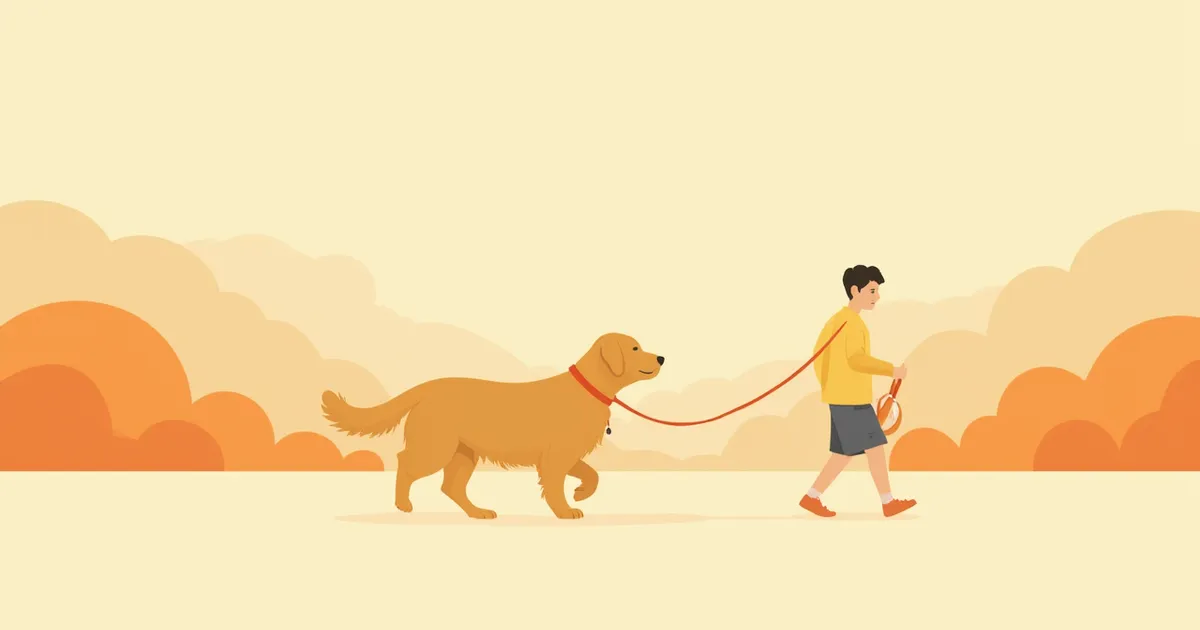
How to Start Loose-Leash Walking Training
Loose-leash walking is a training method that teaches your dog to walk calmly by your side without pulling on the leash. By starting with short practice sessions at home and gradually progressing, anyone can achieve success.
What Is Loose-Leash Walking?
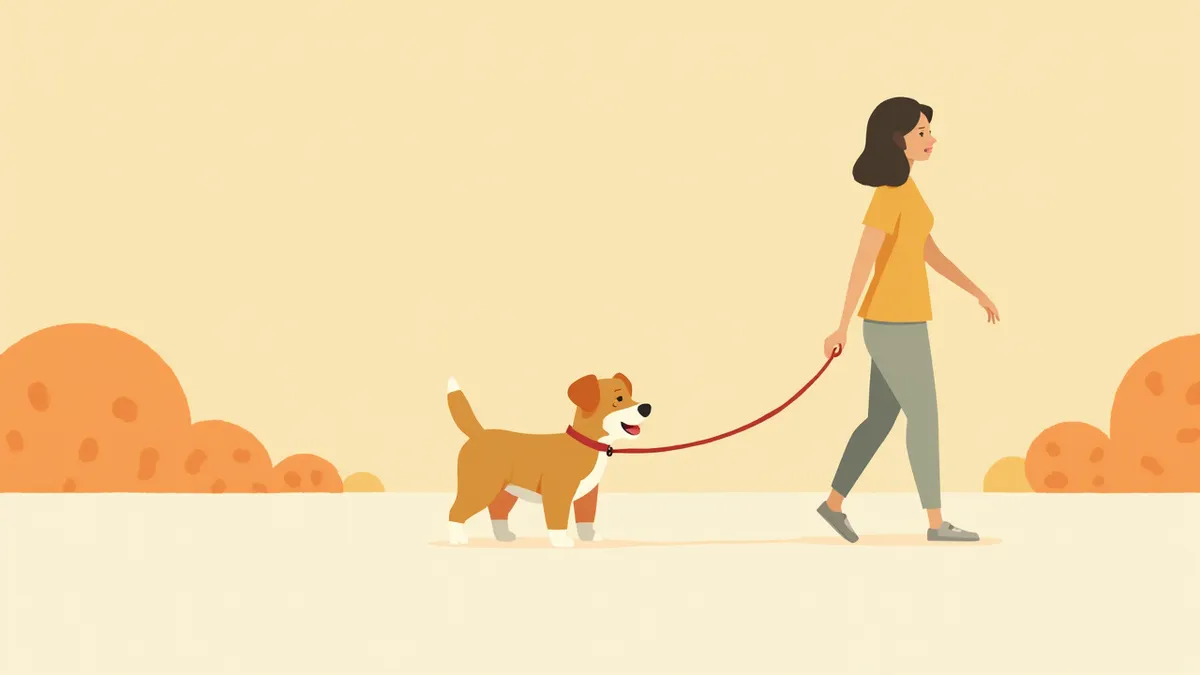
Why Does Your Dog Pull on the Leash?
Preparation Before Starting — Which Tools Are Best?
Comparison of Walking Tools
| Item | Y-shaped harness | Standard collar | Slip/choke chain |
|---|---|---|---|
| Pressure on neck/trachea | Low | High | Very high |
| Suppression of pulling behavior | Medium | Low | Low (induces fear/anxiety, may worsen pulling) |
| Recommendation for beginners | ★★★★★ | ★★★ | ★ |
| Leash length | 1.5–2m fixed | 1.5–2m fixed | Fixed |
Retractable flexi leashes are not used during the training stage. If the leash length keeps changing, it is hard for the dog to establish a reference point. Also, aversive tools such as choke and prong collars may appear effective in the short term but can increase fear and anxiety and actually worsen pulling, so they are not recommended for walk training.
4-Step Training Method — Start Indoors
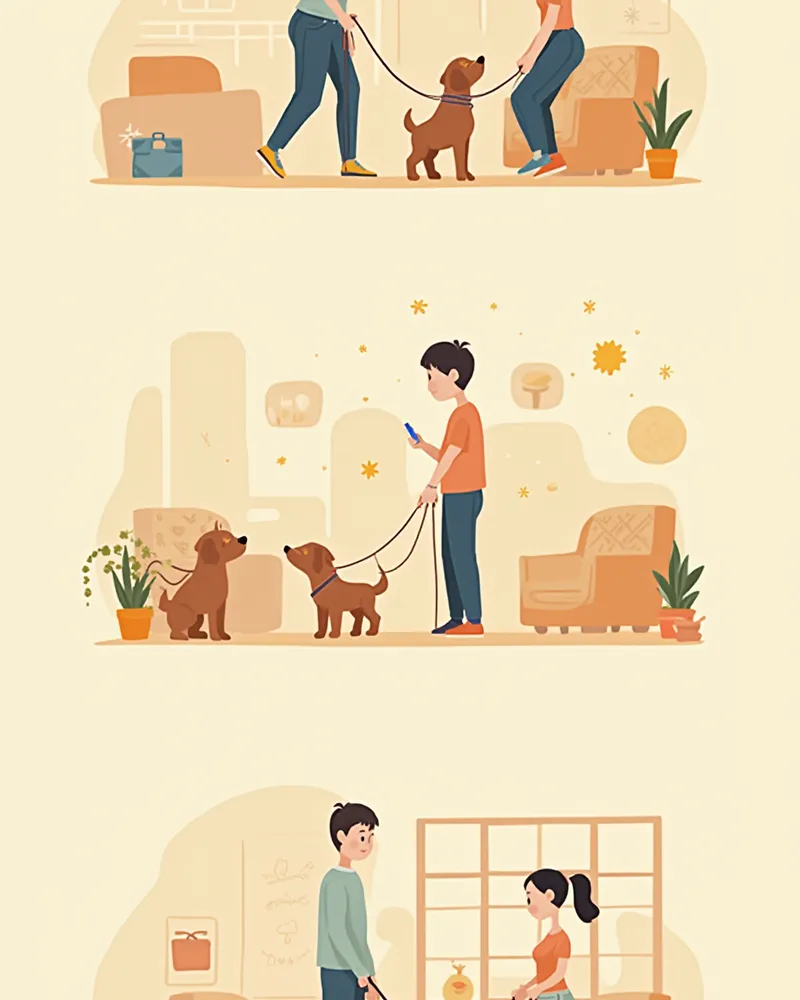
Actions to Absolutely Avoid During Training
Yanking the leash sharply or yelling at your dog can actually undermine training. While aversive methods may seem to suppress behavior in the short term, they increase anxiety, fear, and stress, teaching your dog that walks are scary experiences and potentially worsening pulling. Veterinary behavior studies have shown that punishment-based training is no more effective than positive reinforcement. Tools that put pressure on the neck, such as choke chains and prong collars, are never appropriate for leash training. Effective training relies on just three steps: stop, change direction, and reward.
Reward Timing — This Is the Most Important Part
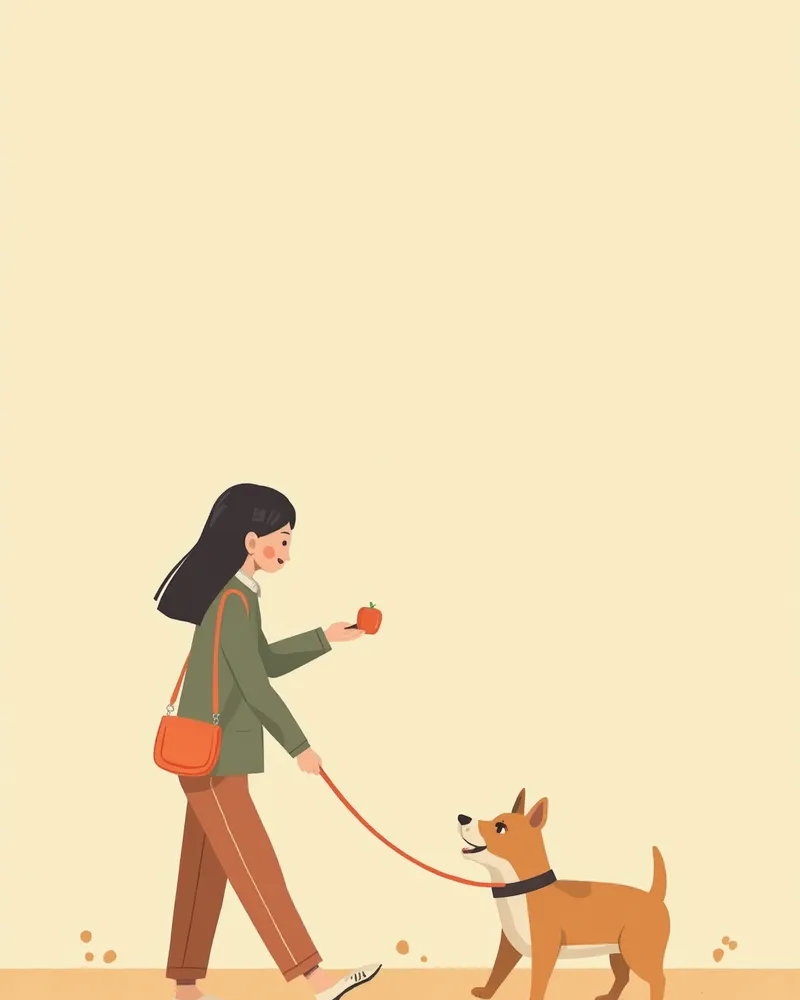
What About Adult Dogs With Severe Pulling Habits?
When to Consult a Veterinary Behavior Specialist
Leashing pulling may not simply be a lack of training, but rather a response driven by anxiety or fear. This behavior often stems from frustration or unease. If your dog exhibits excessive panting or trembling during walks, shows aggressive reactions to specific triggers (such as other dogs, cars, or people), or if there is no improvement despite consistent training, it is advisable to consult a veterinary behaviorist. Behaviors rooted in anxiety or fear are difficult to resolve with training alone unless the underlying cause is addressed; in such cases, a combination of behavior modification and medication is often recommended.
Reviewed by a veterinarian

Dr. Tony — Punnawat Phongkittirak
VeterinarianA veterinarian who majored in veterinary medicine at Khon Kaen University, Thailand, and completed the IVSA program at North Carolina State University in the United States. Drawing on clinical experience at animal hospitals, he works in the pet healthcare field and is dedicated to building a digital care environment that connects pet parents with veterinarians.
Reviewed 2026-04-26
Frequently Asked Questions
At what age should I start leash training my puppy?
Can I use toys and praise instead of treats?
Should I avoid using a Flexi (automatic) retractable leash?
How much training should I do each day?
What should I do if my dog encounters another dog during training?
Share
Related Guides

7 Behavioral Enrichment Strategies for Mental Stimulation Recommended by Veterinarians

Top 5 Calming Supplements for Dogs and Cats in 2026

L-Theanine Effects and Calming Support
How to Perform Pet CPR: Golden Time and Steps for Cardiac Arrest

Comparison of Cat Litter Types (Bentonite, Tofu, etc.)
Dog Shoes: Do You Really Need Them? The Complete Guide to Paw Pad Protection
Dog Leash Length: Recommended Lengths for Different Walking Situations
The Ultimate Guide to Dog Café Etiquette
How to Teach Puppies to Greet Each Other — Safe Steps and Manners to Prevent Fights

The Complete Guide to Artificial Rearing of Newborn Puppies and Kittens (Formula, Intervals, Positioning)
References
[1] Landsberg G, Hunthausen W, Ackerman L, Behavior Problems of the Dog and Cat, 4th Ed, Elsevier, 2023
[2] Horwitz D, Mills D, BSAVA Manual of Canine and Feline Behavioural Medicine, 2nd Ed, BSAVA, 2020
[3] Introduction to Animal Behavior and Veterinary Behavioral Medicine, Wiley-Blackwell, 2021