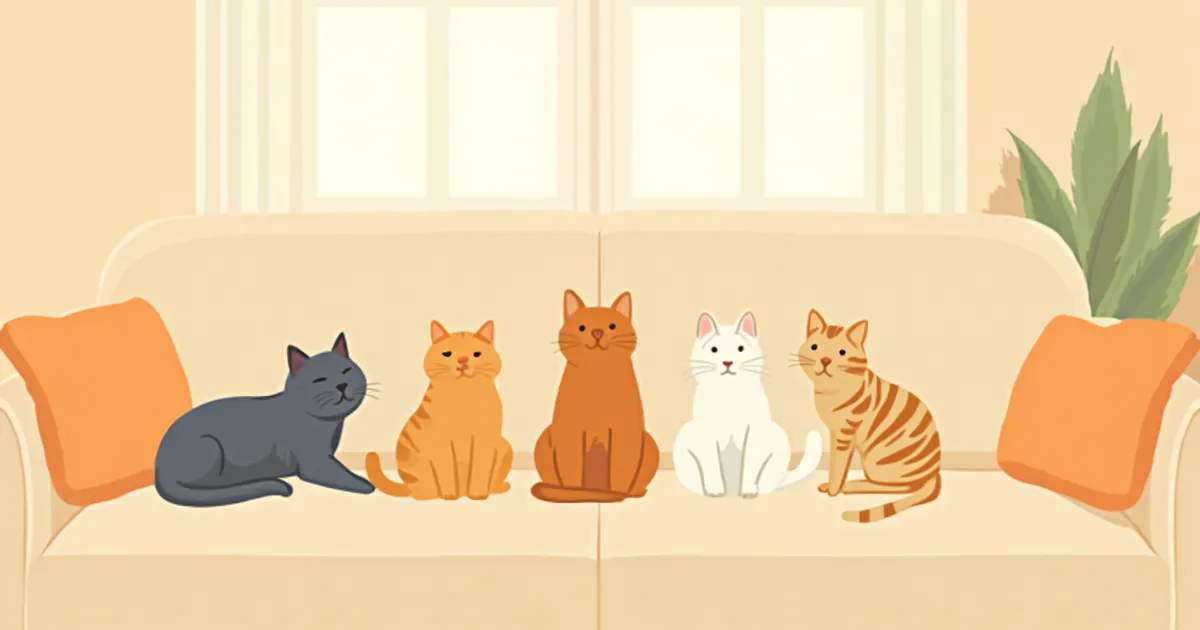
Like
Share
멍실장
아기고양이 입양 첫 주 적응 가이드

Kitten Adoption First-Week Adaptation Guide

ImmunityQ&AMeongsiljang Veterinary Advisory Board

Here’s a guide to the essential adaptation tips, supplies, and health check points you need to know during the first week after adopting a kitten.

What to Do First in the First Week After Adopting a Kitten?

A kitten beginning to explore in a safe, dedicated space
The key is to avoid rushing. When you first bring a kitten home, the most important thing is to give it time to adjust to its new environment at its own pace in a quiet, safe space.
Secure a dedicated safe space: Prepare a small room as a private area for the kitten.
First veterinary visit: Schedule a health check-up, deworming, and vaccinations.
Do not introduce existing pets immediately: Never allow direct contact during the first week.
Provide ample hiding spots: Offering boxes or cat houses will help the kitten feel much more secure.

Essential Supplies Checklist Before Bringing Home

Preparing basic supplies before bringing your kitten home can help them settle in more comfortably from day one.
Litter box + litter: A low-entry, open-top litter box is ideal for kittens. Check with the shelter about the type of litter they were used to.
Food + water bowls: Continuing with the same food they were eating before can help prevent digestive issues caused by sudden changes.
Carrier: Essential for vet visits and transportation.
Hiding spots: A box or small cat house works well. Shelves where they can climb up are also great.
Scratching post: Necessary for claw care and stress relief.

First-Week Daily Adaptation Roadmap

The first week with a new kitten can be divided into four key stages.
StageGoalKey Points
Day 1Adapting to a safe spaceLet the kitten rest quietly in a dedicated room
Days 2–3Beginning to exploreWait for the kitten to approach you first
Days 4–5Establishing a routineSet consistent times for meals and play
Days 6–7Expanding territoryAllow the kitten to explore other rooms

Creating a Safe Dedicated Space

The most important thing in the first week is to create a safe, dedicated space for your kitten. A small room is sufficient. Place the litter box, water bowl, food, and a hiding spot inside this room. Keep the litter box as far away from the food as possible, as cats become stressed when their eating and elimination areas are too close together. Confine your kitten to this room for the first one to two days. Once they begin to show confidence, gradually expand their access to other areas. Be sure to remove any hazards in advance, such as electrical cords, small objects, and toxic plants.
A kitten resting comfortably in its own space

A Veterinary Visit Within the First Week Is Essential

It’s best to visit a veterinarian as soon as possible after adoption, and no later than the first week. Your new pet will need a basic health check-up, deworming, and a review of their vaccination schedule. Be sure to bring any medical records provided by the shelter. This is especially important for kittens, who are vulnerable to infectious diseases such as feline panleukopenia, so it’s crucial not to miss essential vaccinations like FVRCP.

How to Adapt to Food and the Litter Box

Start with the same type of food the shelter or previous owner was feeding. Sudden changes in diet can cause diarrhea or vomiting. If you wish to switch foods, do so gradually over an adequate period by slowly mixing increasing amounts of the new food with the old. For the litter box, choose a model without a lid and with a low entry rim. Select a size and rim height that allow the cat to enter and exit easily. Since a kitten may not know where the litter box is, place them near it after meals or when they wake from a nap. If you see them scratching at the litter with their paws, it’s a good sign they’re adapting well.
A kitten eating its food and a low-entry litter box

Step-by-Step Introduction Method for Existing Pets
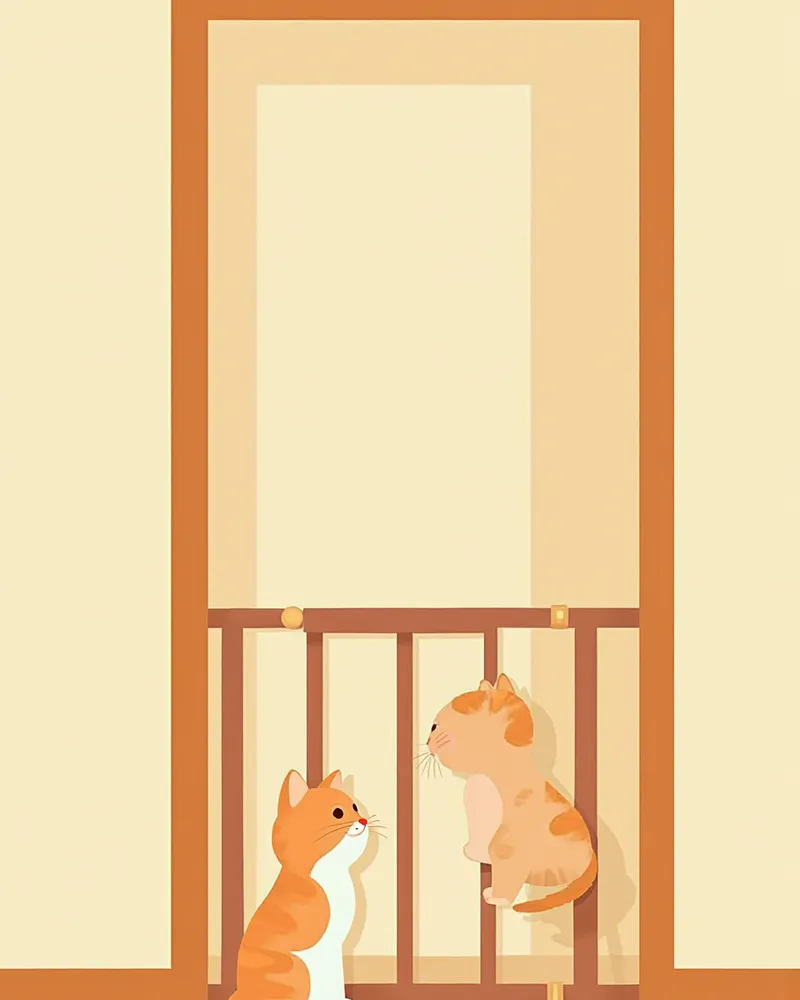
If you already have another pet, never introduce them right away on the first day. According to veterinary behavior textbooks, a slow, step-by-step introduction is key to successful cohabitation. For the first one to two weeks, keep them in completely separate spaces. Let them get used to each other's scent first by exchanging towels that carry their smells. Then, let them become aware of each other's presence through a door, and start visual contact only when both show calm reactions. It's safest to begin with short sessions while keeping a gate or mesh barrier between them.
A kitten and an adult cat watching each other through a gate.

Visit the Clinic Immediately If You See These Symptoms

Kittens have weak immune systems and their condition can deteriorate rapidly. If you notice any of the following symptoms, please visit a veterinary clinic immediately: - Refusal to eat for more than 24 hours - Repeated diarrhea or vomiting - Lethargy and weakness - Severe eye discharge or nasal discharge - Abnormally high or low body temperature In particular, young kittens are at risk of hypoglycemia, so even skipping a meal can quickly worsen their condition. Sick kittens are prone to hypothermia, hypoglycemia, and dehydration occurring simultaneously, so prompt attention to warmth, hydration, nutrition, and glucose supply is crucial for recovery.

Post-First-Week Adaptation Success Checkpoints

After the first week, check to see if your kitten is adjusting well.
Eating well: Eating food at scheduled times and responding to treats
Using the litter box properly: Eliminating in the designated litter box with fewer accidents
Spending less time hiding: Coming out of hiding spots and spending more time exploring the surroundings
Responding to play: Showing interest in toys or movement
Grooming: Licking and tidying their own fur is a sign of comfort
If most of these apply, it’s a good sign that your kitten is settling in well to their new home.

Reviewed by a veterinarian

Dr. Tony — Punnawat Phongkittirak

Dr. Tony — Punnawat Phongkittirak

Veterinarian

A veterinarian who majored in veterinary medicine at Khon Kaen University, Thailand, and completed the IVSA program at North Carolina State University in the United States. Drawing on clinical experience at animal hospitals, he works in the pet healthcare field and is dedicated to building a digital care environment that connects pet parents with veterinarians.

Frequently Asked Questions

My kitten keeps hiding. Is that normal?
This is completely normal. Hiding in a new environment is a natural defensive behavior for cats. Instead of forcing them out, gently encourage them to emerge on their own using treats or toys. Every cat is different—some may start exploring within a few days, while others may take longer. It’s important to maintain a safe environment and patiently wait for your cat to adjust at their own pace.
My newly adopted pet keeps crying on the first night. What should I do?
This anxiety stems from being separated from their mother and littermates. Placing a warm blanket nearby can help them feel more secure. First, ensure the environment is safe, then maintain a calm and stable atmosphere. Allowing your cat to quietly acclimate to their new surroundings at their own pace will aid in their adjustment.
Is it okay to leave a kitten alone in another room?
If the pet’s dedicated space is set up safely, that’s perfectly fine. In fact, having some alone time can actually help them adjust. Just be sure to check on them several times a day and make sure they have enough food and water.
My pet refuses the food from the shelter. Can I give them something else?
Stress can temporarily reduce your pet's appetite. If they haven't eaten for more than 24 hours, please visit a veterinarian. Slightly warming their food or mixing in a small amount of wet food can help stimulate their appetite.
Is it okay to bathe my pet during the first week?
It’s best to avoid bathing your pet during the first week. Adjusting to a new environment can already be quite stressful for them. If there are particularly dirty areas, gently wiping them with a damp towel is sufficient.

Share

Related Guides

References

[1] Landsberg G., Hunthausen W., Ackerman L., Veterinary Guide to Preventing Behavior Problems in Dogs and Cats, Wiley-Blackwell

[2] Overall K.L., Manual of Clinical Behavioral Medicine for Dogs and Cats, Elsevier, 2013

This information is based on veterinary literature and does not replace diagnosis or treatment. Please consult a veterinarian for specific health concerns.

Metapet Co., Ltd. | CEO: Park Sung-yong | Business Reg. No. 417-88-02562 | Seoul, South Korea | Customer Center

Kitten Adoption: First-Week Adjustment Guide | Meongsiljang