Like
Share
멍실장
강아지 비대성 심근병증 개 자주 묻는 질문 Q&A — 보호자가 꼭 알아야 할 핵심

What is Canine Hypertrophic Cardiomyopathy? — A Disease of Thickened Heart Walls, Symptoms, and Treatment

HeartQ&AMeongsiljang Veterinary Advisory Board

Canine hypertrophic cardiomyopathy is a heart disease with a strong genetic component, and early detection and management can improve survival rates. Here are the key questions and answers that pet owners should know.

What is Canine Hypertrophic Cardiomyopathy?
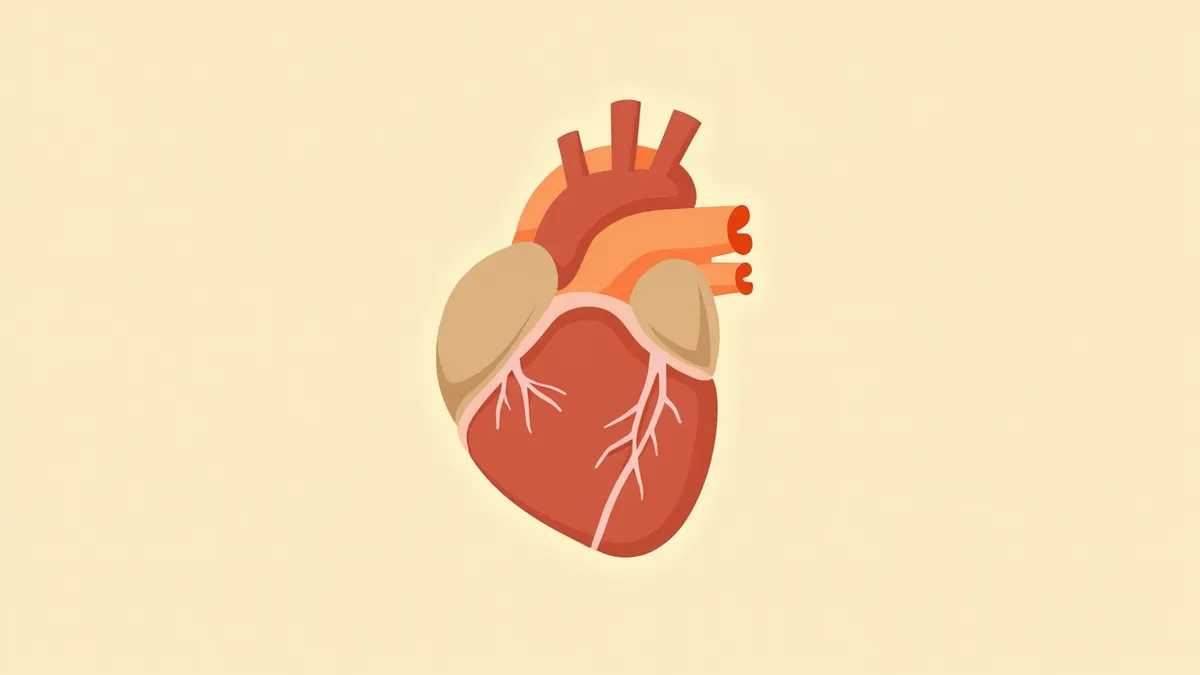
An anatomical illustration showing the thickened heart muscle in hypertrophic cardiomyopathy
Hypertrophic cardiomyopathy in dogs is a primary heart disease characterized by abnormal thickening (concentric hypertrophy) of the left ventricular muscle. It is relatively rare in dogs, and the core issue is impaired relaxation (diastolic) function due to the thickened heart muscle, which prevents the heart from adequately filling with blood. It most commonly affects males and is often diagnosed at a relatively young age, before three years old. Early detection is very difficult because there are typically few symptoms in the initial stages. - Concentric hypertrophy: Symmetrical thickening of the left ventricular wall is commonly observed. - Impaired diastolic function: The thickened heart muscle does not relax and fill properly, placing strain on blood circulation. - Early onset: Structural changes in the heart can progress even before symptoms appear. - Need for early management: Regular cardiac screenings and early intervention are important, even in the absence of symptoms.

What are the main causes of this condition?

Canine hypertrophic cardiomyopathy is a primary heart disease in which the left ventricle thickens without any other identifiable cause. When making a diagnosis, we first rule out other potential causes of hypertrophy, such as systemic conditions like valvular stenosis, hypertension, or hyperthyroidism. This condition is known to be associated with abnormalities in the sarcomere proteins that make up heart muscle tissue, and it is classified into familial and non-familial forms based on whether it recurs within a family. However, it is relatively uncommon in dogs, and its precise genetic patterns have not yet been fully elucidated.
DNA structural diagram illustrating the genetic mutations associated with hypertrophic cardiomyopathy in Boxers and Doberman Pinschers

What are the key symptoms suggesting heart disease?

In the early stages, dogs with hypertrophic cardiomyopathy often show few or no symptoms, but as the condition progresses, the following signs may appear:
Abnormal heart rhythm: You may notice an irregular or rapid heartbeat, or detect an arrhythmia.
Shortness of breath: Your dog may become easily winded after walks or breathe faster even while resting. These signs become more pronounced if pulmonary edema or pleural effusion develops.
Fainting or collapse: Sudden loss of consciousness or collapsing episodes can occur.
Lethargy and exercise intolerance: Your dog may tire easily, avoid activity, and move less.
Worsening difficulty breathing: As heart failure advances, breathing becomes labored and more difficult.
If you notice any of these symptoms, seek veterinary care immediately.
A puppy in shock due to heart disease

Emergency Signs Requiring Immediate Veterinary Visit

If your dog suddenly collapses or loses consciousness, if their heartbeat becomes rapid or irregular, or if they experience severe shortness of breath or bluish discoloration of the mouth, they must be transported to a veterinary hospital immediately. These symptoms may be precursors to cardiac arrest or cardiogenic shock. Early treatment is critical for survival.

What tests are needed for an accurate diagnosis?
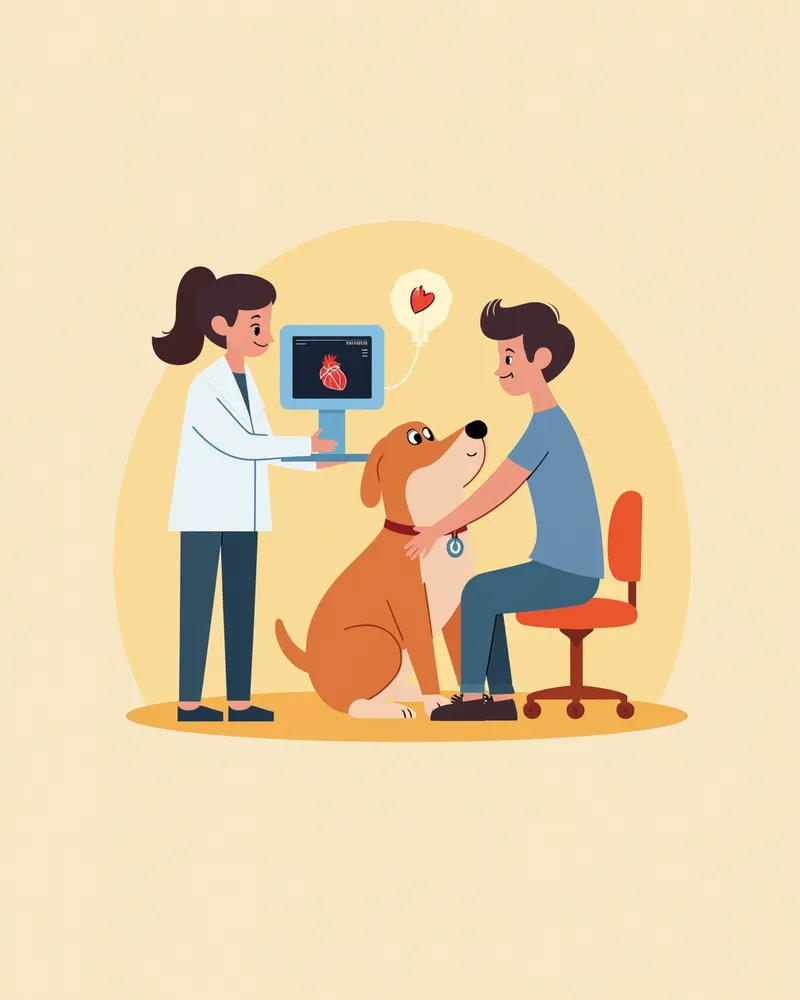
Echocardiography (heart ultrasound) is the gold standard for diagnosing hypertrophic cardiomyopathy in dogs. - Echocardiogram: This is the diagnostic gold standard, providing a precise evaluation of left ventricular wall thickness and overall heart function. - Electrocardiogram (ECG): This test assesses the heart’s rhythm and electrical activity to detect any arrhythmias. - Ruling out other causes: Other conditions that can cause left ventricular hypertrophy, such as hypertension, hyperthyroidism, and valvular disease, must be ruled out first. - Regular check-ups recommended: Even if your dog shows no symptoms, routine cardiac screenings are highly recommended. - Seek immediate care for concerning symptoms: If you notice signs such as difficulty breathing or collapsing, please visit the clinic immediately.
A veterinarian examining a puppy's heart with an ultrasound.

What are the treatment methods?

Treatment for hypertrophic cardiomyopathy focuses on relieving symptoms, reducing the heart’s workload, and improving its relaxation function. - Medication-centered approach: Beta-blockers (e.g., atenolol) slow the heart rate and reduce myocardial oxygen consumption. Calcium channel blockers help the heart muscle relax, and diuretics may be used as needed to manage congestive symptoms. - Reducing cardiac strain: Medications are necessary to alleviate excessive stress on the heart and control arrhythmias. - Arrhythmia management: In cases of severe, recurrent conduction blocks (bradycardia), implantation of a pacemaker may be considered. - Lifestyle management: Activity restriction and dietary adjustments are also essential. - Lifelong care: Treatment is not short-term but must be maintained throughout the pet’s life.
A photo showing the heart medication that dogs take.

Key Points for Home Management

Canine hypertrophic cardiomyopathy is a condition that requires lifelong management.
Medication: Administer medications exactly as directed by your veterinarian. Do not skip doses or overdose.
Exercise Restriction: Excessive exercise places strain on the heart, so keep walks short and calm.
Minimize Stress: Avoid loud noises, other dogs, and sudden changes in routine.
Regular Check-ups: Schedule cardiac examinations every 3 to 6 months.
Dietary Management: Choose a low-sodium diet or food formulated to support heart health.
These management strategies can significantly extend your dog’s lifespan.
A dog resting comfortably in a quiet environment

Comparison of Symptoms and Management by Stage of Hypertrophic Cardiomyopathy

ItemMain SymptomsMain ResponsePrognosis
MildNo symptoms or mild fatigueMaintain regular checkups, no medicationNormal life possible
ModerateShortness of breath after walks, irregular heartbeatStart drug therapy, exercise restrictionQuality of life can be maintained
SevereFainting, severe shortness of breath, arrhythmiaImmediate hospital treatment, consider pacemaker if arrhythmia presentPossible shortened survival time

Stage-specific management greatly affects survival rates. Early detection is key.

Breed-Specific Precautions and Tips for Preventing Recurrence

Hypertrophic cardiomyopathy is relatively uncommon in dogs and tends to be diagnosed in males under the age of three. For reference, breeds such as Doberman Pinschers and Boxers are more closely associated with dilated cardiomyopathy (DCM) or arrhythmogenic cardiomyopathy rather than hypertrophic cardiomyopathy. If there is a suspected family history, check the parents' cardiac examination records when adopting, and monitor disease progression through regular cardiac exams during treatment.

Reviewed by a veterinarian

Dr. Tony — Punnawat Phongkittirak

Dr. Tony — Punnawat Phongkittirak

Veterinarian

A veterinarian who majored in veterinary medicine at Khon Kaen University, Thailand, and completed the IVSA program at North Carolina State University in the United States. Drawing on clinical experience at animal hospitals, he works in the pet healthcare field and is dedicated to building a digital care environment that connects pet parents with veterinarians.

Frequently Asked Questions

Is canine hypertrophic cardiomyopathy genetic?
Hypertrophic cardiomyopathy is a primary disease linked to abnormalities in the sarcomere proteins that make up heart muscle, and familial forms can recur within families. However, it is relatively rare in dogs, and the well-known genetic mutations in Dobermans and Boxers are associated with dilated or arrhythmogenic cardiomyopathy rather than hypertrophic cardiomyopathy. If there is a family history, early screening is important.
Is this disease curable?
While a complete cure remains elusive at present, medications and careful management can help control symptoms and extend your pet’s lifespan. This condition requires lifelong care.
Can dietary management help?
Choosing a low-sodium diet or heart-healthy food can help reduce the strain on your pet's heart. It's best to consult with your veterinarian before selecting a specific diet.
Where can I get a genetic test done?
Genetic testing is available for certain breeds and conditions, but only at large veterinary hospitals or specialized genetics centers. However, since genetic testing for canine dilated cardiomyopathy remains limited, an echocardiogram is the most reliable way to assess your dog’s heart health.
What should I do if my dog faints?
Transport your pet to a veterinary clinic immediately. Fainting can be a warning sign of heart problems. During transport, keep your pet in a stable position to avoid jostling and ensure they can breathe comfortably.

Share

Related Guides

References

[1] Smith CE, Freeman LM, Rush JE, et al. Omega-3 fatty acids in Boxer dogs with arrhythmogenic right ventricular cardiomyopathy. J Vet Intern Med, 2007, 21:265.

[2] Basso C, Fox PR, Meurs KM, et al. Arrhythmogenic Right Ventricular Cardiomyopathy Causing Sudden Cardiac Death in Boxer Dogs: A New Entity. J Vet Cardiol, 2014, 16(2):113–122.

[3] FDA Center for Veterinary Medicine. Dilated cardiomyopathy in dogs & cats: Complaints submitted to FDA-CVM January 1, 2014 – April 30, 2019. 2019, pp 1–77.

This information is based on veterinary literature and does not replace diagnosis or treatment. Please consult a veterinarian for specific health concerns.

Metapet Co., Ltd. | CEO: Park Sung-yong | Business Reg. No. 417-88-02562 | Seoul, South Korea | Customer Center

What Is Canine Hypertrophic Cardiomyopathy? Symptoms & Care | Meongsiljang