Like
Share
멍실장
강아지 중성화 수술 최적 시기 자주 묻는 질문 Q&A — 보호자가 꼭 알아야 할 핵심

Dog Neutering Surgery Optimal Timing FAQ — Key Information Every Pet Owner Must Know

Lifestyle & Age CareQ&AMeongsiljang Veterinary Advisory Board

The optimal timing for neutering your dog varies depending on breed and growth rate. Here’s a summary of the key information every pet owner should know.

The Optimal Timing for Dog Neutering Surgery Varies by Breed and Growth Rate
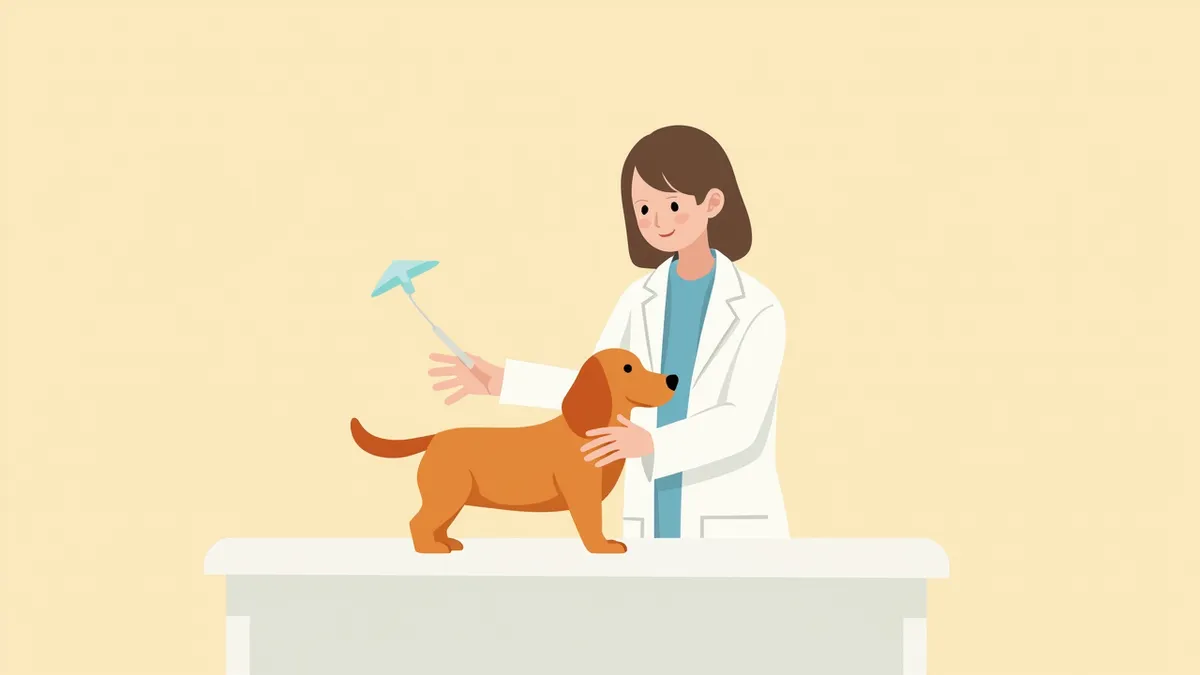
A scene of a thorough pre-operative examination for a dog before neutering surgery.
The optimal timing for neutering your dog varies depending on breed and growth rate. Small breeds mature quickly, so early neutering is often feasible, whereas large breeds may benefit from waiting until skeletal and joint development is complete. In particular, studies suggest that early neutering in large breeds can increase the risk of joint issues such as hip dysplasia and cruciate ligament disease, so many veterinarians recommend performing the surgery after long-bone growth has finished. Therefore, it’s important to choose a timing that supports stable overall health. Pre-surgical comprehensive exams to assess heart, liver, and kidney function are also helpful. Since underlying conditions can increase surgical risks, it’s wise to have these checks done in advance. Additionally, the timing should take into account the individual dog’s health status, growth stage, and your veterinarian’s professional judgment.

Main Purposes and Health Benefits of Neutering Surgery
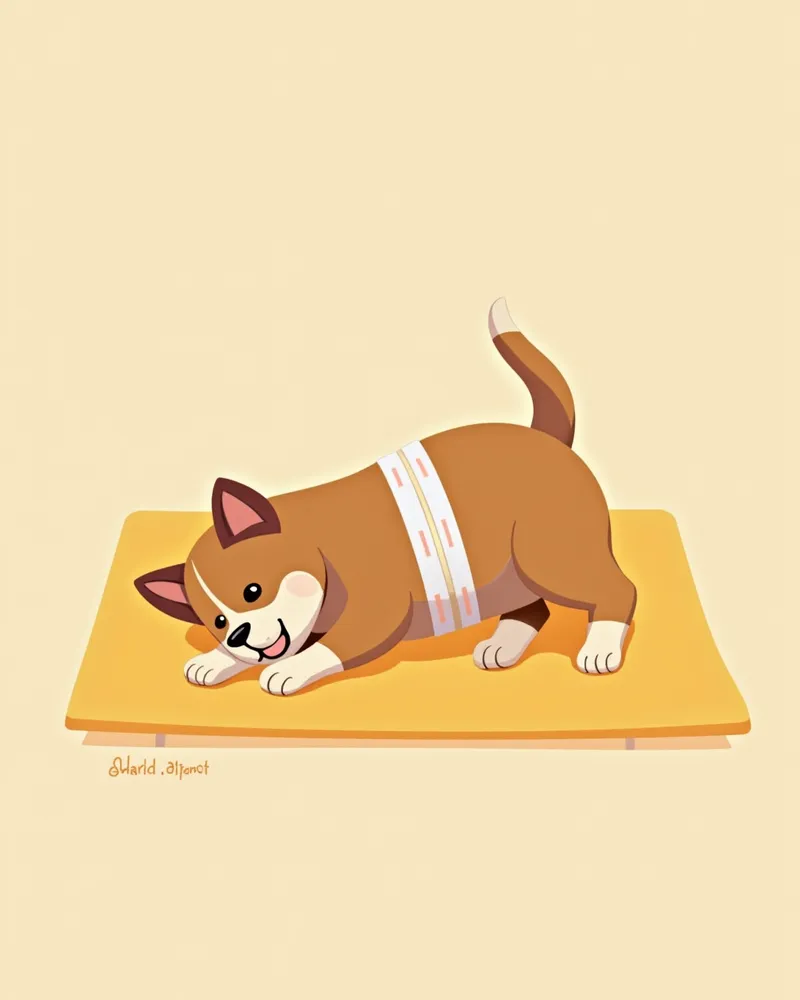
- Preventing unwanted pregnancies: Spaying or neutering eliminates your dog’s ability to reproduce, helping to prevent unplanned litters. - Behavioral improvements: Sex-driven behaviors tend to decrease, and issues related to heat cycles can be reduced. - Reduced risk of cancer and reproductive diseases: Spaying before the first heat cycle can lower the risk and severity of mammary tumors and prevent pyometra (a life-threatening uterine infection). However, some studies suggest that certain other types of cancer may increase in frequency, so it’s important to weigh the pros and cons carefully. - Prevention of testicular diseases: In male dogs, removing the testicles eliminates the risk of testicular cancer. - Long-term health benefits: Spaying or neutering may contribute to a longer lifespan and an overall better quality of life.
A scene of a puppy recovering after neutering surgery.

Key Factors to Consider When Choosing the Timing for Neutering Surgery
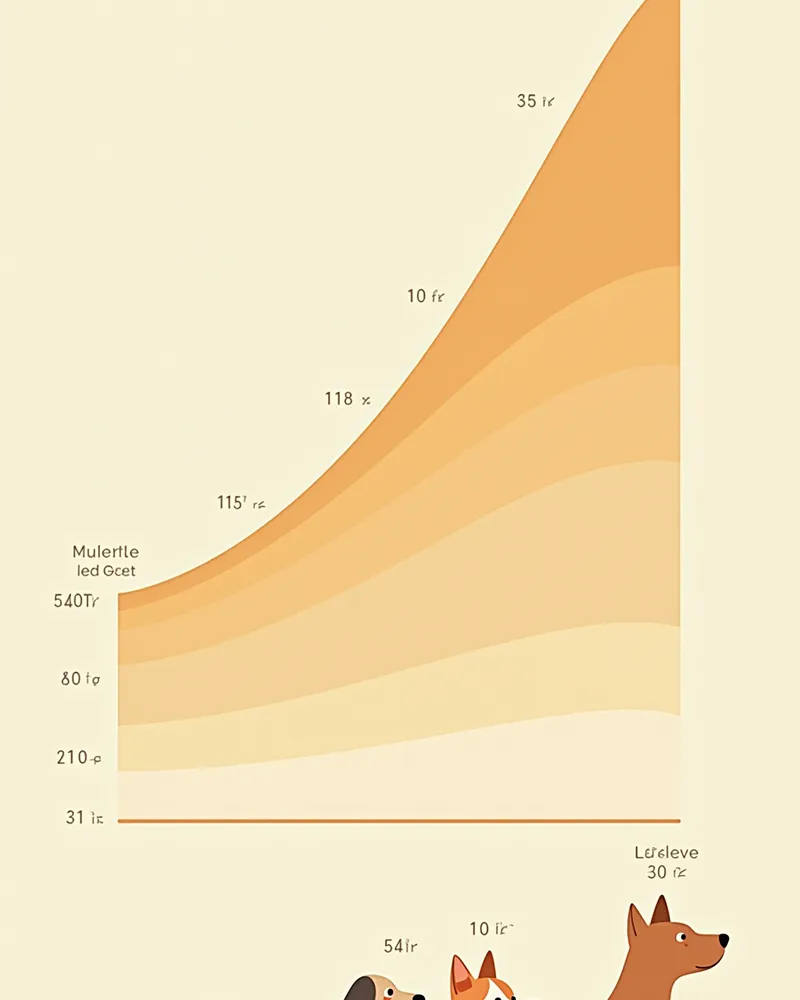
- Breed-specific growth rates: Small breeds mature quickly, so early surgery is often possible, whereas large breeds grow more slowly and are best waited on for at least a year. - Weight and growth stage: It is ideal to perform the surgery once your pet’s weight has stabilized and they have reached physical maturity. - Behavioral traits: If your pet exhibits excessive aggression or escape attempts, the timing of the surgery may need to be reconsidered. - Pre-operative examination results: Liver, kidney, and heart function must be within normal limits before proceeding with the surgery. - Owner’s living environment: Your ability to provide proper post-operative care at home, including the time and space available, also influences the decision on when to schedule the procedure.
Comparison chart of growth rates and recommended spay/neuter timing by dog breed

Precautions and Care Before and After Neutering Surgery

- Fasting before surgery: Withhold food and water for 12 hours prior to surgery to reduce the risk of vomiting during anesthesia. - Post-surgery care: Use a collar or protective cage to prevent your pet from touching the wound area. - Activity restriction: Limit activity for one week after surgery and gradually resume exercise. - Diet management: Switch to small, frequent meals after surgery and maintain a balanced diet. - Wound monitoring: Contact your veterinarian immediately if you notice swelling, bleeding, pus, or other abnormal symptoms.
A puppy wearing a collar during recovery after neutering surgery

Dog Neutering Surgery Timing Comparison Chart: Recommended Timing by Breed

ItemSmall breedsMedium breedsLarge breedsGiant breeds
Recommended timingUsually between 6–9 months for fast-growing breedsJust before growth completion is desirableRecommended after long-bone growth is completeRecommended after long-bone growth is complete
Main reasonGenerally performed before sexual behavior beginsA stable time is recommended, taking growth rate into accountPostponement recommended to reduce the risk of joint diseaseRecommended after maturity to protect heart and joint health
PrecautionsPossibility of excessive weight gainExercise level needs to be controlledLong-term weight management is essentialRegular health check-ups are essential

The timing of surgery may be adjusted based on individual health status and the veterinarian's judgment.

Weight Gain After Neutering Surgery and Management
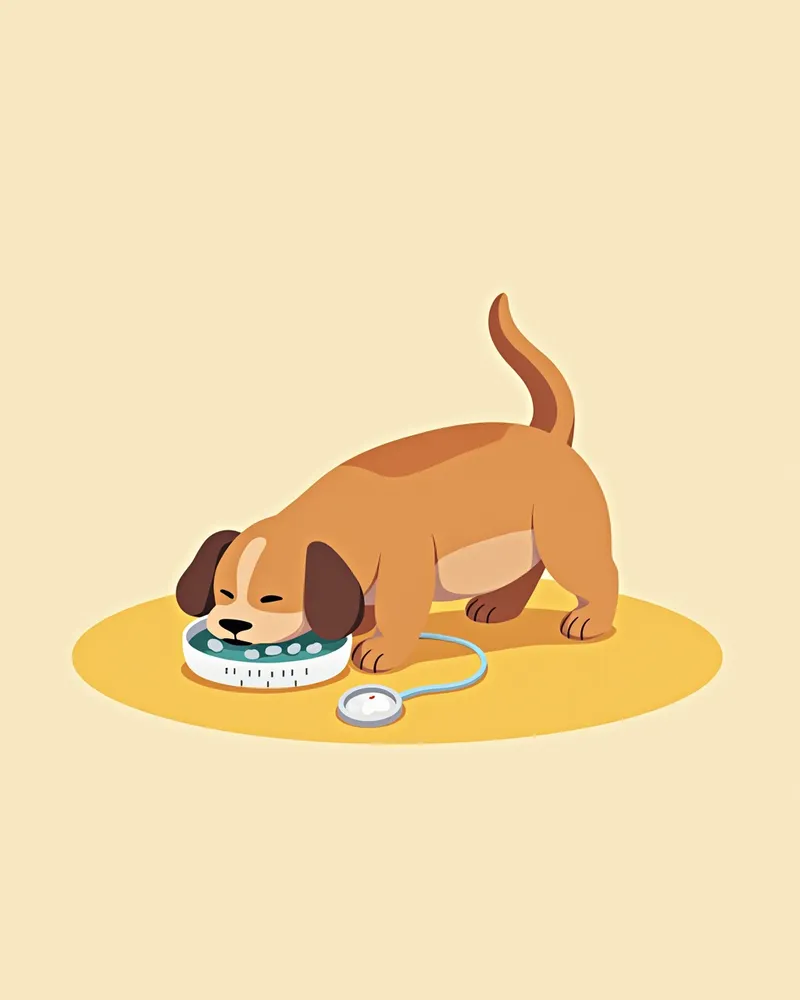
After spaying or neutering, your pet may tend to gain weight. This can result from a combination of hormonal changes, reduced activity levels, and inadequate portion control. It’s important to manage food intake carefully and switch to a calorie-controlled diet. Keeping your pet active through daily walks or playtime is highly recommended. Feed at consistent times each day and minimize treats. Weigh your pet weekly to monitor any changes, and adjust the diet as needed.
A scene showing weight management meals for a dog after neutering surgery

Be Sure to Get a Checkup Before Neutering Surgery

A thorough preoperative checkup is essential to assess heart, liver, and kidney function. Underlying health conditions can significantly increase surgical risks.

Reviewed by a veterinarian

Dr. Tony — Punnawat Phongkittirak

Dr. Tony — Punnawat Phongkittirak

Veterinarian

A veterinarian who majored in veterinary medicine at Khon Kaen University, Thailand, and completed the IVSA program at North Carolina State University in the United States. Drawing on clinical experience at animal hospitals, he works in the pet healthcare field and is dedicated to building a digital care environment that connects pet parents with veterinarians.

Frequently Asked Questions

When is the best time to have my dog spayed or neutered?
Small breeds mature quickly, so the typical window is between 6 and 9 months of age, but it’s important to base the decision on your dog’s individual growth stage and overall health. For large and giant breeds, we recommend waiting until long-bone growth is complete, as performing the surgery after this point helps reduce the risk of joint diseases.
Does weight gain occur after neutering surgery?
Along with hormonal changes, a decrease in activity level and shifts in eating habits can all contribute to weight gain after spaying or neutering. It’s important to manage portion sizes and maintain regular exercise.
Is neutering surgery painful?
During surgery, your pet won’t feel any pain thanks to anesthesia. There may be some temporary discomfort after the procedure, but your veterinarian will prescribe appropriate pain medication to keep them comfortable.
Does behavior change after spaying or neutering?
While a decrease in sexual behavior is a relatively common change, other behavioral shifts, such as aggression, vary from dog to dog and may not be significantly altered by neutering alone. Research suggests that the timing of neutering may have a limited impact on most behavioral traits in dogs.
Can spaying or neutering help prevent cancer?
Spaying before the first heat cycle can reduce the risk and severity of mammary tumors and prevent pyometra, a serious uterine infection. These benefits are especially pronounced when female dogs are spayed at a younger age. However, some studies suggest that certain other types of cancer may increase.

Share

Related Guides

References

[1] The Dog Care Handbook, Things I Wish My Vet Had Told Me, 2024

[2] Handbook on Field Veterinary Surgery, Ch19: Ovariohysterectomy in Canines and Felines, 2023

[3] Plumb's Veterinary Drug Handbook, 10th Edition, 2022

This information is based on veterinary literature and does not replace diagnosis or treatment. Please consult a veterinarian for specific health concerns.

Metapet Co., Ltd. | CEO: Park Sung-yong | Business Reg. No. 417-88-02562 | Seoul, South Korea | Customer Center

Best Time for Dog Neutering: When Should You Do It? | Meongsiljang