

Pimobendan (Vetmedin): The Key Medication for MVD – Is It Essential for Your Dog?
Pimobendan (Vetmedin) is the first-line medication for treating mitral valve disease (MVD) in dogs. Here’s a summary of how it works, when to administer it, potential side effects, and key care tips every pet owner should know.
What is Pimobendan? Why Is It the Key Medication for MVD?

What Is MVD and Why Is Medication Necessary?
The Two Actions of Pimobendan
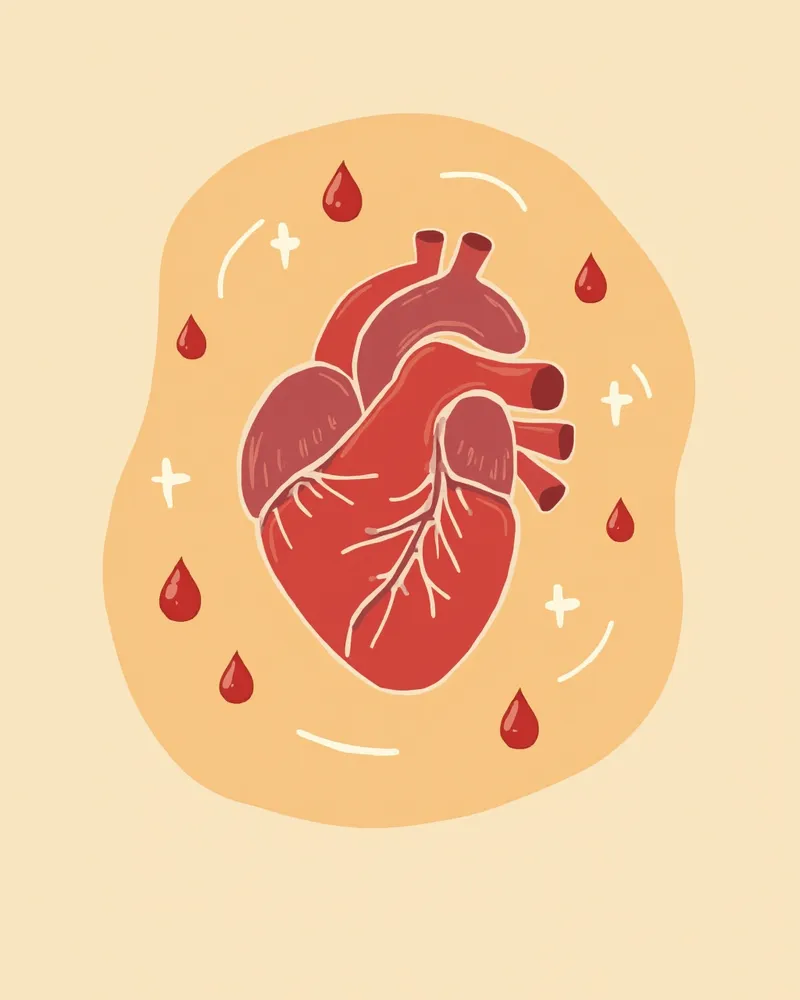
Pimobendan Administration Guidelines by MVD Stage
| Item | Stage B1 | Stage B2 | Stage C (CHF) |
|---|---|---|---|
| Heart size | Within normal range | Enlarged | Markedly enlarged with symptoms present |
| Symptoms | None | None (asymptomatic) | Cough, dyspnea, syncope |
| Pimobendan administration | False | True | True |
| Expected effect | Not applicable | Delays onset of heart failure | Prolongs survival time |
Early administration starting from Stage B2 is the standard treatment proven in the EPIC study
What to Check Before Using Pimobendan
Pimobendan is a medication that should only be prescribed after confirming Stage B2 via an echocardiogram. It is not a drug to be used simply because a heart murmur is detected. In fact, it can be harmful in cases of hypertrophic cardiomyopathy (HCM) or certain outflow obstruction diseases. The decision to administer this medication must be based on the results of an echocardiogram performed by a veterinarian.
Administration Method and Lifestyle Management Tips

What Are the Side Effects?
Concomitant Medications and Emergency Warning Signs
Pimobendan is typically prescribed alongside diuretics (furosemide), ACE inhibitors (enalapril), and spironolactone. This combination is commonly referred to as "quadruple heart therapy." If your dog’s resting respiratory rate remains above 40 breaths per minute, if their tongue turns blue, or if they suddenly collapse, seek emergency veterinary care immediately, as these may be signs of acute pulmonary edema.
Reviewed by a veterinarian

Dr. Tony — Punnawat Phongkittirak
VeterinarianA veterinarian who majored in veterinary medicine at Khon Kaen University, Thailand, and completed the IVSA program at North Carolina State University in the United States. Drawing on clinical experience at animal hospitals, he works in the pet healthcare field and is dedicated to building a digital care environment that connects pet parents with veterinarians.
Reviewed 2026-04-26
Frequently Asked Questions
Does my pet need to take Pimobendan for the rest of its life?
Is Vetmedin the same medication as pimobendan?
I’m worried about the cost of the medication. Is there a generic version available?
I missed giving my pet its medication. Can I give two pills at once?
How should I handle walks and exercise?
Share
Related Guides

Coenzyme Q10 Benefits and Administration Guide

7 Best Prescription Diets for Feline Heart Disease Recommended by Veterinarians — Criteria for Choosing Low-Sodium Food

Top Prescription Heart Disease Diets for Dogs: Best Picks and Selection Criteria

What is a cat blood glucose curve monitoring? How to measure and interpret it at home

Frequently Asked Questions on Dietary Management for Feline Diabetes — Key Points Every Pet Owner Should Know

What is feline diabetes? — From polydipsia and polyuria signs to insulin management

Frequently Asked Questions About Feline Diabetes Insipidus — Key Points Pet Owners Must Know

Cat Diabetes and Hind Limb Weakness? Early Signs and Management of Neuropathy and Cataracts

What is Feline Acromegaly? — The Real Reason Insulin Isn’t Working and Diagnosis

My Dog Growls and Guards Its Toys — Is Resource Guarding Normal?
References
[1] Häggström J, Boswood A, et al., Effect of Pimobendan on Survival in Dogs with Preclinical MMVD (EPIC Trial), J Vet Intern Med, 2016
[2] Ljungvall I, Häggström J, Myxomatous Valvular Disease, Textbook of Cardiovascular Medicine in Dogs and Cats
[3] Stern JA, Walker AL, Pimobendan, Small Animal Critical Care Medicine, 3rd Ed