Like
Share
멍실장
고양이 기생충 예방약 내성 문제 자주 묻는 질문 Q&A — 보호자가 꼭 알아야 할 핵심

Frequently Asked Questions on Feline Parasite Preventative Resistance — Key Points Every Pet Owner Should Know

Infection/ParasitesQ&AMeongsiljang Veterinary Advisory Board

The issue of resistance to feline parasite preventatives is gaining increasing attention. In this article, we’ve compiled the essential questions and answers that every pet owner should know.

What Is Feline Parasite Preventative Resistance?

An image of a cat with a magnifying glass over a tick, visualizing resistance mechanisms
Parasite resistance to feline parasite preventatives refers to a condition in which parasites are not eliminated because they are unaffected by the medication. With repeated use of medication, individuals that are less sensitive to the drug may survive and increase in proportion within the parasite population. This can reduce the effectiveness of preventive treatments and raise the risk of recurrent parasitic infections. - Resistant Parasites: These are parasites that survive after exposure to medication and may be difficult to eliminate with current preventive methods. - Refugia Strategy: This approach helps delay the development of resistance by maintaining a population of parasites that are not exposed to the drug. - Result of Natural Selection: The more frequently a drug is used, the more likely it is that only resistant parasites will survive, increasing the proportion of resistant individuals in the population. - Reduced Preventive Efficacy: In populations of resistant parasites, the effectiveness of existing medications may decrease. - Potential for Spread: Resistant parasites can spread not only among cats but also to other animals through the environment.

Why Are Parasite Preventatives No Longer Effective?

Parasite drug resistance is the result of natural selection, where repeated exposure to medication allows only individuals insensitive to the drug to survive. Parasites with short life cycles, such as fleas and ticks, are particularly prone to rapid evolution. During this process, individuals with lower susceptibility to the drug are eliminated, while resistant parasites survive and increase in proportion within the population. - Mechanism of resistance development: Resistance can arise through changes in the drug’s target site or the production of enzymes that break down the medication, thereby reducing its efficacy. - Risks of repeated use: Continuously using medications with the same active ingredient can lead to the rapid spread of resistant parasites. - Outcome of natural selection: Only parasites with resistance to the drug survive, leading to an increased proportion of resistant individuals in the population. - Cause of prevention failure: Resistant parasites may be difficult to eliminate with existing preventive medications, allowing infections to persist. - Need for veterinary consultation: Confirming the presence of resistance requires professional diagnosis and evaluation of drug efficacy by a veterinarian.
A scientific illustration showing genetic mutations in mites

Key Signs of Resistant Parasites

The main signs that your cat may be developing resistance to parasite preventatives include:
Recurring parasite infestations: Fleas or ticks continue to appear despite using preventative medication.
Persistent skin irritation: Flea bite reactions do not resolve and keep recurring.
Reduced drug efficacy: Parasites reappear within the expected protection period.
Same issue persists after switching medications: Even with a different product, the problem continues.
If these symptoms occur repeatedly, it’s important to consider the possibility of resistance.
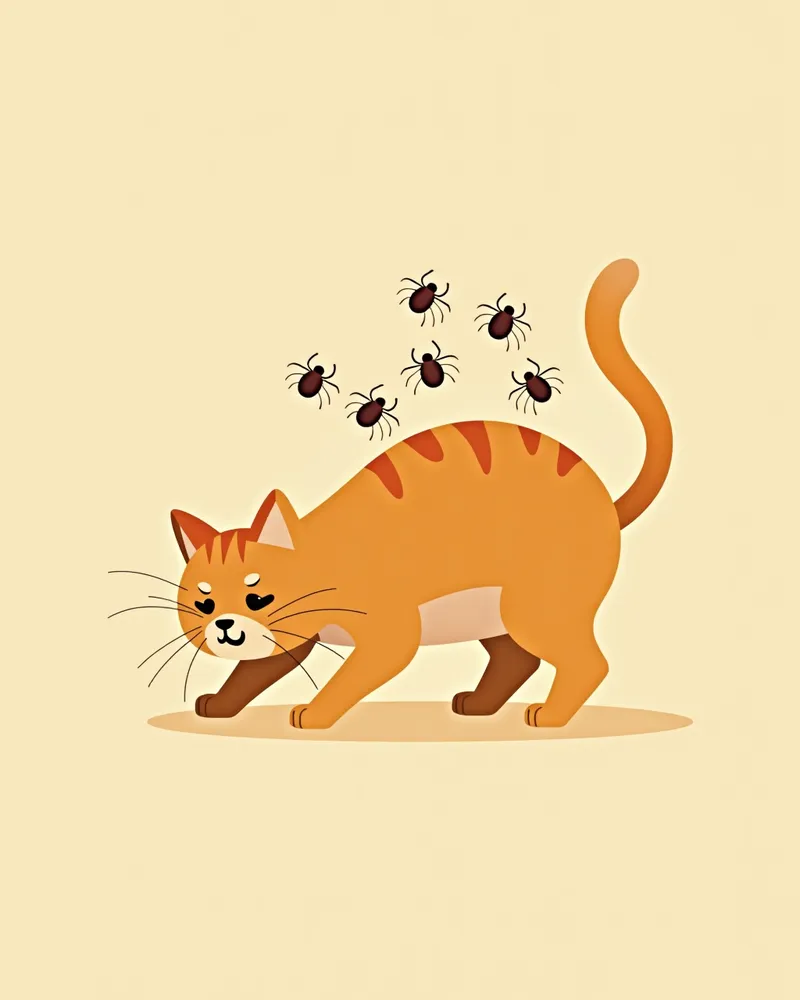
A cat being persistently scratched due to fleas

When to Visit the Vet Immediately

If parasites keep coming back, or if your cat is scratching excessively or losing patches of skin, please consult your veterinarian right away. Drug-resistant parasites can lead to the spread of infection.

Diagnostic Methods to Confirm Resistance

Confirming drug-resistant parasites requires a veterinarian’s professional diagnosis. Your vet will carefully assess the specific parasite type, your cat’s medication history, and the progression of symptoms. - Drug susceptibility testing: Parasite samples are collected to experimentally evaluate their survival in response to specific drug ingredients. Examples include the Egg Hatch Assay (EHA), Larval Development Test (LDT), and Larval Migration Test (LMT). - Biological sample analysis: Molecular testing can be performed using biological samples from parasites such as ticks and fleas. - Environmental sampling: Larvae or eggs are collected from areas like bedding and play spaces to identify the source of infection. - Regular fecal examinations: Stool samples are tested regularly after medication administration to monitor drug efficacy. - Multi-step evaluation system: Rather than relying on a single test, multiple methods are used in combination to improve diagnostic accuracy.
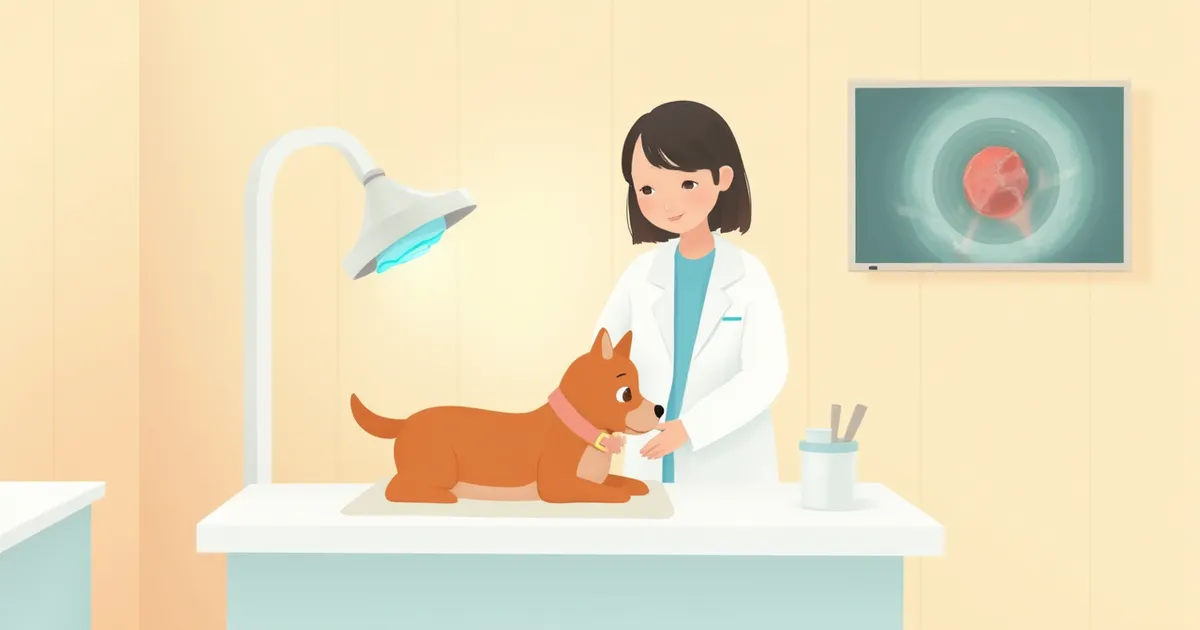
A veterinarian analyzing a mite sample under a microscope

How to Manage Resistant Parasites

To address resistant parasites, stop using the current medication and, under veterinary guidance, switch to a drug with a different active ingredient. - Active ingredient rotation strategy: Rotate the active ingredients of medications periodically, as recommended by your veterinarian, to delay the development of resistance. - Use of multi-action medications: Consider combination medications that are effective against both fleas and ticks. - Concurrent environmental cleaning: Regularly clean bedding, living spaces, and play areas, and repeat laundering and cleaning to remove tick eggs. - Adjustment of prevention schedule: Review the medication schedule with your veterinarian and adjust it as needed. - Record keeping: Keep detailed records of the active ingredients, dates of administration, and your pet’s response for ongoing tracking. - Continuous monitoring: Conduct regular checks to ensure resistant parasites do not reappear.
A cat taking a new parasite preventive medication, with a clean background environment.

Practical Tips for Preventing Resistance

To help prevent resistance to parasite preventatives, follow these tips:
Rotate active ingredients: Under your veterinarian’s guidance, periodically switch to medications with different active ingredients.
Maintain a clean environment: Regularly clean your pet’s bedding, play areas, and living spaces.
Schedule regular check-ups: Work with your vet to review and adjust your prevention strategy.
Perform routine fecal exams: After administering medication, conduct regular tests to confirm its effectiveness.
Consult your veterinarian: Always seek professional advice when selecting or switching medications.
These habits can help reduce the risk of resistance developing.
Practical Tips Checklist for Parasite Prevention

Comparison of Strategies for Feline Parasite Preventative Resistance

ItemStrategyEffectivenessPrecautionsRecommended Frequency
Continuous use of a single drugLowHigh risk of resistanceSwitching once a year recommendedX
Ingredient rotation strategyMediumResistance-prevention effectVeterinary consultation essential3–6 months
Use of combination-ingredient drugsHighEffective against multiple parasitesPossible side effectsEvery 6 months or more
Concurrent environmental managementVery highEliminates parasite habitatsCleaning frequency is importantAt least once a week

A combined strategy is most effective for preventing resistance.

Reviewed by a veterinarian

Dr. Tony — Punnawat Phongkittirak

Dr. Tony — Punnawat Phongkittirak

Veterinarian

A veterinarian who majored in veterinary medicine at Khon Kaen University, Thailand, and completed the IVSA program at North Carolina State University in the United States. Drawing on clinical experience at animal hospitals, he works in the pet healthcare field and is dedicated to building a digital care environment that connects pet parents with veterinarians.

Frequently Asked Questions

If fleas keep showing up even after using preventive medication, could it be resistance?
Yes, if parasites keep coming back, there’s a strong chance they’ve developed resistance. However, to confirm this, a veterinarian needs to collect parasite samples and experimentally assess how they respond to medication.
Can internal parasites be transmitted to humans?
While intestinal parasites themselves do not directly transmit to humans, they can cause indirect infection when parasite eggs or larvae contaminate the environment through an infected cat. Therefore, thorough environmental cleaning and hygiene management are essential.
What medication should I use to prevent resistance issues?
It is recommended to periodically rotate medications with different active ingredients or use multi-action formulations. Be sure to consult your veterinarian to select the most appropriate product for your pet.
What should I do if drug-resistant parasites develop?
After receiving a diagnosis from a veterinarian and confirming resistance through drug sensitivity testing, obtain and use a medication with a different active ingredient. Concurrently, thoroughly clean your pet’s environment.
Is tolerance an issue related to a cat's age?
The development of resistance is influenced more by factors such as the frequency of drug use, environmental management, and the implementation of refugia strategies to prevent immune evasion, rather than by the animal's age. Even young cats are at risk of developing resistance if medications are used repeatedly.

Share

Related Guides

References

[1] Pennisi MG, Hartmann K, Lloret A et al. (2013) Leishmaniosis in cats — ABCD guidelines on prevention and management. Journal of Feline Medicine and Surgery 15, 638-642

[2] Wildermuth K, Zabel S and Rosychuk RA (2013) The efficacy of cetirizine hydrochloride on the pruritus of cats with atopic dermatitis: a randomized, double-blind, placebo-controlled, crossover study. Veterinary Dermatology 24, 5/6-581

[3] The Cat, Clinical Medicine and Management, 2nd Edition, Cullen CL et al. (2007)

This information is based on veterinary literature and does not replace diagnosis or treatment. Please consult a veterinarian for specific health concerns.

Metapet Co., Ltd. | CEO: Park Sung-yong | Business Reg. No. 417-88-02562 | Seoul, South Korea | Customer Center

Cat Parasite Prevention Drug Resistance: Essential Q&A for Pet Owners | Meongsiljang