Like
Share
멍실장
강아지 급성 신부전(AKI) 응급 대처법

Emergency Response for Acute Kidney Failure (AKI) in Dogs

KidneyQ&AMeongsiljang Veterinary Advisory Board

Acute kidney failure in dogs is an emergency condition where kidney function rapidly declines within hours to days. We’ve outlined the golden window for treatment, warning signs that require immediate veterinary care, and how to respond based on the underlying cause.

What Is Acute Kidney Injury (AKI) in Dogs?

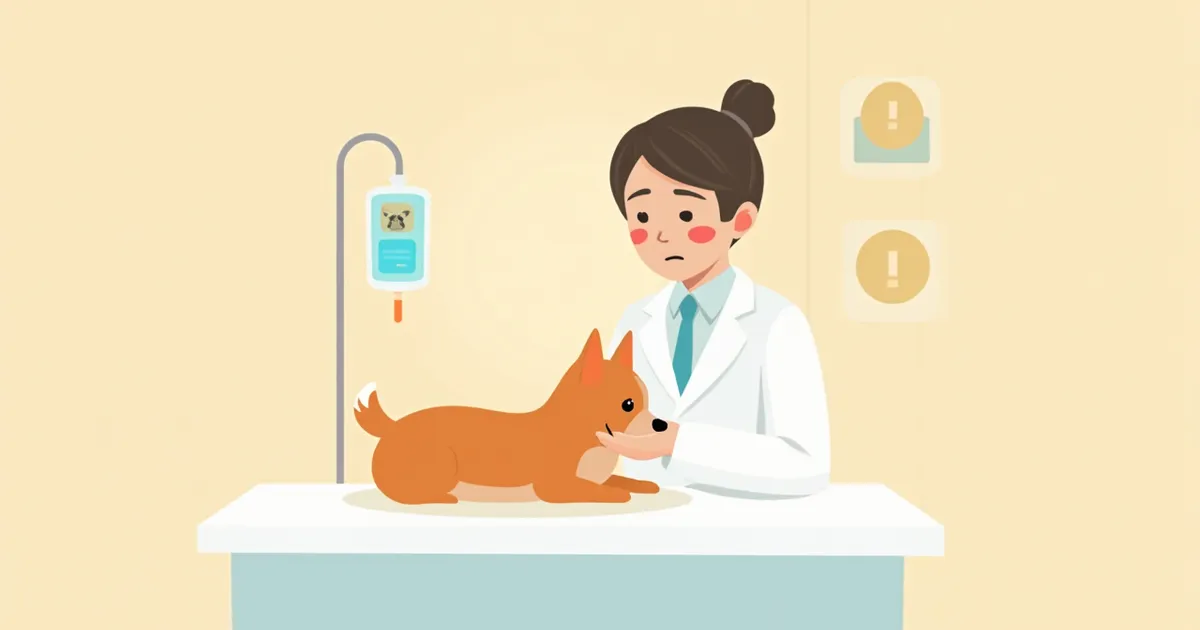
A small dog lying down with a weary expression.
Acute kidney injury (AKI) in dogs is a medical emergency in which kidney function declines rapidly over a period of hours to days. The golden window for treatment is critical. If your dog suddenly produces little or no urine, experiences repeated vomiting, or shows severe lethargy, seek emergency veterinary care immediately. Unlike chronic kidney disease (CKD), kidney function can be restored with prompt intervention, but prognosis worsens significantly with treatment delays. According to veterinary literature, the mortality rate for AKI is approximately 50%, and the prognosis is poorer for oliguric and anuric cases than for polyuric ones.

Main Causes of Acute Kidney Failure

Acute kidney failure is broadly categorized into three types based on the underlying cause. According to veterinary internal medicine textbooks, the treatment approach varies significantly depending on the cause, making rapid identification of the root issue essential. - Pre-renal: Reduced blood flow to the kidneys due to dehydration, severe diarrhea, or shock. - Renal: Direct damage to the kidneys themselves, such as from toxic substances, nonsteroidal anti-inflammatory drugs (NSAIDs), or leptospira infection. - Post-renal: Obstruction of the urinary tract caused by urinary stones or tumors.

Common Toxic Substances to Avoid at Home

Many cases of acute kidney injury in pets occur after they ingest something at home that they shouldn’t have eaten. The following substances can damage the kidneys even in small amounts, so please keep them out of reach. - Grapes and raisins: Unlike humans, dogs cannot efficiently excrete tartaric acid, which can lead to necrosis of the renal tubules. Even small amounts can cause acute kidney injury. - Lilies (Lily, Lilium and Hemerocallis species): Veterinary textbooks clearly state that lilies cause acute kidney injury in cats. While nephrotoxicity in dogs is not clearly confirmed in the provided evidence, immediate veterinary consultation is necessary if ingested. - Antifreeze (ethylene glycol): It has a sweet taste that may attract pets to lick it. It is particularly fatal in cats and also poses a risk of nephrotoxicity in dogs. - Rodenticides (rat poison): Depending on the type, these can cause poisoning. Always store them where pets cannot reach them. - Human pain relievers (ibuprofen, naproxen): Non-steroidal anti-inflammatory drugs (NSAIDs) reduce blood flow to the kidneys and must be strictly avoided. - Health supplements without veterinary prescription: Depending on their ingredients, they may pose a risk of nephrotoxicity. Do not administer large amounts arbitrarily.
Dangerous foods and medications around your dog

Acute Kidney Failure vs. Chronic Kidney Failure

ItemAcute kidney injury (AKI)Chronic kidney disease (CKD)
Rate of progressionHours to daysMonths to years
Likelihood of recoveryRecovery possible if earlyIrreversible
Change in urine outputDecreased (oliguria)·anuria, or polyuria (polyuric·recovery phase)Actually increases in the early stage
Change in body weightNo significant changeGradual weight loss
Kidney sizeNormal or enlargedSmaller·irregular
UrgencyImmediate clinic visitRegular management

Based on the veterinary internal medicine textbook; ultrasound findings are confirmed at the clinic

Signs That Require Immediate Emergency Care

If any of the following apply, go to a 24-hour emergency animal hospital immediately. Time is critical for preserving kidney tissue. - Significantly reduced or absent urine output for more than 6 hours - Repeated vomiting (3 or more times within one hour), making it impossible to keep water down - Abnormally rapid or deep breathing - Pale gums, lethargy, or unresponsiveness - Ingestion of a toxic substance discovered within 2 hours — seek immediate care even if no symptoms are present

Diagnostic Process at the Clinic
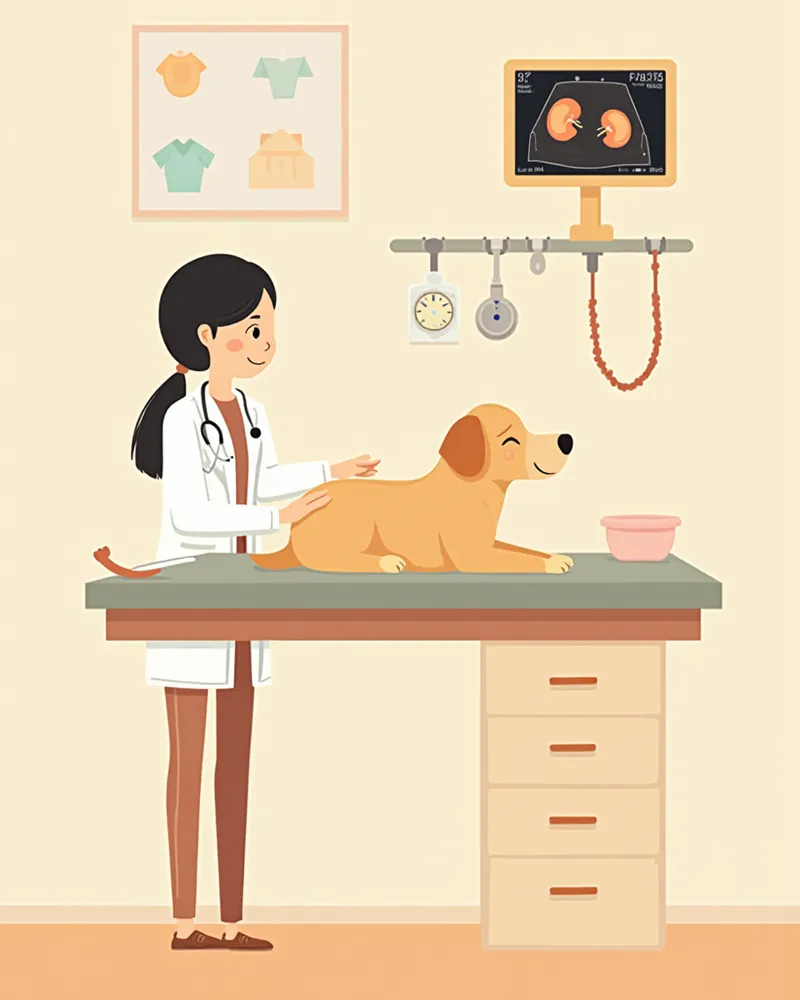
Upon arrival at the clinic, we perform blood and urine tests simultaneously. We check for azotemia—elevated levels of blood urea nitrogen (BUN), creatinine, and phosphorus—and evaluate urine specific gravity (USG) alongside these results. If azotemia is present but urine concentration ability is preserved, resulting in a high specific gravity, the cause is more likely prerenal, such as dehydration. Conversely, a low specific gravity suggests intrinsic renal damage. We also assess kidney size and shape via ultrasound and, if necessary, add tests for leptospirosis or toxic substances. Additionally, we may measure biomarkers that detect early changes in kidney function.
Scene of an ultrasound examination at a veterinary clinic

Key Treatments: Fluid Therapy and Addressing the Underlying Cause
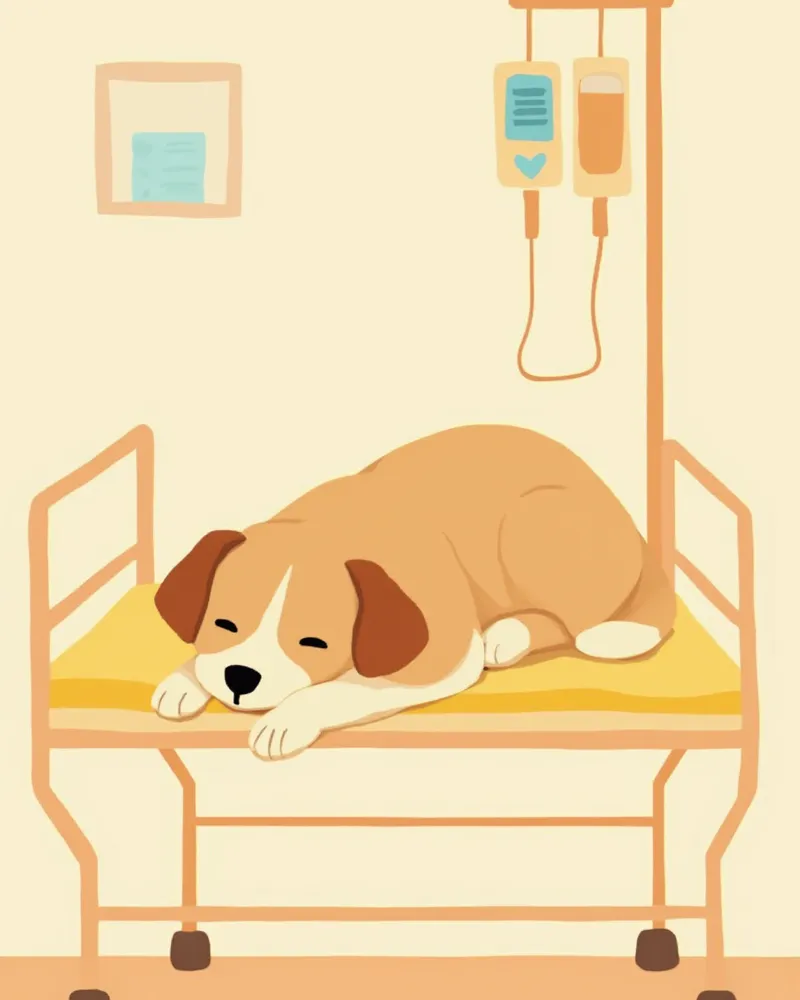
Treatment generally proceeds in three main stages: - Intravenous fluid therapy: Correcting dehydration and restoring blood flow to the kidneys are the top priorities. - Addressing the underlying cause: This may involve administering antidotes or performing gastric lavage for poisoning, or catheterization or surgery for urinary tract obstruction. - Managing complications: This includes using antiemetics to control vomiting, correcting electrolyte imbalances, and managing hyperkalemia (high potassium levels). In severe cases, or if the pet is producing no urine at all, hemodialysis may be necessary. Your veterinarian will determine the appropriate fluid infusion rate and medication dosages based on your pet’s body weight and laboratory test results.
A dog receiving intravenous fluids while hospitalized

What Owners Can Do Before Transporting to the Clinic

Improper handling during transport can worsen your pet’s condition. Just remember these key principles: - Do not force food or water — vomiting can lead to aspiration pneumonia. - Never give human medications — especially ibuprofen or aspirin. - If your pet ingested a toxic substance, bring the remaining packaging, contents, and any vomit in a sealed plastic bag. - Note the time and amount ingested. - Keep your pet warm with a blanket, but avoid wrapping them too tightly.

Post-Recovery Care and Preventing Recurrence

Even after recovery from acute kidney failure, the kidneys may remain permanently weakened. According to veterinary literature, renal damage can take several weeks to several months to heal, and regular follow-up examinations are necessary until kidney function stabilizes. Use a prescription renal diet to control protein, phosphorus, and sodium intake, and encourage adequate water consumption with an automatic water dispenser. Keep toxic foods and human medications out of reach, and never administer nonsteroidal anti-inflammatory drugs without a veterinarian’s prescription. Veterinary literature reports that some dogs recovered from acute kidney failure may progress to chronic kidney failure over time, making it essential to monitor kidney values during regular health check-ups.

Reviewed by a veterinarian

Dr. Tony — Punnawat Phongkittirak

Dr. Tony — Punnawat Phongkittirak

Veterinarian

A veterinarian who majored in veterinary medicine at Khon Kaen University, Thailand, and completed the IVSA program at North Carolina State University in the United States. Drawing on clinical experience at animal hospitals, he works in the pet healthcare field and is dedicated to building a digital care environment that connects pet parents with veterinarians.

Frequently Asked Questions

Can acute kidney failure be cured?
The outcome depends on the underlying cause and how quickly treatment begins. In cases of prerenal azotemia (dehydration) or early-stage toxin exposure, prompt fluid therapy offers a high chance of recovery. However, if treatment is delayed or the condition is severe, some kidney function may be permanently lost, leading to chronic kidney disease. According to veterinary literature, even dogs that recover from acute kidney injury (AKI) may go on to develop chronic kidney disease.
My pet’s urine output has decreased—would it be okay to just monitor them for one day?
No, that’s not safe. A significant decrease in urine output or complete absence of urination for more than six hours can be a warning sign of rapidly declining kidney function. As time passes, waste products (uremic toxins) that aren’t being excreted can build up in the body, leading to worsening overall health. If you suspect your pet has ingested a toxic substance, it’s safest to bring them in for evaluation as soon as possible, even if no symptoms are present.
My dog ate just one grape. Is it okay?
It’s not safe to assume your dog is fine. Unlike humans, dogs can’t efficiently excrete tartaric acid, so grapes and raisins can cause kidney toxicity. There’s no clearly established safe amount, meaning even a small ingestion can be dangerous. Contact your veterinarian right away for advice, providing details about when the ingestion occurred, your dog’s weight, and how many grapes were consumed.
When is hemodialysis absolutely necessary?
Consider this option if your pet is in an anuric state with no urine output at all, if BUN and creatinine levels continue to rise despite fluid therapy, or if there is life-threatening hyperkalemia. In Korea, this treatment is available at university veterinary hospitals and some specialized secondary care clinics.
How long after discharge will my pet need follow-up visits at the clinic?
Regular blood and urine tests are necessary from the moment of discharge until kidney function stabilizes. According to veterinary literature, recovery from intrinsic kidney injury can take several weeks to several months. Your veterinarian will determine the specific follow-up interval based on changes in test values and the severity of the condition, so be sure to confirm your recheck schedule at the time of discharge. The primary goal during this period is to determine whether the condition has progressed to chronic kidney failure.

Share

Related Guides

References

[1] Notes on Canine Internal Medicine, 4th Edition - Acute Kidney Injury chapter

[2] Clinical Medicine of the Dog and Cat, 4th Edition - Azotemia differential diagnosis

[3] Urinalysis in the Dog and Cat - CKD vs AKI differentiation

[4] IRIS (International Renal Interest Society) AKI Grading Guidelines 2023

This information is based on veterinary literature and does not replace diagnosis or treatment. Please consult a veterinarian for specific health concerns.

Metapet Co., Ltd. | CEO: Park Sung-yong | Business Reg. No. 417-88-02562 | Seoul, South Korea | Customer Center

Acute Kidney Injury (AKI) in Dogs: Emergency Response | Meongsiljang