Like
Share
멍실장
강아지 심장 수술(판막 성형·PDA 결찰) 자주 묻는 질문 Q&A — 보호자가 꼭 알아야 할 핵심

What is Canine Heart Surgery (Valve Repair and PDA Ligation)? — From Indications to Recovery

HeartQ&AMeongsiljang Veterinary Advisory Board

Valve repair and PDA ligation during heart surgery are life-saving treatments for dogs. Here are the key questions and answers every pet owner should know.

What is Canine Heart Surgery (Valve Repair and PDA Ligation)?
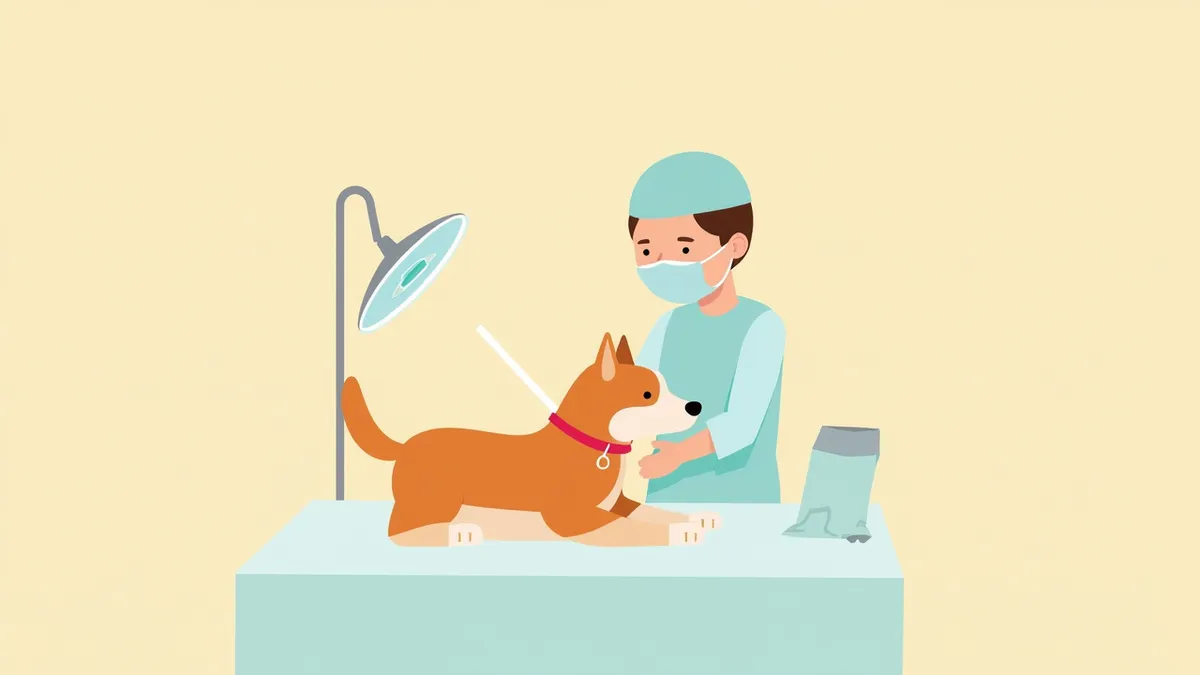
A puppy undergoing heart surgery in the operating room.
Valve repair during canine heart surgery is a procedure aimed at restoring or improving the function of the heart valves. - Valve repair: This addresses the issue of blood flowing backward during heartbeats, thereby enhancing cardiac efficiency. - PDA ligation: This surgical method corrects the abnormality where the ductus arteriosus, which should close after birth, remains open. These surgeries are crucial in preventing heart function decline and extending life. A thorough pre-operative evaluation, including detailed cardiac ultrasound and overall health assessment, is essential. Post-surgery, consistent care and regular check-ups are necessary. In most cases, these procedures allow for stable recovery.

What Tests and Preparations Are Needed Before Surgery?
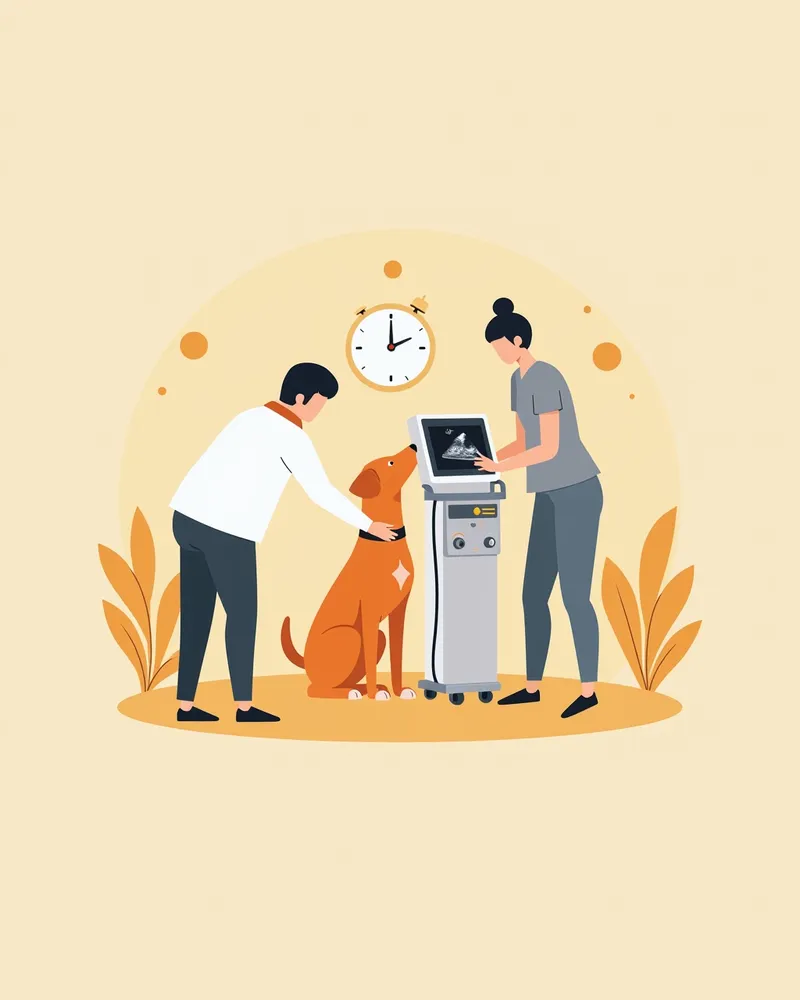
Before surgery, essential tests include an echocardiogram, electrocardiogram (ECG), blood work, and a chest X-ray. - Echocardiogram: Provides a detailed assessment of heart structure and valve function. - Electrocardiogram (ECG): Checks for any abnormalities in heart rhythm. - Blood work: Evaluates liver and kidney function, as well as overall blood health, to ensure surgical safety. - Chest X-ray: Assesses changes in heart size and lung condition. Fasting is required starting 12 hours before the procedure, and medication adjustments should be made according to your veterinarian’s instructions. All these preparatory steps play a crucial role in maximizing the chances of a successful surgery.
A dog undergoing an echocardiogram

How Long Is the Recovery Period After Surgery?
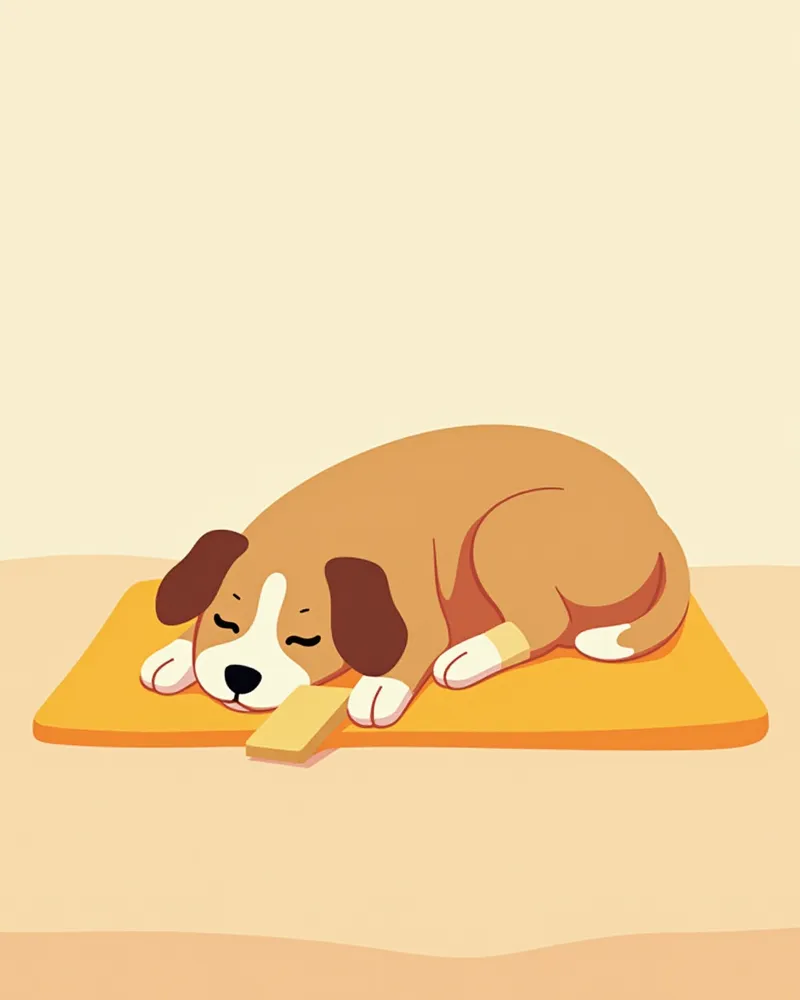
The recovery period after surgery typically lasts about two to four weeks. - Activity restriction: Walks should be kept short and only in quiet environments. - Medication: Consistently administer antibiotics, heart medications, and other prescribed drugs as directed by your veterinarian. - Follow-up schedule: Regular check-ups are required at one to two weeks, one month, and three months post-surgery. - Wound care: Contact your veterinarian immediately if you notice swelling or discharge at the incision site. - Dietary management: A low-sodium diet or specialized heart-support food is recommended to reduce strain on the heart. All of these factors are essential for a stable and successful recovery.
A puppy resting after surgery

Comparison of Pre- and Post-Operative Precautions

ItemBefore SurgeryAfter Surgery
Diet12-hour fastingSmall amounts of liquid food or soft kibble
ActivityMinimal movementRestricted walks, rest-focused
MedicationTake as directed by the veterinarianTake painkillers and antibiotics
Warning SignsRespiratory distress, signs of shockCoughing, abnormal heartbeat

A follow-up visit with the veterinarian within 2 weeks after surgery is essential.

What Signs Should Be Monitored After Surgery?

Contact your veterinarian immediately if your pet develops severe coughing or difficulty breathing after surgery. - Irregular heartbeat: Be alert if your pet’s heart rate is abnormally fast or the rhythm is irregular. - Loss of appetite: Not eating or refusing food for more than 24 hours is a warning sign. - Fever or signs of shock: Elevated body temperature, shock, or collapse indicate an emergency. - Abnormalities at the incision site: Swelling, bleeding, or discharge of pus may indicate infection. These symptoms can signal complications, so prompt action is essential.
A puppy showing difficulty breathing after surgery

Signs Requiring Immediate Veterinary Visit

If your pet develops a severe cough or has difficulty breathing, seek veterinary care immediately. These symptoms may indicate postoperative complications, and prompt treatment can be life-saving.

What Are the Surgical Success Rate and Prognosis?

- Surgical success rate: When performed by an experienced surgeon, valve repair and PDA ligation are relatively safe and effective procedures with low complication rates. Complications such as device embolization are rarely reported, occurring in less than 1% of cases, allowing most dogs to lead stable lives post-surgery. - Prognostic stability: If PDA is the only congenital defect and is closed before significant cardiac changes occur, a normal or near-normal lifespan can be expected. - Individual variation: The prognosis varies depending on the extent of heart damage and the dog’s overall health status prior to surgery. - Ongoing management required: Regular check-ups and consistent medication are necessary even after surgery. - Importance of early correction: Untreated PDA carries a high risk of death within the first year in some cases, making early detection, correction, and consistent management crucial. This surgery is a vital treatment that significantly improves a dog’s quality of life.
A healthy puppy playing after surgery

Possibility of Recurrence After Surgery and Management

Heart disease can recur even after surgery, so regular check-ups and maintaining a close relationship with your veterinarian are essential. Proper dietary management and appropriate exercise are also important for supporting heart health.

Reviewed by a veterinarian

Dr. Tony — Punnawat Phongkittirak

Dr. Tony — Punnawat Phongkittirak

Veterinarian

A veterinarian who majored in veterinary medicine at Khon Kaen University, Thailand, and completed the IVSA program at North Carolina State University in the United States. Drawing on clinical experience at animal hospitals, he works in the pet healthcare field and is dedicated to building a digital care environment that connects pet parents with veterinarians.

Frequently Asked Questions

Is it okay to go for walks within a week after surgery?
No, your pet needs complete rest for the first week after surgery. Walking is only allowed with your veterinarian's approval.
How long should my pet take medication after surgery?
The duration of medication depends on your dog’s condition, the type of surgery performed, and the extent of heart function recovery. Rather than arbitrarily setting a fixed timeframe, it is important to adjust the treatment according to your veterinarian’s guidance and avoid discontinuing the medication without professional advice.
Which puppies are good candidates for PDA ligation surgery?
This is recommended for puppies with a detectable heart murmur or a hemodynamically significant left-to-right shunt (PDA) confirmed on an echocardiogram. In such cases, closure of the ductus arteriosus is the definitive treatment.
How much does the surgery cost approximately?
Surgical costs range from $1,000 to $2,000, depending on the clinic and the type of surgery.
What should I do if my pet’s heart rate increases after surgery?
Contact your veterinarian immediately, as a heart examination may be necessary. Prompt action is crucial.

Share

Related Guides

References

[1] Fossum TW. Preoperative and intraoperative care of the surgical patient. In: Fossum TW, Duprey LP, O’Connor D, editors. Small animal surgery. 3rd ed. Boston, MA: Elsevier; 2007.

[2] Hosgood G, Scholl DT. Evaluation of age as a risk factor for perianesthetic morbidity and mortality in the dog. J Vet Emerg Crit Care. 1998;8(3):222-36.

[3] Reader RC, McCarthy RJ, Schultz KL, et al (2020) Comparison of liposomal bupivacaine and 0.5% bupivacaine hydrochloride for control of postoperative pain in dogs undergoing tibial plateau leveling osteotomy. J Am Vet Med Assoc 256:1011–19.

This information is based on veterinary literature and does not replace diagnosis or treatment. Please consult a veterinarian for specific health concerns.

Metapet Co., Ltd. | CEO: Park Sung-yong | Business Reg. No. 417-88-02562 | Seoul, South Korea | Customer Center

Dog Heart Surgery (Valve Repair, PDA Ligation): Indications & Recovery | Meongsiljang