
Like
Share
멍실장
강아지 폐동맥 고혈압 관리 추천 BEST와 고르는 기준 총정리

Warning Signs of Respiratory Distress in Dogs — Top 7 Recommendations for Managing Pulmonary Arterial Hypertension

HeartTop PicksMeongsiljang Veterinary Advisory Board

Pulmonary hypertension in dogs is a condition that places strain on the heart and lungs, making proper management essential. With the right products and care strategies, you can significantly improve your dog’s quality of life.

Pulmonary Arterial Hypertension in Dogs Is a Serious Condition That Places Long-Term Strain on the Heart and Lungs
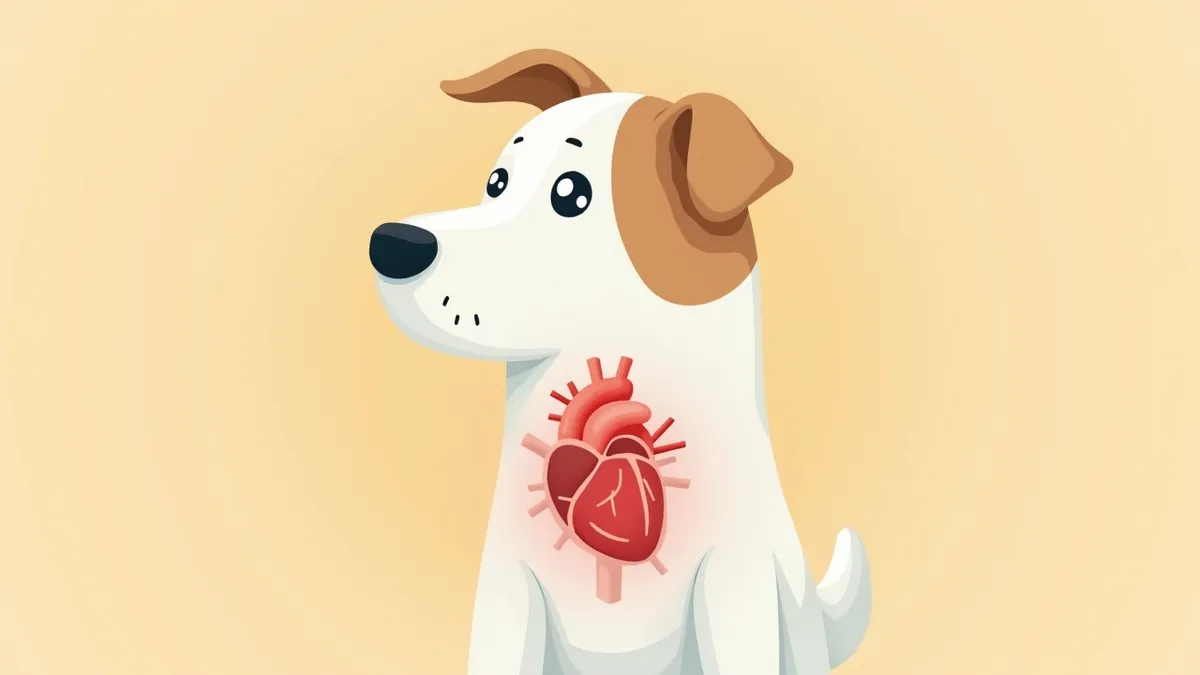
An image visualizing the physiological changes in canine pulmonary hypertension
Pulmonary arterial hypertension in dogs is a condition in which pressure in the pulmonary artery remains persistently elevated, placing excessive strain on the right side of the heart. Chronic elevation of this pressure causes the right ventricle to enlarge and thicken, and if left untreated, it can progress to right-sided heart failure. In the early stages, there are often few symptoms at rest, but pressure rises significantly during exercise, gradually leading to difficulty breathing, reduced activity levels, shortness of breath, and fatigue. Symptoms frequently worsen after physical exertion. - Early diagnosis: The condition can be detected by evaluating pulmonary arterial pressure and the state of the right ventricle through an echocardiogram. - Identifying the cause: Potential causes include left-sided heart disease (particularly chronic mitral valve disease), lung disease or hypoxia, and thromboembolism. Therefore, it is essential to work with your veterinarian to investigate the underlying cause. - Key to management: Pulmonary arterial hypertension is not a standalone disease but rather a condition that accompanies other illnesses, making treatment of the underlying disease the most critical aspect of care. - Collaboration with your veterinarian: A treatment plan must always be developed in partnership with a veterinary professional.

The Key to Managing Pulmonary Arterial Hypertension in Dogs Is Eliminating the Cause and Alleviating Symptoms
This condition often stems from underlying issues in the left side of the heart or the lungs, so identifying the root cause is the first step. In dogs, chronic mitral valve disease is the most common cause, but lung conditions like pneumonia or pulmonary thromboembolism can also be responsible, making a veterinarian’s diagnosis essential for pinpointing the exact cause. - Treating the underlying condition: Pulmonary hypertension is not a standalone disease but a condition that accompanies other illnesses, so treating the root cause is key to management. - Veterinary-prescribed treatment: Depending on the severity, treatments may include oxygen therapy, diuretics, pimobendan, pulmonary vasodilators (such as sildenafil), and anticoagulants. - Lifestyle management: Excessive exercise can sharply increase pulmonary artery pressure, so it should be avoided. Regular, light activity and weight management are important. - Personalized care plan: Every dog’s condition is different, so it’s important to work with your veterinarian to create a tailored management plan.
A veterinarian diagnosing pulmonary hypertension in a puppy

Top Recommendation 1 for Managing Pulmonary Arterial Hypertension in Dogs: Heart Health-Specific Nutritional Supplement

This supplement features glucosamine, omega-3 fatty acids, vitamin E, and lutein as its key ingredients. However, veterinary textbooks do not provide evidence that these ingredients treat pulmonary arterial hypertension itself, so it is important to remember that this product cannot replace prescribed medical treatment. - Supportive Role: Supplements are strictly supportive aids; standard management of pulmonary arterial hypertension involves treating the underlying condition and following a veterinarian’s prescription. - Antioxidant Ingredients: Vitamin E and lutein are recognized as general antioxidant supportive ingredients. - Long-Term Use: Even with long-term administration, it is safest to consult your veterinarian regarding dosage. - Veterinary Consultation: Always consult your attending veterinarian before use to confirm suitability for your dog. - Administration: Administer once daily with food, but prioritize your veterinarian’s recommendations.
Heart health supplement for managing pulmonary hypertension in dogs

Top Recommendation 2 for Managing Pulmonary Arterial Hypertension in Dogs: Pulmonary Vessel Protection Nutritional Supplement
This product is a nutritional supplement featuring resveratrol and coenzyme Q10 as its main ingredients. However, veterinary textbooks do not provide evidence that these ingredients treat pulmonary arterial hypertension or dilate pulmonary blood vessels, so this supplement cannot replace prescribed medications. - Vasodilation requires a prescription: If vasodilation is needed for pulmonary arterial hypertension, a veterinarian will prescribe pulmonary vasodilators such as sildenafil; nutritional supplements cannot replace these medications. - Antioxidant ingredients: Resveratrol is known as an antioxidant supporting ingredient, but its effectiveness in preventing pulmonary vascular damage has not been proven. - Long-term safety: Even when administered over the long term, you should monitor for side effects and consult with your veterinarian. - Managing cardiac burden: To reduce the burden on the heart, treating the underlying disease is the top priority. - Administration recommendation: Administer once daily with meals, following your veterinarian's instructions.
A pulmonary vascular protective supplement for managing pulmonary arterial hypertension in dogs

Top Recommendation 3 for Managing Pulmonary Arterial Hypertension in Dogs: Naturally Derived Heart Protector

This product is a nutritional supplement based on plant extracts such as garlic, green tea, and lemon balm. However, just because ingredients are "natural" does not mean they are always safe for dogs. In particular, ingredients like garlic can be harmful to dogs and should never be administered without consulting a veterinarian. There is also no evidence that these ingredients treat pulmonary arterial hypertension. - Safety First: Even natural ingredients can cause side effects or toxicity, so always consult your veterinarian before use. - Respiratory Care: Dogs with difficulty breathing need emergency treatment and veterinary care, such as oxygen therapy, rather than nutritional supplements. - Caution Regarding Anti-Inflammatory Claims: The protective effect of green tea on pulmonary blood vessels has not been proven. - Activity Level: Excessive activity can increase pulmonary arterial pressure and should be avoided. - Administration: Always consult your veterinarian to confirm safety before giving this product to your dog.
Natural heart protector for managing pulmonary hypertension in dogs

Comparison Table of Top Recommendations 1–3: Ingredients, Effects, and Usage Summary

ItemBEST 1 Heart SupplementBEST 2 Pulmonary Vascular ProtectantBEST 3 Natural Protectant
Main IngredientsGlucosamine, omega-3, lutein, vitamin EResveratrol, coenzyme Q10Garlic, green tea, lemon balm extract
Main EffectsGeneral nutritional support; therapeutic effect on pulmonary arterial hypertension unprovenAntioxidant support; pulmonary vasodilation/therapeutic effect unprovenTherapeutic effect unproven; caution needed regarding toxicity of garlic, etc.
Recommended TimingFor adjunctive purpose to veterinarian-prescribed treatmentFor adjunctive purpose to veterinarian-prescribed treatmentVeterinary consultation required before administration
Daily Recommended Amount1 tablet per 10 kg body weight1 capsule per 10 kg body weight1 teaspoon per 10 kg body weight

Supplements do not replace the standard treatment for pulmonary arterial hypertension (oxygen, diuretics, pimobendan, pulmonary vasodilators, etc.). The timing and dosage of administration must be determined in consultation with your veterinarian.

Caution: Side Effects May Occur with Overdosing

Always follow the dosage recommended by your veterinarian when giving supplements. Overdosing can cause vomiting, diarrhea, and irregular heart rhythms. Be especially cautious if your pet is taking blood thinners, as interactions may occur.

Tips for Managing Pulmonary Arterial Hypertension in Dogs: 5 Practical Steps for Daily Life

When managing pulmonary arterial hypertension in dogs, it’s important to remember that while daily habit adjustments matter, treating the underlying disease and following your veterinarian’s prescription take priority over supplements. - Exercise management: In severe cases of pulmonary arterial hypertension, excessive exercise can rapidly increase pulmonary artery pressure, raising the risk of fainting or sudden death. Always consult your veterinarian to determine the appropriate level of activity. - Diet management: Maintain a healthy weight and avoid processed foods, as obesity increases the burden on the heart. - Environmental management: Keep indoor air quality good and minimize stressors. - Regular check-ups: Regularly assess pulmonary artery pressure and right ventricular condition through cardiac ultrasound. - Communication with your veterinarian: If you notice any changes in symptoms, consult your vet immediately to discuss whether medication adjustments are needed.
Daily habits for managing pulmonary hypertension in dogs

Reviewed by a veterinarian

Dr. Tony — Punnawat Phongkittirak

Dr. Tony — Punnawat Phongkittirak

Veterinarian

A veterinarian who majored in veterinary medicine at Khon Kaen University, Thailand, and completed the IVSA program at North Carolina State University in the United States. Drawing on clinical experience at animal hospitals, he works in the pet healthcare field and is dedicated to building a digital care environment that connects pet parents with veterinarians.

Frequently Asked Questions

Can pulmonary arterial hypertension in dogs be cured?
Symptoms may improve once the underlying condition is treated. However, the prognosis depends on the reversibility and progression rate of the vascular changes, as well as the stage at which the disease was diagnosed. In most cases, ongoing management is necessary. Early detection and treatment of the underlying condition are key.
When should I start giving my pet nutritional supplements?
The cornerstone of managing pulmonary hypertension is not supplements, but rather a veterinarian’s diagnosis and prescribed treatment. Since supplements are merely supportive aids, always consult your veterinarian to determine whether they’re appropriate for your pet and when to start them.
How should I manage my pet’s diet?
Maintaining a healthy weight and a balanced diet can be helpful. Since the specific diet varies depending on your dog's underlying conditions and overall health, please consult your veterinarian to adjust their diet accordingly.
How long should I walk my dog?
In severe pulmonary hypertension, excessive exercise can cause a dangerous spike in pulmonary artery pressure. Please consult your veterinarian to determine an appropriate level of activity, and be sure to stop immediately if your pet shows signs of labored breathing or fatigue.
How often should I bring my pet in for a regular checkup?
Regular checkups, including echocardiograms, are recommended to assess pulmonary artery pressure and heart condition. If symptoms change, more frequent checkups may be necessary, and the veterinarian will determine the appropriate interval based on your dog's condition.

Share

Related Guides

References

[1] Textbook of Cardiovascular Medicine in Dogs and Cats, 2022, Chapter 12: Pulmonary Hypertension in Canines

[2] Plumb's Veterinary Drug Handbook, 9th Edition, 2023, Section on Cardiovascular Agents

[3] American College of Veterinary Internal Medicine (ACVIM) Consensus Statement on Canine Pulmonary Hypertension, 2021

This information is based on veterinary literature and does not replace diagnosis or treatment. Please consult a veterinarian for specific health concerns.

Metapet Co., Ltd. | CEO: Park Sung-yong | Business Reg. No. 417-88-02562 | Seoul, South Korea | Customer Center

7 Tips for Managing Canine Pulmonary Arterial Hypertension | Meongsiljang