
7 Key Management Tips for Feline Cholangiohepatitis Recommended by Veterinarians
Feline cholangiohepatitis is a condition characterized by inflammation of the liver and bile ducts, making proper management essential. We’ve compiled a clear overview of the best products and key criteria for choosing them.
Feline cholangiohepatitis is a chronic condition characterized by inflammation of the liver and bile ducts
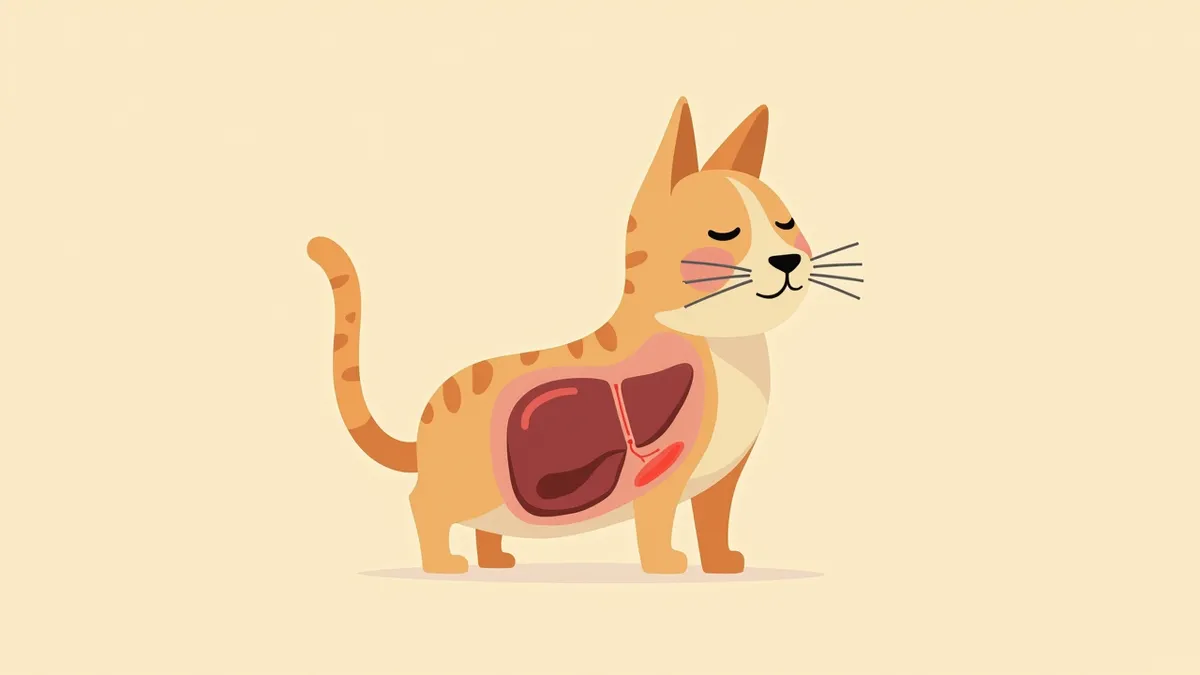
Be sure to check these 4 key criteria when choosing
BEST 1: Liver Protection Care Protein Liquid
BEST 2: Biliary Renewal Capsules

BEST 3: Natural Ingredient Liver Health Powder

Comparison Table of Products BEST 1–3
| Item | BEST 1 Liquid | BEST 2 Capsule | BEST 3 Powder |
|---|---|---|---|
| Main Ingredients (Claimed) | N-acetylcysteine, lecithin | Bile acids, anti-inflammatory ingredients | Lemon balm, Brazilian herbs |
| Form | Liquid | Capsule | Powder |
| Ease of Intake | Very high | High | Moderate |
| Veterinary consultation recommended for long-term use | True | True | True |
| Intended Use | Nutritional supplementation aid | Nutritional supplementation aid | Nutritional supplementation aid |
The ingredients are as claimed by the products, and their efficacy in treating cholangiohepatitis has not been proven by standard veterinary evidence. Prioritize veterinary diagnosis and prescription for treatment, and use supplements only for reference.
Overdosing can increase the burden on the liver
Liver supplements can actually burden the liver if overdosed. A veterinarian will recommend the appropriate dosage based on your pet’s weight and condition. Cats with pre-existing liver dysfunction should never be given these supplements without veterinary guidance. If vomiting or loss of appetite occurs during use, stop administration immediately and consult your veterinarian.
Usage Tip: Carefully monitor your cat’s response

Reviewed by a veterinarian

Dr. Tony — Punnawat Phongkittirak
VeterinarianA veterinarian who majored in veterinary medicine at Khon Kaen University, Thailand, and completed the IVSA program at North Carolina State University in the United States. Drawing on clinical experience at animal hospitals, he works in the pet healthcare field and is dedicated to building a digital care environment that connects pet parents with veterinarians.
Reviewed 2026-06-05
Frequently Asked Questions
Can feline cholangitis be cured?
How many times a day should I give my pet the supplement?
Can it be managed with a natural diet?
Could switching products have any negative effects?
Can I give my pet nutritional supplements without consulting a veterinarian?
Share
Related Guides
7 Key Symptoms and Management Essentials for Canine Cholecystitis Recommended by Veterinarians
Top 5 Milk Thistle (Silymarin) Liver Supplements for Dogs — A Comparison Guide Based on Silybin Content and Absorption Rates
Top Prescription Diets for Dogs with Liver Disease and Selection Criteria

Safe with Kids and Dogs — 7 Best Rules for Preventing Dog Bites in Children

Dogs That Chew When Left Alone — 7 Management Strategies for Separation-Related Destructive Behavior and How to Choose

The Best Ways to Manage Compulsive Licking and Chewing in Dogs and How to Choose the Right Approach
The Best Evidence-Based Management Strategies for Canine Cognitive Dysfunction in Senior Dogs and Selection Criteria

Cats Who Tremble at the Vet — 7 Vet-Recommended Ways to Reduce Fear

Comprehensive Guide to Top Recommendations for Managing Feline Territorial Stress and How to Choose
Cats That Cry When Left Alone — 7 Key Strategies to Reduce Separation Anxiety
References
[1] The Cat, Clinical Medicine and Management, 2nd Edition, 2020
[2] Small Animal Critical Care Medicine, 3rd Ed, 2021
[3] Veterinary Hepatology: A Practical Guide, 2019