
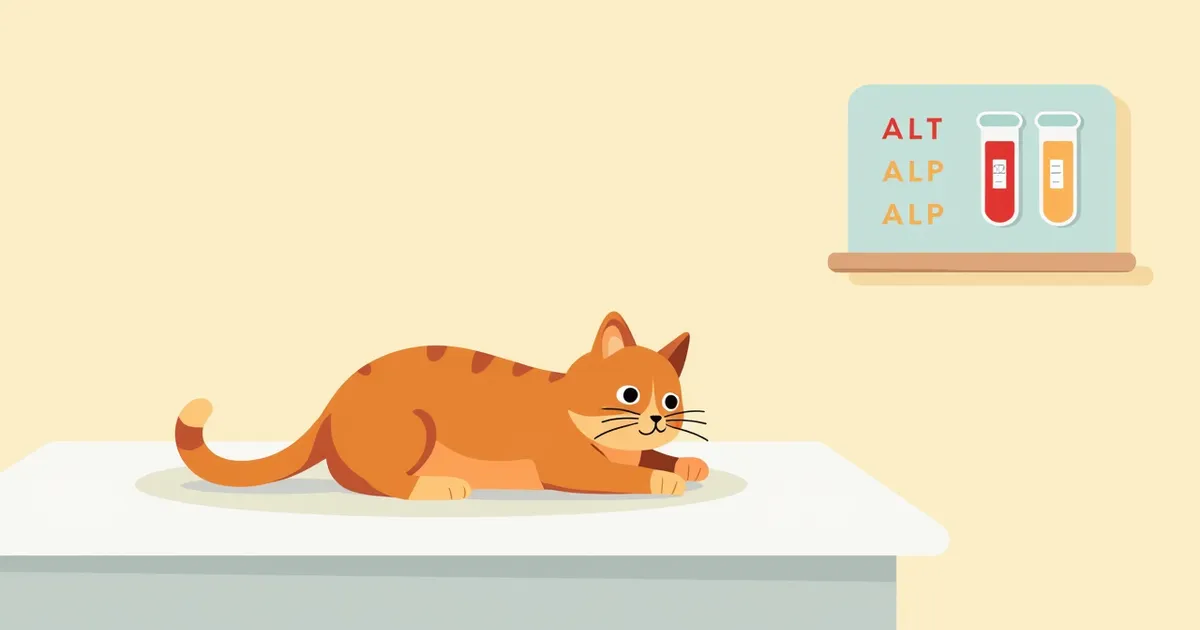
7 Causes of Elevated Liver Enzymes in Cats and Comprehensive Management Guide Selected by Veterinarians
Elevated ALT and ALP levels in cats can be a sign of liver dysfunction. Accurately identifying the underlying cause and providing appropriate management are essential.
Elevated ALT and ALP in Cats Are a Sign of Liver Dysfunction

Selection Criteria: Accurate Differential Diagnosis Is Key
BEST 1: Cat-Specific Supplements for Liver Protection
BEST 2: Cat-Specific Dietary Therapy for Improving Liver Function
BEST 3: Regular Check-up Program for Liver Function Monitoring

Comparison of BEST 1–3: Ingredients, Effects, and Recommended Timing
| Item | BEST 1 (Supplement) | BEST 2 (Diet Therapy) | BEST 3 (Screening Program) |
|---|---|---|---|
| Main Ingredients | Supportive nutrition based on veterinary prescription (evidence for liver efficacy of specific ingredients is insufficient) | Sufficient energy (carbohydrates·fats), appropriate protein | Regular blood tests, ultrasound |
| Main Effects | Nutritional supportive role, supplying sufficient energy and vitamins | Preventing protein catabolism, cause-tailored dietary management | Early detection, adjustment of treatment plan |
| Recommended Timing | Supportively after veterinary consultation | During dietary management after liver disease diagnosis | During regular management or when recommended by the hospital |
Choose based on veterinary diagnosis and consultation.
Caution: Early Detection of Liver Dysfunction Is Vital
Elevated ALT and ALP levels may not cause any symptoms in the early stages. However, if left untreated, they can progress to liver cirrhosis or liver failure. It is important to detect these changes early through regular check-ups before symptoms appear.
Usage Tips: Daily Care for Your Cat’s Liver Health

Reviewed by a veterinarian

Dr. Tony — Punnawat Phongkittirak
VeterinarianA veterinarian who majored in veterinary medicine at Khon Kaen University, Thailand, and completed the IVSA program at North Carolina State University in the United States. Drawing on clinical experience at animal hospitals, he works in the pet healthcare field and is dedicated to building a digital care environment that connects pet parents with veterinarians.
Reviewed 2026-06-05
Frequently Asked Questions
Does an elevated ALT or ALP level always mean I need to visit the vet?
My cat has lost its appetite, and its ALT and ALP levels are elevated. Should I be concerned?
Does poor liver function mean it can't be treated?
How long should I continue giving my pet nutritional supplements?
Can liver function improve with diet alone?
Share
Related Guides

7 Key Symptoms and Management Essentials for Canine Cholecystitis Recommended by Veterinarians

Top 5 Milk Thistle (Silymarin) Liver Supplements for Dogs — A Comparison Guide Based on Silybin Content and Absorption Rates
Top Prescription Diets for Dogs with Liver Disease and Selection Criteria
7 Key Points for Managing Drug- and Toxin-Induced Liver Damage in Cats, as Recommended by Veterinarians

7 Key Management Tips for Feline Cholangiohepatitis Recommended by Veterinarians
7 Best Feline Bile Acid Testing and Management Items Recommended by Veterinarians
7 Key Signs for Managing Feline Autoimmune Hepatitis, as Selected by Veterinarians
7 Best Management Tips for Feline Ascites and Liver Disease Recommended by Veterinarians
7 Key Points for Assessing Canine Kidney Function via Urine Specific Gravity from a Veterinarian
7 Emergency Signs and Management Tips for Canine Ureteral Stones and Obstruction Recommended by Veterinarians
References
[1] Fundamentals of Veterinary Clinical Pathology, 3rd Edition, 2023
[2] Small Animal Critical Care Medicine, 3rd Ed, 2022
[3] Veterinary Hepatology: A Practical Guide, 2021