Like
Share
멍실장
강아지 시스틴 요석 관리 추천 BEST와 고르는 기준 총정리

Top Recommended Products and Selection Criteria for Managing Cystine Uroliths in Dogs

UrinaryTop PicksMeongsiljang Veterinary Advisory Board

Cystine urolithiasis in dogs is a type of urinary stone caused by genetic factors, making proper diet and management essential. Here’s a summary of the most effective management strategies and recommended products.

Cystine Uroliths in Dogs Are a Hereditary Form of Urinary Stones
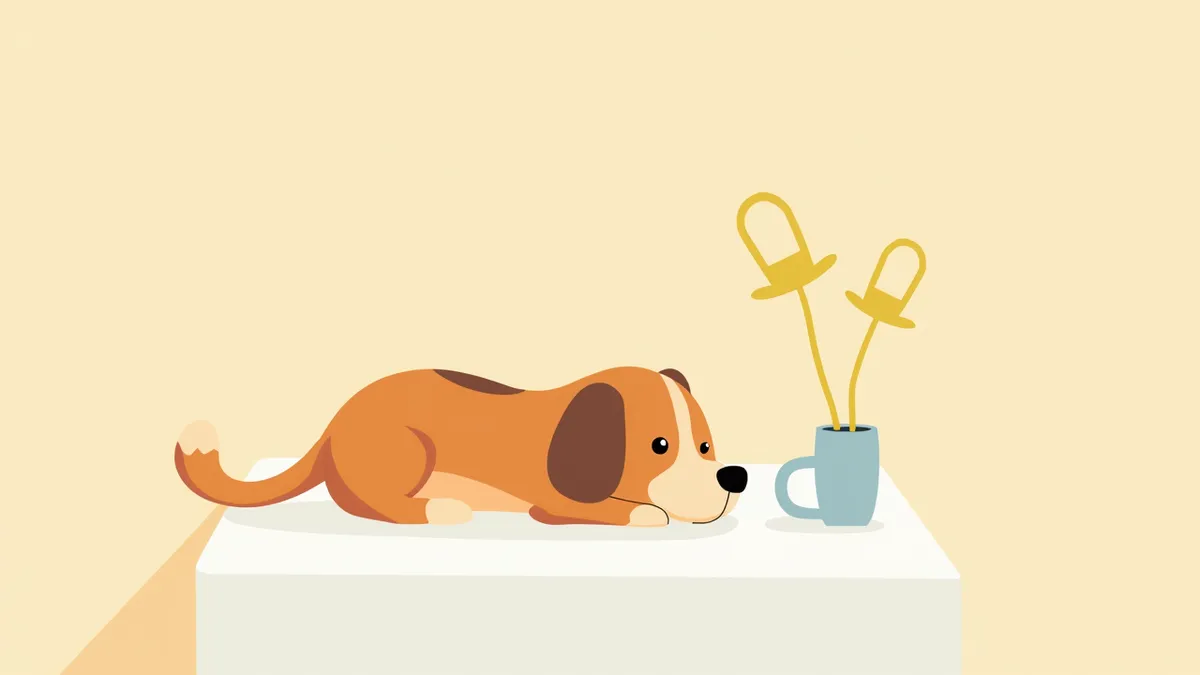
A dog with its veterinarian, and a pet owner concerned about urinary tract health
Cystine uroliths in dogs are a type of stone heavily influenced by genetics. They form when a defect in the proximal tubules impairs the reabsorption of cystine (the oxidized dimer of the amino acid cysteine), leading to supersaturation of cystine in the urine. Certain breeds, such as Newfoundlands, English Bulldogs, Dachshunds, Chihuahuas, and Mastiffs, have a higher reported risk of developing these stones. Cystinuria tends to be inherited in an autosomal recessive pattern. Because cystine is less soluble than other amino acids, concentrated urine can easily lead to stone formation. These stones can cause pain, difficulty urinating, and even urinary obstruction in severe cases, making early management crucial. Regular veterinary check-ups and dietary adjustments are essential. Increasing water intake, alkalinizing the urine to maintain a pH of 7.5 or higher, and keeping the urine dilute can help manage cystine stones.

The Key to Managing Cystine Uroliths Is Diet Selection
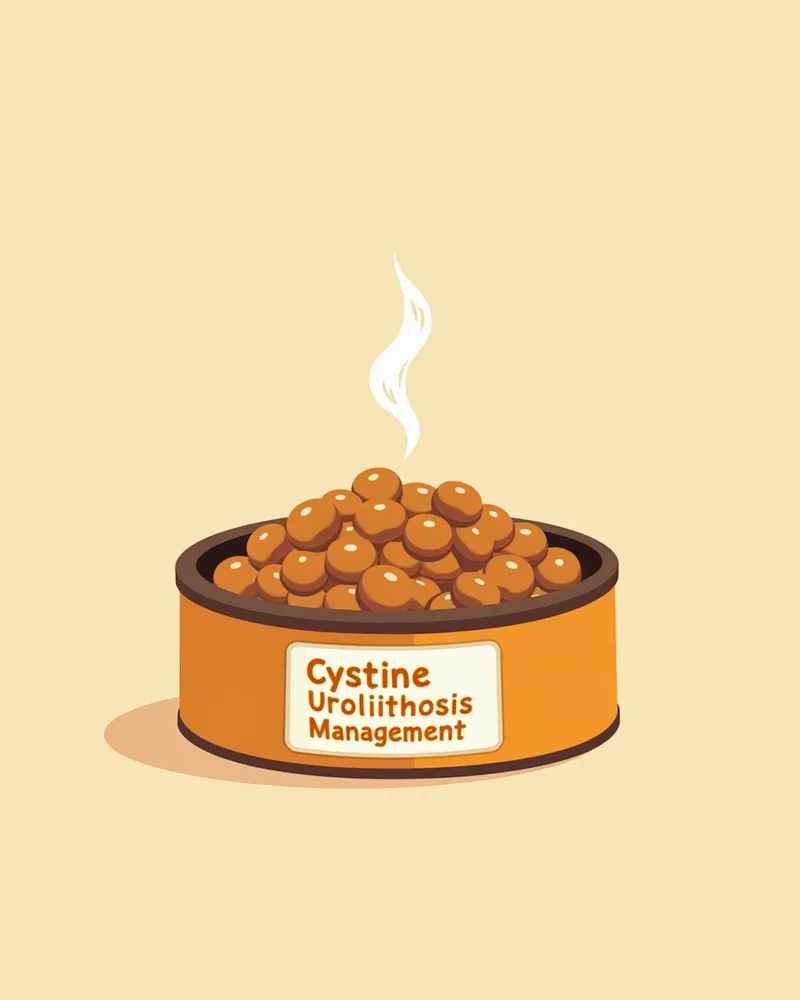
Dietary management is key to controlling cystine uroliths. Since cystine dissolves more readily in alkaline urine, it is important to maintain a urine pH of 7.5 or higher. Choosing a diet that appropriately regulates the supply of sulfur-containing amino acids (cysteine and methionine), which serve as precursors to cystine, can help reduce the cystine burden in the urine. Diets with high moisture content encourage water intake, diluting the urine and lowering specific gravity, which helps inhibit stone formation. Prescription diets recommended by veterinarians support urinary tract health by providing balanced nutrition while promoting urine alkalinization and increased water intake.
A specialized diet for managing cystine urolithiasis, as specified on the product label

Top Pick #1: Premium Cystine Management Diet
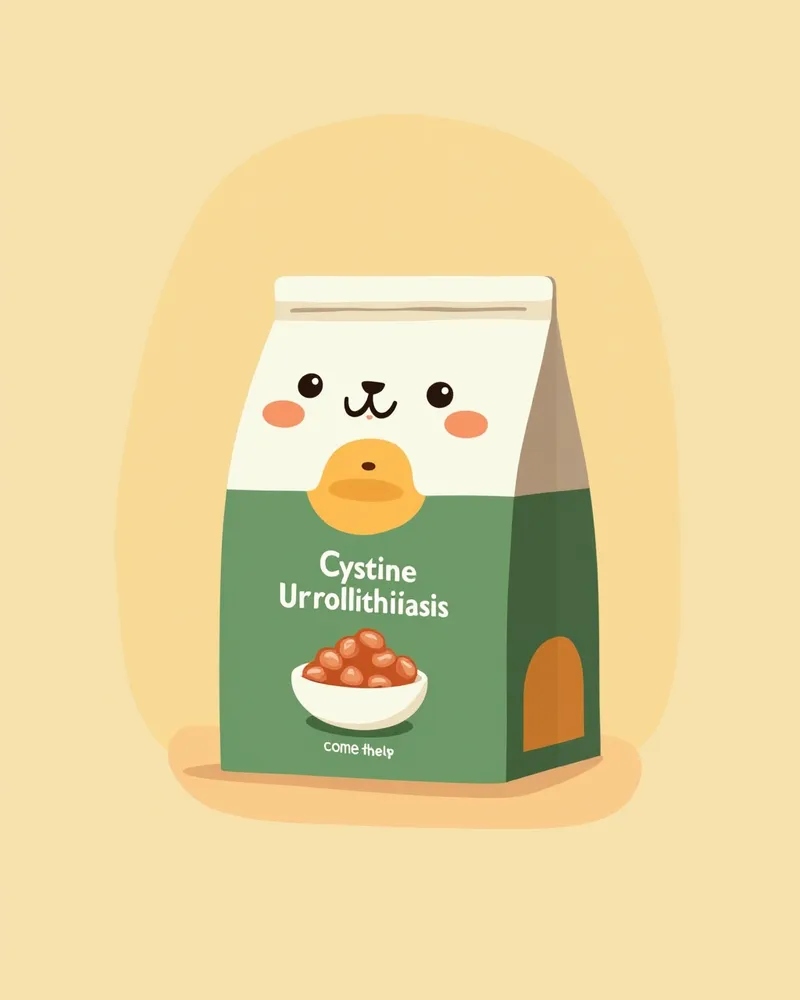
This food is formulated to reduce the cystine load in urine, helping to maintain a mildly alkaline urine pH of 7.5 or higher. Protein levels are carefully controlled to avoid an excess of sulfur-containing amino acids, which serve as precursors to cystine, and the high moisture content encourages increased water intake. This diet can support long-term urinary tract health in dogs. Foods that alkalinize urine and maintain a higher pH play a crucial role in dissolving cystine stones and preventing their recurrence. However, for the safest choice, always consult your veterinarian before selecting a specific product.
Premium food package for cystine urolith management, green label

Top Pick #2: Low-Cystine, High-Protein Diet
This diet reduces the supply of sulfur-containing amino acids, which are precursors to cystine, while providing adequate essential protein. It helps dilute the urine and lower specific gravity, and includes an alkalinizing formulation that helps maintain a urine pH of 7.5 or higher. It also contains probiotics to support gastrointestinal health. The formula is designed to encourage water intake, which can help maintain urinary tract health. Please consult your veterinarian to determine the appropriate feeding regimen.
A puppy eating cystine-rich high-protein food, lit by natural light

Top Pick #3: Liquid Supplement Combined with Diet Management
This product is designed to be used alongside your pet’s regular diet as a liquid supplement. The supplement can help stabilize urine pH at a mildly alkaline level of 7.5 or higher. In addition to alkalinizing the urine, veterinarians may prescribe medical dissolution therapy, such as thiol-containing medications, to help manage cystine stones when necessary. When used together with the diet, this product can assist in maintaining a healthy urinary environment. It is particularly useful when diet alone is insufficient to adequately regulate urine pH or hydration levels. Always follow your veterinarian’s guidance for combined management.
A scene showing the use of a liquid cystine management supplement alongside pet food.

Comparison Table of Top Picks #1–3 Diets and Supplements

ItemBEST 1 FoodBEST 2 FoodBEST 3 Combined management
Cystine contentVery lowLowLow
Urine pH controlMaintain 7.5 or aboveMaintain 7.5 or aboveMaintain 7.5 or above
Protein contentAppropriately controlled (precursor restriction)Appropriately controlled (precursor restriction)Medium
Additional ingredientsProbioticsAntioxidantsCystine metabolism support ingredients
Usage methodStandalone foodStandalone foodFood + liquid supplement

Choose according to the veterinarian's instructions. Combined management is recommended when the risk of recurrence is high.

Caution: Cystine Uroliths Have a High Recurrence Rate and Risk of Urinary Obstruction

Cystine uroliths have a very high likelihood of recurring once they form. In particular, when urine becomes concentrated, the stones can grow rapidly. If your pet shows signs of difficulty urinating, pain during urination, or vomiting, immediate veterinary care is necessary.

Criteria for Selecting Management Options for Cystine Uroliths in Dogs

When choosing a diet or supplement to manage cystine uroliths, be sure to check the following criteria. First, confirm that the ingredients serving as precursors to cystine are carefully controlled, and look for products that alkalinize the urine to maintain a pH of 7.5 or higher. Additionally, the inclusion of probiotics or antioxidants can support gut health. It is also important to choose options that encourage water intake to dilute the urine. Above all, it is safest to select a product after consulting with your veterinarian. - Cystine precursor control: Includes a nutritional composition designed to reduce the burden of cystine. - pH regulation: Maintains urine at a mildly alkaline level (pH 7.5 or higher) to prevent the formation of cystine stones. - Hydration support: Formulated to encourage water consumption. - Gut health support: Contains probiotics and dietary fiber. - Veterinarian recommended: Choose products recommended by your veterinarian.
Checklist for Choosing Cystine Urolith Management Products

Reviewed by a veterinarian

Dr. Tony — Punnawat Phongkittirak

Dr. Tony — Punnawat Phongkittirak

Veterinarian

A veterinarian who majored in veterinary medicine at Khon Kaen University, Thailand, and completed the IVSA program at North Carolina State University in the United States. Drawing on clinical experience at animal hospitals, he works in the pet healthcare field and is dedicated to building a digital care environment that connects pet parents with veterinarians.

Frequently Asked Questions

Can cystine uroliths be completely cured?
While a genetic predisposition remains, cystine uroliths can sometimes be medically dissolved through urine alkalinization and dietary management, typically within an average of one to two months. Thereafter, appropriate dietary management and ongoing veterinary monitoring can effectively reduce the risk of recurrence.
My dog has had urinary stones. Is it safe to keep him with other dogs?
While it’s possible to raise them together, it’s important to keep the prescription diet separate and ensure your pet drinks plenty of water. Avoid mixing their food with other dogs’ meals.
Will switching to a new diet produce immediate results?
It doesn’t happen overnight. It takes time for the urinary environment to change, and medical dissolution of the stones can take an average of 1 to 2 months. Typically, we monitor and manage the condition by checking urine pH and specific gravity through urinalysis and imaging every 4 to 6 months.
How long should I continue giving the supplement?
If your veterinarian determines that the risk of recurrence is high, long-term management may be recommended. Consistent care is essential.
Can cystine stones be prevented at home?
Yes, ensuring adequate water intake and maintaining regular urination habits are helpful. For breeds with a genetic predisposition, early screening is important. Alkalinizing the urine to maintain a pH of 7.5 or higher also aids in prevention.

Share

Related Guides

References

[1] Plumb's Veterinary Drug Handbook, 9th Edition, 2022

[2] Applied Veterinary Clinical Nutrition, 2nd Edition, 2021

[3] Urinalysis in the Dog and Cat, 2020

This information is based on veterinary literature and does not replace diagnosis or treatment. Please consult a veterinarian for specific health concerns.

Metapet Co., Ltd. | CEO: Park Sung-yong | Business Reg. No. 417-88-02562 | Seoul, South Korea | Customer Center

Best Cystine Urolith Care for Dogs: Diets & How to Choose | Meongsiljang