Like
Share
멍실장
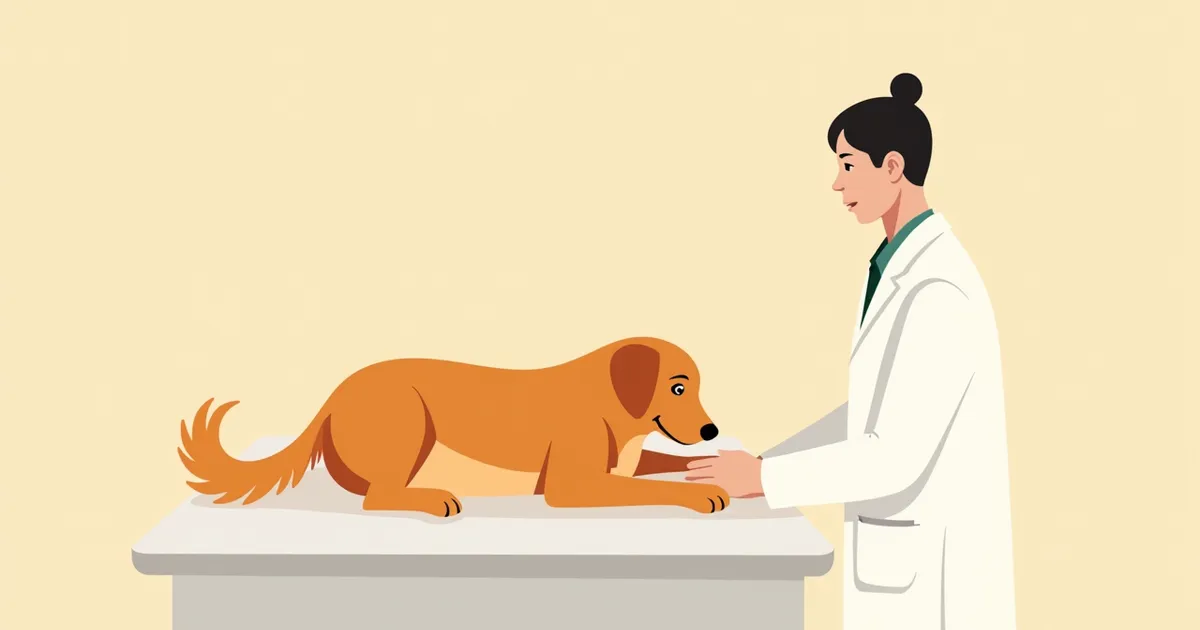
강아지 눈에 쉬르머 눈물 검사 스트립을 놓는 모습

7 Key Post-Schirmer Tear Test Care Tips Recommended by Veterinarians for Dogs

Eye HealthTop PicksMeongsiljang Veterinary Advisory Board

It’s important to regularly perform Schirmer tear tests to catch abnormal tear production in dogs early on. In this article, we’ll compare the tools used for the test and how to manage them.

What Is the Schirmer Tear Test for Dogs?
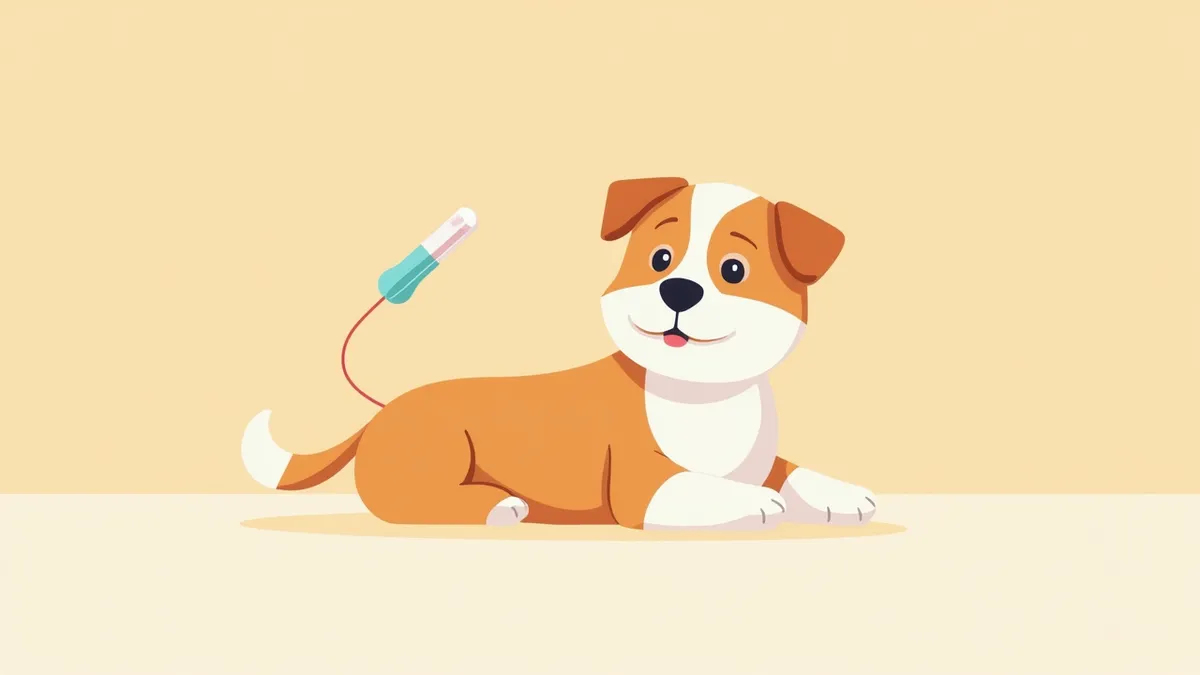
A veterinarian placing a Schirmer tear test strip on a puppy's eye
The Schirmer tear test for dogs is a diagnostic method that precisely measures tear production. Insufficient tears can lead to dry eye, increasing the risk of corneal damage and infection. Conversely, even if excessive tearing appears to be present, it may actually be due to sticky discharge, raising suspicion of tear film abnormalities or inflammation. Regular testing plays a crucial role in early detection of these issues. - Purpose of the test: Used for the early detection of abnormal tear production. - Measurement method: A calibrated absorbent strip is placed in the tear pool behind the lower eyelid, and the length of wetting is measured after 60 seconds (1 minute). - Importance: Conducted consistently in collaboration with a veterinarian to maintain your dog’s eye health. - Precautions: Perform the test in a quiet environment to prevent your dog from becoming stressed.

Selection Criteria: Tips for Choosing a Clinic for Schirmer Tear Testing
Choosing the right testing tool for your dog is important, as both comfort and accuracy must be taken into account. To minimize stress during the test, it is best to use strips made from soft materials.
Material Stability: Schirmer test strips are standard-sized strips made of absorbent paper. Their paper-based composition is gentle.
Appropriate Length: The strip size must match your dog’s eye dimensions. The eye needs to be large enough to accommodate the standard strip for an accurate measurement.
Placement: Instead of placing the strip directly on the eye, insert it into the tear pool behind the lower eyelid and measure the length wetted after 60 seconds.
Packaging: Since the strips must be used quickly after opening, products with airtight packaging are recommended.
Comparison image of various Schirmer tear test strips

Check 1: Accurate Measurement Using Standardized Test Strips
The Schirmer tear test measures tear production and is essential for diagnosing tear-deficiency conditions such as keratoconjunctivitis sicca (KCS). A standardized Schirmer strip is placed in the lower eyelid, and the length of wetting is measured after one minute. It’s best to choose a clinic that strictly adheres to the correct strip type and timing. To avoid skewed results, the test should be performed before administering topical anesthetics or performing ocular lavage, so ensuring the proper sequence of procedures is also important.
Premium Schirmer tear test kit box and product appearance

Check 2: Proper Assessment of Indications Such as Chronic Conjunctivitis and Eye Discharge
If your pet has sticky eye discharge, recurrent conjunctivitis, or a cloudy-looking cornea, checking tear production can help identify the underlying cause. Insufficient tears can dry out and damage the cornea, so early detection is crucial. Choose a veterinary clinic that measures both eyes and combines this with other ophthalmic tests, such as fluorescein staining, to thoroughly assess corneal health. If the symptoms have persisted for a while, select a clinic that offers regular follow-up monitoring.
Cleaning reusable Schirmer tear test strips

Check 3: Interpretation of Values and Connection to Treatment
Tear volume readings only make sense when compared to the normal reference range. If the value is low, your pet may need tear supplements or immunomodulating eye drops that help stimulate tear production. It’s best to choose a clinic where a veterinarian with ophthalmology experience can explain the results and guide appropriate care. Rather than relying on a single measurement, look for a clinic that follows up with retesting to monitor tear recovery after treatment and provides long-term management, ensuring stable eye health for your pet.
Viewing real-time Schirmer tear test results on a smartphone app

Checklist for Choosing a Clinic for Schirmer Tear Testing

ItemRecommended Criteria
Test MethodA clinic that measures accurately for 1 minute using a standard test strip, before anesthesia or rinsing
Test OperationA clinic that examines both eyes and also performs corneal tests such as fluorescein staining
Interpretation CapabilityAn ophthalmology-experienced veterinarian who interprets values by comparing them to the normal range
Result InterpretationA clinic that guides management such as tear-supplementing or immune-modulating eye drops and re-examines
Cost InformationA clinic that informs you in advance of the estimated cost and the possibility of additional tests before the exam

This is not a table recommending specific products or clinics, but a set of criteria to reference when consulting your veterinarian. Decisions about treatment and testing must always be made together with your veterinarian through an examination.

Precautions

Tear tests can be stressful for dogs, so it’s important to keep them calm in a quiet environment before the procedure. After the test, monitor your dog to ensure there’s no lingering eye irritation.

Usage Tips and Care Methods
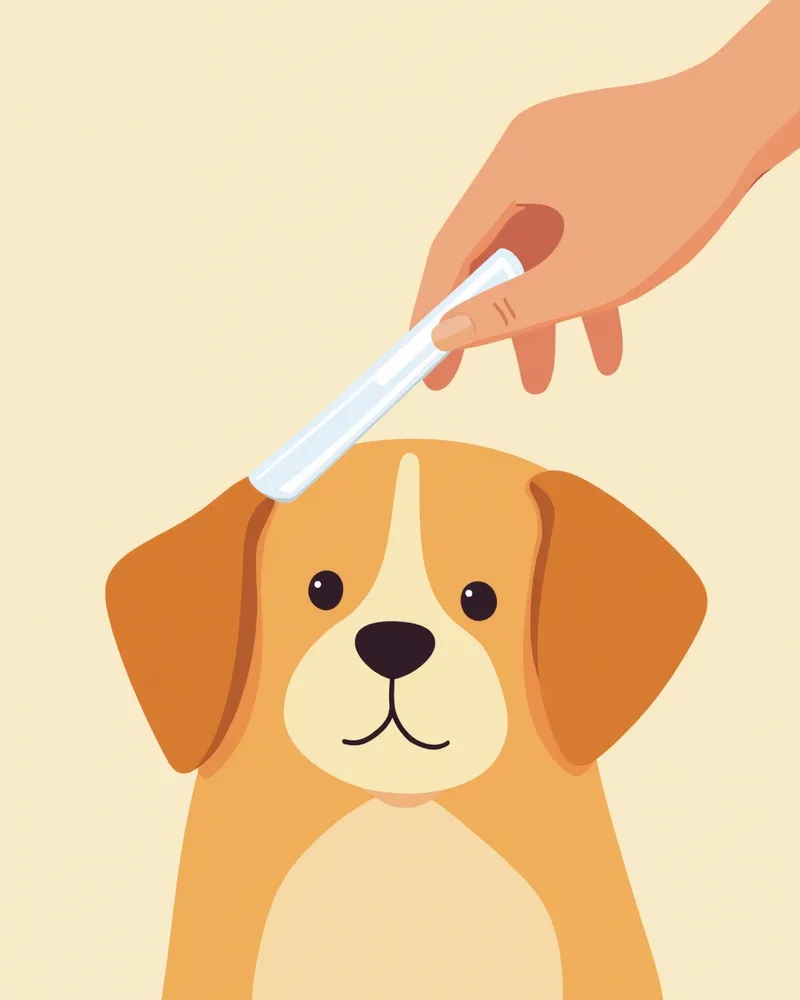
There are a few tips to help you perform the Schirmer tear test effectively. It’s important to place your dog in a quiet area before the test to help them relax.
Pre-test preparation: Let your dog rest quietly for about 10 minutes.
Strip placement: Gently place the strip inside the lower eyelid.
Measurement time: Hold it in place for 1 minute. Be careful not to move it.
Interpreting results: A reading of 15 mm or more is considered normal. A reading below 10 mm may indicate dry eye.
Gently placing a Schirmer tear test strip on the puppy's eye.

Reviewed by a veterinarian

Dr. Tony — Punnawat Phongkittirak

Dr. Tony — Punnawat Phongkittirak

Veterinarian

A veterinarian who majored in veterinary medicine at Khon Kaen University, Thailand, and completed the IVSA program at North Carolina State University in the United States. Drawing on clinical experience at animal hospitals, he works in the pet healthcare field and is dedicated to building a digital care environment that connects pet parents with veterinarians.

Frequently Asked Questions

How often should the Schirmer tear test be performed?
For healthy dogs, we recommend annual check-ups. However, if your dog has eye issues or is senior, we suggest having them examined every six months.
What should I do if my dog moves during the examination?
If your dog moves during the test, the results may be inaccurate. Conduct the test in a quiet environment, and if needed, have the owner gently hold the dog to help keep them still.
Even if my pet has excessive tearing, is an examination necessary?
Yes, even if your pet appears to have excessive tearing, testing may still be necessary. In dry eye (keratoconjunctivitis sicca, or KCS), where tear production is insufficient, thick, sticky mucus can accumulate and give the appearance of watery eyes. That’s why a Schirmer tear test to measure actual tear production is helpful for an accurate diagnosis.
What should I do if my pet’s eyes become red after an examination?
Temporary redness is normal. If it doesn't go away within an hour or if there's increased tearing, please consult your veterinarian.
Can I perform the test at home?
Professional examinations should be conducted by a veterinarian. While you can make simple observations at home, an accurate diagnosis must be made at a veterinary clinic.

Share

Related Guides

References

[1] Gelatt KN et al. (2013). Veterinary Ophthalmology, 2nd ed. Wiley-Blackwell, Oxford, UK.

[2] Esson DW and Calvarese S (2022). Clinical Atlas of Canine and Feline Ophthalmic Disease, 2nd ed. John Wiley & Sons, Inc.

[3] Ny Y et al. (2006). Medial canthoplasty for epiphora in dogs: a retrospective study of 23 cases. Journal of the American Animal Hospital Association, 42(6), 435–439.

This information is based on veterinary literature and does not replace diagnosis or treatment. Please consult a veterinarian for specific health concerns.

Metapet Co., Ltd. | CEO: Park Sung-yong | Business Reg. No. 417-88-02562 | Seoul, South Korea | Customer Center

7 Essential Tips for Caring for Your Dog After a Schirmer Tear Test | Meongsiljang