
Like
Share
멍실장
강아지 치주질환 단계별 관리 관리 추천 BEST와 고르는 기준 총정리

Complete Guide to Stage-Specific Management of Canine Periodontal Disease: Top Recommendations and Selection Criteria

Oral HealthTop PicksMeongsiljang Veterinary Advisory Board

The management approach for canine periodontal disease varies depending on the stage. Get a clear overview of tailored care strategies and recommended products for every stage, from early onset to severe cases.

What Are the Stage-Specific Management Methods for Canine Periodontal Disease?

A scene of a veterinarian examining a puppy's teeth.
Periodontal disease in dogs is a chronic condition that begins with early-stage gum inflammation and can progress to tooth loosening. - Early stage: The condition can be effectively improved through plaque removal and regular dental care. - Moderate stage: If gum bleeding or slight tooth mobility occurs, specialized products and consultation with a veterinarian are necessary. - Severe stage: When significant tartar buildup and tooth mobility are present, surgical treatment is essential. It is important to follow management strategies appropriate for each stage. In particular, proactive care during the early stage is key to preventing disease progression. Maintain long-term dental health through regular check-ups and tailored care.

Criteria for Selecting the Best Products for Canine Periodontal Disease Management

When selecting a periodontal disease management product for your dog, be sure to check for stage-specific suitability, ingredient safety, ease of use, and whether it’s recommended by veterinarians. Products that effectively remove plaque from the tooth surface and contain ingredients to protect the gums are especially beneficial. Also, confirm that the product comes in a form your dog can easily consume, such as chews, sprays, or powders, and ensure it has no adverse effects if overconsumed. For the safest choice, consult with your veterinarian before making a decision.
Dog periodontal disease management products

BEST 1: Plaque Removal Toothpaste Spray
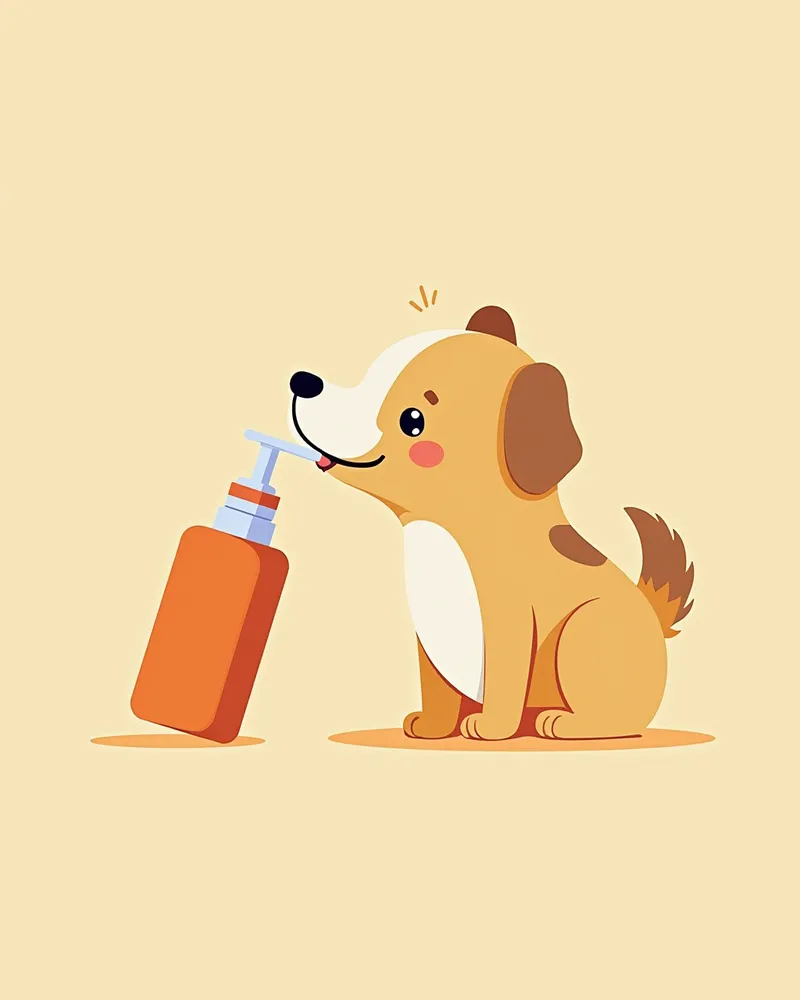
This spray quickly removes plaque from tooth surfaces and is easy to use, as you can simply apply it like a treat for your dog. - Chlorhexidine: This key ingredient inhibits bacterial growth, helping to reduce gum inflammation. - Natural scent: Dogs accept it readily without resistance. - Use 1–2 times daily: Effective for managing early-stage periodontal disease, this formula features a combination of ingredients recommended by veterinarians. - Easy application: Maintain oral hygiene without the hassle of brushing with toothpaste. Regular use helps prevent plaque buildup.
A dog using a periodontal disease management spray

BEST 2: Toothpaste Capsules with Tooth Protection Function

This capsule is a supplement designed to protect your pet’s gums and support daily dental hygiene. - Supports plaque management: Periodontal disease begins with plaque adhering to the teeth, so this product is used to help control plaque buildup. However, caution is advised, as some over-the-counter supplements lack sufficient scientific evidence. - Easy to administer: It can be given as easily as a treat. - Supportive care for moderate stages: If gum inflammation is present, supplements alone are insufficient; professional scaling and polishing, along with daily home toothbrushing, are also necessary. - Veterinary consultation recommended: For the safest approach, consult your veterinarian to verify the safety and efficacy of the ingredients. Consistent plaque management is the foundation for maintaining long-term gum health.
Capsule product for managing canine periodontal disease

BEST 3: Professional Dental Cleaning Kit
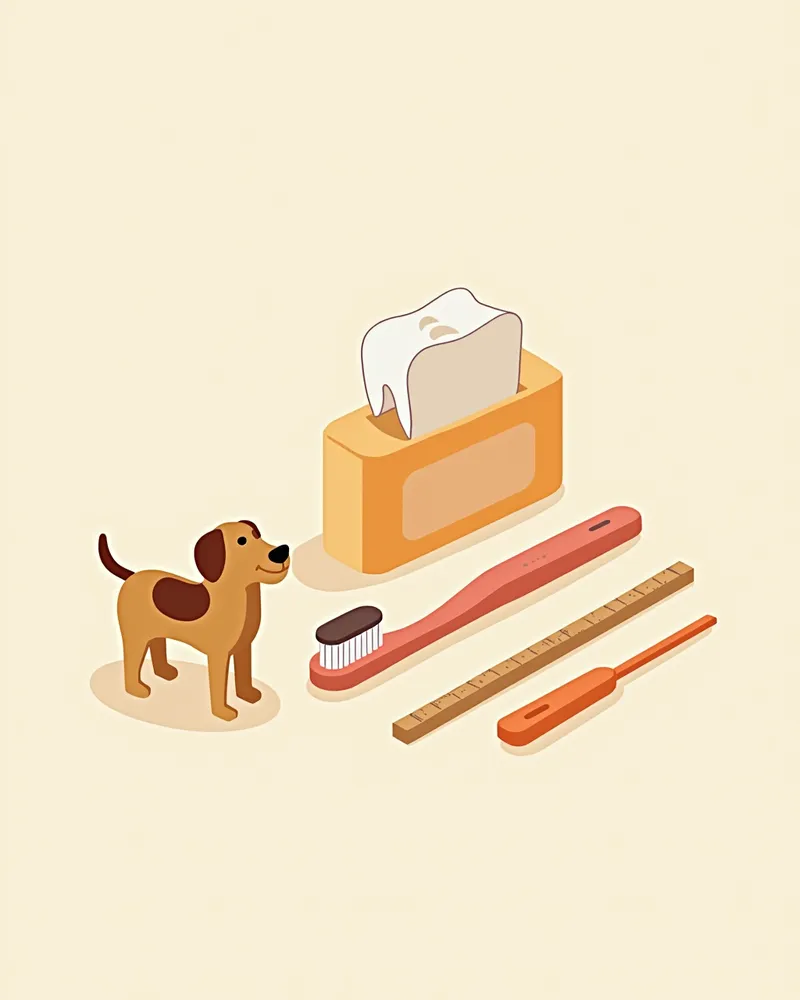
This kit is a home-use aid designed to help manage light tartar and plaque on the tooth surface. However, for safe and effective removal of subgingival (below the gumline) tartar and thorough scaling, a veterinarian must perform the procedure using an ultrasonic scaler and curettes under general anesthesia. - Aids in surface care: Helps manage visible tartar and plaque on the tooth surface. Deep tartar requires professional treatment. - Use under veterinary guidance: Professional supervision is essential to ensure safety and effectiveness. - If teeth are loose or gums bleed: If you notice loose teeth or gum bleeding, veterinary examination and treatment take priority over home care. - Consultation before use is essential: Work with your veterinarian to determine the appropriate approach for your dog’s condition. Consistent care helps slow disease progression.
Professional cleaning kit for managing canine periodontal disease

Comparison Table of BEST 1–3 Products

ItemPlaque Removal SprayToothpaste CapsulesProfessional Cleaning Kit
Main IngredientsChlorhexidine, tea tree oilGlucosamine, chondroitin, calciumTartar-removal brush, scaler, puff
Frequency of Use1–2 times a dayOnce a day1–2 times a week (under veterinary guidance)
Stage of EffectAids early plaque managementAids gum hygiene (combined with professional care)Manages surface tartar (professional scaling required)
Ease of UseVery easyEasyModerate (requires professional knowledge)

We recommend choosing after consulting a veterinarian. These adjunct products mainly help with early plaque management; when gum inflammation or tartar has progressed, professional scaling under general anesthesia and daily home tooth brushing are essential. Over-the-counter supplements may have limited scientific evidence, so use them for reference only.

Caution: Excessive Use Can Cause Gum Damage

Using dog periodontal care products too frequently can make the gums sensitive and cause damage. In particular, sprays and cleaning tools may lead to gum bleeding due to excessive friction. Always consult your veterinarian before using any product, and strictly follow the recommended frequency and method of use.

Tips for Managing Canine Periodontal Disease

To manage your dog’s periodontal disease, daily habits are key. Make it a routine to brush their teeth for just one to two minutes each day. Always use toothpaste specifically formulated for pets; never use human toothpaste. Choosing premium dental diets or treats can also support oral health. Regular veterinary check-ups are essential for early detection of symptoms. Additionally, using products designed to effectively remove plaque from the tooth surface can yield better results. Consistent care is the most reliable way to maintain your dog’s dental health.
A puppy enjoying a dental health treat

Reviewed by a veterinarian

Dr. Tony — Punnawat Phongkittirak

Dr. Tony — Punnawat Phongkittirak

Veterinarian

A veterinarian who majored in veterinary medicine at Khon Kaen University, Thailand, and completed the IVSA program at North Carolina State University in the United States. Drawing on clinical experience at animal hospitals, he works in the pet healthcare field and is dedicated to building a digital care environment that connects pet parents with veterinarians.

Frequently Asked Questions

Why do dogs get periodontal disease?
Plaque on the tooth surface hardens into tartar, causing inflammation in the gums. Poor dietary habits and inadequate dental care are the main causes.
What are the early symptoms?
Your pet may develop bad breath, yellowing teeth, and a reluctance to eat. The gums may also become red or bleed.
Can I manage my pet’s dental care at home?
Yes, brushing your pet’s teeth for 1–2 minutes daily or using specialized dental products can effectively manage early-stage dental issues. However, in severe cases, veterinary treatment is necessary.
How often should your pet have a veterinary checkup?
Since every dog is different, it's best to discuss with your veterinarian to determine the appropriate schedule for regular check-ups. For dogs at higher risk of periodontal disease, professional dental scaling under anesthesia may be performed every 3 to 4 months.
What are some good treats for dental health?
Dental treats or veterinary dental diets that help reduce tartar through chewing can be a helpful supplement. However, since some commercial products lack sufficient scientific evidence, they should never replace regular tooth brushing. For safety, use only products recommended by your veterinarian as a supplementary aid.

Share

Related Guides

References

[1] Clinical Medicine of the Dog and Cat, 4th Ed, 2023

[2] 100 Top Consultations in Small Animal General Practice, 2022

[3] Veterinary Dental Care Guidelines, American Veterinary Dental College, 2021

This information is based on veterinary literature and does not replace diagnosis or treatment. Please consult a veterinarian for specific health concerns.

Metapet Co., Ltd. | CEO: Park Sung-yong | Business Reg. No. 417-88-02562 | Seoul, South Korea | Customer Center

Canine Periodontal Disease: Stage-by-Stage Care Guide | Meongsiljang