Like
Share
멍실장
강아지 디스크 예방 계단·경사로 추천 TOP 5 — 소형견 척추 보호 보조도구 비교 가이드

Top 5 Recommended Stairs and Ramps for Preventing Disc Disease in Dogs — A Comparative Guide to Spinal Support Aids for Small Dogs

JointTop PicksMeongsiljang Veterinary Advisory Board

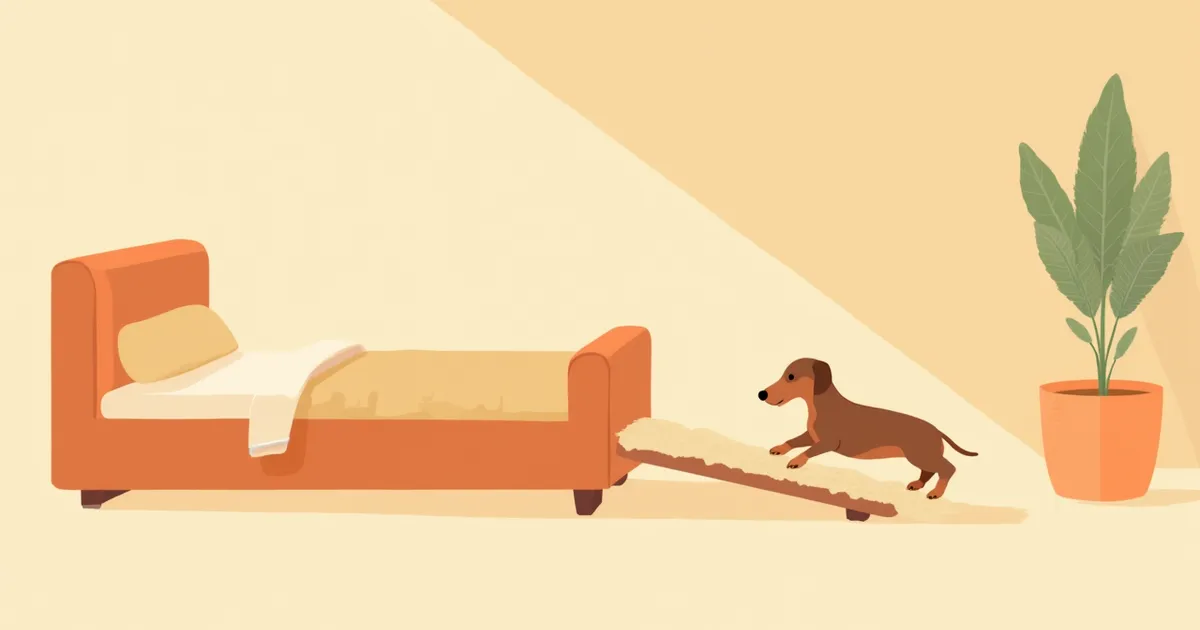
We’ve compared the top five ramps and stairs designed to help small and senior dogs safely get on and off beds and sofas, reducing the risk of intervertebral disc disease. We’ve also summarized how to choose the best option based on your dog’s body type and personality.

Why Dog Stairs and Ramps Are Essential for Preventing Disc Disease
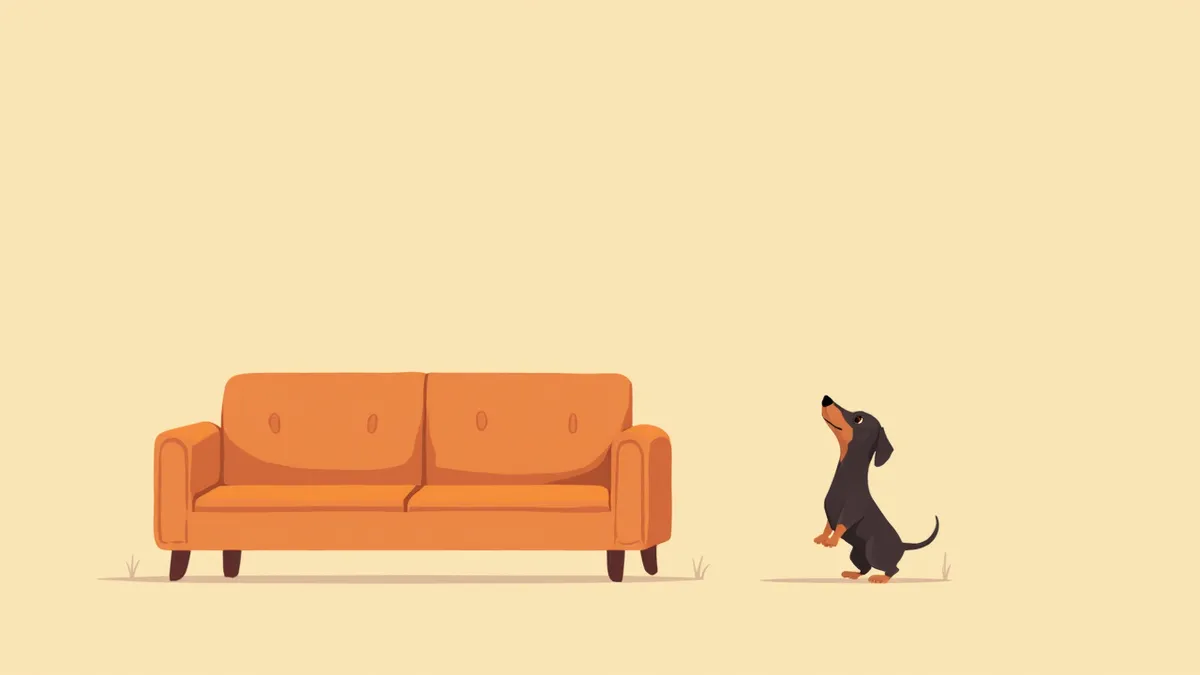
A dachshund standing in front of a high sofa, looking up
Dog stair aids are ramps and step-style stairs designed to help small and senior dogs get on and off elevated surfaces like beds and sofas, reducing the strain on their spinal discs. Intervertebral discs not only provide flexibility to the spine but also act as shock-absorbing cushions during high-impact activities such as running and jumping. What’s truly important to understand is that intervertebral disc degeneration is a natural part of aging. In chondrodystrophic breeds like Dachshunds, this degeneration and calcification begin at a younger age. When discs are already weakened and stiffened, high-impact activities like jumping from heights can trigger disc herniation (IVDD). For breeds at high risk of IVDD—such as Dachshunds, Pekingese, Beagles, and Cocker Spaniels—the most effective prevention is to minimize jumping impact from an early age by using assistive devices.

The Impact of a Single Jump on Intervertebral Discs

According to veterinary textbooks, intervertebral discs normally support the spine’s flexibility while acting as shock-absorbing cushions during high-impact activities like running and jumping. However, when a disc degenerates, it loses this shock-absorbing capacity and becomes hardened, making it easier for the disc material to rupture through the annulus fibrosus even under normal levels of impact. Dachshunds are particularly susceptible because their intervertebral discs begin to calcify at a younger age than in other breeds, meaning even minor impacts can cause tears. - Repeated jumping: This can place additional strain on discs that are already undergoing degeneration. - Jumping with a twisted landing: Landing while twisting the spine increases the risk of injury. - Jumping in older dogs or during vigorous activity: This is a common trigger for acute intervertebral disc disease (IVDD), where a degenerated disc ruptures suddenly. It is best to use ramps or steps to help your dog access elevated surfaces such as beds, sofas, and car trunks, rather than allowing them to jump.

Ramps vs. Stairs — Which Is Right for Your Dog?

ItemRampStepped Stairs
Spinal StrainLeast (consistent incline)Slight (impact at each step)
Recommended ForAfter disc diagnosis, senior dogs, toy breedsHealthy small and medium dogs
Installation SpaceTakes up a lot (90–120cm long)Takes up little (40–60cm long)
Learning DifficultyEasy (walk up in one go)Moderate (learn one step at a time)
Recommended Incline/Height18–25 degrees or less10–12cm per step

For long-backed breeds like Dachshunds and Welsh Corgis, a ramp is recommended first.

1st Place — Non-Slip Folding Ramp (Ramp Style)
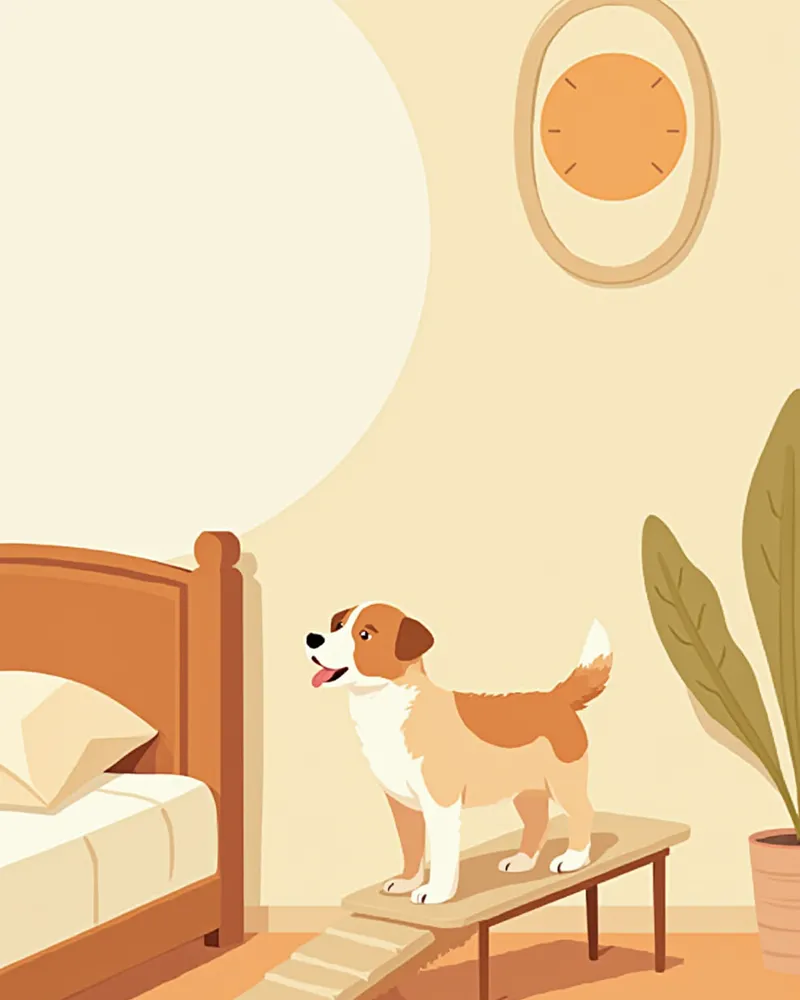
The top recommendation for preventing disc disease is a foldable ramp. Designed at 100–120 cm in length with a gentle 20-degree incline, it allows pets to ascend and descend while keeping their spine in a straight, neutral position. The surface must be finished with carpet or non-slip fabric; smooth plastic ramps can actually be more dangerous due to the risk of slipping. - Recommended for: Beds 40–50 cm high; small dogs weighing 4–8 kg. - Key features to check: Presence of side guards (rails). Side guards are essential to prevent falls. This setup is especially suitable for long-backed breeds such as Dachshunds and Corgis.
Carpet-finished folding ramp installed next to the bed

2nd and 3rd Place — 4-Step Cushioned Stairs / Modular Foam Stairs
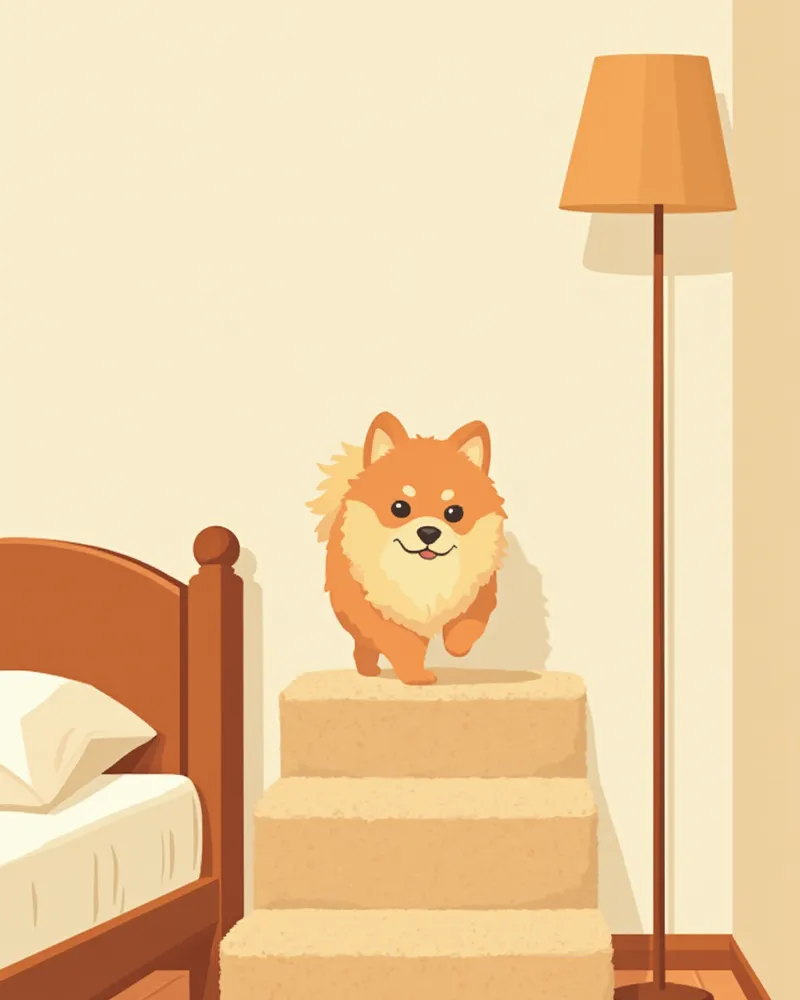
- Runner-up: 4-step cushioned stairs: Each step is 10 cm high, featuring a foam core covered with a plush fabric. These are ideal for healthy small dogs who still have some jumping ability and are perfect for tight spaces. - Third place: Modular foam stairs: You can add or remove steps to accommodate various heights, making them versatile for beds, sofas, and cars. While they come at a slightly higher price point, they are a durable investment that can last a lifetime. For both products, a carpeted surface and non-slip bottom are essential features. Please avoid models with smooth artificial leather finishes, as they pose a significant slip hazard for the paw pads of senior dogs.
A Pomeranian climbing a four-step cushioned staircase

4th and 5th Place — Car Trunk Ramp / Bathtub Step Stairs

- 4th: Car Trunk Ramp: The height of an SUV trunk (60–80 cm) creates a blind spot that simply lifting your pet into your arms can’t eliminate. A ramp at least 150 cm long is ideal, and a foldable design adds convenience for transport. This is especially recommended for households that frequently walk their pets or take them to the vet. - 5th: Bathtub Step Stool: This short 2–3 step stool helps prevent slips and falls in the bathroom. Surprisingly, many pets injure their ankles or knees when jumping down after a bath. Both products are designed as secondary aids, complementing the top three products, so we recommend using them together.

Improper Use Can Be Dangerous — Precautions for Use

Simply installing a ramp or stairs isn’t the end of the story. During the first one to two weeks, please stay by your pet’s side to gently encourage slow walking and help them become comfortable with the new setup. Even on non-slip surfaces, allowing them to jump up from the start defeats the purpose. Additionally, steep ramps with inclines exceeding 30 degrees can force the spine into an unnatural, elevated posture, which may actually harm the discs. If your pet has already been diagnosed with a disc condition, don’t rely solely on assistive devices; also consider modifying the environment itself by lowering beds and sofas or placing mattresses directly on the floor.

How to Choose the Right Support Aid for Your Dog
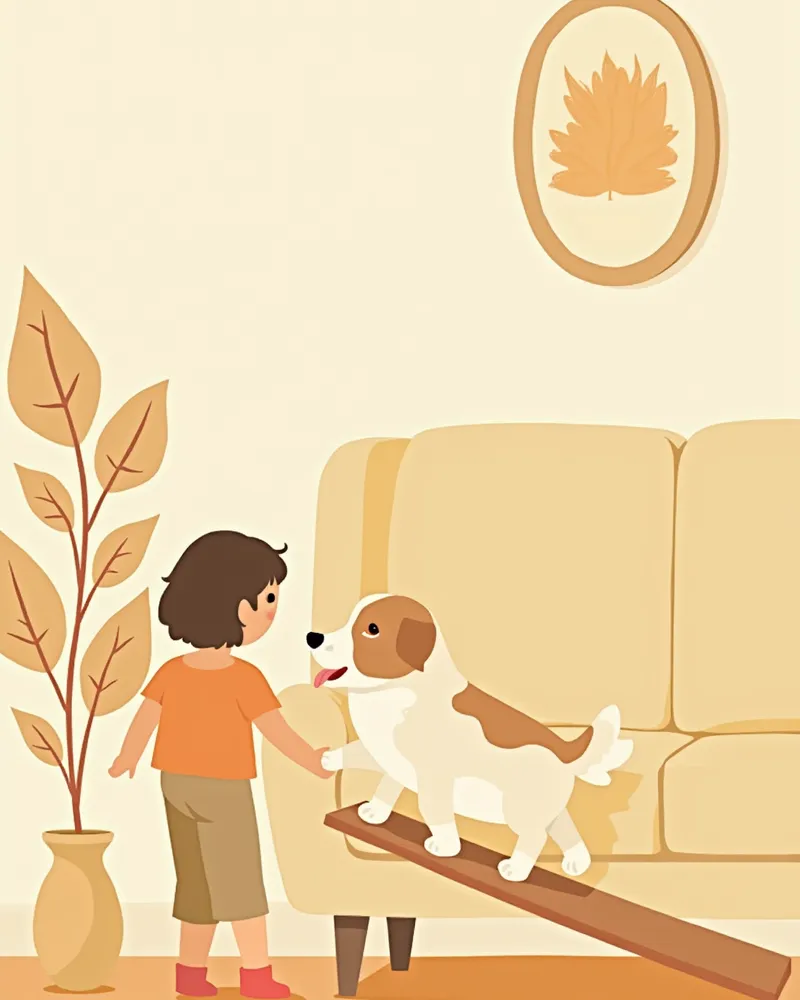
The selection criteria are straightforward. - Breed and body type: For long-backed breeds such as Dachshunds, Corgis, and Basset Hounds, a ramp is the preferred option. - Age: Ramps are essential for senior dogs aged 7 years and older. - Weight: For dogs weighing 10 kg or more, it is mandatory to check the product’s load-bearing capacity specifications. - Space: A four-step cushioned staircase is ideal for small studios, while modular designs suit spacious living rooms. - Health status: If your dog has already been diagnosed with IVDD, a simple assistive device may not be sufficient. Please refer to our Dog Disc Symptoms and Treatment guide for stage-specific management strategies.
An elderly dog slowly descending a ramp with the gentle guidance of its owner.

Reviewed by a veterinarian

Dr. Tony — Punnawat Phongkittirak

Dr. Tony — Punnawat Phongkittirak

Veterinarian

A veterinarian who majored in veterinary medicine at Khon Kaen University, Thailand, and completed the IVSA program at North Carolina State University in the United States. Drawing on clinical experience at animal hospitals, he works in the pet healthcare field and is dedicated to building a digital care environment that connects pet parents with veterinarians.

Frequently Asked Questions

My dog is afraid of stairs and ramps and refuses to go up them. What should I do?
Don’t let your pet climb all the way from the bottom to the top right away. Instead, place a treat on the lowest step and encourage them to climb only that far, gradually increasing the height as they learn. Most pets will naturally start using it within 1 to 2 weeks. Never carry them up and then have them climb down, as this can create a negative first impression that may lead to lifelong refusal.
What is the ideal angle for a ramp?
For disc prevention, a ramp angle of 18–25 degrees is ideal. Angles exceeding 30 degrees cause the dog to arch its back, which can strain the spine. Opt for a longer, gently sloped ramp rather than a short, steep one.
I’ve already been diagnosed with a disc problem. Is using supportive devices alone sufficient?
Not exactly. Assistive devices are primarily intended to prevent further injury. If your pet has already been diagnosed, you’ll also need to manage their environment by limiting access to beds and sofas, restrict their activity, and incorporate medication and rehabilitation. Be sure to consult your veterinarian to develop a comprehensive management plan.
My senior dog has suddenly started refusing to use stairs. What should I be concerned about?
If your pet suddenly refuses to use stairs they normally climb with ease, it may be an early sign of joint or disc pain. If you also notice them dragging their hind legs, curling their back, or crying out when picked up, please schedule an appointment with an orthopedic or neurology specialist as soon as possible.
Can I use a cat tower staircase for my dog?
We don't recommend it. Cat tower stairs often have high steps and slippery surfaces, which aren't suitable for dogs' body structure and joints. Please choose a product specifically designed for dogs, with non-slip surfaces and steps no higher than 10–12 cm.

Share

Related Guides

References

[1] Skeen TM, Olby NJ, Muñana KR, Sharp NJ, Spinal arachnoid diverticula in 20 dogs, Veterinary Surgery, 2003

[2] Brisson BA, Intervertebral Disc Disease in Dogs, Veterinary Clinics of North America: Small Animal Practice, 40(5), 829-858, 2010

[3] Ettinger SJ, Feldman EC, Côté E, Textbook of Veterinary Internal Medicine, 8th Edition, Elsevier, 2017

[4] Fossum TW, Small Animal Surgery, 5th Edition, Elsevier, 2018

This information is based on veterinary literature and does not replace diagnosis or treatment. Please consult a veterinarian for specific health concerns.

Metapet Co., Ltd. | CEO: Park Sung-yong | Business Reg. No. 417-88-02562 | Seoul, South Korea | Customer Center

Top 5 Dog Stairs & Ramps: Comparison Guide to Prevent Disc Disease | Meongsiljang