Like
Share
멍실장
강아지 허리 디스크(IVDD) 증상과 치료

Symptoms and Treatment of Canine Intervertebral Disc Disease (IVDD)

JointDiseasesMeongsiljang Veterinary Advisory Board

We’ve compiled a comprehensive guide covering the causes of intervertebral disc disease (IVDD) in dogs, symptoms by grade, criteria for conservative versus surgical treatment, and home care tips.

What Is Intervertebral Disc Disease (IVDD) in Dogs?
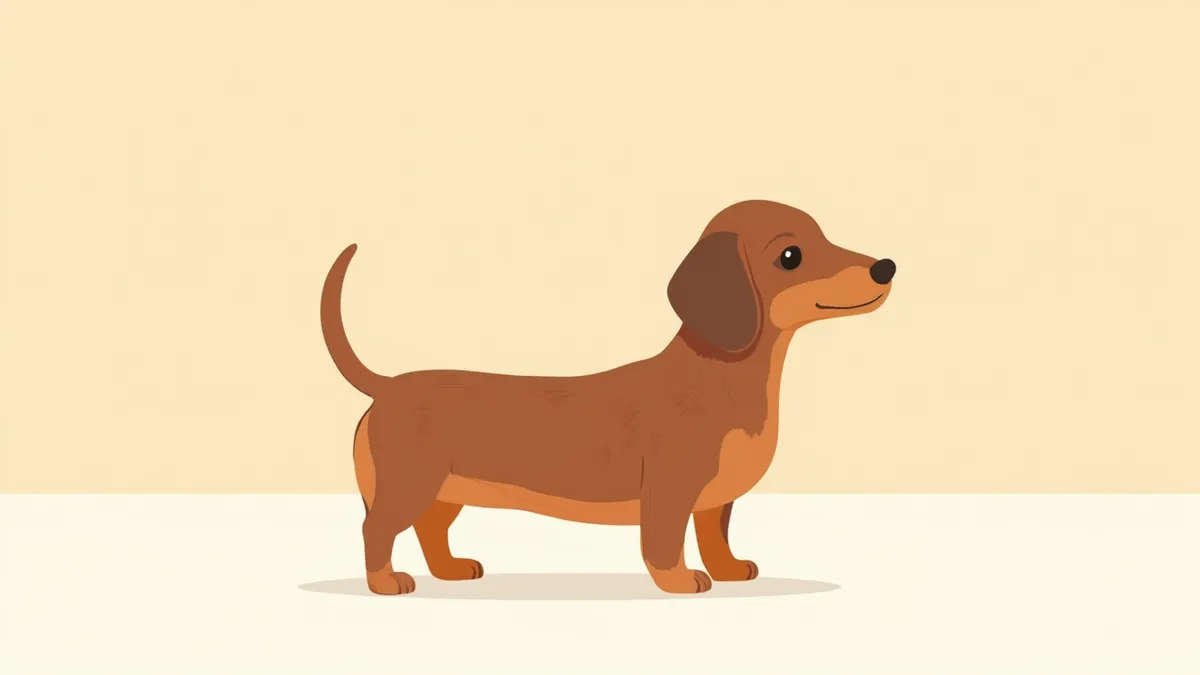
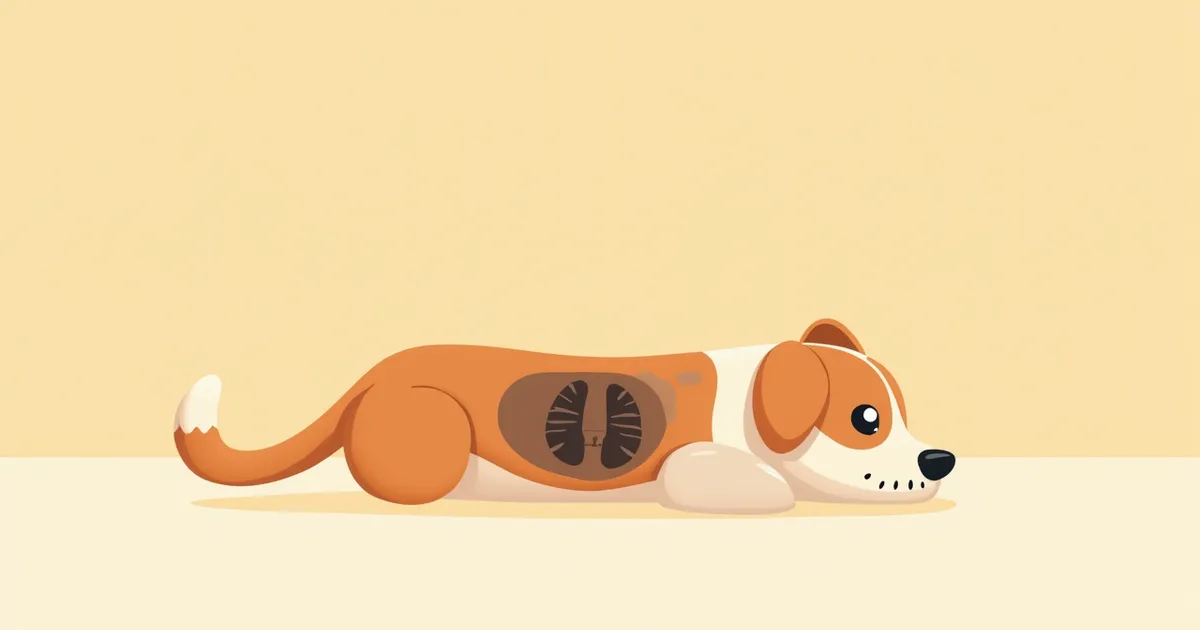
An illustration showing the spine and disc locations in a dachshund
Intervertebral disc disease (IVDD) in dogs is a neurological condition in which the intervertebral discs that cushion the vertebrae become damaged and compress the spinal cord. Early detection and prompt intervention significantly influence the outcome of treatment. If your dog shows weakness in the hind legs or suddenly becomes reluctant to move, it is crucial to visit a veterinary clinic within 24 hours. Breeds prone to chondrodystrophy, such as Dachshunds, Corgis, and Pekingese, can develop the condition at a young age, making regular observation essential.

Causes and Types of Disc Disease

Intervertebral disc disease is broadly categorized into two types. Hansen Type I (Disc Extrusion): This type occurs when the nucleus pulposus inside the disc calcifies and suddenly ruptures outward toward the spinal cord. It typically presents acutely in dogs aged 4 to 8 years, particularly in chondrodystrophic breeds such as Dachshunds. Hansen Type II (Disc Protrusion): In this type, the outer wall of the disc (the annulus fibrosus) gradually bulges, causing chronic compression of the spinal cord. This form is more common in large-breed dogs and often progresses slowly in older age. The thoracolumbar region (lower back) is the most common site of occurrence, though it can also affect the cervical region (neck).

Checklist of Major Symptoms of Disc Disease
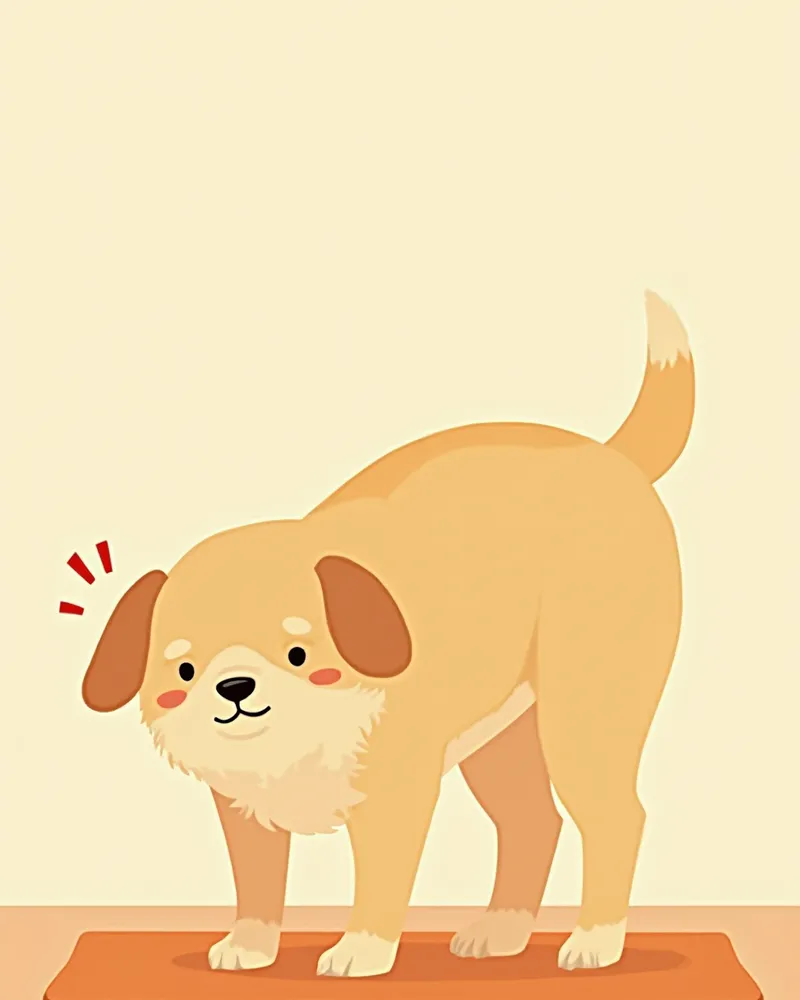
Symptoms of disc disease appear progressively, depending on the degree of spinal cord compression.
Pain: The pet may whine when picked up, arch its back, and resist moving.
Gait abnormalities: The hind legs may wobble or stagger while walking. Climbing stairs can also become difficult.
Paralysis: Complete loss of strength in the hind legs, causing them to drag or making it impossible to stand.
Urinary and fecal incontinence: Inability to control urination or assume a proper posture for elimination.
Loss of deep pain perception: No response when the hind toes are pinched, indicating the most severe stage.
A dog with back pain, hunched over with its spine arched.

Go to the Emergency Room Immediately If You See These Symptoms

If your pet is completely unable to move its hind legs or shows no response when its toes are pinched, this is an emergency. At this stage, whether surgery is performed within 24 to 48 hours determines the likelihood of recovery. If you notice sudden weakness in the hind legs, visit a 24-hour emergency veterinary clinic immediately.

Diagnostic Methods for Disc Disease

Veterinarians first evaluate the suspected location and severity of disc disease through a neurological examination.
Neurological examination: Postural reactions, spinal reflexes, and pain perception are assessed to determine the site and grade of spinal cord injury.
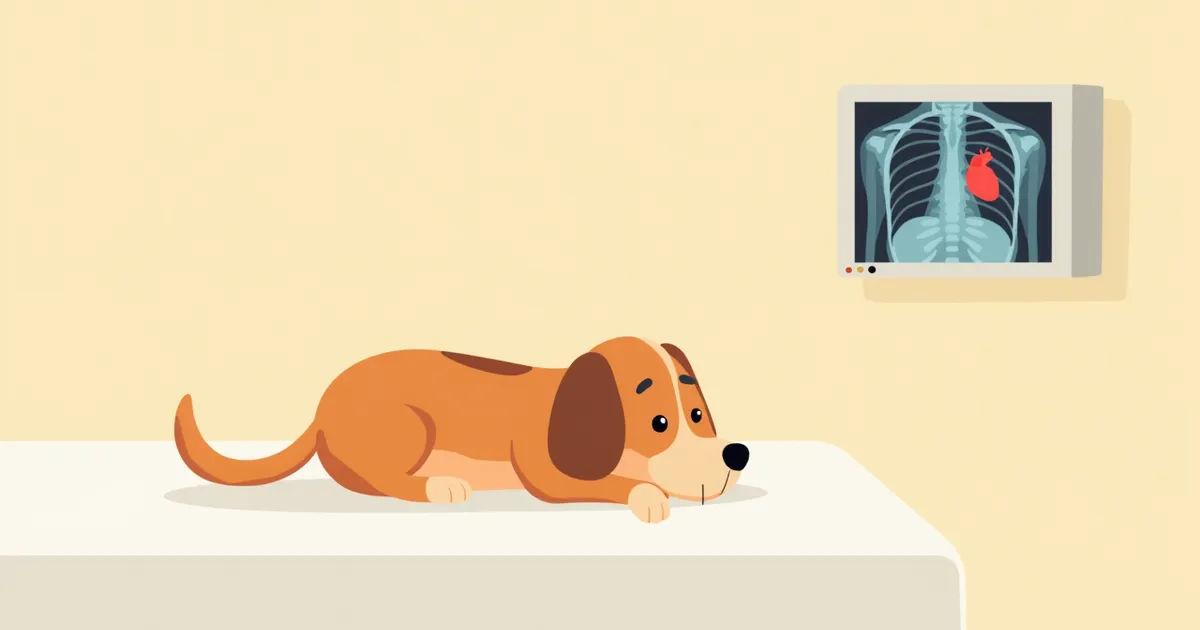
X-ray (radiography): Can reveal narrowed disc spaces or calcified discs. However, it does not show direct spinal cord compression.
MRI (magnetic resonance imaging): The gold standard for diagnosing disc disease. It provides the most accurate visualization of the location and degree of spinal cord compression.
CT (computed tomography): Used as an alternative when MRI is not feasible. It is particularly useful for identifying calcified discs.

Treatment Methods for Disc Disease

Treatment is tailored to the severity of symptoms (grade).
Conservative management (Grades 1–2): This is chosen when there is pain only or mild gait abnormalities. The cornerstone of care is strict cage rest for 4–6 weeks along with nonsteroidal anti-inflammatory drugs (NSAIDs). According to veterinary textbooks, the success rate of conservative management in ambulatory patients is reported to be 82–100%.
Surgical intervention (Grade 3 and above): Surgery is indicated if paralysis progresses or if there is no response to conservative management. A decompressive procedure is performed to remove the disc material compressing the spinal cord. The prognosis is generally favorable when deep pain perception is intact. Even if deep pain perception is lost, approximately 70% of patients can regain ambulatory function if surgery is performed within 48 hours.
If neurological status worsens during conservative management, immediate conversion to surgical treatment is possible.
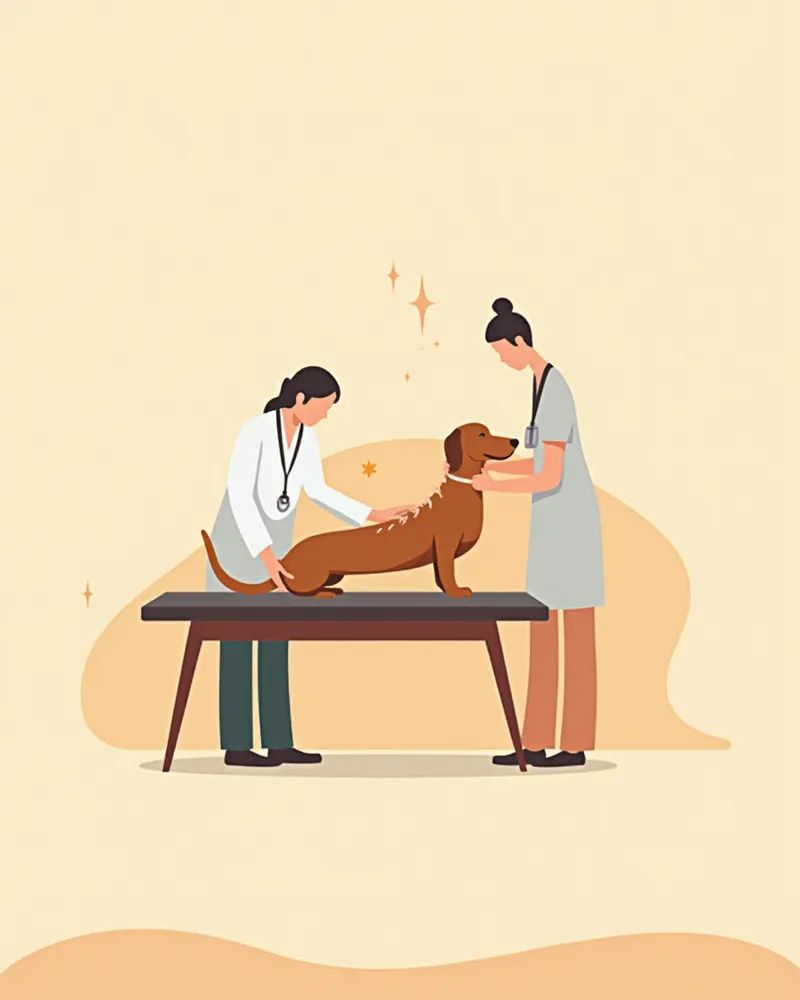
A veterinarian examining the spine of a Dachshund at an animal hospital

Home Care and Prevention of Recurrence
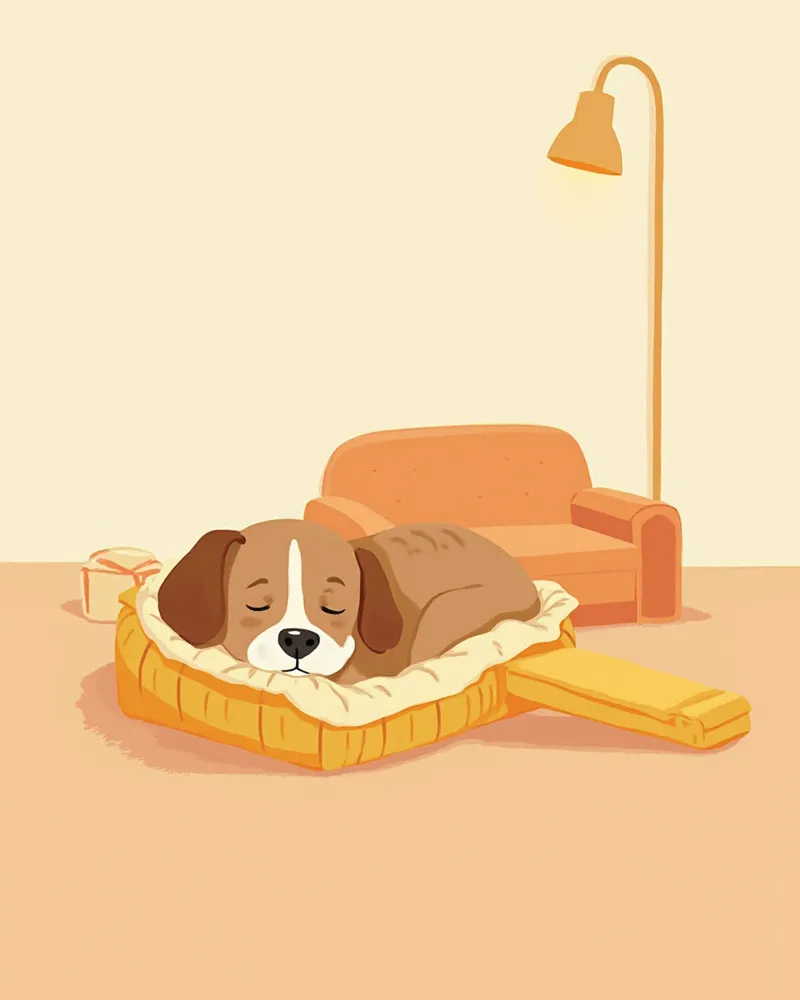
The most critical aspect of managing disc disease is preventing recurrence.
Cage rest: Whether undergoing conservative treatment or recovering from surgery, your pet’s movement must be restricted to a confined space for 4 to 6 weeks. Sudden jumping and climbing stairs are strictly prohibited.
Weight management: Excess weight significantly increases stress on the spine. Consult your veterinarian to maintain an appropriate body weight.
Environmental modifications: Install ramps for sofas and beds, and place rugs or mats on slippery floors to improve traction.
Rehabilitation therapy: Hydrotherapy on an underwater treadmill and physical therapy can aid muscle recovery and help prevent recurrence. Always follow your veterinarian’s instructions.
A puppy resting comfortably in a recovery cage, with a ramp placed beside it.

Must-Read for Owners of High-Risk Breeds

Dachshunds account for approximately 45–73% of all intervertebral disc disease cases, reflecting their high susceptibility. Corgis, Pekingese, Beagles, Cocker Spaniels, and French Bulldogs are also considered high-risk breeds. If you own one of these breeds, regular neurological examinations and strict weight management are especially important. Since dogs that have experienced disc disease are at risk of recurrence in other spinal segments, lifelong monitoring and care are essential.

Reviewed by a veterinarian

Dr. Tony — Punnawat Phongkittirak

Dr. Tony — Punnawat Phongkittirak

Veterinarian

A veterinarian who majored in veterinary medicine at Khon Kaen University, Thailand, and completed the IVSA program at North Carolina State University in the United States. Drawing on clinical experience at animal hospitals, he works in the pet healthcare field and is dedicated to building a digital care environment that connects pet parents with veterinarians.

Frequently Asked Questions

Which dog breeds are most prone to disc disease?
The risk is particularly high in chondrodystrophic breeds such as Dachshunds, Welsh Corgis, Pekingese, Beagles, Cocker Spaniels, and French Bulldogs. Because these breeds are genetically predisposed to early disc degeneration, owners should remain vigilant starting at 4 to 8 years of age. Large-breed dogs can also develop Hansen Type II disc disease as they age.
How much does surgery for a dog's disc herniation typically cost?
Surgical costs can vary significantly depending on the hospital, location, and necessary diagnostic tests (such as MRI). For the most accurate estimate, consult your attending veterinarian. If you have pet insurance, be sure to check your coverage details in advance.
Is an MRI absolutely necessary for diagnosing a disc problem?
If surgery is being considered, an MRI is almost essential. We need to accurately determine the location and severity of the spinal cord compression to decide on the surgical site. When pursuing conservative treatment only, we may rely on X-rays and neurological examinations for assessment.
Can a disc problem recur after surgery?
Yes, the disc can recur in other areas. According to veterinary textbooks, the recurrence rate after conservative treatment is reported to be higher than after surgery. Even after surgery, consistent weight management, exercise restriction, and environmental improvements are important for preventing recurrence.
What can I do on a daily basis to help prevent disc disease?
Maintain a healthy weight and install ramps to prevent jumping off sofas or beds. Place mats on slippery floors to prevent slipping, and avoid rough play or sudden changes in direction. Regular check-ups are also recommended for high-risk breeds.

Share

Related Guides

References

[1] Brisson BA. Intervertebral disc disease in dogs. Vet Clin North Am Small Anim Pract. 2010;40(5):829-858

[2] Schaer M (ed). Clinical Medicine of the Dog and Cat, 4th Ed. CRC Press

[3] Englar RE. The Veterinary Workbook of Small Animal Clinical Cases. 5M Publishing

[4] Hansen HJ. A pathologic-anatomical study on disc degeneration in dog. Acta Orthop Scand Suppl. 1952;11:1-117

[5] Ghosh P, Taylor TK, Braund KG, Larsen LH. The collagenous and non-collagenous protein of the canine intervertebral disc and their variation with age, spinal level and breed. Gerontology. 1976;22(3):124-134

This information is based on veterinary literature and does not replace diagnosis or treatment. Please consult a veterinarian for specific health concerns.

Metapet Co., Ltd. | CEO: Park Sung-yong | Business Reg. No. 417-88-02562 | Seoul, South Korea | Customer Center

Canine IVDD: Symptoms, Grades & Surgery Criteria | Meongsiljang