
Like
Share
멍실장
강아지 아밀로이드성 신증 증상과 원인, 진단·치료와 관리 포인트 총정리

Canine Amyloid Nephropathy: Symptoms, Causes, Diagnosis, Treatment, and Management Essentials

UrinaryDiseasesMeongsiljang Veterinary Advisory Board

Canine amyloid nephropathy is a chronic kidney disease heavily influenced by genetic factors, making early detection crucial for effective treatment. Symptoms are often subtle and easily overlooked by pet owners.

What is Canine Amyloid Nephropathy?
A microscopic image showing the accumulation of amyloid proteins in a dog's kidney tissue
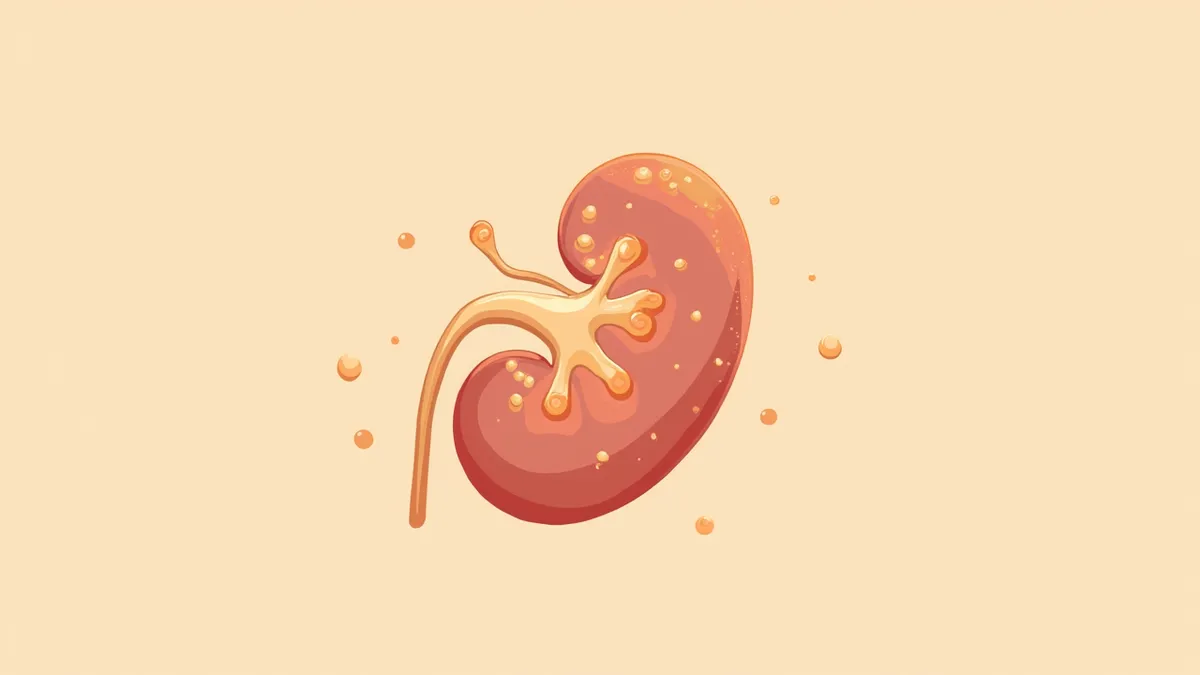
Canine amyloid nephropathy is a chronic kidney disease caused by the accumulation of abnormal fibrous proteins (amyloid) with a beta-pleated sheet structure in the glomeruli or renal interstitium. This condition is known to have a familial (genetic) predisposition in certain breeds, so extra vigilance is needed for those specific breeds. In the early stages, symptoms are minimal, making it easy for pet owners to overlook. As the disease progresses, kidney function gradually declines, potentially leading to renal failure. Therefore, early diagnosis and consistent management are key to preserving your dog’s kidney function and quality of life.

What are the Main Causes of Amyloid Nephropathy?

Canine amyloid nephropathy is known to have a familial (genetic) predisposition in certain breeds. However, the available evidence alone is insufficient to pinpoint specific breeds, so extra vigilance is warranted when there is a family history. This condition occurs when abnormal fibrous proteins called amyloid deposit in the glomeruli or interstitium of the kidneys. Reactive (systemic) amyloidosis is associated with chronic stimuli such as infectious, inflammatory, or neoplastic diseases, involving stimulation by acute-phase proteins. In other words, prolonged chronic inflammation or infection can promote amyloid deposition. Conversely, there are cases in which no clear underlying cause is ever identified. Even with a genetic predisposition, a state of chronic inflammation plays a crucial role in the development of the disease.
A pedigree chart illustrating the genetic risk of amyloid nephropathy in the Golden Retriever breed.

Check for Key Symptoms and Signs

In the early stages, canine amyloid nephropathy typically presents with few or no symptoms. However, as the disease progresses, the following signs may appear. Because these symptoms develop gradually, they can be easily overlooked by pet owners. Early detection is crucial for effective management, so careful observation is essential.
Excessive thirst: Increased frequency of drinking water.
Frequent urination: An increase in the number of times your dog urinates throughout the day.
Weight loss: Gradual weight loss, even if appetite remains normal.
Lethargy: Difficulty with routine activities and easy fatigue.
Vomiting: Gastrointestinal symptoms such as vomiting may occur due to uremia.
Signs of dehydration: Dry mouth and decreased skin elasticity.
A daily scene illustrating the classic symptoms of canine amyloid nephropathy: excessive thirst, frequent urination, and fatigue.

Symptoms Requiring Immediate Veterinary Care

If your dog suddenly loses its appetite, experiences repeated vomiting, stops urinating entirely, or becomes lethargic and disoriented, seek veterinary care immediately. These symptoms may indicate that kidney failure has worsened significantly and could be life-threatening. For breeds known to have a familial (genetic) predisposition to kidney issues, it’s especially important to schedule regular checkups even before any symptoms appear.

How is it Diagnosed?

Amyloid nephropathy in dogs is diagnosed through blood and urine tests. Proteinuria on a urine protein test strongly suggests kidney damage. Blood tests often show elevated creatinine and BUN levels. A kidney biopsy may be required for a definitive diagnosis, as it directly confirms the presence of amyloid protein deposits. This procedure allows the veterinary clinic to accurately assess the severity of the disease.
An image showing the urine and blood testing process for diagnosing amyloid nephropathy in dogs

Treatment Methods and Step-by-Step Management Strategies

Canine amyloid nephropathy is a chronic condition with no definitive cure, so treatment focuses on alleviating symptoms and preserving kidney function. The first step involves managing proteinuria and reducing the burden on the kidneys. The second step entails fluid supplementation and dietary management. A renal prescription diet lowers phosphorus content, supplements omega-3 fatty acids, moderately restricts protein to high-biological-value sources, and reduces sodium. As a third step, colchicine may be used as a medication targeting amyloid deposition, with evidence suggesting it is most effective in the early stages of the disease. If uremic symptoms are present, symptomatic treatments such as antiemetics or fluid therapy are administered concurrently. Developing a personalized treatment plan in collaboration with your veterinarian is the most effective approach.
A scene showing the development of a specialized diet and treatment plan for managing amyloid nephropathy in dogs.

Home Care Points

Consistent home care is the key to successfully managing amyloid nephropathy in dogs. The cornerstone of this care is administering medication as prescribed and keeping up with regular veterinary check-ups. It’s also important to encourage frequent water intake to prevent dehydration. Strictly follow your veterinarian’s recommendations regarding portion sizes and the type of food. You should also moderate your dog’s activity level and avoid excessive exercise. Keeping a detailed log of any behavioral changes in your daily routine will be invaluable during consultations with your vet.
Home care for managing amyloid nephropathy in dogs, including medication administration, hydration, and monitoring the dog’s condition.

Breed-Specific Precautions and Prevention of Recurrence

Amyloid nephropathy is known to carry a higher familial (genetic) risk in certain breeds. When adopting a puppy from a breed suspected of having a familial predisposition, it is helpful to review the health records of the parents. Since the condition is incurable, consistent lifelong management is required. Monitor kidney function and proteinuria (UPC) through regular blood and urine tests, and visit the clinic immediately if any changes in symptoms occur.

Reviewed by a veterinarian

Dr. Tony — Punnawat Phongkittirak

Dr. Tony — Punnawat Phongkittirak

Veterinarian

A veterinarian who majored in veterinary medicine at Khon Kaen University, Thailand, and completed the IVSA program at North Carolina State University in the United States. Drawing on clinical experience at animal hospitals, he works in the pet healthcare field and is dedicated to building a digital care environment that connects pet parents with veterinarians.

Frequently Asked Questions

Can amyloid nephropathy in dogs be treated?
While a complete cure is difficult, it is possible to alleviate symptoms and maintain kidney function. The goal is to preserve kidney function for as long as possible through early diagnosis and consistent management.
Is amyloid nephropathy hereditary?
Certain breeds are known to have a familial (genetic) predisposition. However, it is difficult to definitively pinpoint specific breeds based on the evidence presented alone, so regular check-ups are important if there is a family history.
How should I manage my pet’s diet?
Renal prescription diets are formulated to reduce phosphorus levels, supplement omega-3 fatty acids, moderately restrict protein using high-biological-value sources, and lower sodium content. For your pet’s safety, always use the prescription food recommended by your veterinarian and avoid changing their diet on your own.
How often should regular check-ups be performed?
If a disease is suspected or has been diagnosed, blood and urine tests may be repeated at the veterinarian’s discretion. Since the frequency of routine check-ups can vary depending on individual circumstances, consulting with your veterinarian is the most important step.
My dog suddenly collapsed. Could it be due to amyloidosis?
Lethargy or collapse may indicate that kidney failure has worsened significantly. Immediate veterinary care is essential, as this is a life-threatening emergency.

Share

Related Guides

References

[1] de Morais, H.S., DiBartola, S.P., and Chew, D.J. (1996). Juvenile renal disease in golden retrievers: 12 cases (1984–1994). J. Am. Vet. Med. Assoc. 209: 792–797.

[2] Mason, N.J. and Day, M.J. (1996). Renal amyloidosis in related English foxhounds. J. Small Anim. Pract. 37: 255–260.

[3] Cianciolo, R. (2019). Personal communication on familial renal amyloidosis in dogs. Veterinary Pathology Department, University of California, Davis.

This information is based on veterinary literature and does not replace diagnosis or treatment. Please consult a veterinarian for specific health concerns.

Metapet Co., Ltd. | CEO: Park Sung-yong | Business Reg. No. 417-88-02562 | Seoul, South Korea | Customer Center

Dog Amyloidosis: Symptoms, Causes, and Treatments Explained | Meongsiljang