

Feline Leukemia Virus (FeLV): A Complete Guide to Vaccination, Symptoms, Causes, Diagnosis, Treatment, and Management
Feline leukemia virus (FeLV) is a contagious virus that weakens the immune system and can lead to malignant diseases, making vaccination essential. Early symptoms are often subtle, making early detection difficult, but regular check-ups and vaccinations can help prevent the disease.
Feline Leukemia Virus (FeLV) is a Contagious Viral Infection
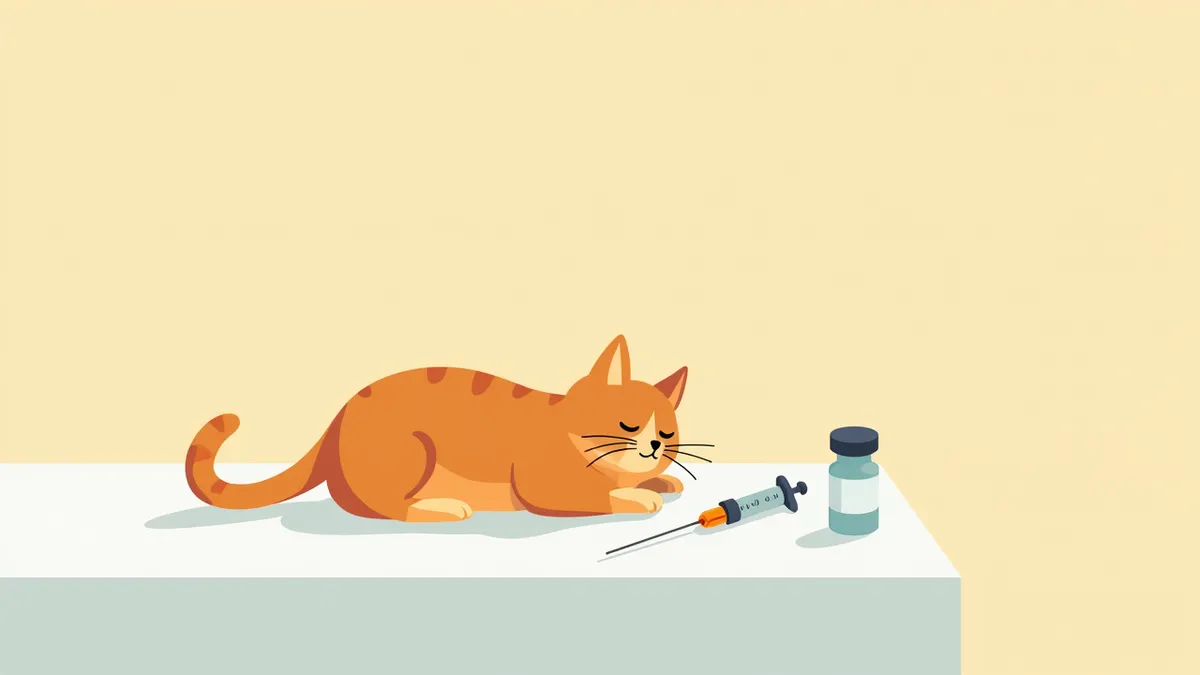
Infection is Primarily Caused by Direct Contact with Other Cats

Main Symptoms Include Fatigue, Weight Loss, Fever, and Oral Ulcers

Symptoms Requiring Immediate Veterinary Care
If your cat is lethargic all day, has no appetite, suffers from persistent high fever, or experiences repeated vomiting and diarrhea, immediate veterinary care is necessary. These symptoms may indicate a progressing FeLV infection and carry a high risk of complications. Early diagnosis and treatment are crucial for improving survival rates, especially if symptoms persist for more than two weeks.
Diagnosis is Confirmed Through Blood Testing

Treatment Focuses on Symptomatic Management, and a Cure is Difficult
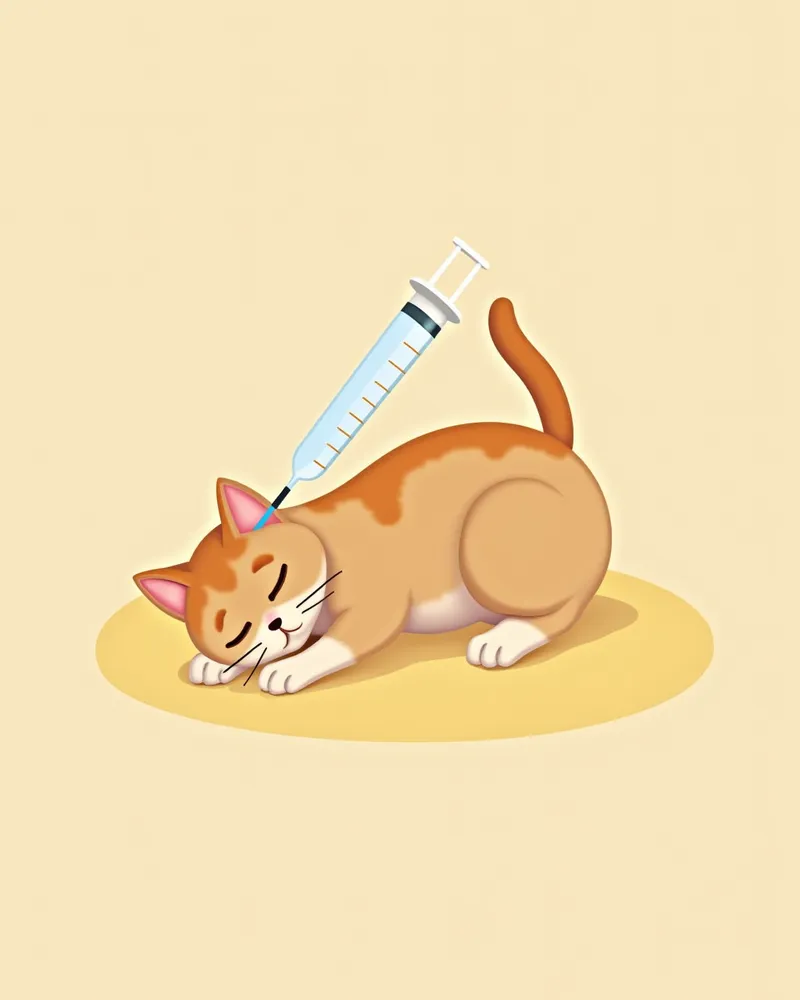
Home Care Centers on Preventing Spread and Maintaining Health

Breed-Specific Considerations and Prevention of Recurrence
There is no clear evidence that certain breeds are more susceptible to FeLV infection, and the risk of infection varies depending on age and environmental factors. In particular, kittens under six months of age may be more vulnerable to infection. Since infected cats can carry the virus for life, they must be completely isolated from other cats, and going outdoors or sharing living spaces should be strictly prohibited. Vaccination is ideally started before exposure to the virus, and it is important to develop a tailored plan at the appropriate time based on a veterinarian’s assessment.
Reviewed by a veterinarian

Dr. Tony — Punnawat Phongkittirak
VeterinarianA veterinarian who majored in veterinary medicine at Khon Kaen University, Thailand, and completed the IVSA program at North Carolina State University in the United States. Drawing on clinical experience at animal hospitals, he works in the pet healthcare field and is dedicated to building a digital care environment that connects pet parents with veterinarians.
Reviewed 2026-06-29
Frequently Asked Questions
When should kittens start receiving vaccinations against feline leukemia virus (FeLV)?
What are the possible side effects after vaccination?
Can an infected cat be kept with other cats?
Can my pet still get infected even after being vaccinated?
Can feline leukemia be transmitted to humans?
Comparison of FeLV Vaccination Timing and Types
| Item | Vaccination Timing | Vaccination Type | Main Characteristics | Additional Recommendation |
|---|---|---|---|---|
| 8 weeks of age | First vaccination | FeLV vaccine | Begins inducing immune response | Second vaccination needed 2–3 weeks later |
| 12 weeks | Second vaccination | FeLV vaccine | Strengthens immunity | Third vaccination recommended 3–4 weeks later |
| 16 weeks or older | Third vaccination | FeLV vaccine | Complete immunity formation | Booster vaccination after 1 year |
| After adulthood | Booster vaccination | FeLV vaccine | Maintains ongoing immunity | Repeat on a 1-year cycle |
The vaccination timing is determined by the veterinarian based on the cat's health status and environment. Early vaccination is recommended for cats that go outdoors frequently, and a plan tailored to the individual situation is necessary.
Share
Related Guides

Top Recommendations and Selection Criteria for Cat FIV and FeLV Testing
Top Microchip Implantation Management Recommendations for Dogs and Key Selection Criteria

Complete Guide to Choosing, Comparing, and Managing the Best Heartworm Preventives for Dogs

If Your Cat’s Vision Is Blurring — A Complete Guide to Retinal Degeneration, Age-Related Retinal Changes, and Management

If Your Cat’s Eye Suddenly Becomes Cloudy — Symptoms of Lens Luxation and When to Seek Emergency Treatment

If Your Puppy Suddenly Stumbles or Has Seizures — Warning Signs of Tumor-Induced Hypoglycemia

If Your Dog Is Gaining Weight and Losing Hair — Warning Signs of Hypothyroidism and When to Get Diagnosed
If Your Dog Is Frequently Seeking Water and Urinating More — Checking for Hyperglycemia Causes and Diabetes Risk

If Your Dog Has Diabetes and Cloudy Eyes — Cataracts, Neuropathy Symptoms, and Management

When Your Cat Is Lethargic and Only Drinks Water — Causes and Treatment of Feline Primary Hyperparathyroidism