Like
Share
멍실장
강아지 건강 이상 조기 발견 방법 증상과 원인, 진단·치료와 관리 포인트 총정리

Early Detection of Health Issues in Dogs: Symptoms, Causes, Diagnosis, Treatment, and Management Essentials

Lifestyle & Age CareDiseasesMeongsiljang Veterinary Advisory Board

Early detection of health issues in dogs significantly improves treatment success rates. Catch warning signs early through daily observation and regular check-ups.

Daily Observation by Pet Owners Is Key to Early Detection of Health Issues in Dogs
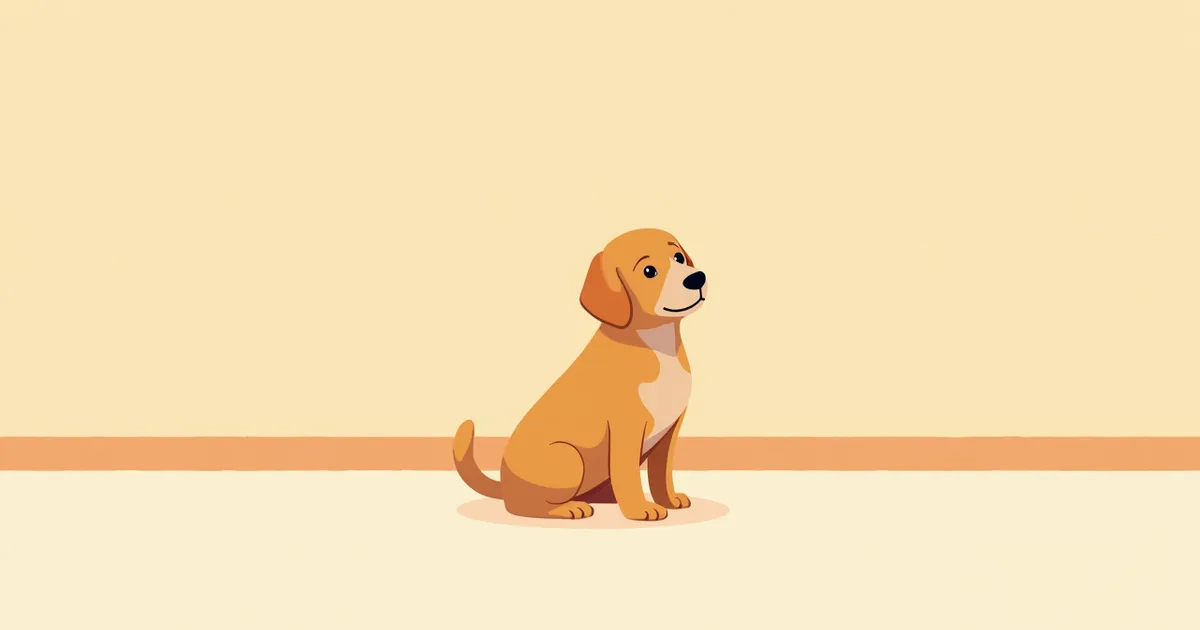
Daily observation images for early detection of health issues in dogs
Subtle changes are often the first sign of health issues in dogs, so careful daily observation by you, the pet owner, is essential. - Changes in appetite: A sudden refusal to eat or a significant decrease in food intake can be an early warning sign of illness. If your dog hasn’t eaten for more than 24 hours, please consult your veterinarian. - Decreased activity level: If your dog is less active than usual or seems unusually lethargic, it could be due to pain or fatigue. Pay special attention if your dog remains inactive throughout the day. - Behavioral changes: Increased sensitivity or avoidance of their owner may indicate stress, pain, or an underlying health problem. These shifts can also be early indicators of behavioral issues. - Changes in elimination habits: Constipation, diarrhea, or changes in frequency can signal digestive problems. If these symptoms persist, seek veterinary care immediately. Even just 5–10 minutes of daily observation and record-keeping can greatly aid in early detection.

Major Causes of Health Issues: A Combination of Disease, Environment, and Behavioral Changes
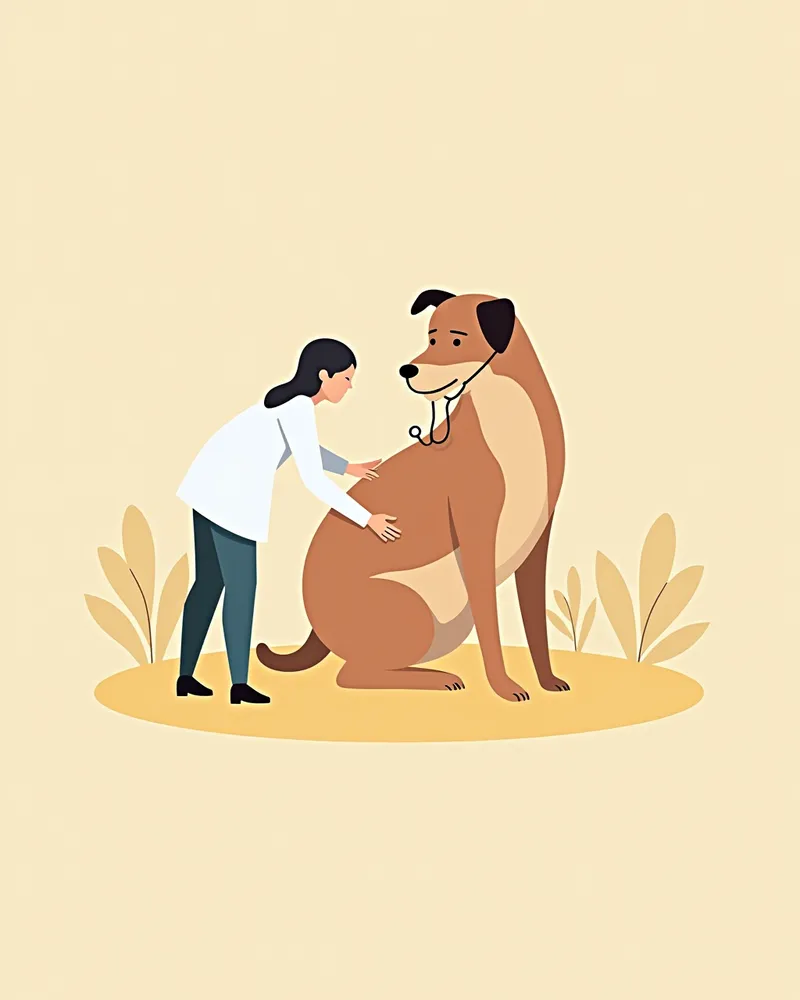
Health issues in dogs rarely stem from a single cause; instead, they usually result from a combination of factors. - Infectious diseases: Exposure to viruses or bacteria can lead to fever, vomiting, and diarrhea. - Chronic diseases: The risk of conditions such as diabetes, kidney disease, and liver disease increases with age. - Environmental stress: Changes like moving, introducing a new pet, or excessive noise can cause emotional anxiety that manifests as physical symptoms. - Dietary imbalance: Excessive treats or inappropriate food can lead to gastrointestinal problems and obesity. - Behavioral changes: Sudden aggression or withdrawal may signal pain or neurological disorders. It is important to observe your dog by considering all these factors together.
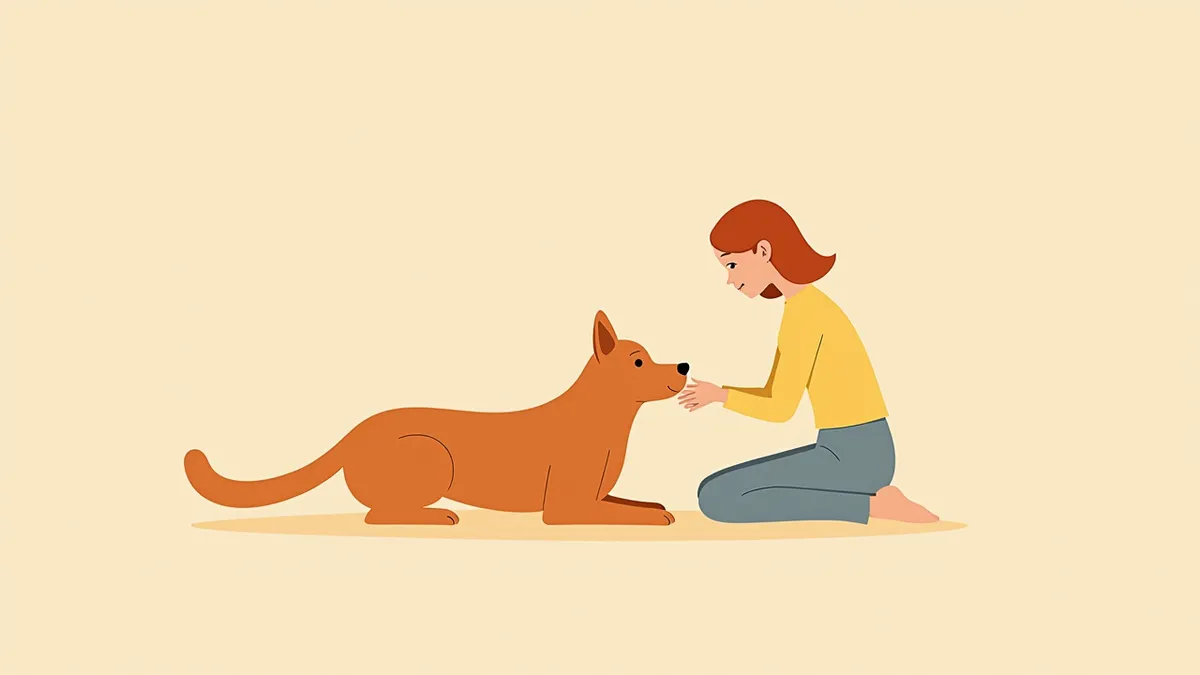
Veterinary examination images for diagnosing the causes of health issues in dogs

Check for Early Warning Signs of Health Issues

Early warning signs of health issues in dogs can often be spotted in everyday life. If any of the following symptoms recur or worsen, consult a veterinarian immediately.
Loss of appetite: Your dog suddenly refuses food or eats only small amounts. If they haven’t eaten for more than 24 hours, prompt veterinary care is necessary.
Lethargy: Your dog remains inactive all day, repeatedly resting in the same spot. This may be accompanied by strong resistance to exercise or decreased consciousness.
Constipation or diarrhea: There’s a sudden change in bowel habits. Immediate veterinary attention is required if symptoms persist or if blood or pus is present in the stool.
Itching: Your dog repeatedly licks or scratches their paws or ears. This could indicate skin lesions or a parasitic infection.
Rapid breathing: Your dog pants or breathes heavily even while resting. This may be a sign of heart or lung problems.
Weight loss: Your dog’s food intake remains the same, but their weight drops quickly. Unexplained weight loss can be a sign of cancer, kidney disease, or endocrine disorders.
Early Warning Signs of Health Issues in Dogs: Image of Lethargy Symptoms

Emergency Signs Requiring Immediate Veterinary Visit

If your dog suddenly starts panting heavily, vomits repeatedly, or loses consciousness, you should take them to the vet immediately. These could be signs of a serious condition, and quick action can save their life.

Regular Check-ups and Tests Are Essential for Accurate Diagnosis
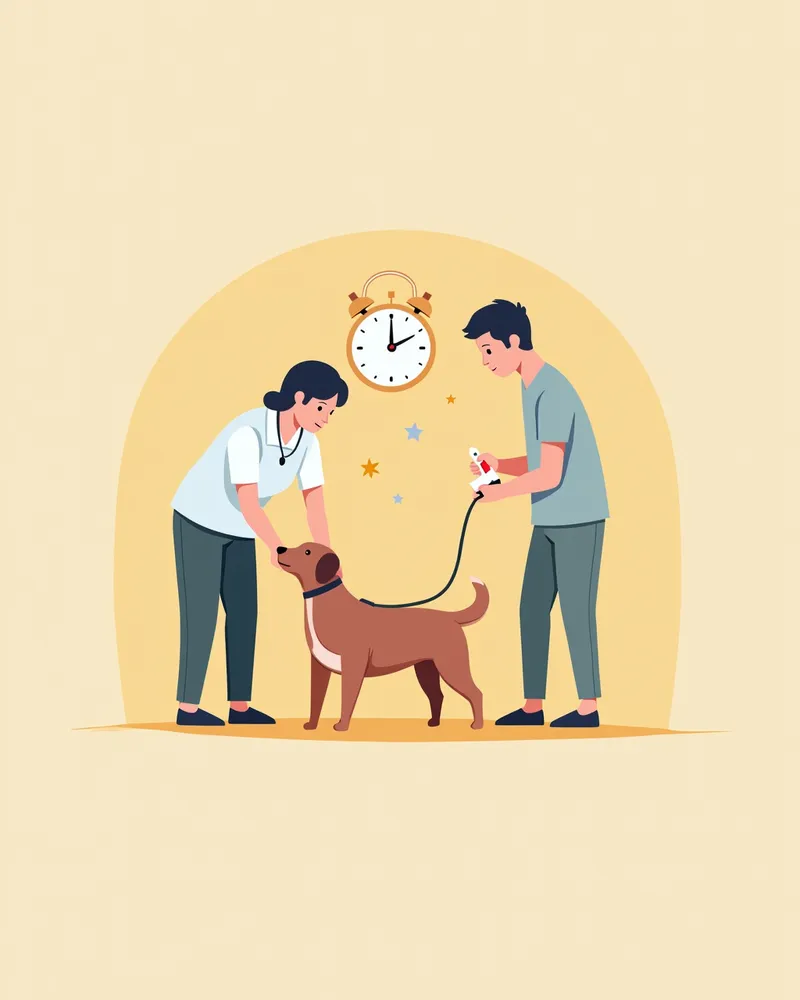
For an accurate diagnosis of your dog’s health issues, a professional veterinary examination and various tests are essential. - Blood tests: These are useful for assessing overall organ function, checking for inflammation, and identifying endocrine disorders. - Urinalysis: This helps evaluate kidney function, detect diabetes, and identify infections. - Imaging (X-rays, ultrasound): These allow for visual confirmation of internal organ abnormalities, tumors, abdominal distension, and tissue damage. - Skin and blood tests: These are used to diagnose allergies, parasites, immune disorders, and dermatitis. - Electrocardiogram (ECG) and respiratory tests: These assess irregular heartbeats, arrhythmias, and respiratory issues. Regular check-ups enable early detection and prevention.
Blood test images for diagnosing health issues in dogs

Treatment Is Conducted in Stages Based on the Underlying Cause
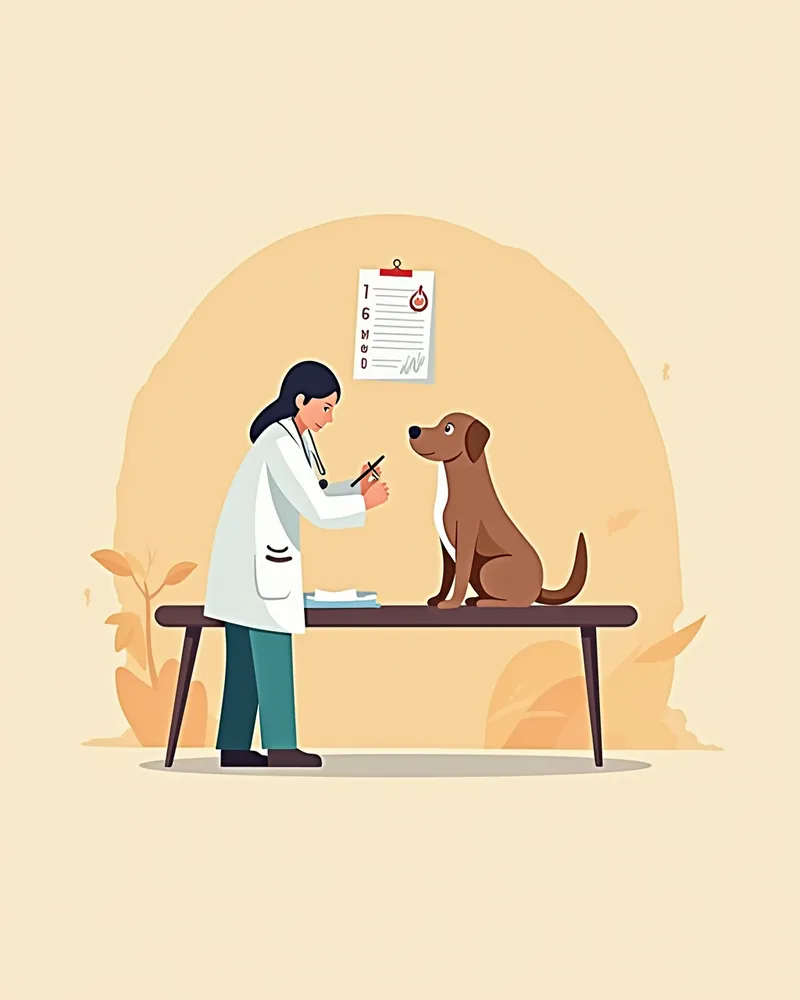
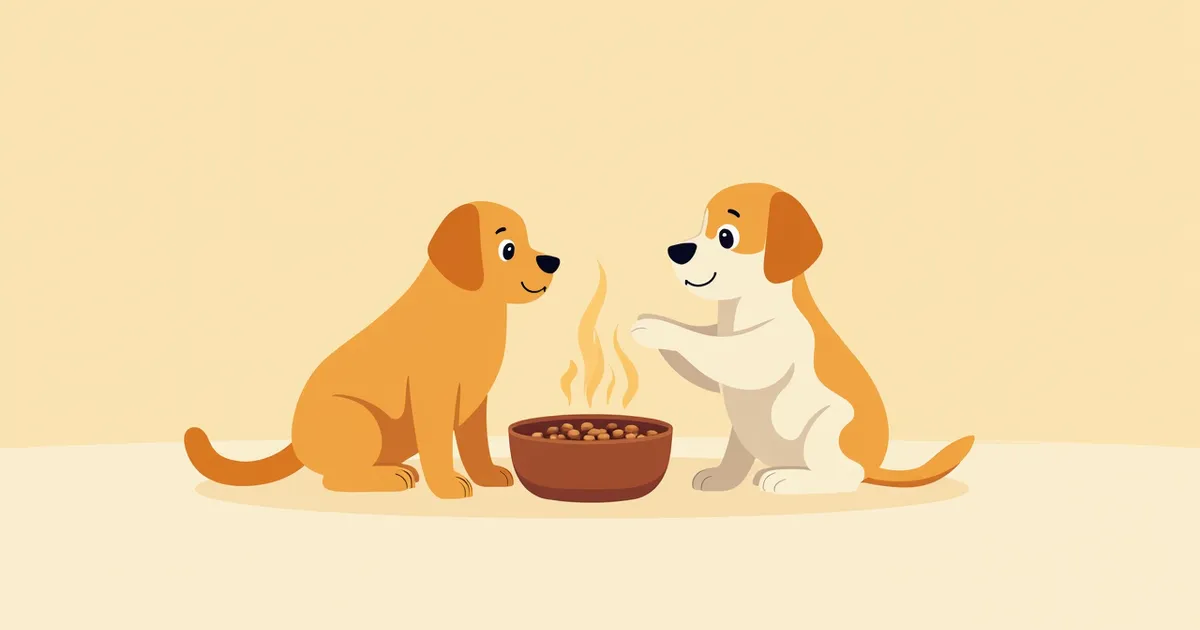
Treating health issues in dogs requires first identifying the exact cause. - Medication: Antibiotics, pain relievers, and hormonal medications are prescribed based on symptoms and underlying causes. - Dietary Management: Specialized diets and nutritional supplements focus on restoring organ function. - Environmental Improvement: Removing noise and stressors helps promote emotional stability. - Rehabilitation Therapy: Physical therapy is necessary for conditions such as arthritis or nerve damage. - Regular Monitoring: Continuously check your dog’s condition with your veterinarian throughout treatment. The duration of treatment varies depending on the cause and severity, so consistent care is essential.
Step-by-step care guide for treating health issues in dogs, with accompanying images

Consistent Daily Habits Are Key to Home Care

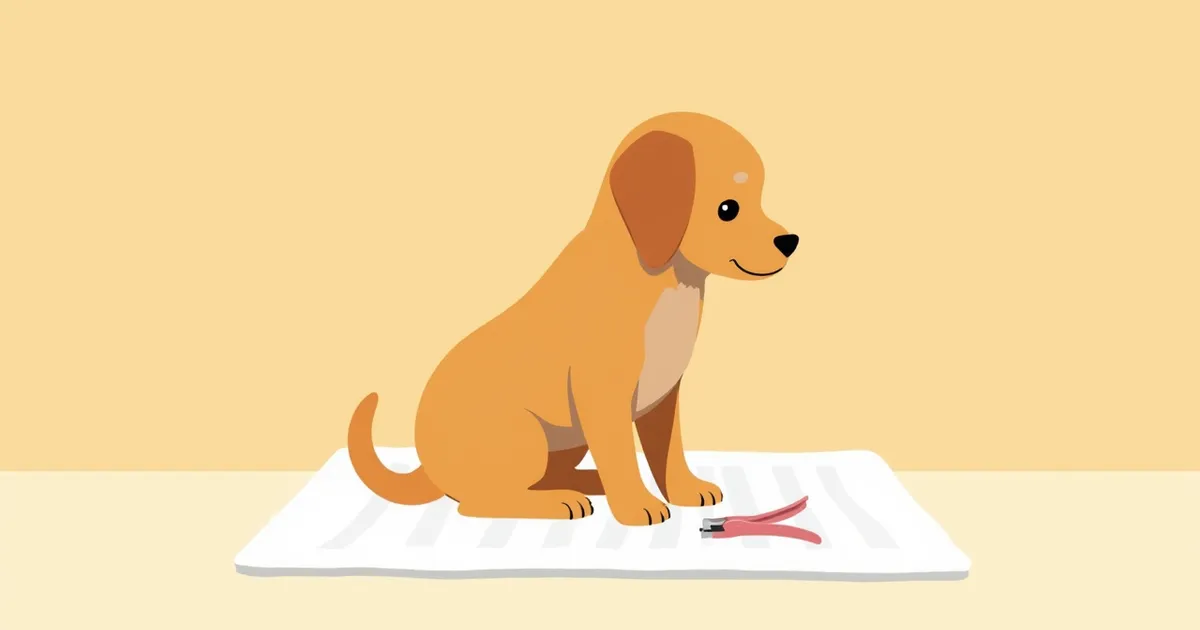
Consistent home care is essential for managing your dog’s health, even outside of veterinary visits. - Record-keeping: Track daily food intake, bowel movement frequency, activity levels, and mood to spot any changes. - Routine maintenance: Sticking to regular feeding and walking schedules helps reduce stress. - Environmental stability: Minimize disruptions from new objects or visitors and provide a calm, secure space. - Regular check-ups: Keep all scheduled veterinary appointments and share your health records with your vet. - Emergency preparedness: Prepare essential information in advance, such as medication history and symptom logs, for vet visits. These habits play a vital role in maintaining your dog’s long-term health.
Daily record images for managing your dog's health abnormalities

Be Alert to Conditions Requiring Attention in Senior Dogs and Specific Breeds

Senior dogs are prone to common conditions such as kidney dysfunction, arthritis, insulin resistance, and heart disease. Certain breeds have a genetic predisposition to specific illnesses, making preventive screenings essential. Heart disease, in particular, often progresses silently for a long time, with symptoms only becoming apparent once heart failure begins. For breeds known to be at higher risk, such as Cavalier King Charles Spaniels, Irish Wolfhounds, and Doberman Pinschers, regular check-ups are recommended for early detection. It is important to work with your veterinarian to develop a tailored management plan.

Reviewed by a veterinarian

Dr. Tony — Punnawat Phongkittirak

Dr. Tony — Punnawat Phongkittirak

Veterinarian

A veterinarian who majored in veterinary medicine at Khon Kaen University, Thailand, and completed the IVSA program at North Carolina State University in the United States. Drawing on clinical experience at animal hospitals, he works in the pet healthcare field and is dedicated to building a digital care environment that connects pet parents with veterinarians.

Frequently Asked Questions

My dog suddenly lost his appetite. I'm worried.
Loss of appetite can have many causes. If your pet hasn’t eaten for more than 24 hours, consult a veterinarian. It could be an early sign of stress, infection, diabetes, kidney dysfunction, or cancer, so prompt veterinary care is essential.
How often should regular check-ups be done?
We recommend annual check-ups for adult dogs and biannual check-ups for senior dogs. Regular health screenings are especially important for the early detection of chronic conditions such as heart disease, kidney disease, and diabetes.
What signs should you watch for at home?
Loss of appetite, lethargy, abnormal bowel movements, itching, difficulty breathing, and weight loss are all warning signs. If these symptoms persist or worsen, please consider visiting the vet immediately.
Is it bad to give medication?
Frequent use of medications can lead to side effects. Only administer medications prescribed by your veterinarian, and strictly follow the prescribed dosage and duration. If any adverse reactions occur during treatment, seek veterinary care immediately.
My puppy is lethargic and not moving. Should I take him to the vet?
If your pet is lethargic and drowsy all day without moving, it could indicate severe weakness. This is especially concerning if they also have no appetite and are breathing rapidly or with difficulty—in such cases, seek veterinary care immediately. This may be an emergency, so prompt action is crucial.

Share

Related Guides

References

[1] Veterinary Guide to Preventing Behavior Problems in Dogs and Cats, 2023

[2] Notes on Canine Internal Medicine, 4th Ed, 2022

[3] Small Animal Critical Care Medicine, 3rd Ed, 2021

This information is based on veterinary literature and does not replace diagnosis or treatment. Please consult a veterinarian for specific health concerns.

Metapet Co., Ltd. | CEO: Park Sung-yong | Business Reg. No. 417-88-02562 | Seoul, South Korea | Customer Center

Early Detection of Health Issues in Dogs: Symptoms & Care | Meongsiljang