
Like
Share
멍실장
강아지 혈관육종 증상과 원인, 진단·치료와 관리 포인트 총정리

If Your Dog Suddenly Collapses — Emergency Signs, Diagnosis, and Treatment Timing for Hemangiosarcoma

Oncology/CancerDiseasesMeongsiljang Veterinary Advisory Board

Canine hemangiosarcoma is a malignant tumor that arises from blood vessel cells. It is particularly common in small-breed dogs and can cause acute shock, making early detection crucial.

What Is Canine Hemangiosarcoma?

The primary organs where canine hemangiosarcoma occurs
Canine hemangiosarcoma is a malignant tumor that originates from blood vessel endothelial cells (or their precursor cells). Internal organ hemangiosarcomas, such as those in the spleen, are frequently reported in large-breed dogs like German Shepherds, while cutaneous forms are closely linked to ultraviolet (UV) exposure. - Characteristics of hemangiosarcoma: These tumors grow rapidly and often metastasize via the bloodstream to the liver and lungs, making early detection and accurate diagnosis critical. They most commonly develop in the spleen, heart, and skin, and are difficult to detect in early stages because symptoms are minimal or absent. - Risk factors: Aging and breed predisposition play significant roles. Splenic hemangiosarcoma is more common in large-breed dogs, while cutaneous hemangiosarcoma carries higher risk in short-haired, light-skinned breeds due to increased UV exposure. - Metastatic pathways: The cancer can spread quickly through the bloodstream to other organs, such as the liver and lungs. If a tumor ruptures, it can lead to acute, life-threatening hemorrhage. - Importance of early diagnosis: Even when symptoms are subtle, confirming suspicious lesions through biopsy is essential for establishing an accurate diagnosis and determining the appropriate treatment plan.

Main Causes and Pathogenesis of Hemangiosarcoma
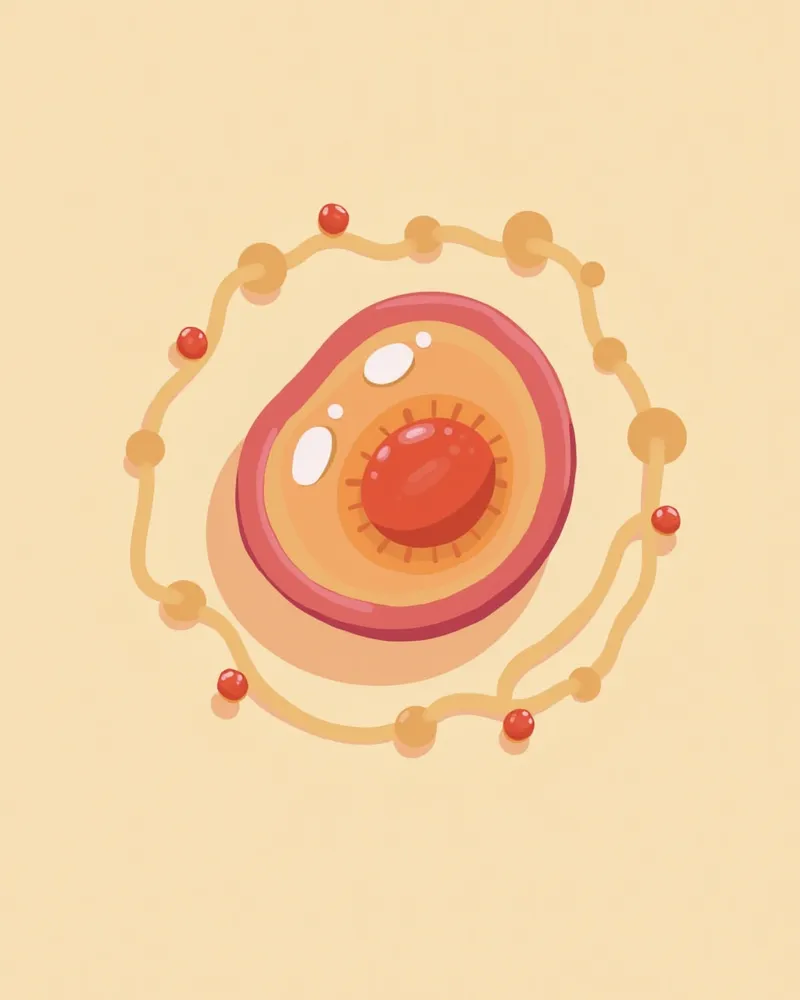
While the exact cause of hemangiosarcoma remains unknown, it is understood to arise from malignant changes in vascular endothelial cells, with aging, breed predisposition, and ultraviolet (UV) exposure playing contributing roles. - Breed predisposition: Splenic hemangiosarcoma is more commonly reported in certain breeds, such as German Shepherds. - Cellular abnormalities: Tumors form as vascular endothelial cells proliferate abnormally and invasively. - UV exposure: Chronic sun exposure is identified as a cause of cutaneous hemangiosarcoma, particularly in hairless or lightly pigmented skin areas. - Metastatic mechanism: Tumor cells spread through the bloodstream to other organs, such as the liver and lungs, causing metastasis. - Combined risk factors: Multiple factors, including aging, breed, and UV exposure, interact to influence disease development.
Cytological characteristics of hemangiosarcoma

Main Symptoms and Signs

Canine hemangiosarcoma is difficult to detect in its early stages because it shows few symptoms. However, as the disease progresses, the following signs may appear:
Acute shock symptoms: Sudden shock, difficulty breathing, pale skin, and irregular heartbeat.
Fatigue and lethargy: The dog may remain inactive all day and repeatedly collapse.
Abdominal distension: The spleen enlarges, causing the abdomen to swell.
Signs of anemia: Pale lips or mouth, along with shortness of breath.
Vomiting and loss of appetite: The dog may suddenly refuse food or experience repeated vomiting.
If any of these symptoms occur, immediate veterinary care is necessary.
Acute symptoms of canine hemangiosarcoma

Emergency Situations Requiring Immediate Veterinary Visit

If your dog suddenly collapses or experiences severe breathing difficulties, it could be hemorrhagic shock caused by hemangiosarcoma. Immediate veterinary care is crucial to increase the chances of survival. This is a life-threatening emergency.

Diagnostic Methods and Procedures

Hemangiosarcoma is diagnosed through imaging tests, blood work, and tissue biopsies. - Imaging tests: We check for tumors or lesions in the spleen, heart, and other organs, and use three-view chest radiographs to assess for lung metastasis. - Blood tests: A complete blood count (CBC) and serum chemistry panel help evaluate the patient’s overall condition, including anemia and other systemic abnormalities. - Tissue biopsy: Incisional or excisional biopsies followed by histopathological examination definitively confirm whether the tumor is malignant. - Lymph node assessment: Fine-needle aspiration of regional lymph nodes helps evaluate for metastasis and systemic involvement. - Multidisciplinary diagnosis: Clinical veterinarians collaborate with imaging and pathology specialists to ensure an accurate diagnosis.
Ultrasound imaging for diagnosing hemangiosarcoma

Treatment Methods and Step-by-Step Approach

Treatment for hemangiosarcoma is approached holistically, taking into account the tumor’s location and the patient’s overall health. - Surgical treatment: Wide (radical) surgical excision is the cornerstone of treatment, and splenectomy is commonly performed for tumors located in the spleen. - Adjuvant therapy: If the risk of metastasis is high, additional treatments may be considered alongside surgery. - Radiation and palliative care: For lesions where surgery is not feasible, treatment focuses on alleviating symptoms. - Intracardiac tumors: Tumors arising in the heart, such as in the right atrium, are difficult to remove surgically, so management centers on symptom relief. - Individualized treatment: The treatment plan varies depending on the location of the lesion and the patient’s condition.
A puppy recovering after hemangiosarcoma surgery

Home Care and Management Points

After surgery or treatment, it’s important to manage your pet’s activity level to avoid overexertion and maintain stable overall health.
Regular check-ups: Follow your veterinarian’s recommended schedule for regular re-evaluations, including blood tests and imaging studies.
Dietary management: Maintain a balanced diet, and determine the specific feeding plan in consultation with your veterinarian.
Minimizing stress: Avoid environmental changes and excessive exercise, and ensure a stable daily routine.
Medication administration: Administer prescribed medications exactly as directed, adhering to the specified dosage and timing.
Monitoring respiratory abnormalities: Since hemangiosarcoma often metastasizes to the lungs, contact your clinic immediately if you notice difficulty breathing or coughing.
These care measures help detect complications early and maintain your pet’s quality of life.
Daily care for dogs with hemangiosarcoma

Breed-Specific Precautions and Recurrence Prevention

Hemangiosarcoma of internal organs such as the spleen is more commonly reported in large-breed dogs like German Shepherds, while cutaneous hemangiosarcoma is associated with sun exposure and occurs more frequently in light-colored, sparsely coated breeds. The risk increases with age, so regular veterinary check-ups are recommended. Because recurrence and metastasis are common with hemangiosarcoma, consistent monitoring after treatment is essential.

Reviewed by a veterinarian

Dr. Tony — Punnawat Phongkittirak

Dr. Tony — Punnawat Phongkittirak

Veterinarian

A veterinarian who majored in veterinary medicine at Khon Kaen University, Thailand, and completed the IVSA program at North Carolina State University in the United States. Drawing on clinical experience at animal hospitals, he works in the pet healthcare field and is dedicated to building a digital care environment that connects pet parents with veterinarians.

Frequently Asked Questions

Is hemangiosarcoma curable?
Wide surgical excision is the primary treatment. Hemangiosarcoma affecting internal organs such as the spleen carries a poor prognosis and is difficult to cure, whereas hemangiosarcoma confined to the skin has a relatively favorable prognosis if completely removed. Early detection and appropriate treatment are key.
Is there a genetic component to hemangiosarcoma?
It is more commonly reported in certain breeds. Splenic hemangiosarcoma occurs more frequently in breeds such as German Shepherds, while the cutaneous form carries a higher risk in short-haired, light-skinned breeds due to increased exposure to ultraviolet radiation.
How long is the typical survival period for a dog with hemangiosarcoma?
Survival time varies significantly depending on the tumor’s location, the animal’s overall health, and the treatment approach. In particular, hemangiosarcoma affecting internal organs tends to have a poor prognosis, and outcomes can vary widely from case to case, so it’s important to consult your veterinarian for an accurate prognosis.
What tests should be performed when hemangiosarcoma is suspected?
We use imaging tests (such as X-rays) along with a complete blood count (CBC) and serum chemistry panel to check for lesions in organs like the spleen or heart and to assess your pet’s overall health. To confirm the diagnosis, a surgical biopsy and histopathological examination are required.
What kind of diet should a dog with hemangiosarcoma have?
It’s best to maintain a balanced diet, and the safest approach is to consult with your veterinarian to determine the most appropriate specific diet for your pet.

Comparison of Hemangiosarcoma Treatment Options

ItemTiming of useEfficacySide effects
SplenectomyStandard treatment when surgery is feasibleWide resection expected to prolong survivalRisk of bleeding and infection
Chemotherapy (adjuvant)Considered as adjuvant treatment after surgeryAdjuvant aim of lowering metastasis riskReduced appetite, vomiting, etc.
Radiation/palliative careWhen surgery is difficult, such as intracardiac tumorsAimed at symptom relief (palliative care)Local inflammation, fatigue

Treatment should be decided in consultation with your veterinarian based on the individual condition.

Share

Related Guides

References

[1] Clinical Medicine of the Dog and Cat, 4th Ed, 2020

[2] Textbook of Cardiovascular Medicine in Dogs and Cats, 2019

[3] Veterinary Surgical Oncology, 2nd Ed, 2021

This information is based on veterinary literature and does not replace diagnosis or treatment. Please consult a veterinarian for specific health concerns.

Metapet Co., Ltd. | CEO: Park Sung-yong | Business Reg. No. 417-88-02562 | Seoul, South Korea | Customer Center

Dog Collapsed Suddenly? Hemangiosarcoma Signs & Treatment | Meongsiljang