

Why Is My Cat Only Scratching Its Face? — Causes and Treatment Timing for Feline Notoedric Mange
We’ve compiled the early signs of feline scabies, caused by Notoedres cati mites burrowing into the face and causing intense itching, along with accurate treatment methods used at veterinary clinics.
What Is Feline Notoedric Mange?

Causes and Transmission Routes
Key Symptom Checklist

See a Vet Immediately If You Notice These Signs
If you notice crusts lasting more than 24 hours on the tips of the ears or face, accompanied by severe scratching, take your cat to the vet immediately. This is especially urgent if there is oozing from the wounds, a foul odor, or if fever and loss of appetite are present, as these signs indicate a secondary bacterial infection has developed. In multi-cat households, it is safest to have all cats examined, even those showing no symptoms.
Diagnostic Methods
Treatment Methods
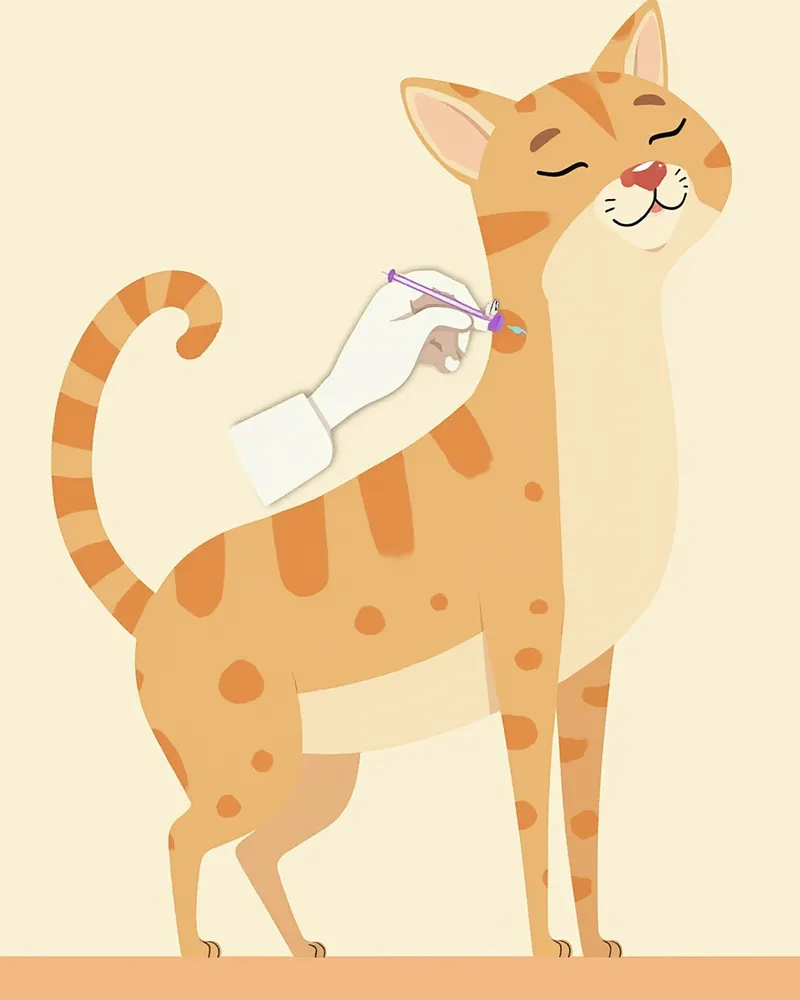
Home Care Points
Preventing Recurrence and Precautions for Multi-Cat Households
Stopping medication early just because symptoms have disappeared can allow newly hatched mites to spread again. Mite treatments are typically administered at four-week intervals for at least three rounds, so it’s safest to follow your veterinarian’s prescribed schedule and continue treatment until a full recovery is confirmed. In multi-cat households, the most effective way to prevent recurrence is to treat all cohabiting animals, including those showing no symptoms.
Reviewed by a veterinarian

Dr. Tony — Punnawat Phongkittirak
VeterinarianA veterinarian who majored in veterinary medicine at Khon Kaen University, Thailand, and completed the IVSA program at North Carolina State University in the United States. Drawing on clinical experience at animal hospitals, he works in the pet healthcare field and is dedicated to building a digital care environment that connects pet parents with veterinarians.
Reviewed 2026-04-28
Frequently Asked Questions
Can cat mites be transmitted to humans?
I have a puppy at home. Can it be transmitted to my dog?
Can I use the scabies ointment sold at pharmacies?
How long does it take to fully recover?
Does a cat develop immunity after contracting the disease once?
Share
Related Guides

Top 5 Medicated Dog Shampoos — For Pyoderma and Bacterial Infections

Veterinarian-Recommended Top 5 Medicated Shampoos for Canine Yeast Dermatitis — Relieves Itching and Greasiness

Top 5 Medicated Cat Shampoos Recommended by Veterinarians — Fungal Dermatitis and Fungal Care

Cat Keeps Vomiting and Is Lethargic — Lead Poisoning Warning Signs and Treatment Timing

If Your Dog Ingested Ibuprofen — Poisoning Symptoms, First Aid, and Dangerous Dosages

When Your Dog Eats Macadamia Nuts — From Poisoning Warning Signs to Emergency Response and Prevention

Why Avocado Is Dangerous for Cats — Poisoning Symptoms and Emergency Response Timing

If Your Dog Ate Avocado — From Poisoning Symptoms to Emergency Treatment and Prevention

If Your Dog Ate Onions or Garlic — Anemia Symptoms, Emergency Care, and Dangerous Intake Levels

Our Cat’s Hair Loss and Circular Patches — Causes and Treatment Timing for Fungal Skin Disease
References
[1] Little SE, The Cat: Clinical Medicine and Management, 2nd Edition, Chapter on Parasitic Skin Diseases, 2020
[2] Miller WH, Griffin CE, Campbell KL, Muller & Kirk's Small Animal Dermatology, 7th Edition, Chapter 6: Parasitic Skin Disease
[3] Foley RH, A notoedric mange epizootic in an island's cat population, Feline Practice, 1991