

Canine Oral Abscess and Periapical Abscess: Symptoms, Causes, Diagnosis, Treatment, and Management Essentials
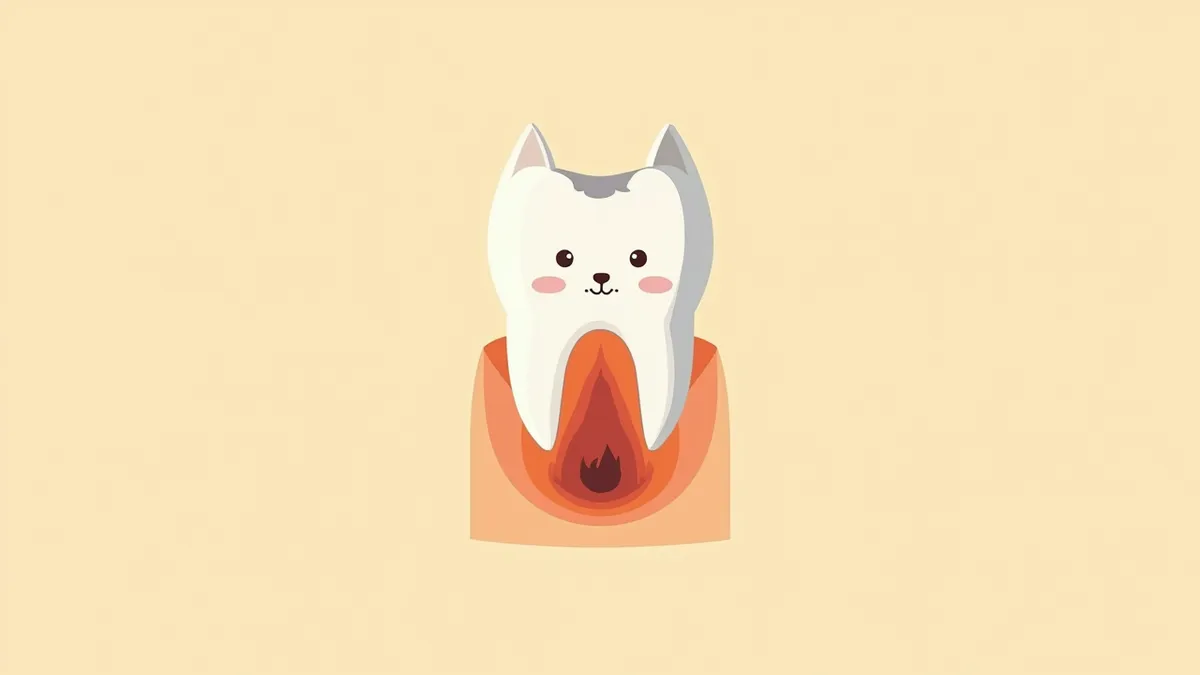
A canine oral abscess is a condition in which bacteria invade the tissues surrounding the teeth, causing inflammation. A periapical abscess is a more severe form that develops at the tip of the tooth root. Early detection and treatment are essential.
What Are Canine Oral Abscesses and Periapical Abscesses?
What Are the Main Causes?

Main Symptoms and Warning Signs

When to Visit the Vet Immediately
If your dog is showing signs of severe pain, facial swelling, fever, or a complete loss of appetite, you should take them to the vet immediately. These symptoms could indicate that an abscess has spread to the bone or is causing a serious systemic infection.
Accurate Diagnostic Methods

Treatment Methods and Step-by-Step Approach

Home Care Essentials

Breed-Specific Precautions and Preventing Recurrence
Brachycephalic breeds (such as Pekingese and Bulldogs) and breeds with maloccluded teeth are at a higher risk of oral abscesses. Regular oral examinations and cleanings are essential. Establishing consistent daily care routines is crucial to preventing recurrence.
Reviewed by a veterinarian

Dr. Tony — Punnawat Phongkittirak
VeterinarianA veterinarian who majored in veterinary medicine at Khon Kaen University, Thailand, and completed the IVSA program at North Carolina State University in the United States. Drawing on clinical experience at animal hospitals, he works in the pet healthcare field and is dedicated to building a digital care environment that connects pet parents with veterinarians.
Reviewed 2026-06-29
Frequently Asked Questions
Are dog oral abscesses very painful?
Do I need to have my pet’s teeth extracted?
Can oral abscesses be prevented?
Will medication alone be enough?
Can it come back after treatment?
Comparison of Treatment Methods by Dental Condition
| Item | Treatment Method | Pain Level | Recovery Period |
|---|---|---|---|
| No tooth damage, early-stage abscess | Antibiotic treatment + scaling | Low | 1–2 weeks |
| Tooth root damage, spreading abscess | Tooth extraction or root canal treatment | Medium | 2–4 weeks |
| Bone involvement, systemic symptoms | Surgery + strong antibiotics + pain relievers | High | More than 4 weeks |
The treatment method is decided by the veterinarian according to each individual situation. An accurate diagnosis is essential.
Share
Related Guides

7 Best Cat Dental Chews for Tartar Prevention Recommended by Veterinarians and Selection Criteria

Top 5 Recommended Dental Treats for Dogs in 2026 — VOHC Certification Criteria

7 Criteria for Choosing Dog Tartar Prevention Dental Chews Recommended by Veterinarians

Is the Lump Under Your Cat’s Skin Benign or Malignant? — Key Points for Distinguishing Lipomas from Liposarcomas

SAMe vs. Milk Thistle for Dog Liver Protectants — Which Is Right for Your Pet?

If Your Cat Keeps Getting Drowsy After Meals — Causes and Treatment Timing for Portosystemic Shunt (PSS)

If Your Cat’s Eyes and Gums Are Yellow — Causes of Feline Jaundice and When to Visit the Vet

If Your Cat Keeps Vomiting and Is Lethargic — Symptoms, Causes, and Treatment Timing for Cholecystitis

Can I Give Omega-3 to a Dog with Poor Kidney Function? — Supplement Effects and Precautions

Late-Stage Chronic Kidney Disease in Dogs: A Care Guide for Pain Relief and Quality of Life
References
[1] Plumb's Veterinary Drug Handbook, 9th Edition. 2022. Wiley-Blackwell.
[2] Feldman, E.C., Nelson, R.W. (2019). Canine and Feline Endocrinology and Reproduction. 5th ed. Elsevier.