Like
Share
멍실장
고양이 흉막삼출 원인 증상과 원인, 진단·치료와 관리 포인트 총정리

Feline Pleural Effusion: Causes, Symptoms, Diagnosis, Treatment, and Care Points Summary

RespiratoryDiseasesMeongsiljang Veterinary Advisory Board

Feline pleural effusion is a condition in which abnormal fluid accumulates in the chest cavity, leading to difficulty breathing. The causes can vary, including infections, tumors, and heart disease, making early diagnosis crucial.

Feline pleural effusion is a condition in which abnormal fluid accumulates in the chest cavity.
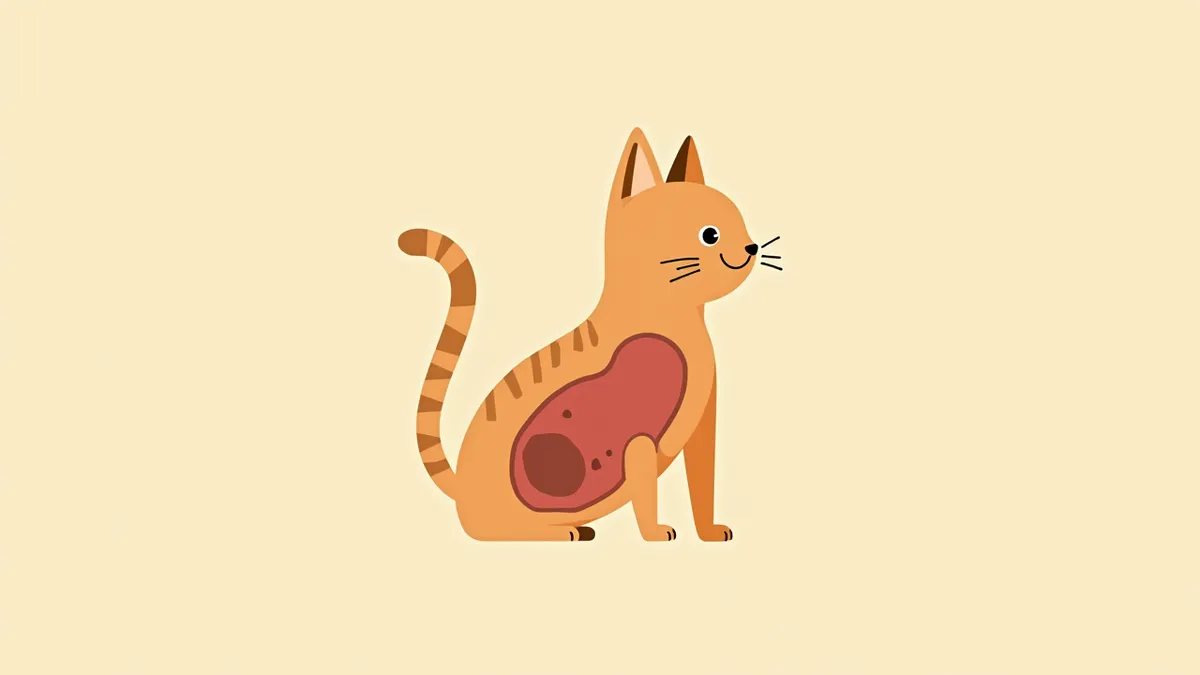
An anatomical illustration showing fluid accumulation in a cat’s thoracic cavity
Feline pleural effusion is a condition in which excess fluid accumulates in the chest cavity, preventing the lungs from expanding normally. This can lead to symptoms such as difficulty breathing, rapid or labored respiration, coughing, and decreased activity, and in severe cases, it can be life-threatening. - Fluid accumulation: When fluid builds up in the chest cavity, it compresses the lungs and impairs their function. - Difficulty breathing: You may notice your cat breathing rapidly or with its mouth open. - Coughing and lethargy: Repeated coughing or unusual lethargy, sometimes resembling shock, may occur. - Early diagnosis: If symptoms appear, seek veterinary care promptly for an accurate diagnosis. - Key to treatment: The priority is to identify the underlying cause and remove the excess fluid.

The main causes include infections, tumors, heart disease, and trauma.
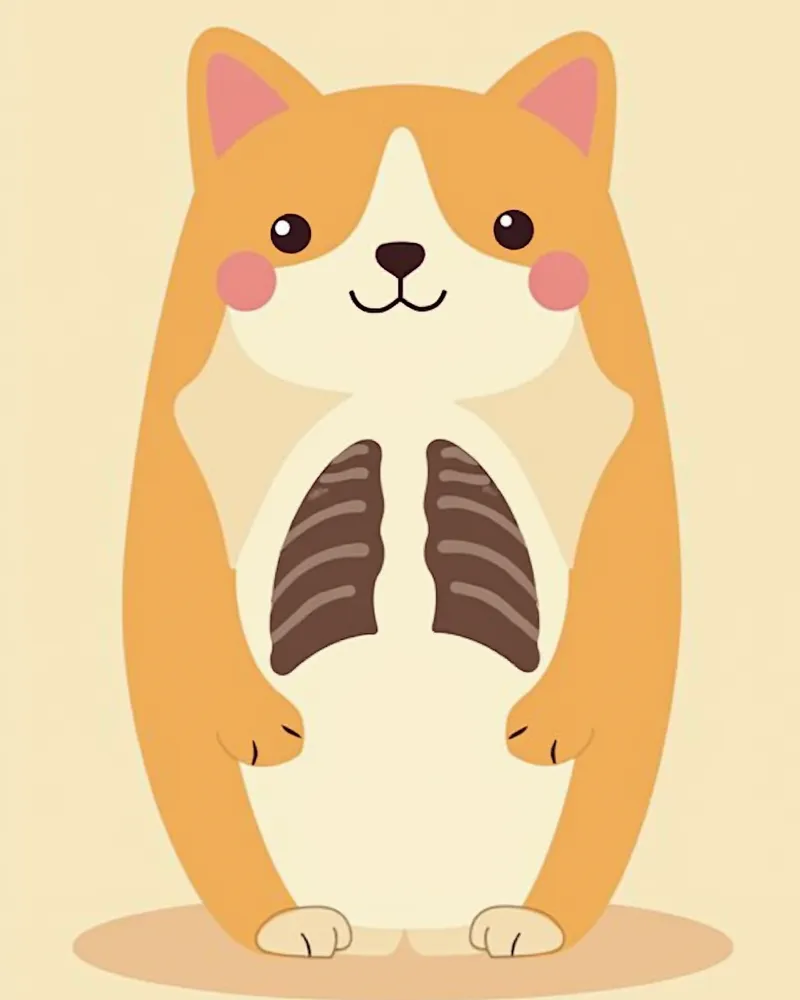
The causes of pleural effusion in cats are highly varied and can arise from a range of conditions, including tumors, heart disease, infections, chylothorax, and trauma. - Neoplastic causes: Malignant tumors and pleural metastasis are particularly common primary causes, especially in older cats. - Cardiac causes: Heart failure can impair blood circulation, leading to the accumulation of fluid in the form of modified transudate. However, heart disease is not as common a cause as many people might assume. - Infectious causes: Bacteria (pyothorax), fungi, and Feline Infectious Peritonitis (FIP) can invade the pleura and cause effusion. - Trauma and hemorrhage: Accidents, trauma, or coagulopathies can lead to the accumulation of hemorrhagic fluid (hemothorax) in the thoracic cavity. - Autoimmune and other diseases: Effusion can also occur in other conditions, such as immune-mediated inflammation. Therefore, analyzing the fluid to accurately identify the underlying cause is the first step toward effective treatment.
A chest X-ray of a cat showing pleural effusion.

The main symptoms include difficulty breathing, coughing, and decreased activity.

The main symptoms of pleural effusion in cats are difficulty breathing and rapid breathing, which occur because fluid restricts the normal expansion of the lungs. - Difficulty breathing: Signs include rapid breathing (tachypnea) or breathing with the mouth open. - Abnormal posture: Extending the neck, sitting with elbows splayed, and breathing with pronounced abdominal movement are signs of a serious condition. - Reduced activity: The cat moves less than usual and spends more time resting. - Decreased appetite: The cat may refuse food or eat only small amounts. - Warning sign of cyanosis: If the gums or tongue appear bluish, it indicates a lack of oxygen. If you notice this, seek veterinary care immediately.
A cat breathing with its body stretched forward due to difficulty breathing

These are emergency signals requiring immediate veterinary visit.

Feline pleural effusion is a condition in which fluid accumulates in the chest cavity, preventing the lungs from expanding normally. This can lead to symptoms such as difficulty breathing, rapid or labored breathing, coughing, and decreased activity, and in severe cases, it can be life-threatening. - Fluid accumulation: When fluid builds up in the chest cavity, it compresses the lungs and impairs their function. - Difficulty breathing: You may notice your cat breathing rapidly or panting with its mouth open. - Coughing and lethargy: Persistent coughing or unusual lethargy, appearing almost shocked, can occur. - Unusual posture: Sitting upright while breathing or extending the abdomen forward while breathing are signs of a serious condition. - Decreased activity: Your cat may move less than usual and spend more time resting. - Loss of appetite: Your cat may refuse food or eat only small amounts. - Lethargy and chest swelling: Your cat may appear heavy or sluggish, and the chest may look swollen or distended. If any of these symptoms appear, immediate veterinary care is essential.

Diagnosis is performed via X-ray, ultrasound, and thoracentesis.
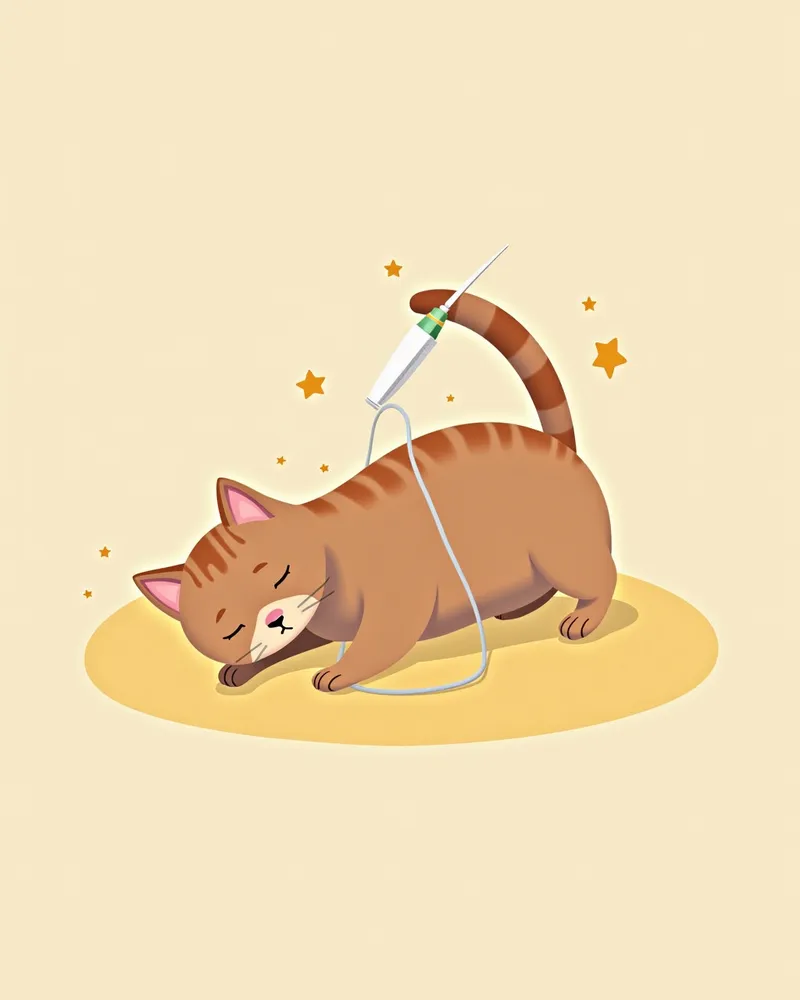
Feline pleural effusion can be initially diagnosed with a chest X-ray, which helps confirm the presence of fluid. - X-ray examination: The chest cavity may appear hazy, and the lungs may look smaller than normal. - Ultrasound examination: This helps accurately assess the nature and volume of the fluid. - Thoracentesis: Fluid is collected to analyze for bacteria, tumor cells, and inflammatory responses. - Accurate diagnosis: Multiple tests are performed together to identify the underlying cause. - Treatment basis: Effective treatment is difficult without an accurate diagnosis, so prompt testing is essential.
A veterinarian performing thoracentesis on a cat with pleural effusion under ultrasound guidance.

Treatment varies by cause, with fluid removal as the priority.

The first step in treatment is thoracentesis to remove fluid from the chest cavity. - Fluid removal: Draining the fluid via thoracentesis leads to rapid improvement in breathing. - Treating the underlying cause: Antibiotics or antifungal medications are used for infections; surgery or chemotherapy for tumors; and cardiac medications for heart disease. In cases like chylothorax that do not respond well to medication, surgery may be considered. - Ongoing management: Because fluid can reaccumulate, regular check-ups are essential. - Chest tube drainage: If fluid buildup recurs, we may consider placing a chest tube (thoracostomy tube) to drain the fluid more completely. - Treatment goals: The key is to alleviate symptoms and address the underlying cause to prevent recurrence.
A cat recovering after thoracentesis for pleural effusion

Home care focuses on controlling the underlying cause and monitoring symptoms.

After treatment, home care focuses on controlling the underlying cause and monitoring symptoms. - Medication administration: Give medication at the correct dosage and on schedule. - Environmental management: Maintain a quiet, stable environment to minimize stress. - Respiratory monitoring: Record your pet’s breathing rate and posture daily. - Appetite and activity level: Closely observe changes in food intake and movement. - Side effect monitoring: If vomiting, diarrhea, or lethargy occurs during medication, consult your veterinarian immediately. - Regular check-ups: Schedule follow-up examinations every 1–3 months to help prevent recurrence.
A cat recovering in a calm environment, with its medication log prepared.

Caution is needed for senior cats and cases with recurrent pleural effusion.

In senior cats, tumors and heart disease are common causes, so recurrences are frequent. Additionally, repeated pleural effusion can lead to a decline in lung function. Ongoing monitoring and close collaboration with your veterinarian are essential.

Reviewed by a veterinarian

Dr. Tony — Punnawat Phongkittirak

Dr. Tony — Punnawat Phongkittirak

Veterinarian

A veterinarian who majored in veterinary medicine at Khon Kaen University, Thailand, and completed the IVSA program at North Carolina State University in the United States. Drawing on clinical experience at animal hospitals, he works in the pet healthcare field and is dedicated to building a digital care environment that connects pet parents with veterinarians.

Frequently Asked Questions

Can feline pleural effusion be treated?
The likelihood of successful treatment varies depending on the underlying cause. Infections and injuries tend to have a relatively good prognosis, whereas tumors and heart disease may carry a poorer outlook. In cats that receive treatment, survival rates of approximately 60–70% have been reported, and with proper management, symptoms can be alleviated and the risk of recurrence reduced.
Does a thoracentesis for pleural effusion hurt?
Thoracentesis is a relatively simple procedure that uses a thin needle to remove fluid from the chest cavity. If needed, local anesthesia or mild sedation can be applied to minimize discomfort. While there may be some temporary discomfort after the procedure, most pets recover quickly.
Can it recur?
Yes, especially if the cause is a tumor or heart disease, the likelihood of recurrence is high. Ongoing management and regular check-ups are essential.
What are some care methods you can do at home?
It is important to maintain a quiet environment, monitor your pet’s appetite and breathing, strictly follow the prescribed medication regimen, and minimize stress. If you notice any abnormal symptoms, please visit the clinic immediately.
How quickly should I go to the vet if my pet develops pleural effusion?
If your pet is having severe difficulty breathing or their gums and tongue turn bluish, take them to the vet immediately. Delaying treatment can be life-threatening.

Comparison of Pleural Effusion Characteristics by Cause

ItemCauseMain FeaturesTreatment DirectionPrognosis
InfectiousInfection by bacteria, fungi, FIP, etc.Acute onset, fever, loss of appetiteAntibiotics/antifungals/diagnosis-based treatmentFair to good
NeoplasticMalignant tumor, pleural metastasis, common in older catsGradual worsening, difficulty breathing, lethargySurgery, chemotherapy, ongoing management at the clinicFair to poor
CardiacHeart failure, circulatory disorder, enlarged heart sizeEnlarged heart size, edema, possible pulmonary edemaCardiac-medication-focused treatment, clinic monitoringFair
TraumaticAccident, impact, post-traumatic thrombusAcute onset, pain, possible bleeding findingsSurgery, fluid removal, anti-inflammatory treatmentGood

Accurate diagnosis is essential because the treatment and prognosis differ depending on the cause.

Share

Related Guides

References

[1] Mooney ET, Rozanski EA, King RGP, et al. Spontaneous pneumothorax in 35 cats (2001–2010). J Feline Med Surg. 2012;14(6):384–391.

[2] Andreoni AA, Voss K. Reconstruction of a large diaphragmatic defect in a kitten using small intestinal submucosa (SIS). J Feline Med Surg. 2009;11(12):1019–1022.

[3] Fitzgerald SD, Johnson CA, Peck EJ. A fatal case of intrathoracic cuterebriasis in a cat. J Am Anim Hosp Assoc. 1996;32:353.

This information is based on veterinary literature and does not replace diagnosis or treatment. Please consult a veterinarian for specific health concerns.

Metapet Co., Ltd. | CEO: Park Sung-yong | Business Reg. No. 417-88-02562 | Seoul, South Korea | Customer Center

Feline Pleural Effusion: Causes, Symptoms, Diagnosis & Care | Meongsiljang