

Dog Age Conversion Formula: Symptoms, Causes, Diagnosis, Treatment, and Care Points Summary
Knowing your dog’s actual age is key to proper health care. By using age conversion formulas, you can better understand their physiological changes and provide appropriate care.
The Dog Age Conversion Formula Reflects Physiological Age

A Dog’s Actual Age Varies by Breed and Body Type

What Are the Key Signs and Symptoms Related to Dog Age Conversion?

Signs Requiring Immediate Veterinary Visit
If your dog suddenly loses its appetite or shows signs of vomiting, diarrhea, difficulty breathing, or decreased consciousness, you should visit a veterinary clinic immediately. In particular, older large-breed dogs are at higher risk for comorbidities, where multiple chronic conditions occur simultaneously, making regular check-ups essential. Early detection aids treatment, so please consult with a veterinarian promptly if any symptoms appear.
What Are the Diagnostic Methods for Dog Age Conversion?
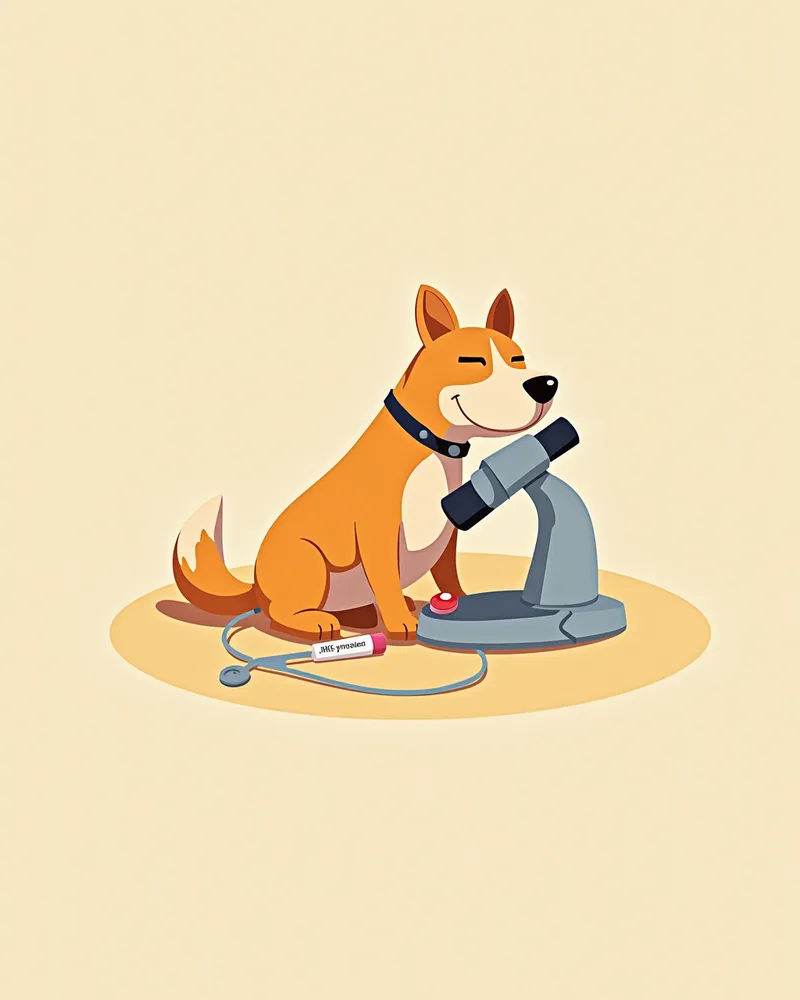
Treatment and Care Methods Based on Dog Age Conversion Standards

Dog Age Management Points You Can Practice at Home

Large Breeds Require Special Care Starting at Age 7
Large-breed dogs tend to have shorter average lifespans than small-breed dogs, so their risk of age-related diseases increases at a relatively young age, making regular check-ups and dietary management essential. In their senior years, multiple chronic conditions often occur simultaneously, and their health status can change rapidly, so owners should be vigilant not to miss even subtle signs. Collaborating with a veterinarian to develop a care plan is the safest approach.
Reviewed by a veterinarian

Dr. Tony — Punnawat Phongkittirak
VeterinarianA veterinarian who majored in veterinary medicine at Khon Kaen University, Thailand, and completed the IVSA program at North Carolina State University in the United States. Drawing on clinical experience at animal hospitals, he works in the pet healthcare field and is dedicated to building a digital care environment that connects pet parents with veterinarians.
Reviewed 2026-06-29
Frequently Asked Questions
How many human years does one dog year equal?
How long can small-breed dogs live?
How can you accurately determine your dog’s age?
What supplements are good for senior dogs?
Should I reduce my dog’s exercise as they get older?
Dog Age Conversion Standards Comparison Table
| Item | 1 year = Human age | Onset of Senior Stage | Key Health Precautions |
|---|---|---|---|
| Small breeds (e.g., Terrier) | About 7–9 years (simple conversion, meaningless) | 12 years and older | Osteoarthritis, cognitive decline, kidney disease |
| Medium breeds (e.g., Cocker Spaniel) | About 8–10 years (simple conversion, meaningless) | 10–12 years | Osteoarthritis, comorbidities |
| Large breeds (e.g., Labrador) | About 10–12 years (simple conversion, meaningless) | 7–9 years | Osteoarthritis, comorbidities, kidney disease |
The age conversion formula varies by breed and body weight, and regular health check-ups are essential. Simple conversion is not suitable for accurately determining physiological age.
Share
Related Guides

Top Recommendations and Selection Criteria for Cat FIV and FeLV Testing
Top Microchip Implantation Management Recommendations for Dogs and Key Selection Criteria

Complete Guide to Choosing, Comparing, and Managing the Best Heartworm Preventives for Dogs

If Your Cat Has No Appetite and Looks Yellow — Hepatitis Symptoms, Causes, and Treatment Timing

If Your Young Puppy Has Weak Kidneys — Causes of Renal Dysplasia and Lifelong Management Points

If Your Cat Keeps Limping — Symptoms and Diagnosis of Immune-Mediated Polyarthritis
Canine Osteochondrosis: Symptoms, Causes, Diagnosis, Treatment, and Management Essentials
If Your Dog Is Limping on a Hind Leg — Symptoms and Treatment of Legg-Calvé-Perthes Disease

Elbow Dysplasia in Dogs: Symptoms, Causes, Diagnosis, Treatment, and Management Essentials

A Comprehensive Guide to Canine Intervertebral Disc Disease: Symptoms, Causes, Diagnosis, Treatment, and Care
References
[1] Salt, C., Morris, P.J., German, A.J. et al. (2017) Growth standard charts for monitoring bodyweight in dogs of different sizes. PLOS ONE 12, e0182064.
[2] Harper, E.J., Hackett, R.M., Wilkinson, J. et al. (2003) Age-related variations in hematologic and plasma biochemical test results in Beagles and Labrador retrievers. J. Am. Vet. Med. Assoc. 223: 1436.
[3] Kienzle, E. and Rainbird, A. (1991) Maintenance energy requirements of dogs: a review. Journal of Veterinary Internal Medicine 5(3), 137–144.