Like
Share
멍실장
고양이 서맥·방실 차단 증상과 원인, 진단·치료와 관리 포인트 총정리

If Your Cat’s Heart Is Beating Too Slowly — Causes and Treatment of Bradycardia and Atrioventricular Block

HeartDiseasesMeongsiljang Veterinary Advisory Board

Feline bradycardia and atrioventricular block are conditions in which the heart rate slows or electrical conduction is impaired due to abnormalities in the heart’s conduction system. Early detection and appropriate management are key to improving survival rates.

Feline Bradycardia and Atrioventricular Block Are Conditions of Slowed Heart Rate Due to Abnormalities in the Heart’s Conduction System
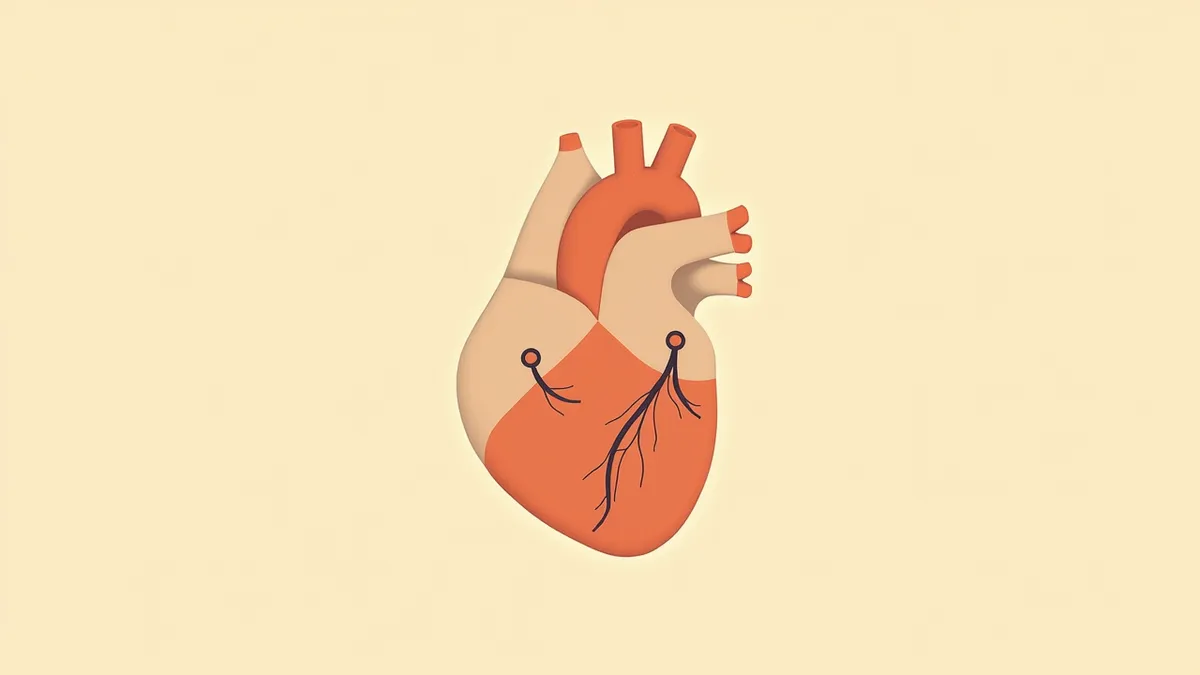
An anatomical diagram illustrating the atrioventricular node and conduction pathways of the feline heart
Feline bradycardia and atrioventricular block occur when abnormalities in the heart’s electrical conduction pathways or blocked impulse transmission cause a slowed heart rate. In cats, bradycardia is defined as a heart rate below 100 beats per minute. An excessively slow pulse can reduce cardiac output, potentially leading to hypotension or syncope. - Conduction system abnormalities: Damage to the heart’s internal electrical pathways can slow the pulse or block certain signals. - Effects of systemic disease: Bradycardia is more commonly secondary to increased vagal tone from systemic conditions—such as gastrointestinal, respiratory, or neurological disorders—than to primary heart disease. - Underlying heart disease: Conditions like cardiomyopathy can affect conduction and rhythm. - Drug effects: Medications with a narrow safety margin, such as digoxin, can influence heart rate. Early detection and appropriate management are essential.

Major Causes Include Structural Heart Abnormalities, Aging, Inflammation, and Medications
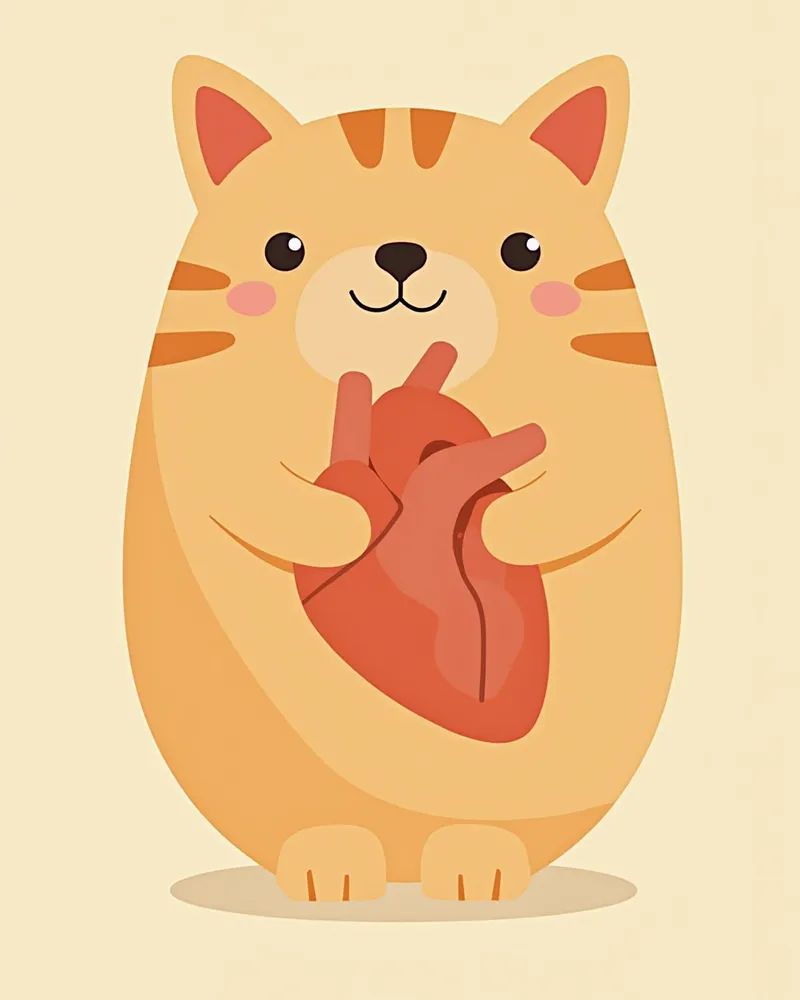
There are various causes of bradycardia and atrioventricular (AV) block in cats. - Systemic diseases and vagal tone: Increased vagal tone due to gastrointestinal, respiratory, or nervous system disorders can secondarily cause bradycardia, making this a more common cause than primary heart disease. - Underlying heart disease: Underlying heart conditions, such as cardiomyopathy, can affect the conduction system and heart rhythm. - Severe conditions causing weakness: Severe diseases such as hypothermia, renal dysfunction, or urinary tract obstruction can induce significant bradycardia. - Drug effects: Digoxin has a narrow safety margin in cats and requires careful monitoring, while beta-blockers can also affect heart rate. - Conduction block: In some cases, electrical impulse conduction itself is blocked, as seen in high-grade second-degree or third-degree AV block. Accurately identifying the underlying cause is essential.
Fibrosis in the atrioventricular septum of a cat's heart

Check for Key Symptom Signals

Symptoms of bradycardia and atrioventricular block in cats can vary widely. In severe cases, shock, fainting, and difficulty breathing may occur. Here are the warning signs to watch for in daily life.
Fainting or collapse: Sudden collapse or loss of consciousness.
Lethargy: Prolonged periods of inactivity and lying down throughout the day.
Difficulty breathing: Rapid or labored breathing.
Loss of appetite: Lack of interest in food and a sudden decrease in food intake.
Slow heart rate: A noticeably slow heartbeat when palpated.
If any of these symptoms appear, immediate veterinary care is necessary.
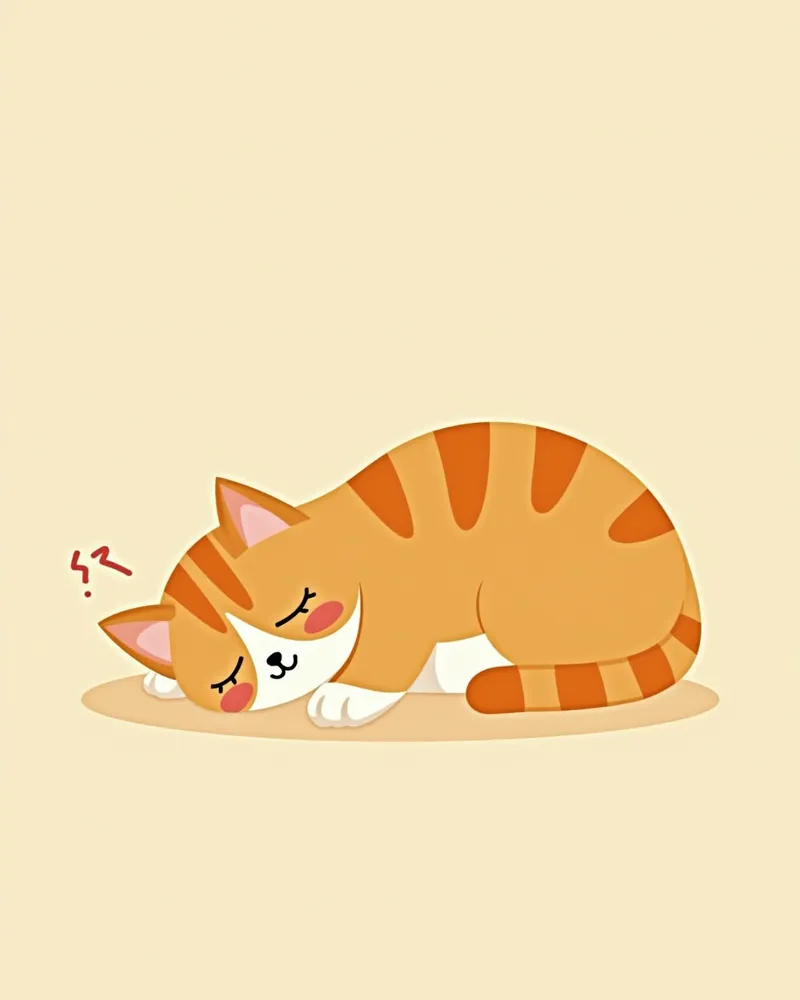
A lethargic cat lying collapsed

Emergency Situations Requiring Immediate Veterinary Visit

Fainting, severe difficulty breathing, loss of consciousness, or a heartbeat that is nearly absent or irregular are life-threatening emergencies requiring immediate veterinary care. These symptoms can lead to cardiac arrest, so prompt action is essential.

Diagnosis Is Performed Using Electrocardiogram, Cardiac Ultrasound, and Blood Tests
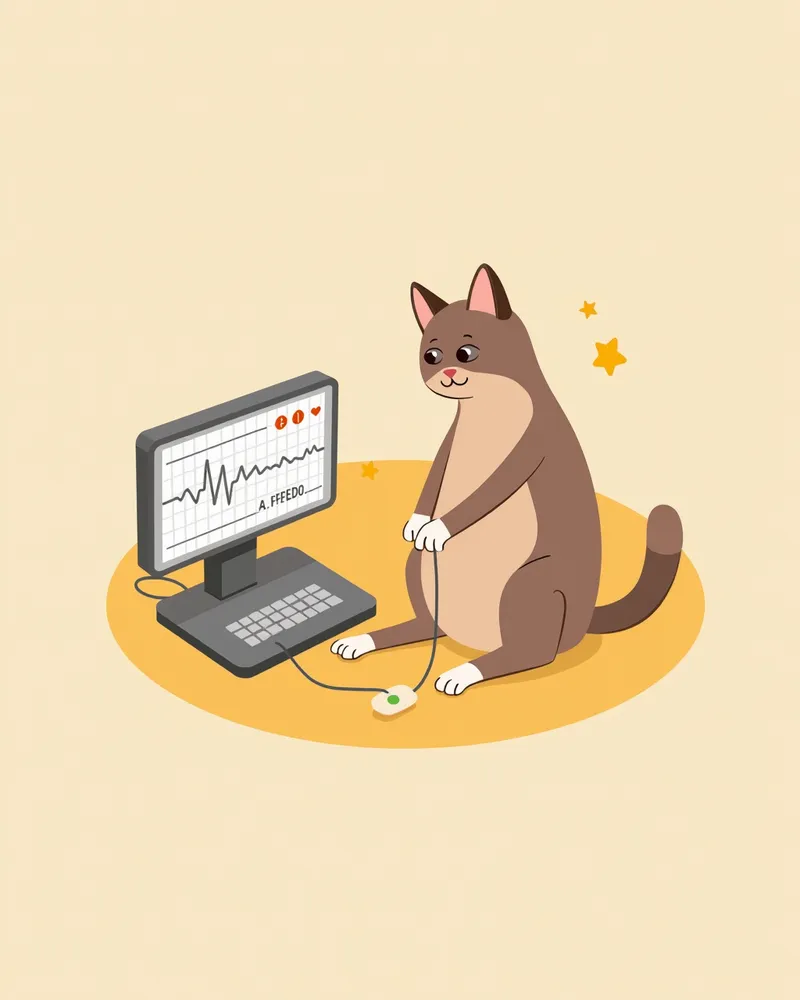
Feline bradycardia and atrioventricular block are most accurately diagnosed using an electrocardiogram (ECG). - Electrocardiogram (ECG): Records the heart’s electrical activity to confirm the presence of conduction blocks. - Echocardiography (Cardiac Ultrasound): Evaluates cardiac structure and function to identify any pathological changes. - Blood Tests: Rule out inflammatory responses, thyroid dysfunction, electrolyte imbalances, and other systemic issues. - Cardiac Rhythm Monitoring: Uses 24-hour Holter monitoring to detect transient conduction disturbances. - Comprehensive Clinical Assessment: Integrates findings with clinical signs such as syncope or shock for a holistic diagnosis.
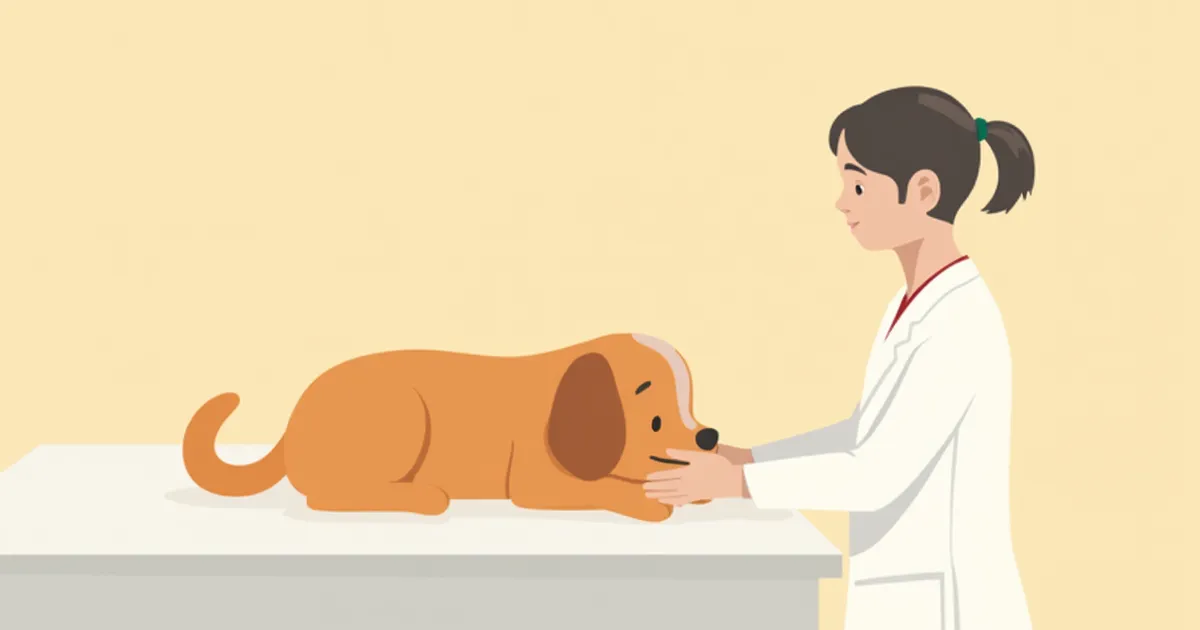
A veterinarian is attaching ECG electrodes to a cat, and the monitor displays an atrioventricular block pattern.

Treatment Varies Depending on the Underlying Cause and Severity
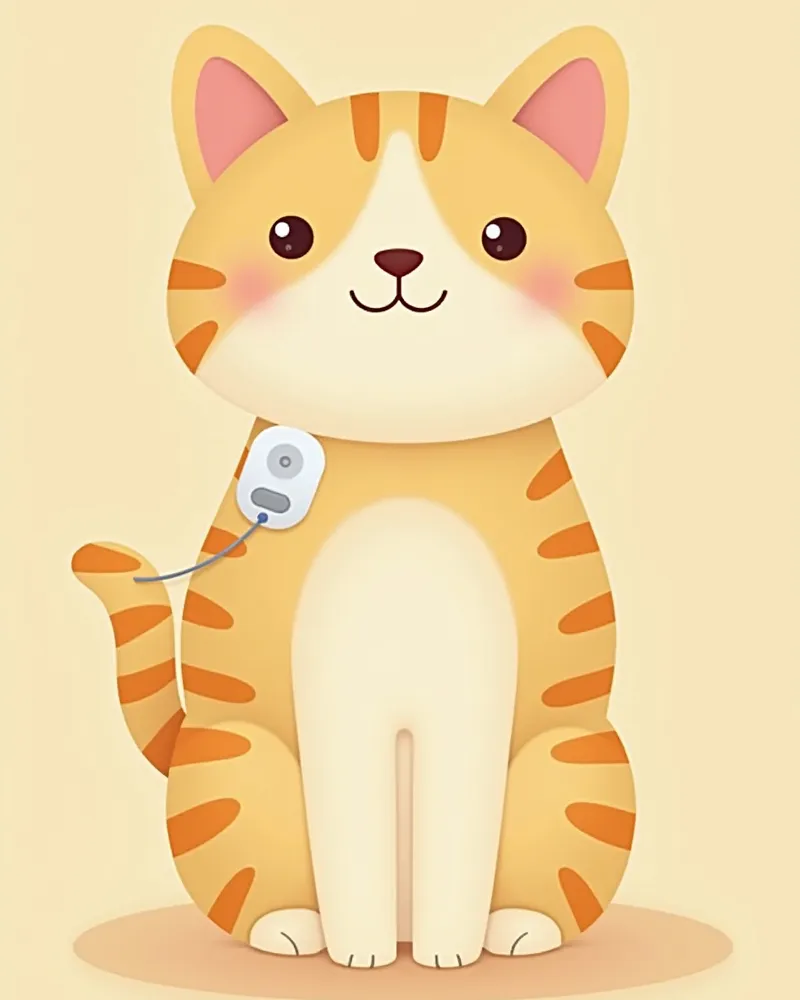
The treatment plan depends on the underlying cause and the severity of the symptoms. - Pacemaker implantation: In cases of severe atrioventricular block or severe bradycardia, a pacemaker is implanted to regulate the heart rhythm. - Medication: Drugs are prescribed to support heart function or improve electrical conduction. - Addressing the underlying cause: If inflammation or adverse drug reactions are the cause, those factors are managed accordingly. - Regular monitoring: Even after treatment, the condition is continuously monitored using electrocardiograms and echocardiography. - Individualized treatment: The veterinarian adjusts the prescription based on the pet’s weight, age, and medical history.
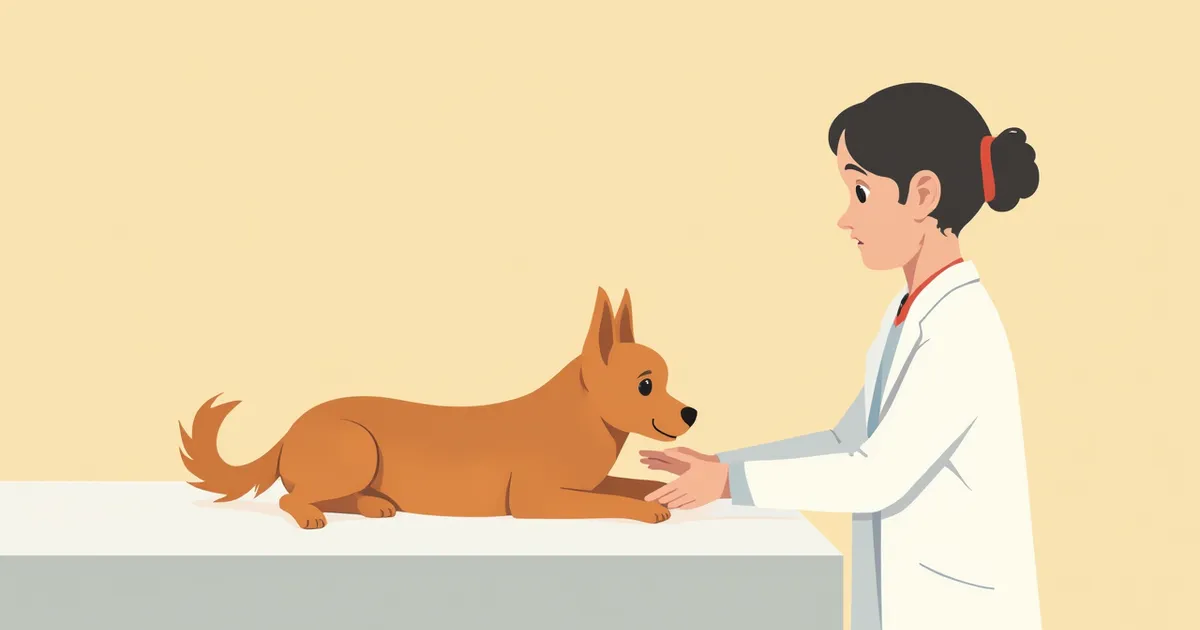
A cat recovering after pacemaker implantation

Home Care and Daily Management Are Key to Improving Survival Rates

Consistent home care remains essential even after treatment. - Adhere to medication schedules: Administer medications at the correct times and in the prescribed doses. - Regular veterinary check-ups: Monitor your pet’s condition through regular assessments, such as electrocardiograms and echocardiograms. - Minimize stress: Maintain a stable and calm environment for your cat. - Balanced diet and exercise: Provide a balanced diet and appropriate physical activity to reduce strain on the heart. - Wound care: After pacemaker implantation, keep the incision site clean and monitor for signs of infection. - Lifestyle management: Avoid sudden environmental changes and maintain a consistent, stable daily routine.
A calm cat sitting by the window, in a stable environment

Breed-Specific Precautions and Prevention of Recurrence

Certain heart conditions, such as cardiomyopathy, are known to be more prevalent in specific breeds, so regular cardiac screenings tailored to breed-specific risks can be beneficial. Additionally, if your pet is on medication, do not stop it abruptly even if symptoms appear to improve; always consult your veterinarian to adjust the dosage. Regular cardiac check-ups and ongoing monitoring are essential to prevent relapse and disease progression.

Reviewed by a veterinarian

Dr. Tony — Punnawat Phongkittirak

Dr. Tony — Punnawat Phongkittirak

Veterinarian

A veterinarian who majored in veterinary medicine at Khon Kaen University, Thailand, and completed the IVSA program at North Carolina State University in the United States. Drawing on clinical experience at animal hospitals, he works in the pet healthcare field and is dedicated to building a digital care environment that connects pet parents with veterinarians.

Frequently Asked Questions

Can feline bradycardia and atrioventricular block be treated?
Treatment is possible depending on the cause and severity. In most cases, a stable condition can be maintained with pacemaker implantation or medication.
Is pacemaker implantation dangerous for cats?
While surgery does carry some risks, it can be performed safely by a qualified veterinarian. Post-operative care is crucial.
Will bradycardia and atrioventricular block affect a cat's lifespan?
With proper treatment and care, it won’t significantly impact your pet’s lifespan. Early detection and consistent management are key.
How can you check your pet’s heart rate at home?
While it’s difficult to measure your pet’s heart rate directly, you should seek immediate veterinary care if you notice symptoms such as difficulty breathing, fainting, or lethargy.
Can I stop the medication suddenly while my pet is taking it?
Absolutely not. Medications must be taken exactly as directed by your veterinarian. Stopping them abruptly can cause serious complications.

Characteristics and Management Strategies for Bradycardia and Atrioventricular Block by Severity

ItemMain SymptomsTreatment NeededPrognosis
MildSlightly slow heart rate, no abnormality in daily activityNoGood
ModeratePossibility of inducing fainting, lethargy, decreased appetiteYesFair
SevereLoss of consciousness, respiratory distress, risk of cardiac arrestYesUnstable

The higher the severity, the more immediate the hospital visit and treatment needed.

Share

Related Guides

References

[1] Feldman EC, Nelson RW. Canine and Feline Cardiology. 5th ed. Philadelphia: Elsevier; 2015.

[2] Bonagura JD, Twedt DC. Veterinary Cardiology. 2nd ed. St. Louis: Elsevier; 2018.

[3] American College of Veterinary Internal Medicine. Guidelines for the Diagnosis and Management of Feline Arrhythmias. 2021.

This information is based on veterinary literature and does not replace diagnosis or treatment. Please consult a veterinarian for specific health concerns.

Metapet Co., Ltd. | CEO: Park Sung-yong | Business Reg. No. 417-88-02562 | Seoul, South Korea | Customer Center

Cat Heart Beating Too Slowly? Bradycardia & AV Block | Meongsiljang