Like
Share
멍실장
반려동물 독성 식물 리스트 (실내·정원)

List of Toxic Plants for Pets — A Complete Guide to Dangerous Indoor and Garden Plants and Poisoning Symptoms

ImmunityDiseasesMeongsiljang Veterinary Advisory Board

We’ve compiled a list of toxic indoor and garden plants that are dangerous to dogs and cats, along with their poisoning symptoms and emergency response measures.

What Is Toxic Plant Poisoning in Pets?
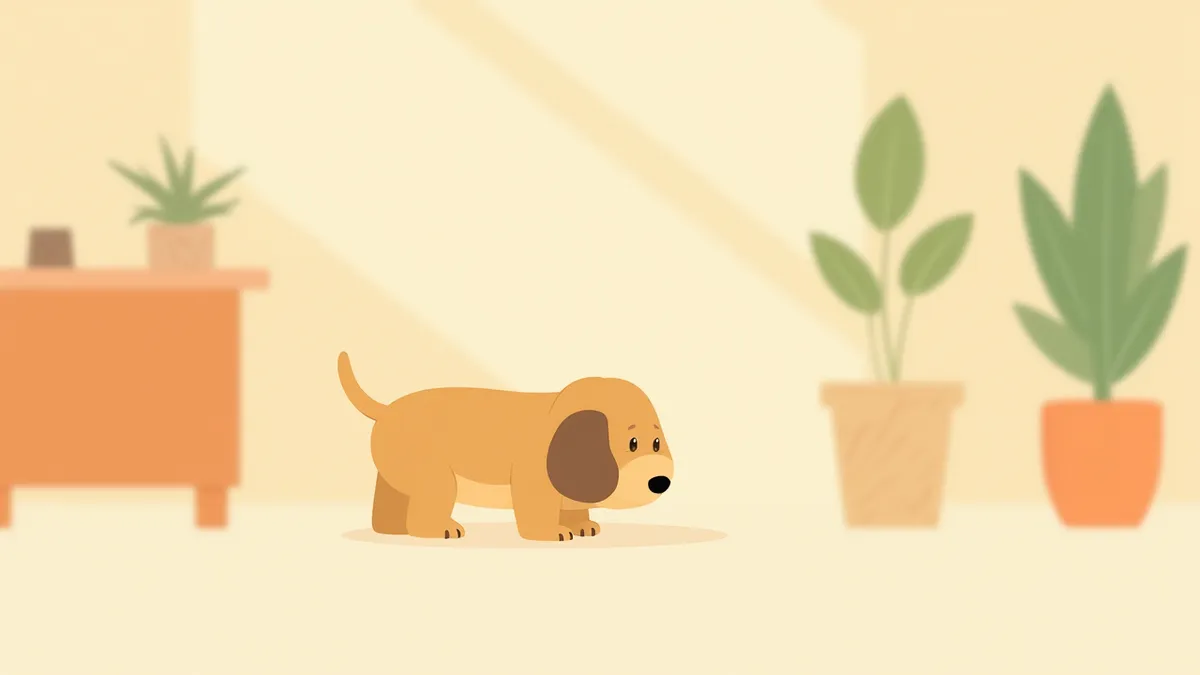
A puppy with its nose close to a potted plant
Toxic plant poisoning in pets occurs when dogs or cats chew or ingest plants containing toxic substances. It’s crucial to recognize that the level of danger varies significantly depending on the plant species. For example, lilies can cause acute kidney failure in cats even with minimal exposure, while sago palms are extremely hazardous to dogs, potentially causing severe liver and neurological damage that can be fatal. Always check what plants are present both indoors and outdoors, and ensure that any toxic plants are kept completely out of your pet’s reach or removed entirely.

Indoor Toxic Plants to Watch Out for at Home

Many common houseplants can be dangerous to pets.
Lily: This is the most deadly plant for cats. Every part—including the petals, leaves, pollen, and even the water in the vase—is toxic. Even a tiny amount licked by a cat can lead to acute kidney failure.
Sago Palm: All parts of this plant are toxic, with the seeds being the most dangerous. Since dogs often chew on plants, extra caution is needed.
Dumb Cane: The calcium oxalate crystals in its stems and leaves irritate the oral mucosa, causing severe swelling and pain.
Poinsettia: While not fatal, the plant’s sap can irritate the mouth and stomach, leading to vomiting and drooling.

Toxic Plants to Watch Out for in Gardens and Outdoors

Some plants you may encounter in gardens or on walking paths are toxic.
Azaleas and Rhododendrons: Their flowers and leaves contain grayanotoxin, which can cause vomiting, diarrhea, and even cardiac arrhythmias after ingestion of even small amounts.
Tulips: The bulbs are the most dangerous part. Dogs often ingest them while digging in the soil.
Daffodils: The bulbs concentrate toxic compounds that can cause oral irritation, vomiting, diarrhea, and abdominal pain. In cases of large ingestions, cardiovascular symptoms may also occur.
Oleander: This highly dangerous plant contains potent cardiac glycosides in all its parts, capable of causing life-threatening cardiovascular abnormalities even after small ingestions.
A dog strolling beside a garden in full bloom.

Go to the Veterinary Clinic Immediately If You See These Symptoms

If your pet shows repeated vomiting, bloody diarrhea, seizures, difficulty breathing, or pale gums after chewing or eating a plant, take them to a veterinary clinic immediately. Cats that have ingested lilies may appear asymptomatic at first, but kidney toxicity can progress rapidly. If lily ingestion is confirmed, it is safest to seek veterinary care right away, regardless of whether symptoms are present.

Checklist of Toxic Plant Poisoning Symptoms
Symptoms vary depending on the toxic plant. If you notice any of the following signs, suspect plant poisoning.
Excessive drooling: This is often the first sign after chewing plants that irritate the mouth, such as dieffenbachia or philodendron.
Repeated vomiting and diarrhea: These are common symptoms caused by plants that irritate the gastrointestinal tract.
Loss of appetite and lethargy: If toxins spread to the liver or kidneys, your pet will show noticeable weakness.
Changes in gum color: Yellow or pale gums may indicate liver damage or anemia.
Seizures or convulsions: These signal a severe stage of poisoning affecting the nervous system.
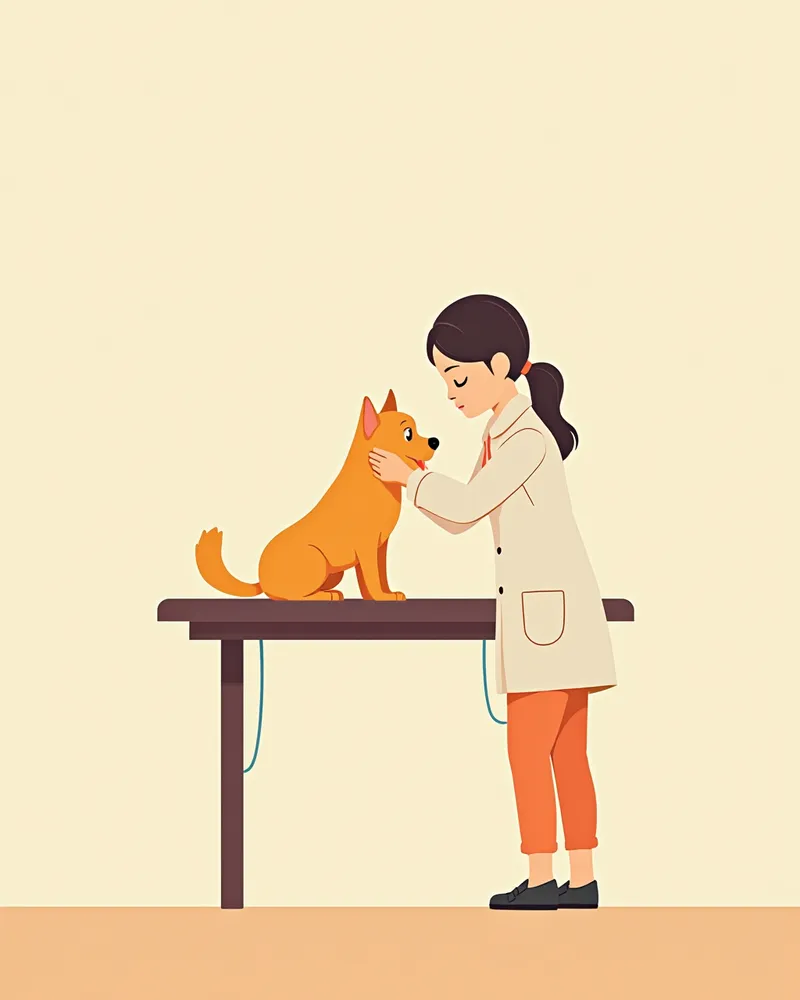
A veterinarian examining a dog's mouth at the animal hospital

Emergency Response Steps If Your Pet Eats a Plant

If you discover your pet has eaten a toxic plant, stay calm and follow these steps in order.
Step 1 — Check the mouth: If there are any remaining plant fragments in the mouth, remove them carefully.
Step 2 — Secure the plant: Identify the plant’s name or take photos of the leaves and stems. This will greatly assist the veterinary clinic in determining toxicity.
Step 3 — Contact the clinic: Provide the type of plant, estimated amount ingested, and your pet’s weight.
Never induce vomiting based on your own judgment. Depending on the plant type, vomiting can actually damage the esophageal lining, so it is essential to follow your veterinarian’s instructions.

Diagnosis and Treatment at the Veterinary Clinic
At the veterinary clinic, the treatment plan is determined based on the type of plant ingested and the symptoms presented.
Activated carbon administration: Activated carbon is given immediately after ingestion to reduce the absorption of toxic components in the intestines, and a laxative may be used if necessary.
Fluid therapy: Intravenous fluids are administered to protect kidney and liver function and help eliminate toxins. Cats poisoned by lilies may require continuous intensive fluid therapy to prevent the progression of kidney failure.
Symptomatic treatment: The veterinarian prescribes antiemetics, gastrointestinal protectants, hepatoprotectants, and other medications as needed based on the symptoms.
In cases where liver damage is a concern, such as with sago palm (cycad) poisoning, cholestyramine is repeatedly administered along with activated carbon, and intensive inpatient treatment may be necessary.
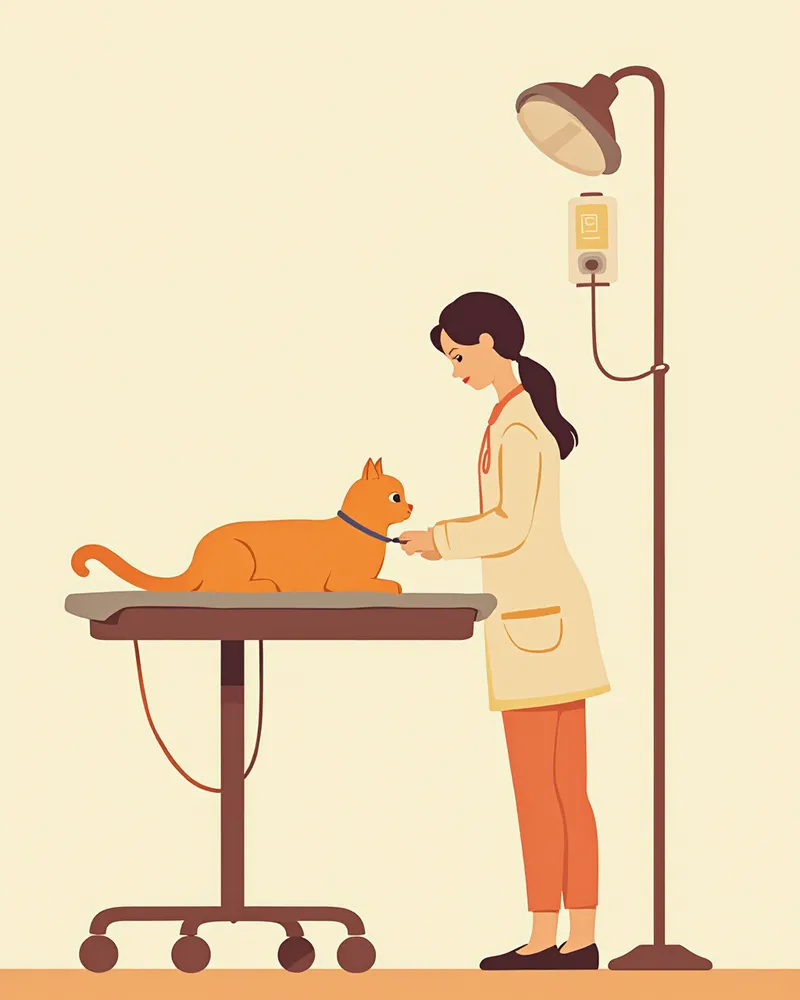
A cat receiving intravenous fluid therapy at a veterinary clinic

How to Protect Your Pet from Toxic Plants

Prevention is the most effective way to protect your pet from toxic plant poisoning.
Check your indoor plants: Go through each plant in your home. If any are toxic, place them out of your pet’s reach on high shelves or remove them entirely.
Be cautious during walks: Prevent your pet from chewing on grass or flowers in parks or flower beds. Grass treated with herbicides is also dangerous.
Switch to pet-safe plants: Safe options include areca palms, Boston ferns, spider plants, and cat grass.
When buying new plants: Always check the plant’s name and verify whether it is toxic before bringing it home.

Cat Owners Should Pay Special Attention

Cats are more sensitive to certain toxic substances than dogs, so they face a higher risk of poisoning even when ingesting the same amount. Lilies (Lilium and Hemerocallis genera, such as tiger lilies, Asiatic lilies, and Easter lilies) are particularly dangerous, as they can cause fatal acute kidney injury in cats. Although the exact mechanism of toxicity remains unknown, all parts of the plant—including leaves, petals, stamens, and pollen—are toxic. Ingestion of even small amounts, such as licking pollen or drinking water from a vase containing lilies, can lead to poisoning. Therefore, if you receive a bouquet of flowers, always check whether it contains lilies. Additionally, keep cats away from any area where lilies are present, as pollen can fall to the floor and pose a risk.

Reviewed by a veterinarian

Dr. Tony — Punnawat Phongkittirak

Dr. Tony — Punnawat Phongkittirak

Veterinarian

A veterinarian who majored in veterinary medicine at Khon Kaen University, Thailand, and completed the IVSA program at North Carolina State University in the United States. Drawing on clinical experience at animal hospitals, he works in the pet healthcare field and is dedicated to building a digital care environment that connects pet parents with veterinarians.

Frequently Asked Questions

Can poinsettias be fatal to dogs if ingested?
Poinsettias are toxic, but not to a fatal degree. The plant’s sap can irritate the mouth and gastrointestinal tract, leading to symptoms such as drooling, vomiting, and diarrhea. However, if your pet has ingested a large amount, it’s safest to visit the vet.
How can I check if the plants I keep at home are toxic?
First, confirm the plant’s exact name, then search for it in the American Society for the Prevention of Cruelty to Animals (ASPCA) Toxic Plant Database. If you’re unsure of the name, you can take a photo with a plant identification app to identify it.
Should I take my pet to the vet even if they only licked a plant a little?
It depends on the type of plant. For highly toxic plants like lilies (for cats) or cycads, even a small amount can be fatal, so if your pet licks or ingests any part, seek veterinary care immediately. For plants with milder toxicity, monitor your pet for symptoms and call your veterinarian for advice.
Should I not induce vomiting?
Do not induce vomiting on your own. Depending on the type of plant, the esophageal lining may suffer further damage during the vomiting process. Please wait for and follow your veterinarian's instructions before taking any action.
Is cat grass really safe for cats?
Cat grass (oat, wheat, and barley sprouts) is a safe plant for pets. It allows cats to safely satisfy their natural urge to chew on grass, making it a recommended alternative to toxic plants.

Share

Related Guides

References

[1] Blackwell's Five-Minute Veterinary Consult Clinical Companion, Small Animal Toxicology, 3rd Edition

[2] Albretsen JC, Khan SA, Richardson JA. Cycad palm toxicosis in dogs: 60 cases (1987–1997). J Am Vet Med Assoc 1998;213(1):99–101.

[3] Clarke C, Burney D. Cycad palm toxicosis in 14 dogs from Texas. J Am Anim Hosp Assoc 2017;53:159–166.

[4] ASPCA Animal Poison Control Center. Toxic and Non-Toxic Plant List. American Society for the Prevention of Cruelty to Animals.

This information is based on veterinary literature and does not replace diagnosis or treatment. Please consult a veterinarian for specific health concerns.

Metapet Co., Ltd. | CEO: Park Sung-yong | Business Reg. No. 417-88-02562 | Seoul, South Korea | Customer Center

Toxic Plants for Pets: Dangerous Indoor & Garden Plant Guide | Meongsiljang