Like
Share
멍실장
고양이 빈뇨·긴박뇨 증상과 원인, 진단·치료와 관리 포인트 총정리

Feline Pollakiuria and Stranguria: Symptoms, Causes, Diagnosis, Treatment, and Management Essentials

UrinaryDiseasesMeongsiljang Veterinary Advisory Board

Feline pollakiuria and stranguria refer to the frequent urge to urinate and repeated attempts to pass urine, which can be caused by various factors such as infections, bladder stones, or inflammation. Early diagnosis and appropriate treatment are essential.

What Are Feline Pollakiuria and Stranguria?
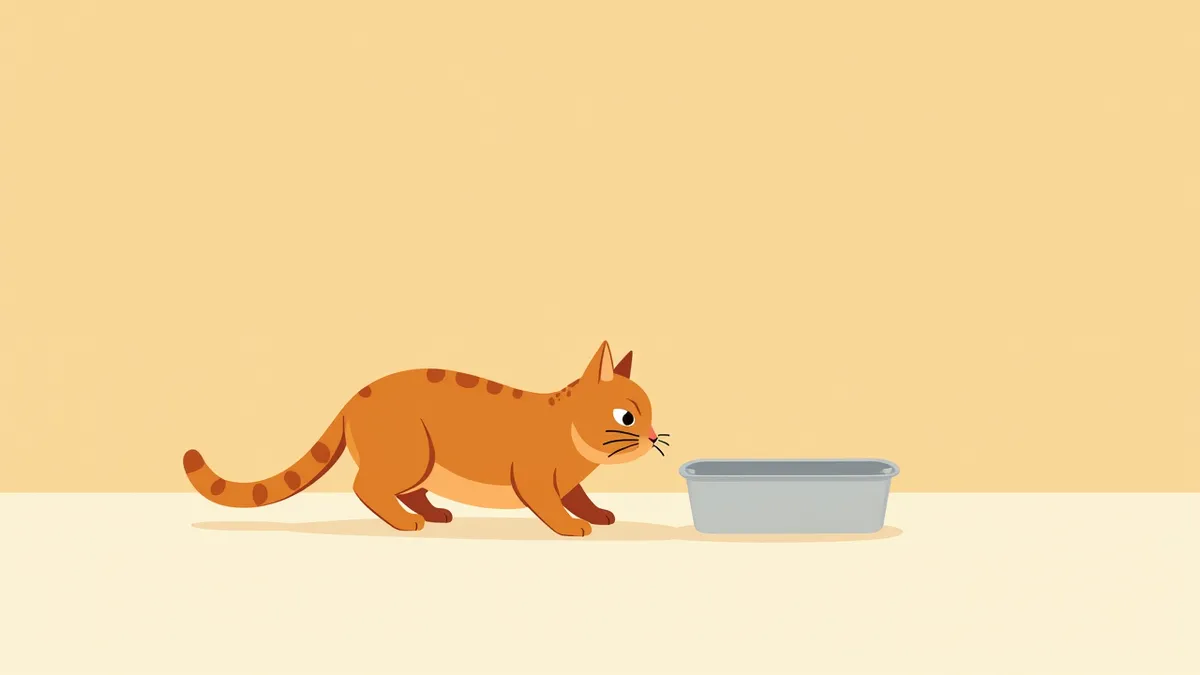
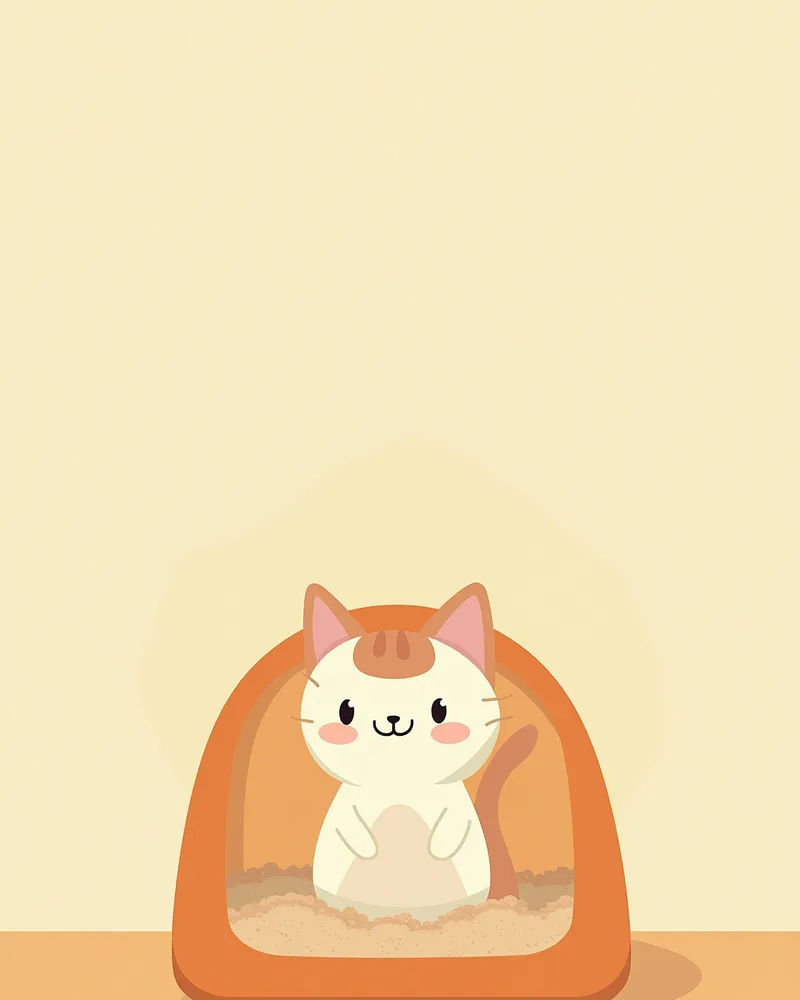
A cat sitting in a tense posture in front of the litter box
Frequent and urgent urination in cats refers to the symptom of feeling the urge to urinate often and actually doing so frequently. Cats may visit the litter box often but pass only small amounts of urine or none at all. This is a sign that something is wrong with the bladder or urinary tract, requiring immediate diagnosis and treatment. In particular, cats may take a long time to urinate or appear to be in pain. Causes can include inflammation of the bladder or urethra (such as idiopathic cystitis), urinary stones, or urethral obstruction. Early detection and treatment significantly improve the chances of recovery.

What Are the Main Causes of Pollakiuria and Stranguria?
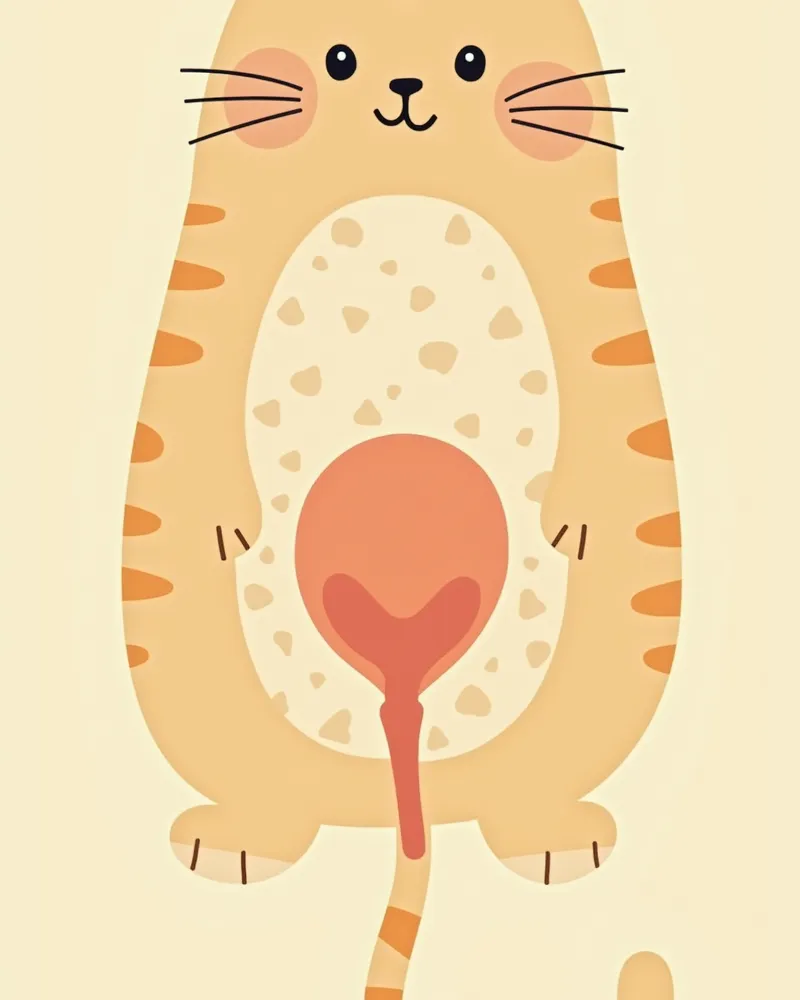
The main causes of frequent and urgent urination in cats include cystitis, urinary tract stones, and urinary tract inflammation. - Cystitis: Inflammation of the bladder creates a frequent urge to urinate and can cause pain in severe cases. Most feline cystitis is non-infectious (idiopathic) with no clear cause. While bacterial infections are relatively rare, they cannot be completely ruled out. Idiopathic cystitis is diagnosed after excluding other lower urinary tract diseases such as stones, urinary tract infections, and tumors. - Urinary tract stones: Stones in the bladder or ureters obstruct urine flow, leading to frequent and urgent urination. The most common types of stones are struvite and calcium oxalate. - Stress: Increased stress from environmental or routine changes can trigger episodes of lower urinary tract disease. This is closely linked to idiopathic cystitis, and many cats experience episodes triggered by stress. - Kidney function decline: Declining kidney function itself is not a primary cause of frequent and urgent urination. In cats, urethral obstruction is actually the most common cause of acute kidney injury. Abnormal urine output usually stems from urinary tract obstruction or dysfunction of the bladder or urethra, rather than from the kidneys themselves.
An anatomical diagram illustrating the feline urinary tract structure

Check for Key Symptoms and Signs

The main symptoms of feline frequent and urgent urination are as follows. Your cat may visit the litter box frequently but pass only small amounts of urine or none at all. They may take a long time to urinate, appear uncomfortable while squatting, or vocalize in distress. The urine may appear reddish, cloudy, or contain blood. If these symptoms persist, immediate veterinary attention is required.
Frequent litter box visits: This refers to going to the litter box multiple times a day. It is particularly characteristic when urine output is low.
Decreased urine volume: Your cat goes to the litter box but passes little to no urine, or only small amounts.
Painful urination: Your cat struggles to urinate or vocalizes in distress. This may be accompanied by pain, which can stem from inflammation or obstruction in the bladder or urethra.
Abnormal urine color: The urine may appear reddish, cloudy, or contain blood. Blood in the urine can signal inflammation, stones, or hemorrhagic conditions.
Urination outside the litter box: Your cat may urinate in places other than the litter box. This behavioral change can result from pain or stress and is a classic sign of lower urinary tract disease.
Anxious behavior: Your cat may appear tense or have raised fur. This can be a stress response and is particularly associated with idiopathic cystitis.
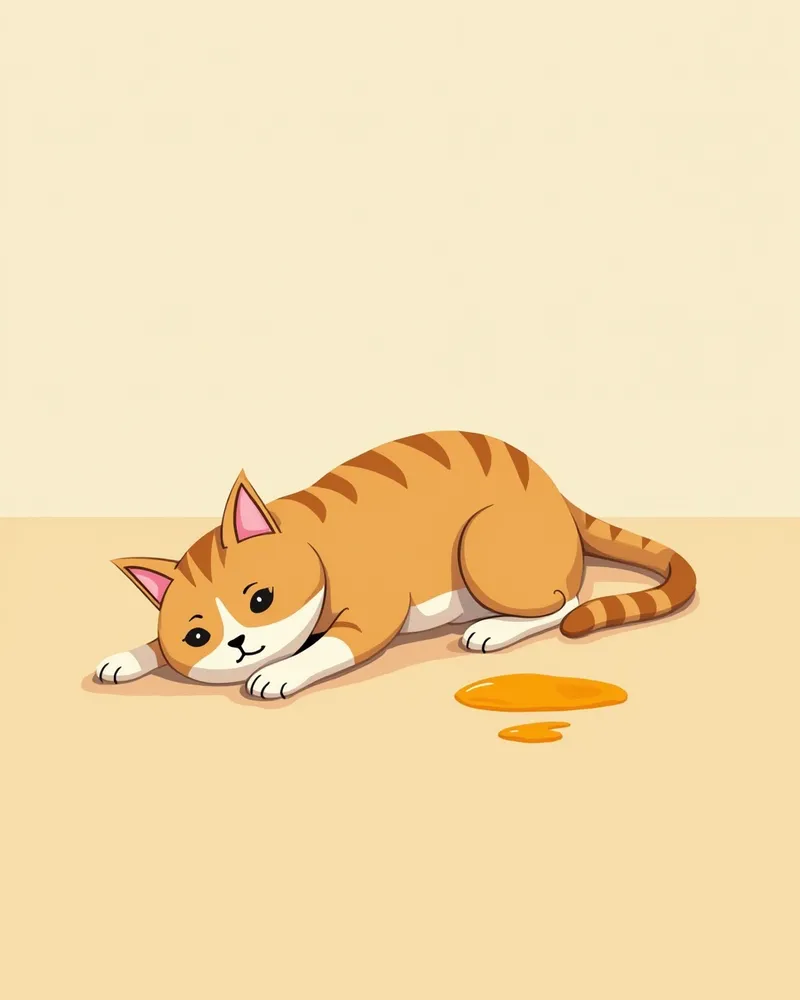
A cat lying near the litter box, appearing anxious and uneasy.

Signs Requiring Immediate Veterinary Care

If your cat is straining to urinate but nothing comes out, or if they go to the litter box but fail to produce urine, seek veterinary care immediately. This is especially critical for male cats, as urinary blockage can quickly become a life-threatening emergency. Do not delay—get emergency veterinary attention as soon as possible.

Diagnostic Tests for Accurate Diagnosis
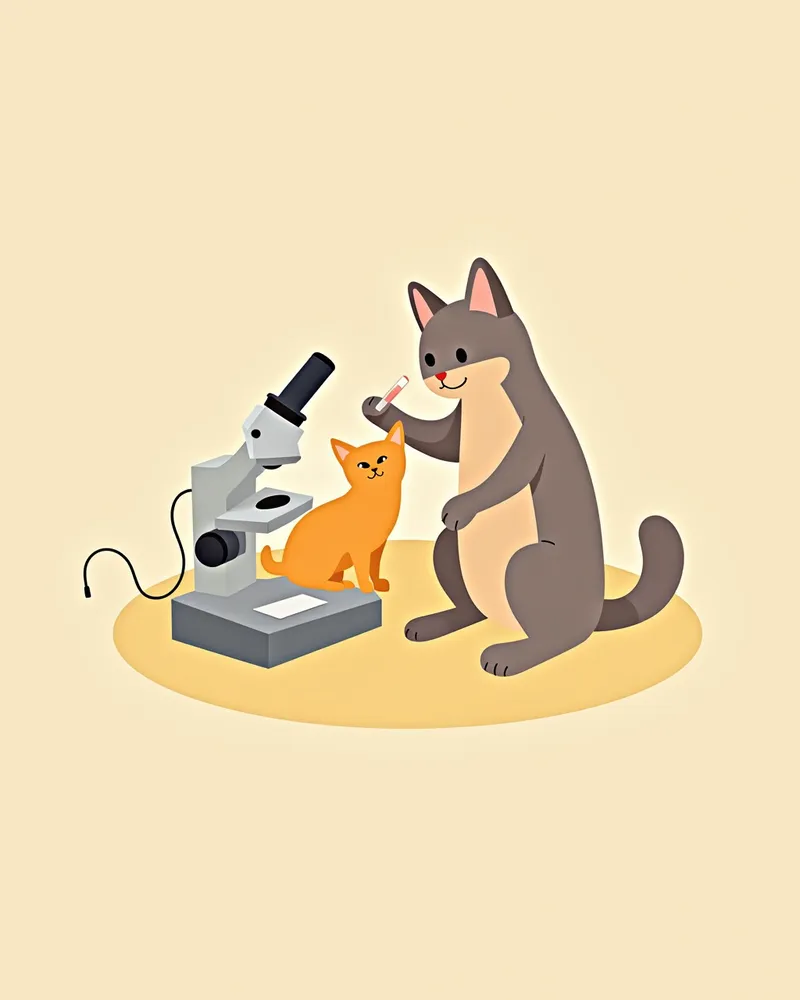
To accurately diagnose feline frequent urination and urgency, multiple tests are typically performed together. - Urinalysis: Checks for white blood cells, hematuria, and proteinuria to determine whether infection or inflammation is present. - Blood tests: Evaluates kidney function and electrolyte levels to assess overall health status. - Ultrasound: Visually identifies bladder stones, tumors, or abnormal structures within the bladder. - Radiography (X-rays): Helps determine the location and size of stones. - Urography: In complex cases, observes urine flow through the urinary tract to check for obstructions. By combining the results from these various tests, we can pinpoint the exact cause.
A veterinarian examining a cat's urine sample under a microscope.

Treatment Methods and Step-by-Step Management
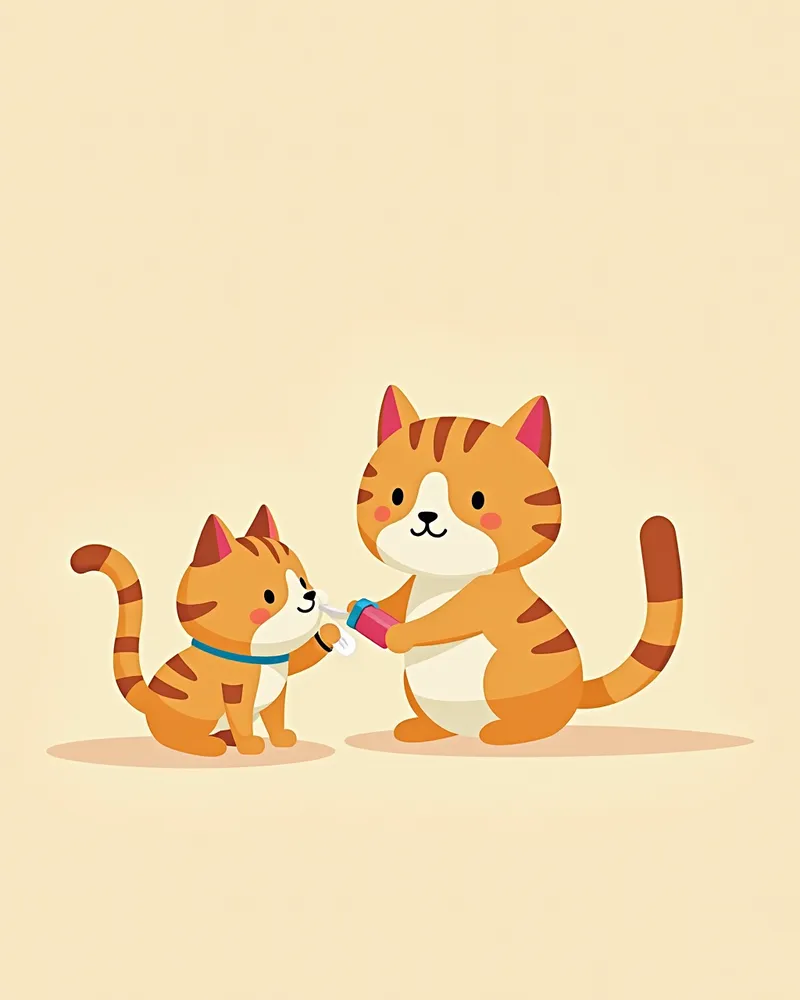
Treatment depends on the underlying cause. For cystitis, we confirm infection through urinalysis and culture, then administer antibiotics. For bladder stones, dietary management or surgery may be necessary. We use pain relievers to alleviate discomfort and adjust the environment to reduce stress. Strict adherence to your veterinarian’s instructions for medication and care is essential throughout the treatment period.
Antibiotic Therapy: If infection is confirmed via urinalysis and culture, administer the prescribed antibiotics exactly as directed. If infection is suspected but culture results are negative, the condition may be idiopathic cystitis; in such cases, antibiotic use should be approached with caution.
Dietary Management: Switch to a prescribed diet based on the type of stone to prevent recurrence. Common stones include struvite and calcium oxalate. Since the appropriate diet varies depending on stone type and urine characteristics, always consult your veterinarian to select the right food after an accurate diagnosis.
Surgical Treatment: In cases of urinary obstruction, emergency intervention is required to relieve the blockage, typically using catheterization. If obstructions recur, a perineal urethrostomy may be considered.
Pain Relief: If urination is severely painful, pain medication is administered. Effective pain control is crucial for improving recovery and the quality of life during the healing period.
Environmental Stability: Remove stressors and maintain a calm, stable environment. Consistency in your cat’s daily routine and surroundings is key to preventing recurrence.
A veterinarian administering medication to a cat.

Home Care and Management Tips

Proper home care is crucial for improving treatment success rates. - Litter box environment: Maintain a clean and quiet space, and provide multiple litter boxes so your cat can use them comfortably. - Hydration: Always offer fresh water and place water bowls in several locations to encourage drinking. - Stress management: Keep a consistent routine and stable environment, and introduce new items or changes gradually. - Medication administration: Give medications exactly as prescribed by your veterinarian, following the correct timing and dosage. - Observation records: Keep track of urination frequency, urine volume, and any behavioral changes to assist during veterinary visits. Consistent care is key to preventing recurrence.
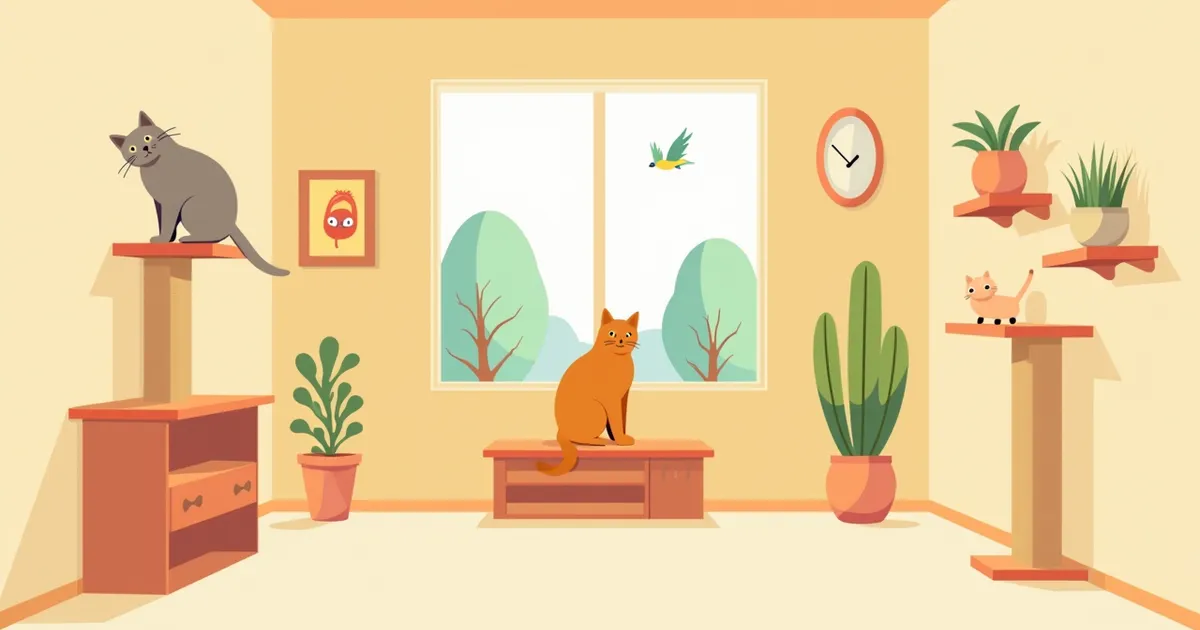
A cat space with a clean litter box and a comfortable environment

Special Considerations for Male Cats

Male cats have narrower urethras, making them more prone to urinary tract obstructions. If an obstruction occurs, urine output stops completely, posing a life-threatening emergency. Therefore, if your cat shows signs of frequent urination or straining, immediate veterinary care is essential. In cases of urinary obstruction, kidney function can deteriorate rapidly, and electrolyte imbalances (such as hyperkalemia) can develop quickly, so delays in treatment can be fatal. To help prevent this, encourage increased water intake, minimize stress, and schedule regular health check-ups.

Reviewed by a veterinarian

Dr. Tony — Punnawat Phongkittirak

Dr. Tony — Punnawat Phongkittirak

Veterinarian

A veterinarian who majored in veterinary medicine at Khon Kaen University, Thailand, and completed the IVSA program at North Carolina State University in the United States. Drawing on clinical experience at animal hospitals, he works in the pet healthcare field and is dedicated to building a digital care environment that connects pet parents with veterinarians.

Frequently Asked Questions

What can you do at home if your cat is showing signs of frequent and urgent urination?
Keep the litter box clean, change the water frequently, and eliminate stressors. However, a vet visit is essential to identify the underlying cause. Home care measures are only supportive and help alleviate symptoms.
Is it dangerous when a male cat shows signs of frequent urination?
This is very dangerous. Male cats have narrow urethras, so if an obstruction occurs, they need to go to the vet immediately. Obstructions can lead to life-threatening complications such as kidney damage, hyperkalemia, and cardiac arrest, and without prompt treatment, they can be fatal.
Can frequent urination and urgency recur even after treatment?
Yes, if underlying causes such as idiopathic cystitis, stress, dietary factors, or structural urinary tract issues persist, the condition can recur. Regular check-ups, environmental management, and dietary adjustments are essential to prevent recurrence.
Can dietary management alone resolve frequent urination and urinary urgency?
Dietary management can be effective for certain conditions, such as urinary stones or specific diseases. However, changing your pet’s diet without an accurate diagnosis can be risky, so it’s important to consult with a veterinarian. In particular, for feline idiopathic cystitis, dietary adjustments serve as supportive therapy rather than a cure.
Should I give my cat medication if it shows signs of frequent urination or urgency?
No. Medications should never be given without a veterinarian’s prescription. Incorrect medications can worsen symptoms, so it’s essential to have your pet examined by a vet. Pain relievers and antibiotics, in particular, should not be used without an accurate diagnosis.

Share

Related Guides

References

[1] Feline Emergency and Critical Care Medicine, 2nd Ed. (2019). Anderson, J.D., Rondeau, D.A., and Hess, R.S.

[2] The Cat, Clinical Medicine and Management, 2nd Edition. (2015). Barrs, V.R., Beatty, J.A., Tisdall, P.L.

[3] Applied Veterinary Clinical Nutrition, 2nd Ed. (2020). Wichert, M., et al.

This information is based on veterinary literature and does not replace diagnosis or treatment. Please consult a veterinarian for specific health concerns.

Metapet Co., Ltd. | CEO: Park Sung-yong | Business Reg. No. 417-88-02562 | Seoul, South Korea | Customer Center

Feline Pollakiuria & Stranguria: Causes and When to See a Vet | Meongsiljang